I’m a huge fan of ’80s media – it really set the stage for so much of what we enjoy today! So many shows back then weren’t just popular, they became huge cultural moments with incredibly dedicated fans who still love them. But honestly? Just because something is important historically doesn’t always mean it holds up and is fun to watch now.
What once captivated audiences isn’t always as strong today. Changes in how stories are told, quicker tempos, better animation quality, and what viewers expect have made some classic ‘80s anime seem a little old-fashioned. While still important and fondly remembered, these shows sometimes suffer from predictable storylines, inconsistent quality, or jokes that don’t quite hit the mark like they used to, meaning they aren’t as perfect as we might recall.
Touch Masterfully Captured Youth and Baseball but Demands Plenty of Patience
The anime Touch stands apart because Kazuya’s death drastically changes the focus of the series. What starts as a typical baseball story becomes a poignant exploration of grief, duty, and the burden of trying to fulfill another person’s dreams after they’re gone, as Tatsuya strives to reach Koshien in memory of his brother.
The original manga relies on quiet moments and simple visuals to build impact, but the anime adaptation often uses long, comedic scenes instead. This 101-episode anime adds a lot of extra content that weakens the emotional impact of the story, including storylines not found in the manga. Viewers familiar with the more focused storytelling of Adachi’s later work, like Cross Game, might find Touch to be less tightly structured.
Ranma ½ Remains Hilarious But Its Humor Hasn’t Always Aged Gracefully
Ranma ½ has a really clever idea: a martial artist who turns into a girl when touched by cold water. This leads to consistently funny situations, especially in the first part of the series. Creator Rumiko Takahashi uses this unusual situation to cleverly explore ideas about what it means to be male or female, and how people act based on those expectations – Ranma’s experiences are surprisingly insightful, even if the show isn’t always recognized for it.
Over its many episodes, the show falls into a predictable pattern: new characters appear, conflicts arise, things change briefly, and then everything goes back to normal. This prevents the story from truly moving forward. For example, the relationship between Akane and Ranma stays stuck for years, and the same gags about Shampoo’s crush or Kuno’s fantasies are repeated endlessly without ever building to anything new.
Maison Ikkoku Tells a Timeless Romance at a Pace Modern Audiences May Find Slow
The success of Maison Ikkoku in portraying the relationship between Godai and Kyoko stems from Takahashi’s skill in creating believable obstacles for them to overcome. Kyoko’s sadness about her late husband, Soichiro, feels genuinely impactful, and Godai’s clumsiness comes across as relatable insecurity rather than a silly trope.
The series features Godai repeatedly struggling with entrance exams and getting caught in unnecessary conflicts that could easily be solved with open communication. While the comedic characters at the boarding house are initially funny, they become tiresome over time. Though it requires patience, watching the series today is ultimately rewarding because of its genuinely touching romantic conclusion. However, the middle portion of the show relies heavily on drawn-out plotlines – a common practice in ‘80s anime – which modern audiences may find frustrating.
Dragon Ball Laid the Foundation for Shonen but Shows Its Age More Than Its Successors
Watching the original Dragon Ball feels like experiencing something quite different from Dragon Ball Z. It’s a fun adventure story with a lot of comedy, clearly inspired by the classic tale Journey to the West, and it focuses much more on exploration than huge, world-ending fights. I always thought the Red Ribbon Army arc was one of Akira Toriyama’s best-written stories, and there’s a real sweetness to young Goku’s character that gets lost as the series gets more intense and serious.
Watching this series, I noticed it definitely had some slow parts, even for its time. The tournament arc in particular felt drawn out – they really stretched those fights, which actually made them less exciting. And the shift into the Piccolo Daimao storyline just didn’t quite flow naturally from what came before; the tone seemed a little off.
City Hunter’s Charismatic Hero Can’t Fully Hide the Series’ Dated Comedy
The enduring popularity of City Hunter comes down to its main character, Ryo Saeba. He’s a highly skilled and dangerous operative, but also a relentlessly goofy and perverted guy. The series successfully balances humor and intense action because both sides of Ryo’s personality feel real and connected. The recurring gags – Kaori hitting Ryo with a hammer and his inappropriate behavior – provide consistent laughs throughout the show.
The show’s case-of-the-week format prevents any real overall story from building, as each episode essentially restarts character relationships. Throughout four seasons, Ryo and Kaori’s connection repeats the same patterns without growing much, and while the action was once impressive, it now feels dated in scenes that rely on static poses due to budget limitations.
Fist of the North Star Helped Define Battle Shonen but Feels Repetitive Today
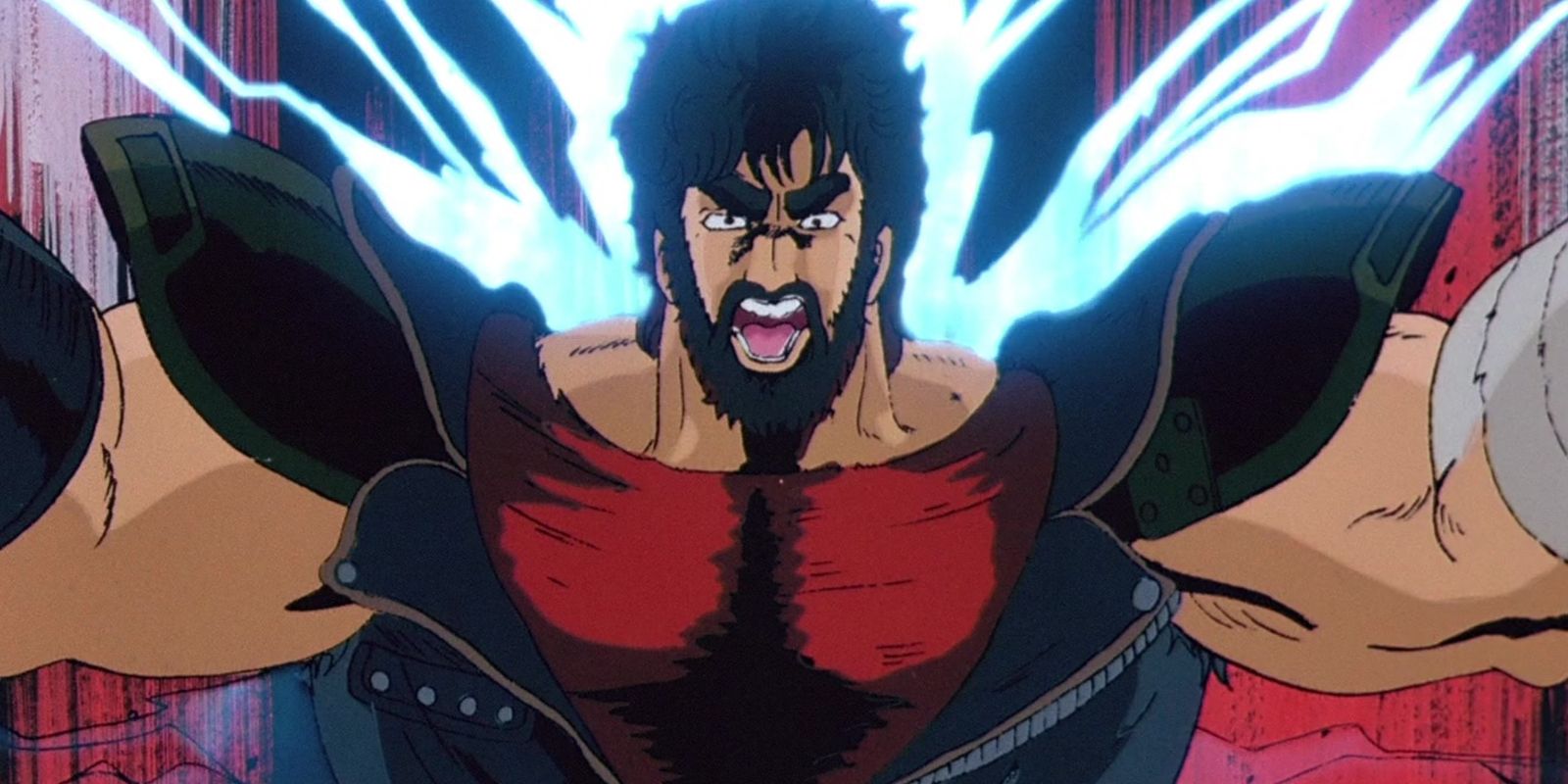
I have to say, Fist of the North Star really earns its amazing reputation in those first few episodes! The raw, post-apocalyptic world and the way Kenshiro takes down enemies with those pressure-point attacks are genuinely shocking. But honestly, after a while, it does fall into a pattern. You start to see it play out: Kenshiro arrives at a town, some bad guy is terrorizing everyone, we get a sad backstory, and then… well, a lot of heads explode. It’s still cool, but it loses some of its impact when it becomes predictable.
I found that while Raoh’s story really improves the series overall, it takes a while to get there. A lot of episodes felt repetitive with similar fight scenes over and over. The older animation from 1984 didn’t help; fights often looked choppy because they cut frames, characters would jump around strangely between shots, and honestly, everyone’s design seemed to change slightly depending on which animator was working on it each week.
Aura Battler Dunbine Revolutionized Fantasy Mecha but Remains a Challenging Watch Today
Tomino’s unique take on the isekai genre combines fantastical worlds with mecha action. The story follows Sho Zama, a Japanese motocross racer who finds himself in Byston Well, a world where battles are fought using giant robots called Aura Battlers—machines inspired by insects. This concept really sets it apart from other robot series like Gundam that were popular at the time.
Bandai’s decision to include giant robots in what began as Yoshiyuki Tomino’s novel introduces a core conflict: the show struggles to balance its imaginative world-building with the need for action and robot battles, likely driven by toy sales. The series feels padded, stretching around twenty-five episodes worth of story across forty-nine, especially in the middle where it repeats conflicts after the initial political setup.
Saint Seiya’s Legendary Battles Struggle to Escape Their Formulaic Structure
The anime Saint Seiya has 114 episodes, and a large part of the series focuses on battles against twelve Gold Saints in the Sanctuary arc. These fights follow a very predictable pattern: Seiya’s group faces a Saint, is initially defeated, rallies with emotional support, and ultimately wins using teamwork and their special energy, known as ‘cosmo.’ This repetitive format can become frustrating for viewers because it plays out almost identically across each of the twelve consecutive battles.
The myths surrounding Athena, Poseidon, and Hades are fascinating and build towards later storylines, and the Gold Saints are visually striking characters with rich histories. Unfortunately, getting to those better parts means slogging through a repetitive section of the anime where similar emotional beats happen over and over again, ultimately making it hard to connect with anything that’s happening.
Captain Tsubasa Turned Soccer Into Epic Drama but Tested Every Viewer’s Patience
Despite some flaws in its animation and a tendency to unnecessarily extend match sequences – sometimes pausing the action for full episodes as players remember their past – Captain Tsubasa has had a huge impact on football worldwide. The anime is famous for inspiring real-life stars like Zinedine Zidane, who openly credited it with influencing his own career, giving the series a legacy that goes beyond its technical aspects.
Live football matches have 45-minute halves, but the anime Captain Tsubasa often stretches a single penalty kick across four episodes. Tsubasa, the main character, isn’t very well-developed; he’s mostly a tool to showcase amazing soccer moves rather than a complex person. While the techniques are creative and the tournament has a good flow, getting through the slower parts—even for fans of shows from the 80s—takes a lot of patience.
Machine Robo Revenge of Cronos Couldn’t Fully Rise Above Its Toy Franchise Origins
Machine Robo was created mainly to sell Bandai’s robot car toys, and each episode clearly focuses on that goal. The show’s story—Rom Stol’s journey over 47 episodes—repeatedly follows the same pattern: the Gyandlar attack a new place, Rom’s friends struggle, and then Rom transforms into Baikanfu to win after giving a motivational speech about the Vikung-fu fighting style.
The show’s ambitious robot designs were too expensive for its budget, resulting in uneven visuals – some scenes showed grand-scale robots while others didn’t. To save money, the animators often reused footage during action sequences. Additionally, because different teams worked on episodes without enough coordination, character appearances changed from week to week.
2026-07-26 16:42