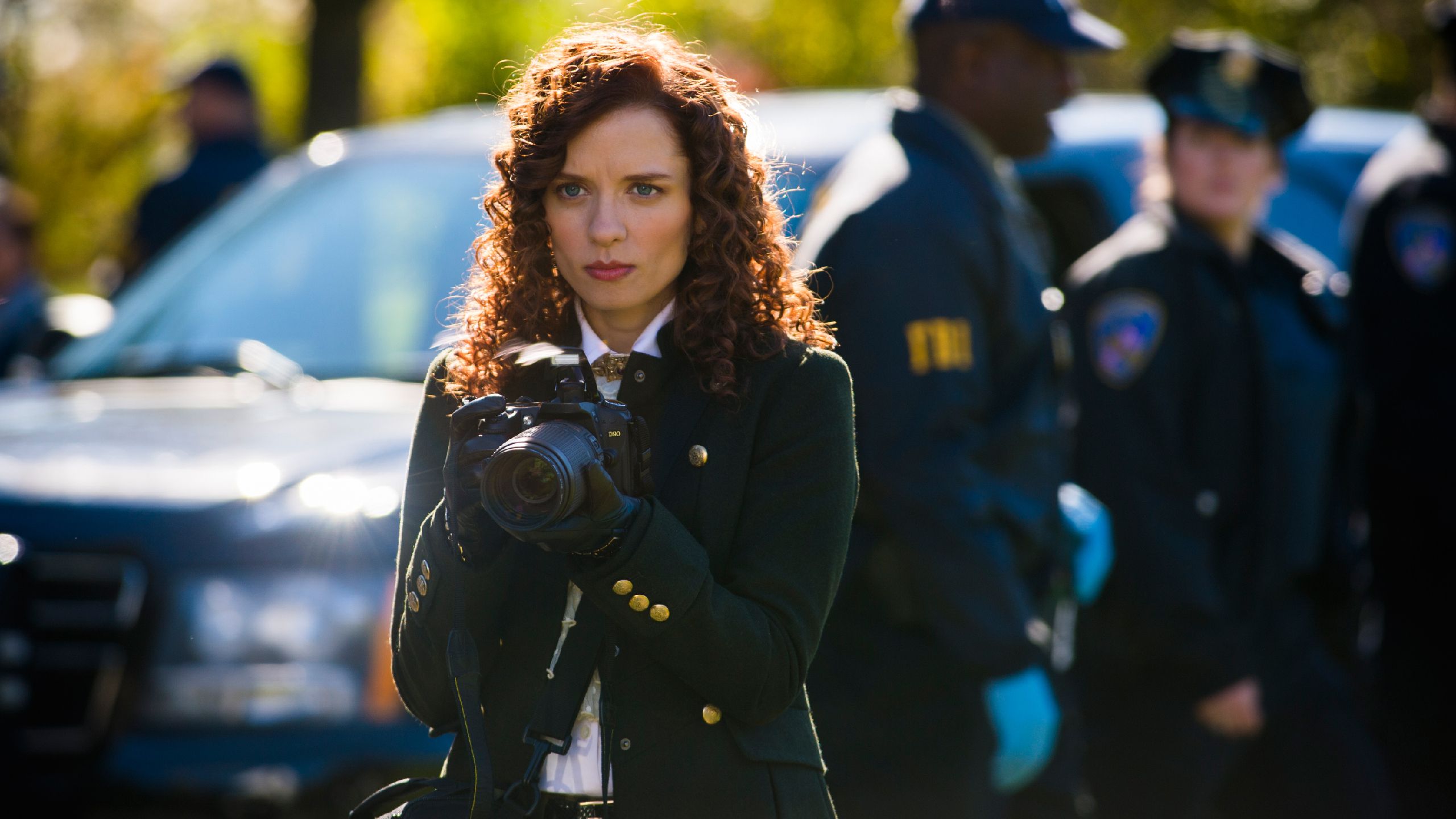
When we think about TV shows that really changed the landscape, many of them turn out to be crime dramas. While science fiction often pushes boundaries with special effects and dramas experiment with new formats, crime shows might not seem like the most innovative genre. However, crime series often reflect what’s happening in society, and our view of crime itself has evolved. Shows like The Wire and Adolescence have highlighted the social and systemic issues behind even the most terrible crimes. For decades, though, audiences have also been captivated – and disturbed – by portrayals of serial killers and the monsters who live among us.
Great TV crime dramas about serial killers face a tough hurdle: simply showing gruesome scenes isn’t enough to keep audiences hooked, especially when the topic is already so disturbing. That’s what made Mindhunter stand out. Inspired by the memoir of FBI profiler John Douglas, the show deliberately avoided excessive violence while still being deeply unsettling. Instead of focusing on solving crimes, it explored how criminal psychology developed, showing the flawed early days of profiling and featuring real cases that viewers might recognize.
Few shows compare to Mindhunter, which is why its cancellation was such a letdown for fans and considered one of Netflix’s biggest losses. However, Hannibal arguably had an even greater impact on both the horror and crime genres, and continues to be highly regarded. While controversial for its graphic imagery and departures from the source material, Hannibal has become a standout reboot, and surprisingly, shares a connection with Mindhunter.
Hannibal Combines Se7en’s Psychological Horror With True Detective‘s Flawed Characters
The character of Hannibal Lecter has appeared in quite a few films and TV series. He first appeared in Thomas Harris’ novel Red Dragon, alongside the character Will Graham. The Silence of the Lambs truly made Lecter famous, thanks to Anthony Hopkins’ unforgettable and chilling performance – widely considered one of the greatest villainous roles ever. Though later films didn’t quite reach the same heights as The Silence of the Lambs, they built upon the story and characters, creating a benchmark for psychological thrillers that still stands today.
When the TV series Hannibal was announced, some longtime fans worried about changes to established characters, such as Freddie Lounds, who was reimagined as a crime blogger. However, the show expanded these characters’ roles, giving them more depth than in the original novels by Thomas Harris. This creative approach ultimately made the series more compelling than a simple adaptation would have been.
Characters who initially served simply to move the plot forward in the original story became surprisingly popular in the TV series Hannibal. The show’s complex and imperfect characters, combined with strong acting, led many to compare it to True Detective, another series known for its excellent performances and character development. The strongest episodes of Hannibal were particularly well-written, especially in how they developed characters like Will Graham. Graham shared similarities with Rust Cohle, a character who would appear in True Detective a year later and, like Graham, grappled with the conflict between his intelligence and his own psychological pain.
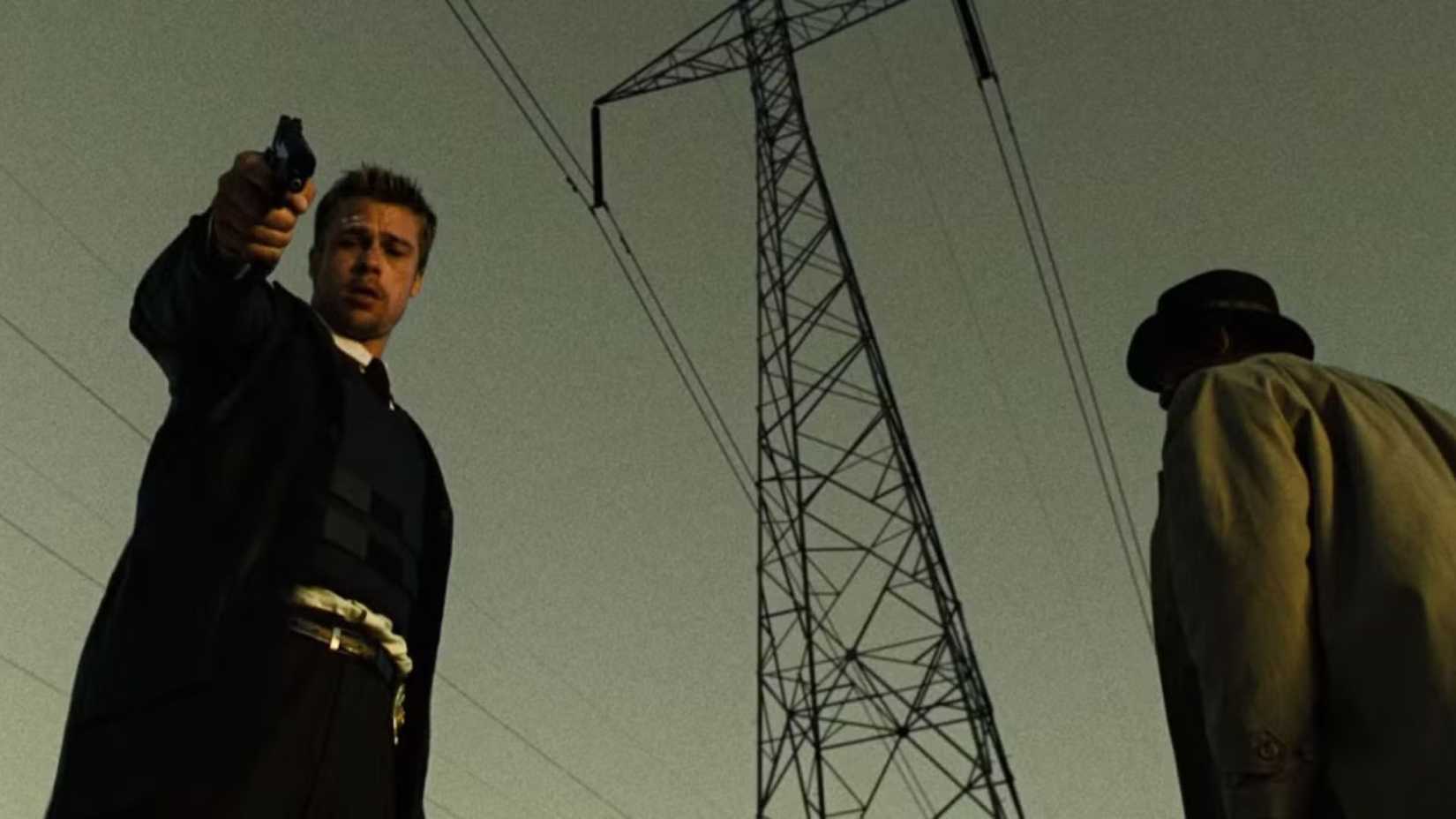
Both Mindhunter and Hannibal were exceptional at creating horror without relying on graphic violence. While Mindhunter demonstrated that terrifying stories didn’t need to show bloodshed, Hannibal went further, presenting disturbing scenes with a strangely beautiful aesthetic. The meticulously staged murders in Hannibal became iconic, resembling art – much like the unsettling crime scenes in David Fincher’s film Se7en. This psychological approach encouraged viewers to analyze these moments for deeper meaning, a practice echoed later by the characters Bill and Holden in Mindhunter, which was also directed by Fincher.
Mindhunter Wouldn’t Be The Same Without Hannibal

Although many people consider Mindhunter to be a superior show, The Silence of the Lambs paved the way for its creation. Silence of the Lambs famously won major awards – the “Big Five” Oscars – and has continued to influence the crime thriller genre ever since. Mindhunter’s impact has been more subtle. The two shows are connected in an interesting way, building on each other over the years. In fact, the real-life serial killer interviews conducted by John Douglas actually appeared as a plot element in The Silence of the Lambs, and Douglas served as the inspiration for the character Jack Crawford.
| Comparing Mindhunter with Hannibal | ||||
|---|---|---|---|---|
| Title | Year | Seasons | Rotten Tomatoes critics’ rating | Rotten Tomatoes audience rating |
| Hannibal | 2013 | 3 | 93% | 94% |
| Mindhunter | 2017 | 2 | 97% | 95% |
People have long been captivated by serial killers and their crimes. This fascination was evident in the success of The Silence of the Lambs, a highly acclaimed thriller that drew inspiration from real killers John Douglas had interviewed. This public interest ultimately led to the creation of Mindhunter, and also kept the legacy of Hannibal Lecter alive with its TV revival. While Hannibal and Mindhunter have distinct styles, they both stem from the same source: a deep-seated fascination with the psychology of monstrous individuals.
2026-07-25 01:58