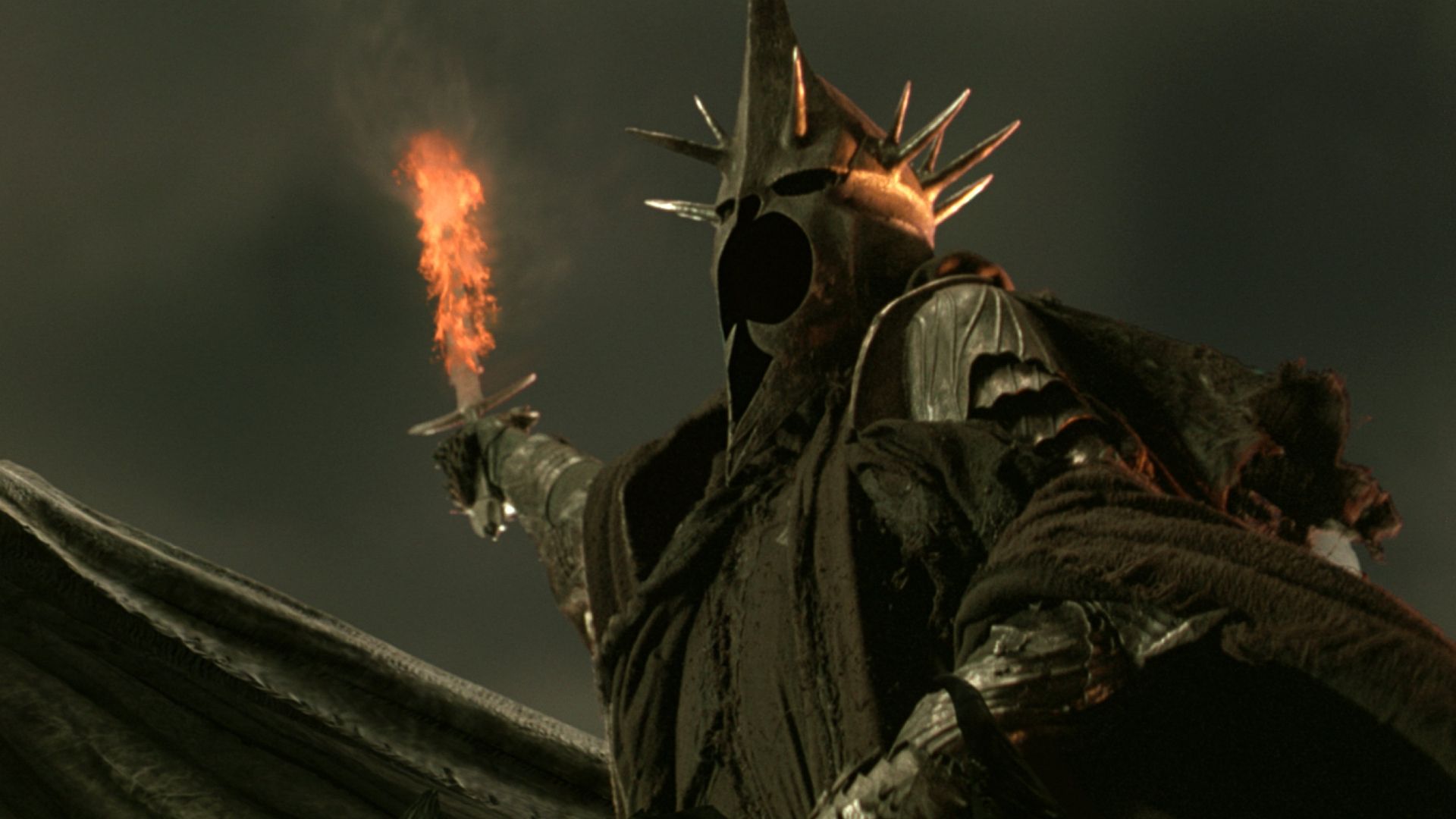
It’s not surprising to learn that season three of The Rings of Power will finally feature the Nazgûl. The show has always focused on Sauron’s creation of the powerful rings, which ultimately led to the forging of the One Ring. We’ve already seen elves with the Three and dwarves influenced by the Seven, so it was inevitable that the Nine would appear and find their bearers.
Season 3 of The Rings of Power will finally introduce the Nazgûl. This happens as Sauron attempts to take complete control of Middle-earth by subjugating its human kings. As fans of The Lord of the Rings know, these Ringwraiths—also known as the Ringwraiths—will remain fiercely loyal to Sauron for centuries, famously pursuing Frodo in The Fellowship of the Ring and battling alongside Mordor at the Battle of the Pelennor Fields.
As a huge fan of Tolkien’s world, one of the things I’ve been most curious about with The Rings of Power is who will become the Nine. Tolkien only actually named two of the Nazgûl – the Witch-king and Khamûl – and it seems like Khamûl is the only one who kept his original name when he fell under Sauron’s influence. That means a lot of characters in the show could potentially become one of the Ringwraiths in season 3, and I’m personally keeping a close eye on Theo and Kemen as likely candidates.
A new question has come up as The Rings of Power prepares for its third season. Along with the confirmation that the Nazgûl will appear, it’s been announced they’ll be known as “Nazgnagôl.” This name isn’t found in J.R.R. Tolkien’s original writings, but there’s a good reason why these characters are trying a new identity.
The Rings Of Power’s New Name For The Nazgûl Represents The Early Stage Of Their Corruption

According to J.R.R. Tolkien’s stories, Sauron gave nine Rings of Power to kings, including those from Númenor and Rhûn, and likely others from across Middle-earth. These kings were drawn to the rings by the promise of increased power and riches, and Sauron delivered on that promise. Each of the nine kings became more powerful and influential thanks to their agreement with Mordor.
Like the One Ring, the Nine Rings slowly corrupt the people who wear them, drawing them further under Sauron’s power. Eventually, those wearing Sauron’s Rings become ghostly shadows, stripped of their own free will and completely controlled by whoever possesses the One Ring.
The name “Nazgûl” means “Ringwraith,” a title earned because these figures appear ghostly and exist between life and death. In season 3 of The Rings of Power, the nine kings who would become the Nazgûl are still benefiting from the Rings’ power and haven’t yet fully become spirits. Because they’re still largely in the mortal realm, calling them “wraiths” or “Nazgûl” at this point wouldn’t be quite accurate.
According to co-showrunner J.D. Payne (speaking to Empire), the show uses the term “Nazgnagôl” to mean “Ring-servant.” This better reflects the current state of the Nine, who are falling under Sauron’s control. While they’ve allied with Sauron in season 3 of The Rings of Power, they are still individuals with their own identities. It’s important to note that Tolkien never actually used the term “Nazgnagôl.” Before becoming fully wraiths, these kings were simply known as allies of Mordor, without a specific group name. The new term fits, though, as villains in Middle-earth often change their names – just look at Melkor and Mairon.
It looks like The Rings of Power is going to explore the history of the Nazgûl more thoroughly than J.R.R. Tolkien ever did. By the end of season 3, we might even see some characters fully transform into Nazgûl – with their ghostly appearances and chillingly deep voices.
2026-07-24 19:28