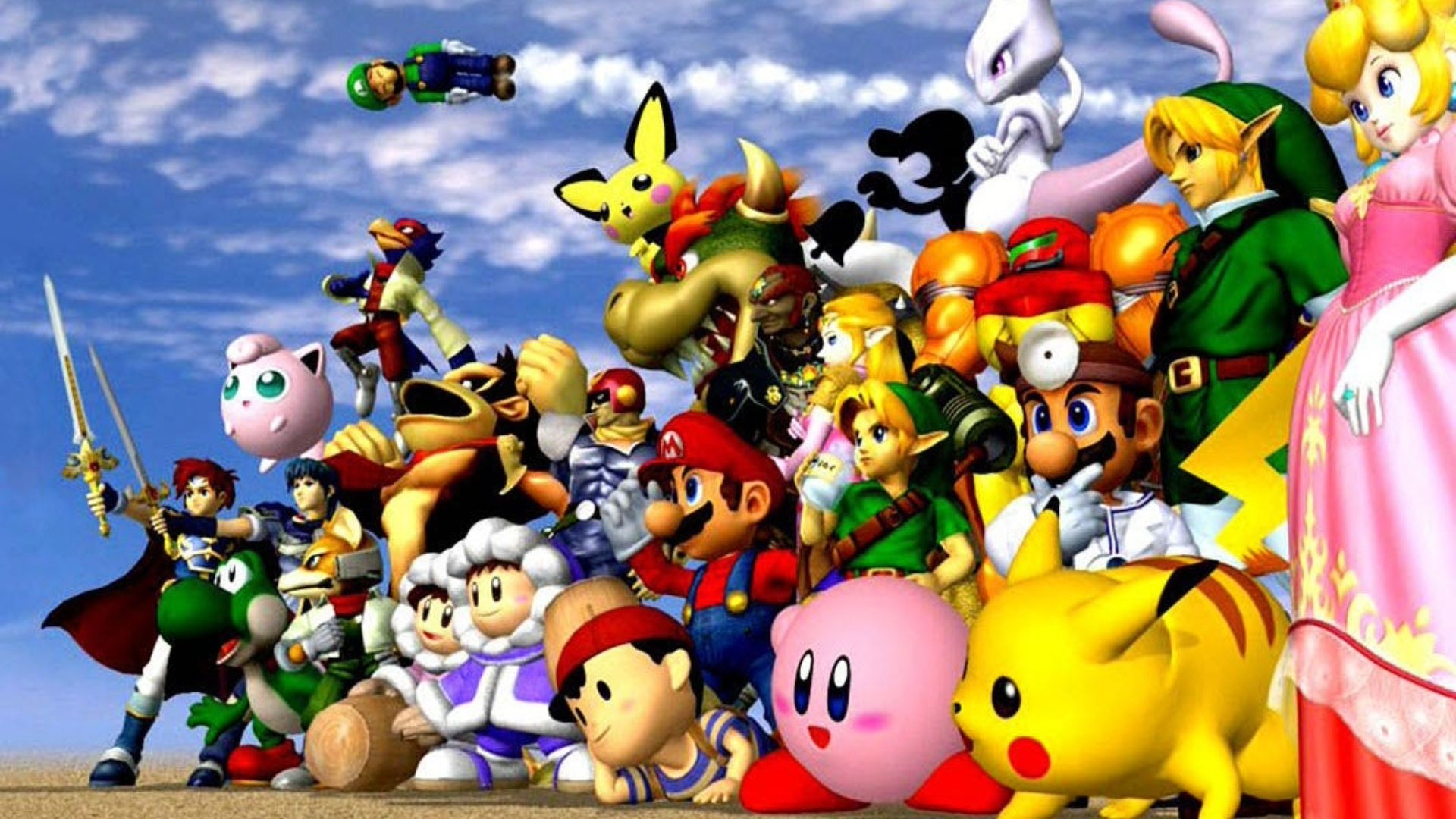
The GameCube was a time of exciting innovation in gaming, showcasing impressive technology and groundbreaking games. While Super Smash Bros. Melee became well-known for its competitive scene and devoted players, the console actually featured several other titles that were even better designed.
When comparing these games to Super Smash Bros. Melee, it’s about how much of a story they tell, how original the gameplay is, and how influential they were for single-player experiences. While Melee excelled at quick, in-person multiplayer battles, these four titles built huge, detailed worlds, created completely new ways to play, and really changed what their genres could be.
Soul Calibur 2 Transported Link From The Legend of Zelda to a Different Universe
Namco created a fighting game that brought the thrill of the arcade to home consoles, combining fast-paced action with thoughtful strategy. While Super Smash Bros. Melee was great for fun, casual play with friends, Soul Calibur 2 perfected the more technical and refined fighting experience.
The game’s combat felt incredibly satisfying with its smooth animations, ability to parry attacks, and complex system for breaking an opponent’s defense. Every move – whether attacking, dodging, or countering – had real impact. The GameCube version was particularly special because it included Link from The Legend of Zelda as a playable character, something other consoles didn’t have.
Link joined the battles, fighting with his famous Master Sword, Hylian Shield, boomerang, bombs, and bow alongside other great heroes. The game ran incredibly smoothly at 60 frames per second, with stunning stages and character movements that really showed off what the GameCube could do.
In addition to typical arcade and versus modes, the game featured a large solo campaign. This campaign felt like a strategy role-playing game, where players traveled across a diverse map completing battles, buying weapons, and discovering secrets.
Super Mario Sunshine Tasked Players With the Ultimate Clean-Up Job
Okay, so taking Mario away from the usual Mushroom Kingdom setting and putting him in this tropical paradise totally changed how we moved around in 3D platformers. It really built on what Super Mario 64 started, but Super Mario Sunshine added this awesome water pack called F.L.U.D.D. It wasn’t just for looks, though! I could spray water to attack enemies and use it to reach new areas – it was a game changer for getting around.
Mario’s ability to use water to float over gaps, blast into the air, and glide on wet surfaces created a feeling of incredible movement and power. Isle Delfino is widely considered one of the most well-designed and visually stunning central areas ever created for a platforming game.
The different areas connected to Delfino Plaza each felt lively and unique, offering a wide range of environments like bright amusement parks, busy harbors, polluted lakes, and spooky hotels. The game’s levels were cleverly designed, with creative goals, challenging bosses that changed during the fight, and classic platforming sections where you had to use your jumping skills and sense of space without any help from special equipment.
Super Mario Sunshine was a technical marvel for its time, boasting impressive water effects, realistic heat distortion, and a catchy tropical soundtrack that made playing incredibly enjoyable. Unlike Melee, which relied on familiar elements for fast-paced multiplayer, Sunshine presented a large and detailed world designed to challenge players’ platforming skills.
The Legend of Zelda: The Wind Waker Was the Perfect Follow-Up to the N64 Games
This ambitious game first turned heads with its unique, cartoon-like graphics, which weren’t immediately popular with everyone. However, thanks to its distinctive art style – combining stylized visuals with advanced lighting and expressive characters – it has stood the test of time and still looks fantastic today.
The Legend of Zelda: The Wind Waker created a feeling of vastness and adventure by letting players sail Link across a huge ocean on the King of Red Lions. The game perfectly combined sailing and exploring with the traditional Zelda experience of solving puzzles in dungeons.
Players navigate a vast world of 49 islands using the Wind Waker baton to control the wind and sail across the sea. They’ll discover hidden treasures, underwater caves, and face off against enemies. Battles are fast-paced and engaging, with responsive attacks, powerful weapons to find, and a lock-on system that makes each fight feel epic while staying true to the classic Zelda gameplay.
Despite its bright and cheerful appearance, this installment offered one of the most heartfelt stories in the series. It beautifully dealt with the idea of leaving behind painful memories and creating a hopeful future, all supported by a stunning soundtrack that combined classic orchestral music with the sounds of Irish folk music.
Resident Evil 4 Turned Leon Kennedy Into an Unforgettable Hero
Resident Evil 4 completely reimagined survival horror games, creating a truly memorable experience with its carefully controlled speed, engaging combat, and intensely suspenseful atmosphere. Unlike previous games in the series, it moved away from clunky controls and fixed camera angles, instead offering a new over-the-shoulder viewpoint and a precise aiming system with a laser sight.
This new aiming system let players precisely target enemies, letting them disarm opponents or take them down with well-aimed shots. The game’s story is a masterclass in building tension, with dangers steadily increasing as players move from a small European village to a massive castle and finally a remote military base.
Opponents were quick, clever, and worked together, so players had to control the environment by knocking down ladders, climbing through windows, and using kicks in close combat. Keeping track of collected evidence felt like a puzzle, and earning money to buy and improve weapons from a secretive Merchant made the game feel rewarding as you advanced.
The GameCube version was a remarkable technical achievement for its time, boasting impressive graphics, realistic character animation, and truly frightening sound effects. It set a new standard that impacted game development for years to come, becoming a model for how to create immersive experiences.
2026-07-23 20:42