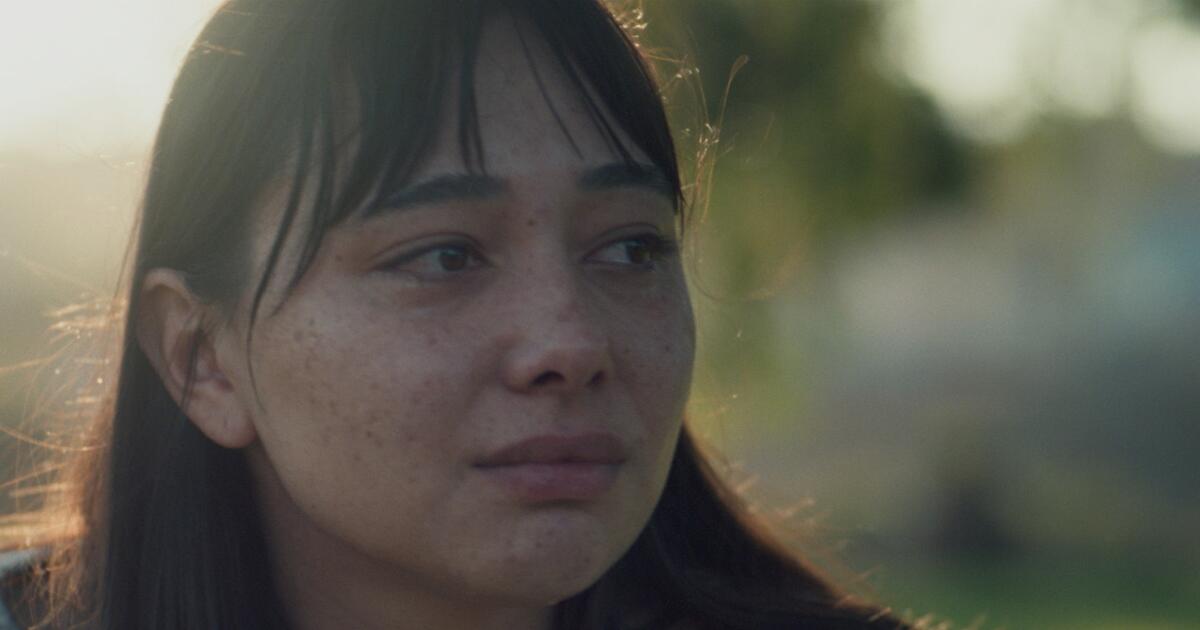
I remember being a teenager and totally obsessed with the Beatles’ White Album. I loved the band, but there was one song, “Helter Skelter,” that just didn’t click with me. Honestly, I hadn’t even heard of Charles Manson back then, so the song’s meaning was completely lost on me.
She remembered being shocked when she looked up the song online and the first result was Charles Manson. He’d claimed the song reflected his idea of a racial conflict, which she found baffling. She thought to herself, ‘How could anyone interpret it that way?’ She added that he seemed disconnected from reality.
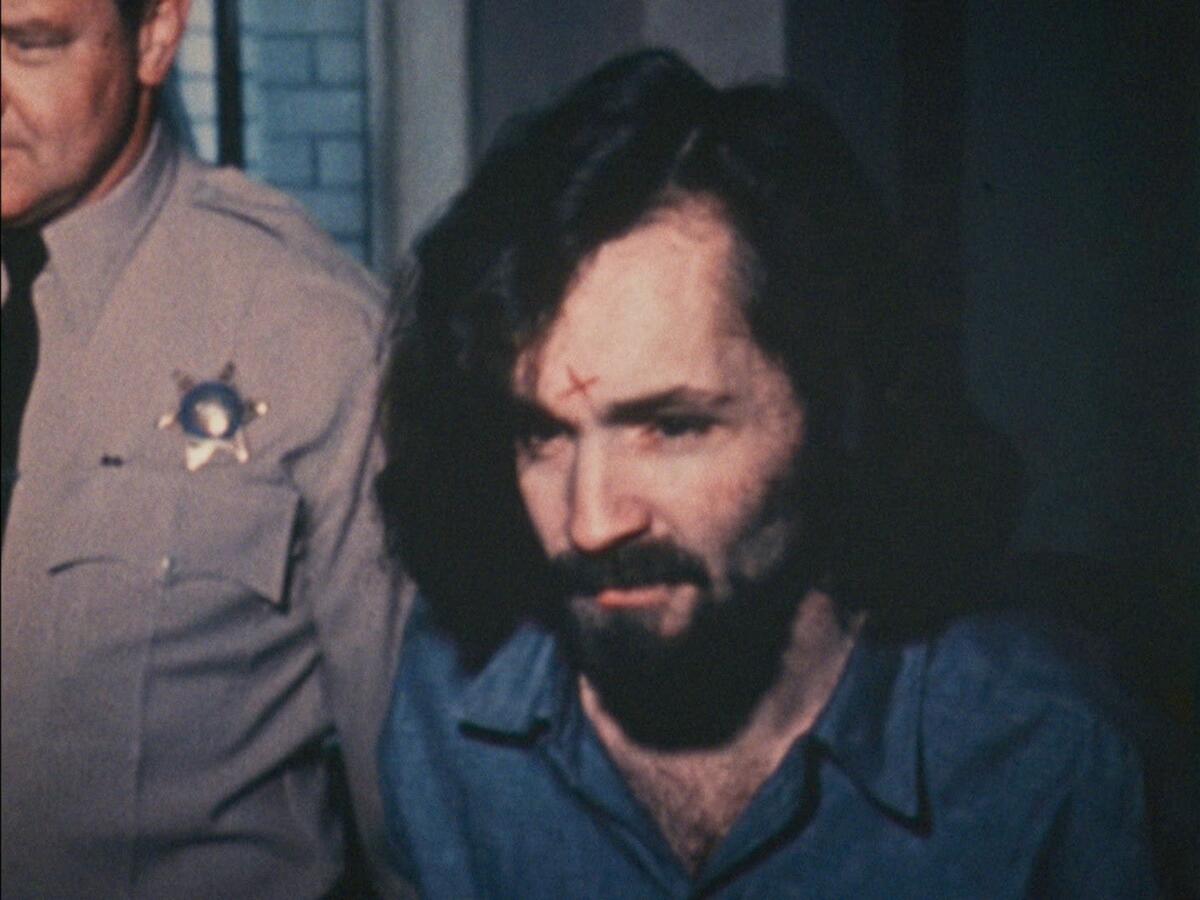
Years later, after watching Quentin Tarantino’s “Once Upon a Time…In Hollywood,” she learned more about Charles Manson and how he orchestrated the shocking 1969 murders of actress Sharon Tate and others, crimes that deeply disturbed the country.
Roughly ten years after initially learning about Charles Manson, she received a shocking revelation: she discovered she was actually his granddaughter.
“My Grandfather Charles Manson,” premiering Wednesday on Hulu and Disney+, centers on the shocking truth and intense emotions surrounding Charles Manson’s family. Directed by Maddox and Alexandra Orton (known for “Out There: Crimes of the Paranormal”), this film offers a uniquely personal perspective within the already extensive collection of books and movies about Manson.
In the beginning of the film, Maddox breaks down to her therapist, revealing, “I come from a murderer. Who would accept me?” She later reflects on how this discovery led to a very dark time in her life, questioning, “How could someone in my family do something so terrible? How could my own blood be responsible for the suffering of others?”
Haunted by the possibility that she shares a family connection with Charles Manson, one of history’s most infamous criminals, Maddox begins researching him. She hopes to understand what drove him and, in doing so, learn more about her own background.
Her research involves speaking with people who used to be part of Charles Manson’s group, those connected to them, experts on the case, Stephen Kay – the former prosecutor – and other relevant individuals.
The documentary explores Charles Manson’s life, starting with a difficult childhood marked by frequent stays in youth facilities and jails. It includes plenty of original news reports about the murders and subsequent trials. The film also features interviews with Manson himself, including a strange conversation he had with NBC’s Tom Snyder while in jail in 1981.
In August 1969, Charles Manson directed his followers to commit a series of murders. On the night of August 9th, they killed actress Sharon Tate, Roman Polanski’s wife, and several others at her home in Benedict Canyon. The next night, they murdered Leno and Rosemary LaBianca at their house in Los Feliz.
Manson died in 2017 behind bars at the age of 83.
This documentary really centers around my connection with my dad, Daniel Arguelles. He was an aspiring actor, and when I was growing up, he documented everything. Seriously, he filmed constantly, and we were basically glued to each other back then. It’s all there, every moment of my childhood as he saw it.
He grew up without knowing his father’s identity. Later in life, a DNA test revealed Charles Manson was his father, which deeply affected his mental health and worsened throughout the documentary. This led to increased conflict with the filmmaker, as well as outbursts during an interview with a friend of Manson. The film also captures a heated argument between him and his daughter in her car, highlighting the breakdown of their previously strong relationship.

The revelation “shattered our world,” Maddox says in “My Grandfather Charles Manson.”
Despite everything, Maddox, now 26, feels good about the documentary and doesn’t regret making it. She believes she was meant to explore her grandfather’s story, saying, “It always felt like this was my path – like it was destiny.”
Orton and she recently sat down for a video interview to talk about how Manson affected her life and her current relationship with her father. The interview was shortened and clarified for easier viewing.
Sophia, could you describe the difference between your initial reaction to learning Charles Manson was your grandfather and how you felt after completing the documentary?
When I first found out, honestly, I just felt completely lost and terrified. It was like the floor dropped out from under me, and I kept wondering if there was some kind of error, some mistake. It felt like this was something I’d have to live with forever, and the thought was incredibly overwhelming. It was a really unsettling feeling, like I was stuck, bound to this news for the rest of my life.
Now that it’s finished, I feel really confident and have learned so much along the way. I finally feel free to live my life on my own terms, without being held back.
When did you feel things started to change?
I realized who I was through a combination of therapy, research, and talking to many different people. It meant a lot that those I interviewed were so supportive and assured me I wasn’t defined by my grandfather or the past. That encouragement, both in therapy and from them, really helped me understand myself.
We’ve noticed you sometimes talk to Sophia when she’s having a hard time, Alexandra. Were you trying to offer her support and help her work through things?
I’m not a therapist, but making a documentary requires people to be very open and share difficult experiences while still feeling somewhat protected. Sophia was dealing with these intense emotions both as someone being filmed and as a director, and I tried to support her through that. It’s a massive undertaking for anyone, even experienced filmmakers. Sophia took on this project entirely on her own, and I think this first film will be the most challenging thing she ever makes.
Allie was a huge support for me, helping me transition from being in front of the camera to directing, and generally making me feel encouraged throughout the process.
I’ve worked on many documentaries featuring people grappling with difficult experiences on camera, and it can be challenging. But this project’s team was exceptional – they were deeply committed to supporting Sophia with kindness and care throughout the entire process.
Did this project initially begin as you and your dad simply documenting and understanding what you were finding? And then did the focus change? It sounds like the more you investigated, the more complex and unsettling things became.
I felt like the story came to life as I watched it, particularly in darker scenes. I really wanted to understand who my grandfather was as a person. My dad didn’t know this man was his biological father for sixty-two years – and I only found out when I was twenty-two. So, I began to wonder how that would affect our relationship, which had always been difficult. It made me think about why my dad used to tell me we were cursed as a child; he’d often say something like, ‘Our family is just cursed.’
You know, watching this film really brought a lot up for me. It made me think about my own upbringing – how my dad instilled a real strength within me, enough to even tackle something like this. And that’s what’s so powerful about it; it feels like a genuine attempt to break those old family patterns and heal past hurts. Seeing progress across generations is inspiring. I realized pretty quickly I couldn’t just process all of this internally – the story needed an outlet, a form to take shape. Keeping it bottled up was honestly becoming overwhelming.
I see you and your dad as creative people. It makes perfect sense that you’d express everything you experience through art. It’s similar to how Taylor Swift turns a difficult breakup into a song – it’s a natural outlet.

The documentary begins by showing a loving relationship between you and your father, with beautiful childhood photos. Then, it depicts a change in him and, eventually, his leaving. How did making this film affect your connection with him? Did it create further distance between you?
Maddox explained he was attempting to help his father consider another viewpoint. He believes it’s simpler to change someone’s mind when they’re young and open-minded, rather than later in life when their beliefs are firmly established and harder to shift.
I hoped we could work together as a team and avoid letting misunderstandings create problems. But this movie represents my point of view – it’s my story, not his. Looking back, it’s clear our connection was bound to shift because I took the lead in telling it. He had the option to participate more fully, but he chose not to, and that’s okay; everyone processes things differently. I have no regrets about how things unfolded. My life experiences and resources simply led me down a different path.
What is your relationship with your father now?
Maddox: I haven’t spoken to him since that fight in the car. But my door is always open.
Do you think he would watch this film?
Maddox: I don’t know. It would be a tough watch, knowing him. He doesn’t like to watch sad things.
What do you hope viewers come away with?
I’ve been listening to a lot of Disney songs lately, and they really highlight the idea that everyone deserves a fulfilling life if they try their best – it doesn’t matter what background you have or where you come from. Your dreams are valid too.
For me, hearing that really hit home. It’s like, knowing your history shouldn’t define what happens to you. Absolutely understand where you came from – it’s important! But ultimately, you get to decide who you are and what you do. That knowledge? That can be incredibly powerful, helping you change patterns in your life that might have otherwise felt impossible to break. It feels like a real key to taking control.
2026-07-22 13:33