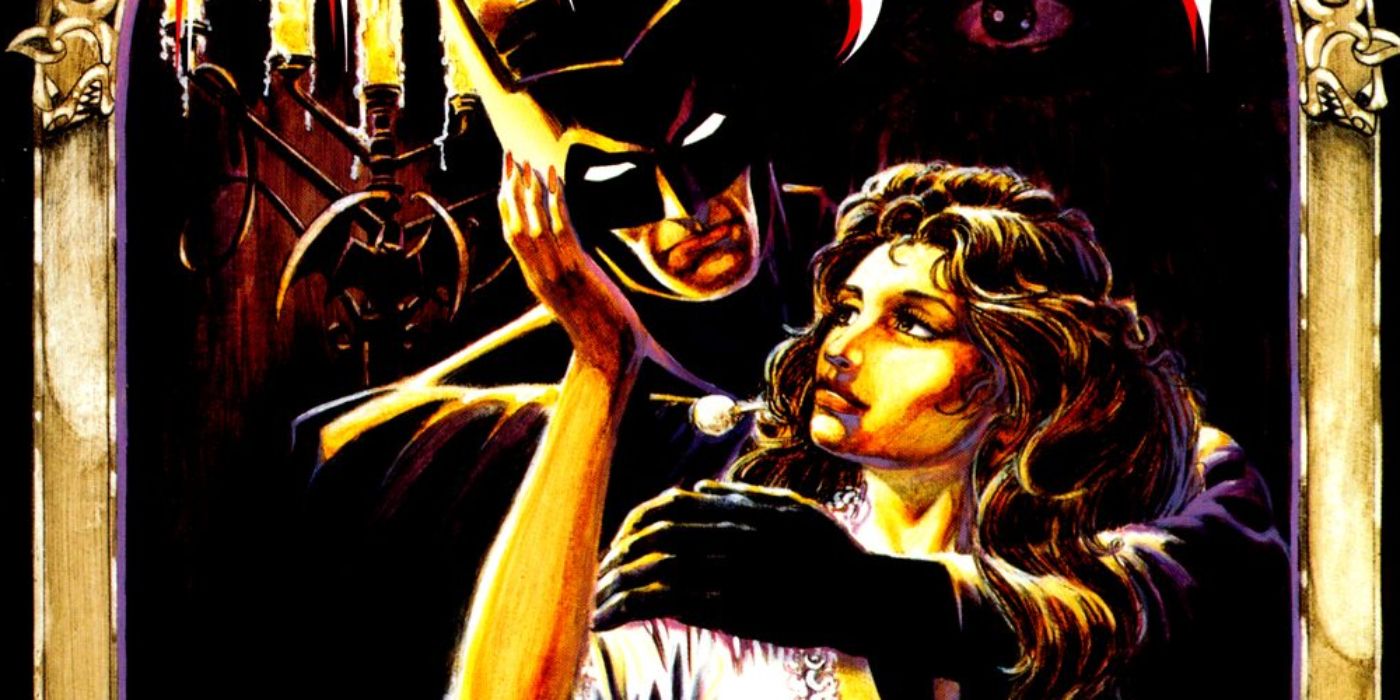
In 1989, DC Comics created its own version of Marvel’s What If…? series with the Elseworlds imprint. However, over the years, it has lost sight of what initially made it so successful. Launched when DC was aiming to offer fresh takes on familiar stories, the line drew in top creators to reimagine iconic characters. Fans have increasingly expressed a desire for Elseworlds to recapture its original spirit.
From 1989 until the New 52 era, DC’s ‘Elseworlds’ line let talented writers and artists create fresh takes on classic characters with different genres, settings, and artistic approaches. While the imprint has been brought back, some recent stories haven’t been strange or imaginative enough. But Elseworlds should be known for being wonderfully weird and unexpected.
Elseworlds Should Be More Than DC Comics’ What If…?
DC’s alternate universe series wasn’t a direct copy of Marvel’s What If…? While Marvel used its series to playfully answer fan questions and explore different outcomes for key events, DC aimed for something distinct. Though some stories did play with ‘what if’ scenarios, the main goal was to radically reimagine DC’s established history and characters, often transforming them into interpretations inspired by classic literature.
Over time, many writers have begun to treat the Elseworlds line of comics like other mature-readers lines, such as Black Label. What originally made Elseworlds special was its willingness to dramatically reimagine the DC Universe, even combining it with completely different franchises. A great example is Batman & Tarzan: Claws of the Catwoman by Ron Marz and Igor Kordey, which brilliantly mixed the worlds of Batman and Tarzan. Importantly, this series even offered fresh takes on established villains – Two-Face was reimagined as a corrupt archeologist, a significant departure from his usual portrayal as a gangster obsessed with flipping a coin.
While Marvel’s What If…? focuses on alternate timelines, DC’s Elseworlds has always excelled with stories that make a strong point. These comics go beyond simple fan discussions and often delve into the core of iconic characters like Superman and Batman. Mark Waid and Alex Ross’ Kingdom Come is a prime example, powerfully capturing the cultural impact of older superheroes. It arrived at a time when grim and gritty antiheroes were everywhere, offering a much-needed message about the importance of lasting values.
DC’s Elseworlds Approach Is Too Obsessed With Popular Characters
When it was first published in 1989, one of the things that made this story so strong was its refusal to fall back on familiar DC characters. Instead of having readers play a guessing game about the identity of Jack the Ripper by reimagining classic villains, the author created a version of the infamous killer who was simply an average person. He also didn’t focus heavily on trying to fit Gotham City into the historical context of late 19th-century America. The unique combination of genre and setting was the central idea, rather than just retelling the Batman versus Joker story with a new coat of paint.
Comics like Batman/Dracula: Red Rain, Gotham By Gaslight, and Justice Riders successfully explored new genres and settings. Instead of simply recreating Gotham and Metropolis in different styles, these stories felt genuinely unique. They also showcased a diverse range of approaches – from Westerns and war stories to pulp adventures and steampunk – which kept things fresh. The goal is to create worlds that feel unfamiliar; the more distinct they are, the better. Once readers figure out a story’s central idea, predictability sets in, and writers should strive to avoid that.
The Elseworlds line aims to be a true collection of graphic novels, exploring the rich history of its characters and the superhero genre itself. DC’s Black Label provides space for straightforward alternate stories within the main universe. However, the ‘89 imprint should strive for more – it needs to showcase truly exceptional takes on iconic heroes like Wonder Woman and Superman, even if that means dramatically reimagining them. This line was once known for ambitious concepts like a Justice League adventure inspired by The Island of Doctor Moreau or the creative work on Batman: Castle of the Bat, but some recent books haven’t lived up to that standard.
Elseworlds Has to Be DC’s Risky Imprint
DC’s Black Label and Elseworlds are meant to be very different from each other. Black Label should focus on mature, movie-like stories within the DC Universe, while Elseworlds is designed for bolder, more experimental takes. Readers shouldn’t pick up these books just to see familiar characters in slightly altered situations – the most successful ones completely reimagine heroes, making them feel fresh and unexpected.
These stories – both miniseries and graphic novels – should be creatively strange, unconventional, and willing to take chances. When DC writers just retell familiar stories with the same characters in a slightly different setting, they aren’t fully embracing the exciting possibilities that the Elseworlds line offers for truly original ideas.
2026-07-22 06:40