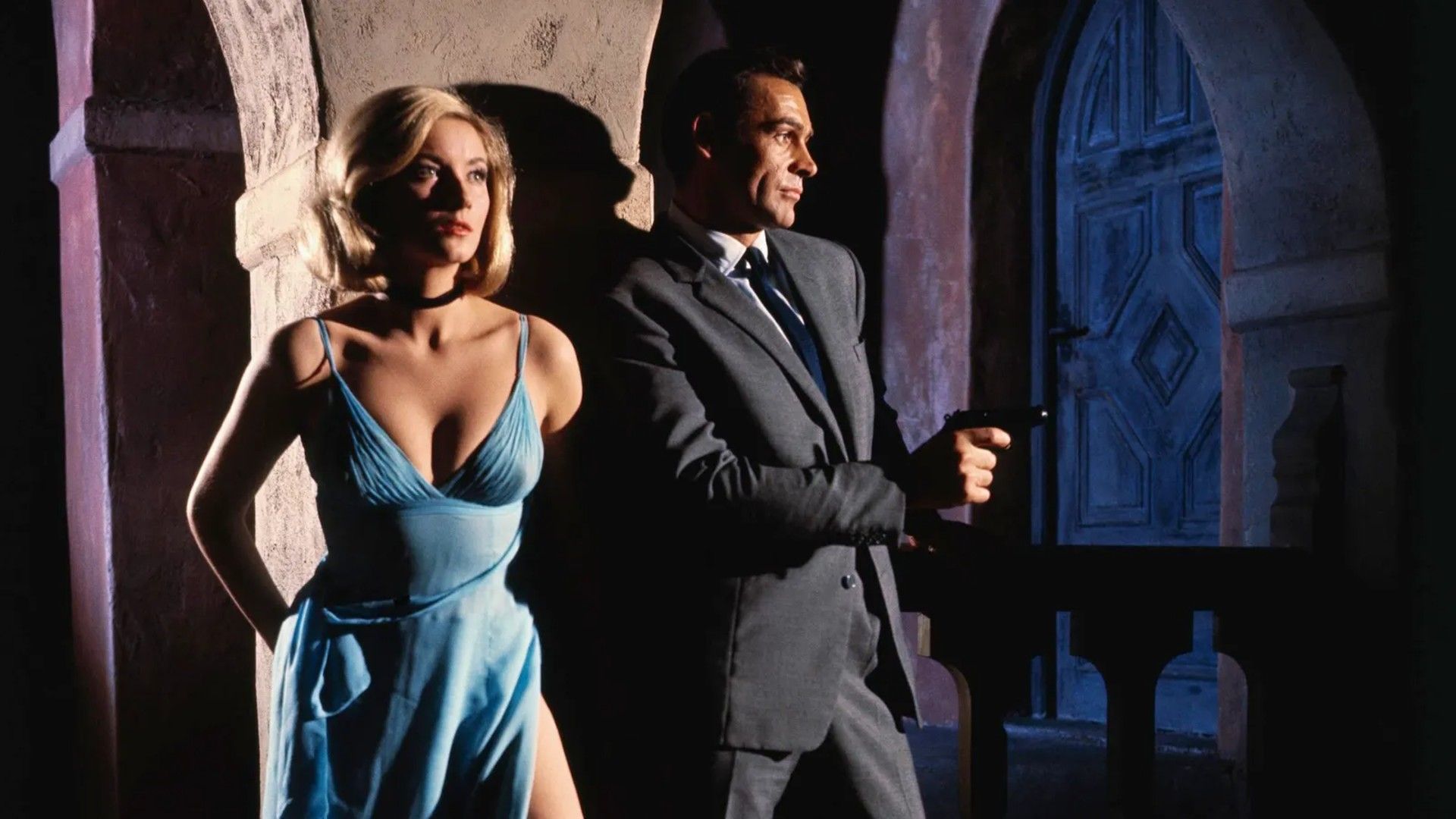
Spy movies have been a part of cinema almost from the very beginning, changing and developing along with real-life spying, global worries, and new filmmaking techniques. Whether it’s old silent films or today’s sophisticated dramas, the genre has consistently adapted. The best spy films offer more than just surprising plots and cool gadgets—they reflect the feelings of the time they were made in and show us new ways to tell spy stories.
Spy movies vary widely – some focus on gritty realism and complex moral questions, while others offer pure entertainment and memorable style. But all of them have significantly impacted popular culture. These films weren’t just successful when they came out; they influenced how all subsequent spy stories were created, from the writing to the acting and filmmaking. Covering a century of cinema, these films showcase the spy genre at its most intelligent and suspenseful.
Spione (1928)

Fritz Lang’s Spione (Spies) is a pioneering and highly impactful spy thriller, and many films in the genre still follow its basic structure today. Made during Germany’s Weimar period, the movie combines criminal plotting, international spying, and romance in a story that feels surprisingly modern. The villain, Haghi, uses secret networks, coded communications, and financial schemes – tactics that seem remarkably relevant even now.
The film Spione is grand in scope, featuring impressive sets, a fast-moving plot, and international intrigue that came well before the James Bond series. Crucially, Spione portrays espionage as a subtle battle for information, not just physical confrontation.
With its use of dark settings and hidden spaces, the film Spione essentially created the visual style we now associate with spies in movies. Even today, nearly a century later, Spione is a thrilling, important piece of film history, and a key influence on filmmakers of all types around the world. It demonstrates that complex spy stories existed well before the advent of talking pictures.
Tinker, Tailor, Soldier, Spy (2011)
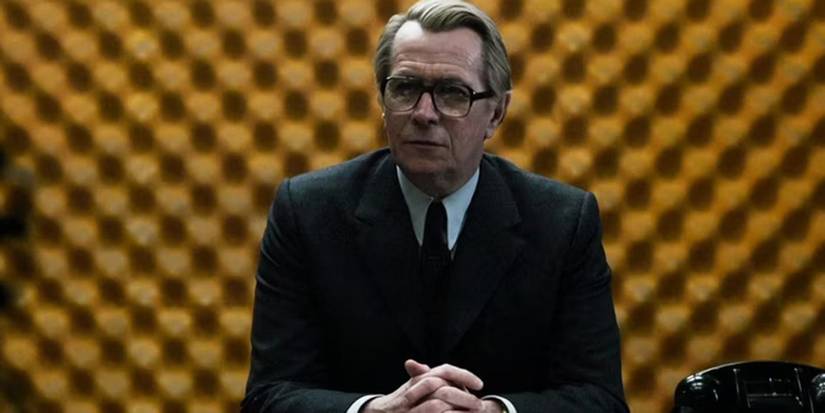
Thomas Alfredson’s film version of John le Carré’s Tinker, Tailor, Soldier, Spy is a brilliant example of mature, subtle spy filmmaking. Instead of relying on big action scenes, the movie builds tension through quiet moments, meaningful looks, and a sense of unsettling bureaucratic atmosphere. It completely draws the audience into the feeling of Cold War anxiety.
Gary Oldman’s portrayal of George Smiley is intentionally subtle and reserved. He’s a spy who succeeds through careful observation and keeping his feelings hidden, not through bold displays of courage. The film Tinker, Tailor, Soldier, Spy also challenges viewers, expecting them to piece together a complex story with shifting timelines and realistic, detailed conversations. The film’s dim colors and careful attention to detail create a sense of a world where hope and confidence have faded.
These days, every interaction feels calculated, and trust in relationships is constantly undermined. The series Tinker Tailor Soldier Spy proves that spy stories can be incredibly smart and tense without relying on loud action. It paints a chilling picture of how secrecy can destroy loyalty within organizations founded on deception and anxiety.
Goldfinger (1964)
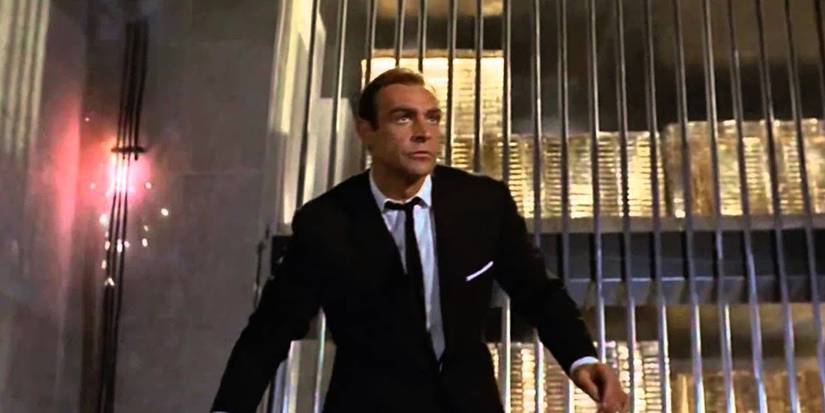
With Goldfinger, the James Bond films truly hit their stride and set the standard for spy movies. Sean Connery brilliantly portrays Bond as a cool, dangerous, and charming hero, and the film expertly mixes lighthearted moments with real tension. The villain, Auric Goldfinger, is one of the most iconic in the genre, remembered for both his elaborate plot and his unsettling calm.
The impressive sets in Goldfinger, like the laser table and Fort Knox, set the standard for the big, exciting action scenes we now expect in spy movies. The film’s famous music, composed by John Barry and sung by Shirley Bassey, adds to its over-the-top feel. But Goldfinger is also well-paced and easy to follow, keeping the story clear and suspenseful.
It’s hard to overstate how much of an impact Goldfinger had. Many spy movies since have either copied it or deliberately tried to be different from it. Beyond just being a fun movie, Goldfinger essentially created a formula that changed the spy genre and continues to influence big action movies today.
The 39 Steps (1935)
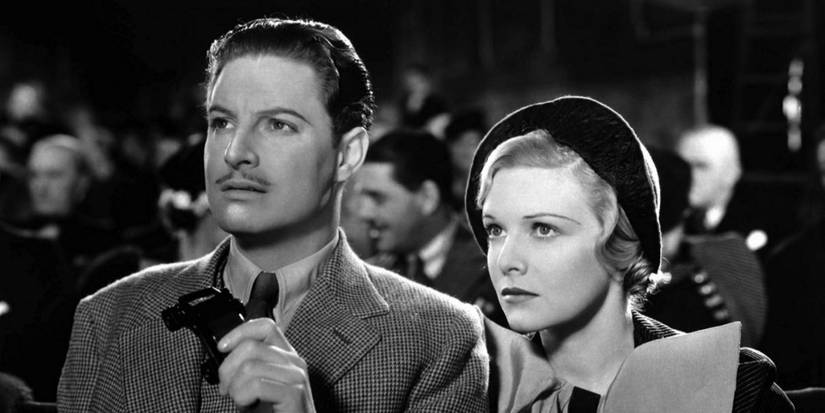
Alfred Hitchcock’s The 39 Steps is a landmark film, connecting the early days of thrillers to the spy movies we know today. It essentially created the now-common plot of an ordinary person wrongly accused and forced to go on the run. The film features Robert Donat as an unwilling hero caught up in a world of spies, secret groups, and widespread fear, and it tells this story with impressive efficiency.
Hitchcock’s films keep you on the edge of your seat, blending humor and suspense perfectly. The iconic scenes, like the handcuff escape and the chase across the country, still feel fresh and exciting today. But beyond the fun and thrills, the movie cleverly explores themes of fear, false information, and government secrets.
The 39 Steps essentially established many of the storytelling patterns still used in spy stories today. It showed how a thrilling plot could be clear, well-developed, and feature compelling characters, all while appealing to a wide audience. Its impact can be seen in thrillers and spy films around the world for decades.
Three Days Of The Condor (1975)
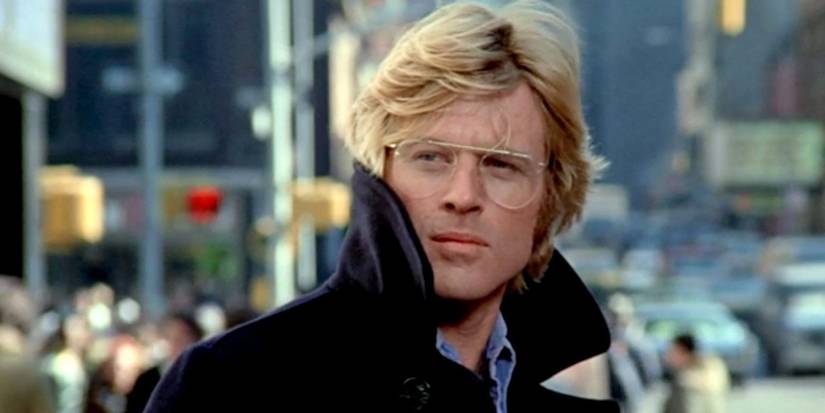
Three Days of the Condor is a prime example of the tense, politically-focused spy thrillers of the 1970s. Released after the Watergate scandal, the movie portrays a world where spying isn’t glamorous, but filled with worry and questions about right and wrong. Robert Redford plays an ordinary man who gets caught in a dangerous situation, realizing powerful organizations will easily sacrifice people to maintain control.
Sydney Pollack’s direction focuses on creating a realistic feel, favoring city settings and subtle conflicts over grand displays. As a result, the tension in Three Days of the Condor stems from a sense of unease, where you can’t trust anyone and information is often misleading. The film’s love story highlights how a culture of constant monitoring can impact personal liberty.
Even today, Three Days of the Condor feels strikingly current. The film powerfully shows how intelligence organizations can shift their focus from protecting the country to protecting themselves. It’s a rare spy thriller that turns widespread anxieties into a personal, gripping experience, with acting and ideas that stay with you long after you’ve finished watching.
The Manchurian Candidate (1962)
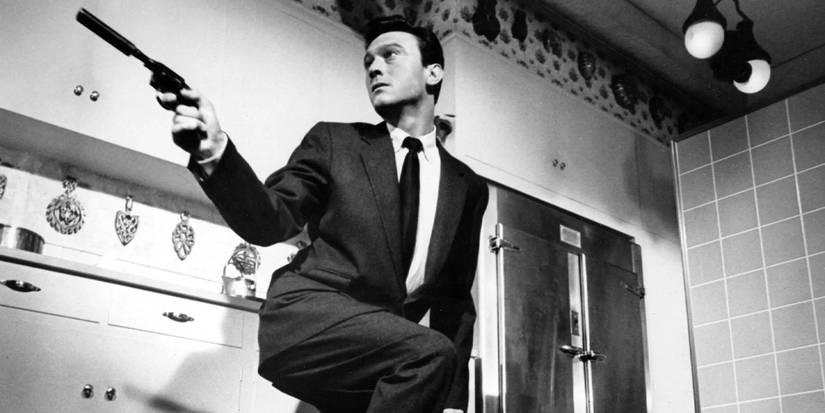
John Frankenheimer’s The Manchurian Candidate is a remarkably disturbing spy thriller. It cleverly uses the anxieties of the Cold War – specifically fears about brainwashing, political control, and secret influence – to create suspense. Instead of showing spies on grand adventures, the film argues that the biggest dangers actually come from within the organizations and people we trust.
Frank Sinatra gives a powerful and dramatic performance as a soldier who discovers a conspiracy that’s both bizarre and disturbingly believable. Angela Lansbury is unforgettable as a manipulative and frightening villain, essentially creating a new standard for spy movie antagonists. The film itself is unique, blending a complex story with unsettling visuals to create a feeling of psychological horror within the espionage genre.
Even after all these years, The Manchurian Candidate remains a powerful and unsettling film. Its ideas about false information and controlling people’s beliefs are still incredibly relevant today. It’s a spy thriller that does more than just entertain – it truly disturbs you, and few films in the genre have explored political and emotional themes with such depth since.
From Russia With Love (1964)

Though Goldfinger truly made James Bond a household name, From Russia With Love refined what the series would become, focusing on suspenseful storytelling. Unlike some later films, it feels more like a realistic spy thriller than a flashy action movie, placing Bond in a gritty world of deceit and carefully planned violence.
Sean Connery delivers a particularly strong and nuanced performance, showing a Bond who relies on his wits and instincts to survive, rather than simply being invincible. The film cleverly uses the Cold War setting, depicting SPECTRE as a shadowy organization pulling the strings of world powers. Robert Shaw’s portrayal of Red Grant is arguably one of the most menacing villains in the entire series, presenting a ruthless and uncharming reflection of Bond himself.
The train sequence in From Russia With Love is a perfect example of how to build suspense. The film showed that spy movies could be both exciting and thought-provoking, and it inspired future Bond films – and the genre as a whole – to focus on realism and genuine stakes rather than over-the-top action.
North By Northwest (1959)

As a total movie buff, I always say that Alfred Hitchcock’s North by Northwest is just incredible. It’s this amazing mix of spies, a bit of romance, and a really fun case of mistaken identity. Honestly, it completely changed what a stylish spy thriller could be. Cary Grant is fantastic as an ad man who suddenly gets pulled into this huge international plot, and it really plays into Hitchcock’s thing of putting totally normal guys in unbelievably crazy situations.
The film is famous for its thrilling scenes, like the crop duster chase and the showdown at Mount Rushmore, which are still considered incredibly creative and suspenseful. But beyond the exciting action, the movie is carefully crafted with a strong sense of timing and well-developed characters. Eva Marie Saint’s character adds emotional depth, making it hard to tell whether she’s an ally or a danger.
While North by Northwest isn’t concerned with being realistic, its skillful execution and assured style had a huge impact, shaping everything from James Bond films to today’s action thrillers. It’s a prime example of espionage done purely for entertainment, proving that intelligence, humor, and grand spectacle can blend perfectly in a genre that often takes itself too seriously.
The Lives Of Others (2006)

The film The Lives of Others offers a fresh take on the spy genre, exploring themes of surveillance and what it means to have a conscience. It provides a uniquely human look at the world of intelligence. The story unfolds in East Germany before the Berlin Wall came down, and centers on a Stasi officer who is assigned to watch artists considered to be politically problematic.
The film doesn’t rely on dramatic action; instead, it builds suspense through careful observation, subtle questioning of those in power, and the resulting unease. Anchored by Ulrich Mühe’s nuanced performance, the story depicts a deeply personal and heartbreaking moral shift. It shows how relentless surveillance damages everyone involved, transforming spying into a form of emotional harm.
Beyond typical spy movie tropes, The Lives of Others stands out for its realistic detail and thought-provoking moral questions. It shows how stories about intelligence gathering can be deeply affecting, examining themes of compassion, regret, and defiance in the face of control. The film creates a powerful and lasting emotional experience that’s uncommon in the thriller genre.
The Third Man (1949)

Carol Reed’s The Third Man is a captivating and unsettling spy thriller set just after World War II. The film blends the dark, stylish visuals of film noir with the suspense of espionage. Vienna, still recovering from the war, isn’t just a backdrop – it feels like a character itself, representing a breakdown in values and a divided society. The story follows a somewhat innocent man, played by Joseph Cotton, as he discovers a web of lies surrounding a friend from his past.
And then, the film delivers that reveal – honestly, one of the most iconic moments in movie history. But beyond that, Orson Welles as Harry Lime? He’s absolutely captivating. He’s charming, yes, but also genuinely frightening, and completely unforgettable. Welles perfectly captures the dangerous allure of someone operating outside the law, making Lime a truly chilling villain.
The film The Third Man uses unusual camera angles, dramatic shadows, and a unique musical score to build a feeling of constant tension. It’s more than just a detective story; it explores themes of loyalty and how people cope in a world where right and wrong are blurred. The film has had a lasting impact on cinema, demonstrating that spy movies can be both visually striking and deeply thought-provoking, while still connecting with audiences on an emotional level.
2026-02-01 02:25