
Murphy Brown was a highly popular and groundbreaking sitcom that aired in the late 1980s and early 1990s. Candice Bergen starred as Murphy Brown, a determined journalist and news anchor. The show quickly gained critical acclaim and a large audience because it felt both relatable and fresh.
While Murphy Brown followed the familiar workplace setup of many sitcoms, it stood out with its witty writing and willingness to tackle current events – something most network comedies didn’t do as much at the time. The show built on the foundation of The Mary Tyler Moore Show – a woman navigating life and career in television – but it presented a more assertive and less traditionally ‘nice’ character.
As a critic, I remember watching Murphy Brown in its third season and realizing it wasn’t just a funny show – it defined the 80s. It really struck a chord with audiences, and it wasn’t afraid to put a strong, ambitious woman – a woman over 40, no less – right at the heart of the story. It was groundbreaking, and it definitely sparked a lot of conversation.
I remember when Murphy Brown was at its absolute best – it wasn’t just funny, it really sparked a national debate! It all started with Murphy getting pregnant in season four. It wasn’t planned – her ex was the father, and it was a surprise – but her choice to have the baby and raise him on her own? That was a deliberate decision, and it was so powerful. It instantly elevated the show beyond just a sitcom.
When Vice President Dan Quayle publicly criticized the storyline, the show’s pregnancy plot became a focus for wider concerns about family life, careers, and traditional gender roles. His comments turned the fictional pregnancy into a representation of evolving family structures and sparked a national conversation that extended far beyond the show itself.
Murphy Brown Was A Symbol Of Modern Womanhood In The ’80s/’90s
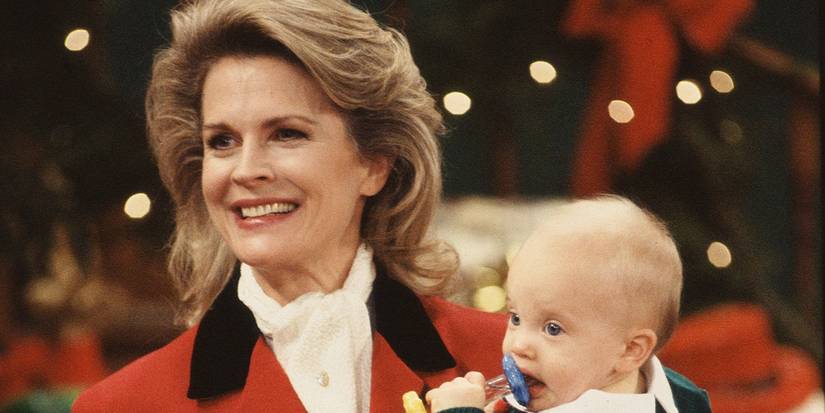
Murphy Brown was a groundbreaking character on television, portraying a successful professional woman in a fresh way. Unlike many sitcom heroines before her, she wasn’t initially designed to be simply ‘likable.’ Instead, she was flawed, confident, intelligent, and sometimes made mistakes – a combination that felt realistic and paved the way for more complex and ambitious female characters in sitcoms.
She was a highly accomplished and well-known broadcast journalist who enjoyed a successful career and financial independence. She was also known for speaking her mind and living life on her own terms, prioritizing her career over traditional home life. This made her a powerful and noteworthy figure in the political landscape of the early 1990s.
Typically, conservatives might view a struggling single mother with sympathy, seeing it as a misfortune. However, in Murphy’s case, the narrative was different. She was successful and respected, and her decision to become a single mother was seen by some who question changing gender roles as an active choice and a positive view of single motherhood.
Vice President Dan Quayle’s decision to publicly criticize the fictional character Murphy Brown in May 1992 stemmed in part from her widespread popularity and cultural impact, which made her almost like a real public figure.
Dan Quayle, then Vice-President, criticized the portrayal of single motherhood on television, specifically referencing the character Murphy Brown. He argued that having children outside of a traditional family structure was wrong and that popular culture was downplaying the importance of fathers. While acknowledging that discussing moral values wasn’t popular, Quayle believed most people still understood the difference between right and wrong.
With growing concerns about a weakening sense of national unity and evolving family norms during the Bush-Quayle years, criticizing Hollywood proved to be a convenient political tactic. The TV show Murphy Brown quickly became a symbol – representing ideas like feminism, people marrying later in life, different kinds of families, and women becoming mothers outside of traditional marriage. It essentially became a stand-in for a much bigger argument about cultural changes happening at the time.
Dan Quayle’s Comments Made Murphy Brown More Popular Than Ever
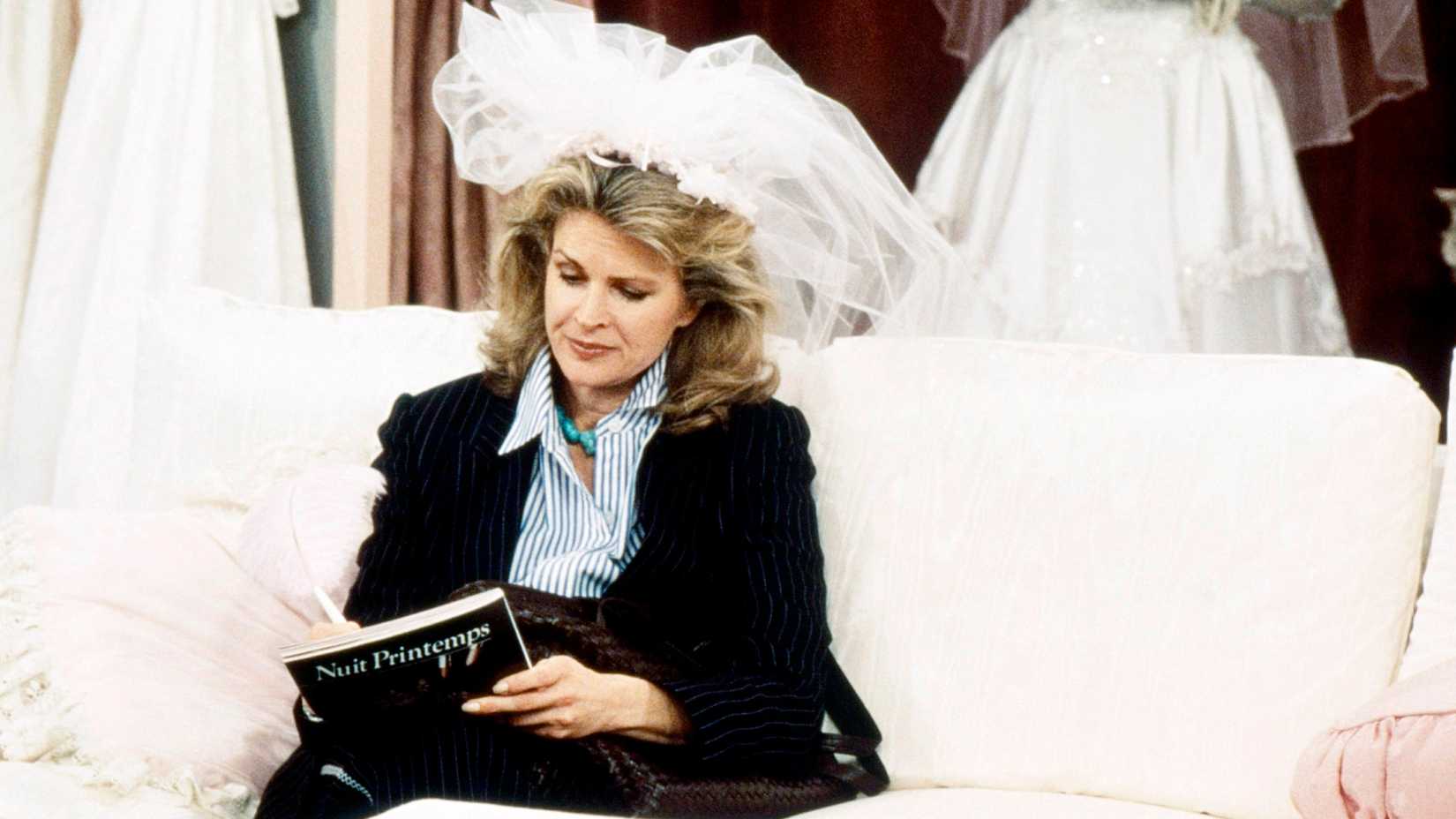
After Dan Quayle made his comments, the TV show Murphy Brown became the main topic of conversation among commentators, late-night comedians, and the news media. It was treated as if Murphy Brown herself were a real person, not just a character on a show. The show directly responded to the controversy in its next season.
The fifth season started with the episode “You Say Potatoe, I Say Potato,” which featured actual clips of Dan Quayle’s comments. The storyline revolved around Murphy reacting to those comments live on air. In the episode, she championed different types of families and argued against the notion that any single family structure is better than others.
The episode became a huge television event, widely considered to be one of the most impactful shows in TV history. It attracted around 70 million viewers, according to Nielsen – more than twice its typical audience. This number was also over fifteen times higher than the viewership for the most popular returning sitcoms from last year, like Ghosts and Abbott Elementary.
Reviewers generally applauded the show’s willingness to tackle current political issues head-on, which boosted its reputation for being smart and relevant. But over time, the controversies surrounding the show became more famous than the quality of the writing and consistent storytelling that initially made it a subject of political discussion.
How Network Strategies Changed After The Murphy Brown Controversy
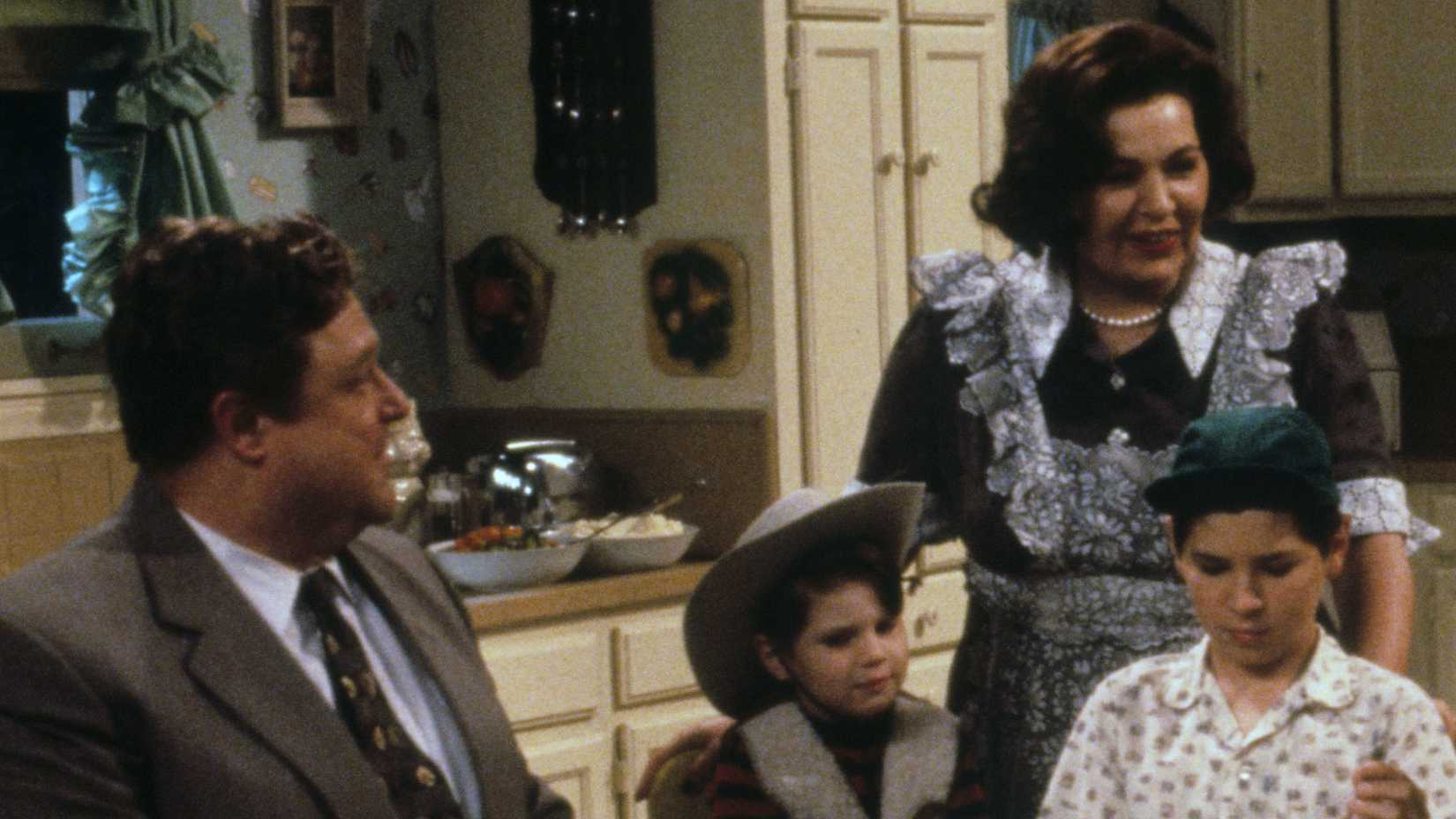
As a lifelong movie and TV fan, the whole Murphy Brown situation didn’t scare networks away from tackling tough subjects, at least not in my opinion. If anything, it showed them that shows dealing with controversial topics could actually draw an audience. I noticed in the 90s, sitcoms started getting a lot bolder, directly addressing political and social issues in a way they hadn’t before.
Shows like Roseanne, Ellen, and Maude were groundbreaking for their time. Roseanne boldly addressed issues like class differences, abortion, and LGBTQ+ rights—topics rarely seen in mainstream comedies. Ellen also sparked important cultural and political conversations, building on the foundation Maude laid years before by portraying strong, independent women.
Network executives realized that creating shows that sparked discussion could also attract viewers, media attention, and lasting cultural impact. This led to a trend where high-quality comedies and shows focused on identity often took bigger risks, openly presenting particular perspectives or tackling controversial topics.
Most family sitcoms that tried to appeal to everyone stuck with familiar, traditional stories about home life. They steered clear of controversial topics that might upset viewers or sponsors. This approach feels very much like a thing of the past now.
Back in the 1990s, a popular TV show could quickly become a national talking point because so many people watched the same programs. Now, with streaming services and countless choices, it’s hard to imagine everyone experiencing the same shows. While a series can still generate discussion, it’s rare for one to capture the public’s attention quite like Murphy Brown did.
2026-05-29 16:52