Anime from the 1990s often handled endings quite differently than shows do now. It wasn’t uncommon for a series to finish before it could adapt all the best parts of the original manga, to quickly wrap up the story, or even to end on a cliffhanger. Back then, this was just a typical part of how anime was made. Adaptations of long-running manga didn’t always wait for enough source material to be available, and getting a continuation wasn’t as guaranteed as it is today. Because of these differences, those older endings can be frustrating for modern viewers.
Today’s anime viewers expect series to have proper conclusions – whether that’s through follow-up seasons, movies, or adaptations that stay true to the original story. So, when a favorite anime ends abruptly, with unanswered questions or a cliffhanger, it can be really frustrating. While these endings aren’t always negative – some are even uniquely compelling – they often leave fans with lingering questions that are hard to dismiss.
Yu Yu Hakusho Rushes Through a Finale That Should Have Been Massive
The Demon World Tournament in Yu Yu Hakusho‘s Three Kings Saga was expected to be the biggest challenge for Yusuke and a showcase of the spirit world. However, the series ultimately delivers a more subdued and gentle conclusion than some fans anticipated. This isn’t necessarily a flaw; Yu Yu Hakusho has always prioritized character development over spectacular battles, despite having many great fights. A calmer ending fits Yusuke’s journey, which is fundamentally about discovering his place in the world.
Despite a strong build-up, the ending doesn’t quite live up to expectations. Modern viewers likely anticipated the Demon World Tournament being a major, season-long event, but it feels too quickly resolved. The anime doesn’t fully develop this final stage, making it less impactful than previous storylines. While the ending is still emotionally resonant and the farewells are heartfelt, the story’s ambitious scope deserves a more thorough conclusion – it feels rushed overall.
Dragon Ball GT Gives Goku a Finale the Franchise Later Outgrows
The ending of Dragon Ball GT shows Goku departing with the eternal dragon Shenron, then fast-forwards the story to a distant future. It portrays Goku as something beyond a normal person, almost like a legend. While it was a touching farewell to the series when it originally aired, now that GT is considered part of the broader Dragon Ball story, its place within the timeline feels awkward. This isn’t just because GT has a separate continuity; it’s a deeper issue of how it fits with everything else.
The real problem with that ending is it suggests Goku has reached his ultimate, final state, even though the series keeps finding ways to continue his story. Dragon Ball Super drastically changed things after DBZ, making GT‘s ending feel less like a true finale and more like a strong, but separate, goodbye. This makes the ending strangely emotional, yet confusing, and it doesn’t really work as a conclusion to Goku’s journey when looking at the franchise today.
Ranma ½ Ends Before Its Biggest Problems Go Anywhere
The core of Ranma ½ is the ongoing, unresolved attraction between Ranma and Akane. Given the show’s chaotic nature, a tidy conclusion wasn’t expected, but the anime’s ending feels incomplete. It essentially stops without resolving the main conflicts. Ranma’s curse continues to affect him, and the complicated romantic relationships remain largely unresolved.
As much as I love the comedic energy of Ranma ½, the ending always left me feeling a little… unsatisfied. It’s like the story just stops rather than actually concluding. I think it worked better back in the day when anime weren’t always striving for neat, tidy resolutions and could just sort of… end. But honestly, as a modern viewer, it’s tough to accept that ending. It feels like they simply ran out of time, and it doesn’t quite feel finished.
Slam Dunk Stops Before the Story’s Most Important Games
One of the most disappointing things about the Slam Dunk anime is its ending. It’s not that the adaptation itself is bad; the problem is what the story doesn’t show us. The series does a great job of developing Shohoku’s progress, Hanamichi’s passion for basketball, and the team’s ambition, but it stops right before they get to compete in the National Tournament. This is particularly frustrating now, as modern sports anime rely heavily on the emotional impact of their major competitions.
Fans are really looking forward to the final tournament in a sports anime, the moment where a team shows off all their hard work and progress. The Slam Dunk manga has a great story arc for this, but the original anime series never fully adapted it for television. This leaves the story feeling unfinished, despite the series being a beloved classic. It’s surprising now that an anime as popular as Slam Dunk ended before reaching what many consider to be its best material.
Rurouni Kenshin Lets Filler Replace Its True Final Story
I absolutely loved the original Rurouni Kenshin anime, especially the Kyoto Arc! It really put Kenshin through the wringer, finally explored the weight of his history, and just felt like a perfectly contained, amazing story. Honestly, things started to fall apart after that, though. Instead of finishing the story as it happened in the manga, the anime went off on its own with filler episodes, and it just lost its drive. You can definitely tell when an adaptation skips over important parts of the source material and decides to end with stories that weren’t originally there – it’s just not the same!
The ending of the series doesn’t feel like a satisfying conclusion to Kenshin’s story; it feels like an extra chapter tacked on after the most impactful part of the narrative. This is important because Kenshin’s history – his regrets, his promise, and his efforts to change – needed a final, powerful challenge. Without it, the anime doesn’t fully resolve his character arc, leaving it feeling incomplete. While he has a compelling journey overall, he doesn’t get the conclusive ending he truly deserves.
Neon Genesis Evangelion Ends Inside Shinji’s Head
The ending of Neon Genesis Evangelion is legendary in the anime world, but it’s famously unconventional. What starts as a story about giant robots and teenage pilots fighting monsters gradually becomes a deeply psychological and fragmented experience. By the end, the external plot takes a backseat. This daring shift is a major reason the ending remains a topic of debate even now, but it also makes it challenging to fully understand.
Viewers used to straightforward stories might find the ending of Neon Genesis Evangelion confusing, as it seems to leave many questions about the Angels, NERV, SEELE, and the world unanswered. The finale prioritizes Shinji’s internal struggles over resolving the external conflicts, which makes it both incredibly insightful and frustrating. Without the movie The End of Evangelion, the original TV series ending feels less like a satisfying conclusion and more like a depiction of a mental breakdown.
Berserk Leaves Viewers at the Worst Possible Moment
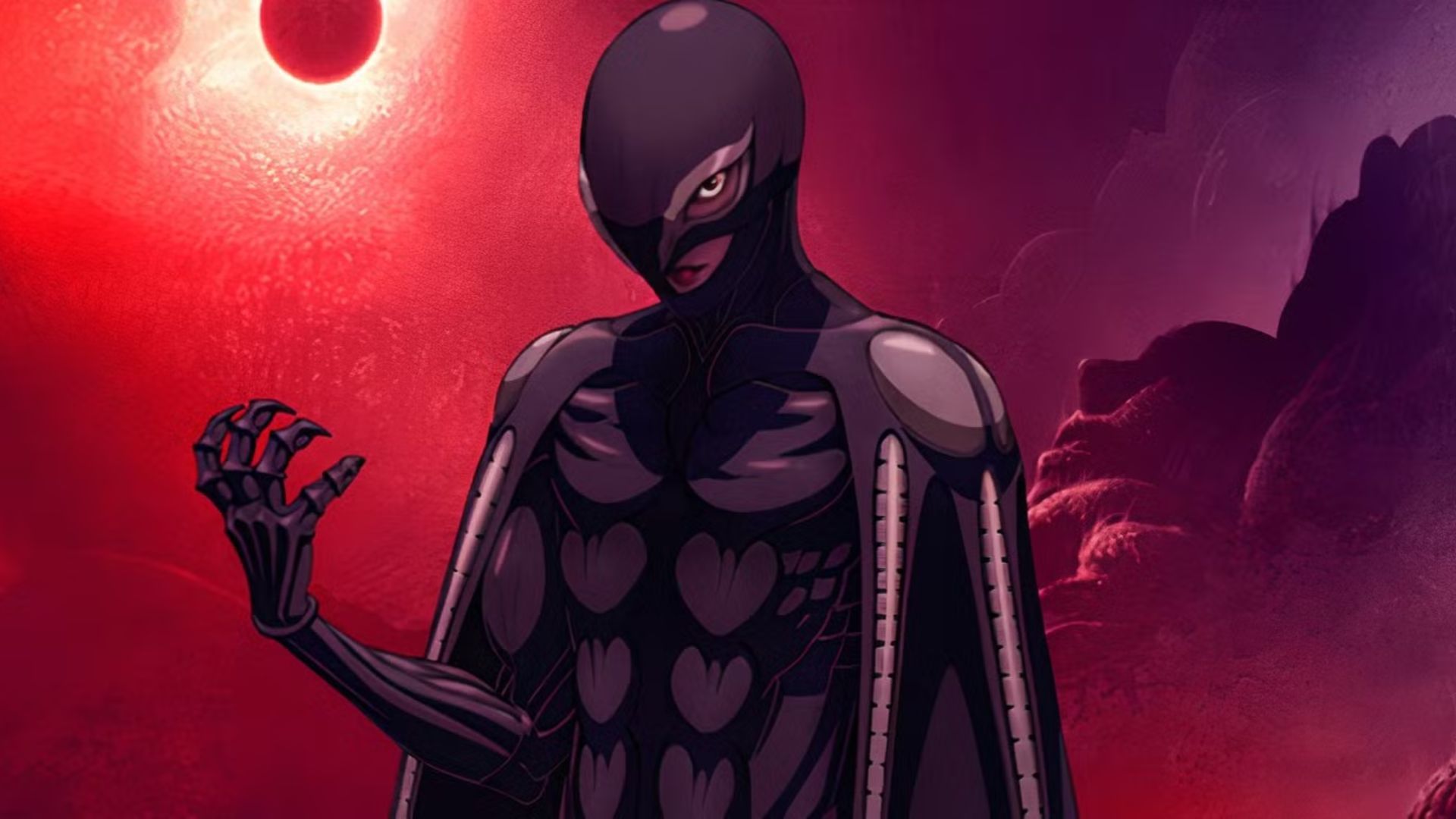
The 1997 Berserk anime series ends at a pivotal moment, right before the story takes a dramatic turn. It carefully develops the characters of Guts, Griffith, Casca, and the Band of the Hawk, making their relationships the heart of the show. The series concludes as the terrifying Eclipse begins, leaving viewers with no resolution and a deeply unsettling feeling. It’s a cliffhanger embedded within one of the most shocking arcs in the story.
The show delivers intense emotional experiences – trauma, betrayal, and violence – and sets up a major character transformation, but the anime adaptation doesn’t follow through with a satisfying conclusion. For viewers who haven’t read the manga, the ending feels abrupt and leaves important storylines unresolved. The ‘Eclipse’ is a pivotal moment that explains the characters’ motivations and sets up a larger, ongoing story that the anime sadly doesn’t get to tell.
2026-05-29 16:40