
Beth de Araújo’s second film, “Josephine,” is a deeply moving and impressive work that has rightfully gained attention at the Sundance Film Festival. The film boasts excellent acting from Gemma Chan, Channing Tatum, and newcomer Mason Reeves, but it’s de Araújo’s skillful and impactful directing that truly makes the film emotionally powerful.
De Araújo started writing her film, “Josephine,” in 2014, inspired by a personal event. While the story itself was difficult to tackle, actually getting the film made proved even harder, particularly when COVID-19 caused significant delays. Things began to improve, though, especially after she discovered her lead actress at a farmer’s market in San Francisco. The film, told through the perspective of Reeves, is powerfully moving and will stay with viewers long after it ends.
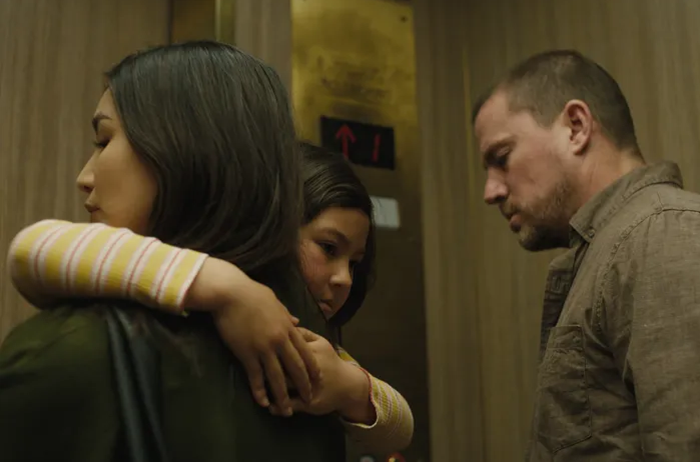
The film opens with eight-year-old Josephine and her father, Damien, happily running through Golden Gate Park. During their race, they become separated, and Josephine wanders off into a secluded area. There, she unfortunately witnesses a woman being violently attacked. The director doesn’t shy away from showing the assault as Josephine sees it – it’s a difficult scene, but presented realistically and with a clear intention.
Damien happens upon the attacker while they’re running away and pursues them until the police catch and arrest them. Young Josephine witnesses the frightening event unfold. Afterwards, Damien and his wife, Claire, attempt to help their daughter return to a sense of normalcy, but Josephine has trouble understanding what she saw. The overwhelming emotions shake her trust in the world, changing how she views everything – even everyday interactions and the loving gestures of her parents.
Watching Josephine cope with her trauma is incredibly difficult, because the story is told entirely from her point of view. The author skillfully uses this perspective to give us a raw and unsettling look into the mind of a traumatized child. We see her pain in moments of quiet withdrawal, but even more powerfully when she acts out, both at home and in school. The author also uses a haunting technique – showing us Josephine’s recurring visions of her abuser – to emphasize how trapped she feels by her experiences.
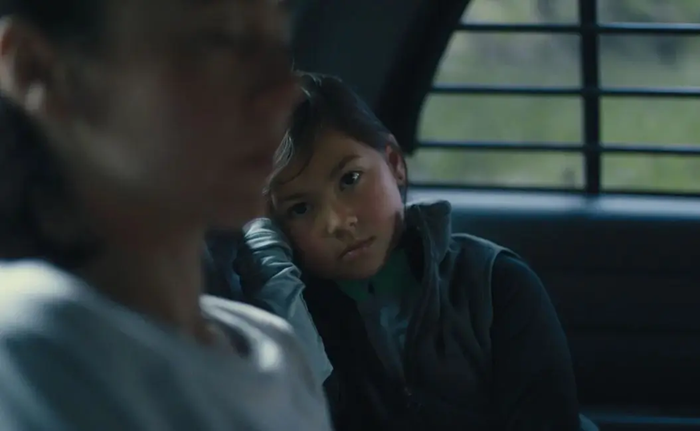
The film also sensitively portrays the challenges parents face when helping their child cope with a traumatic experience. Damien and Claire disagree on how to best support their child, influenced by their own pasts, but neither is shown as a negligent parent—they’re both simply trying their best in a very difficult situation. The pressure increases when Josephine has to testify in court as the only witness. Through the trial scenes, De Araújo offers insightful criticism of the serious flaws within our legal system.
“Josephine” is a powerfully moving film that explores the lasting impact of trauma, not only on a child, but on an entire family. The director tackles difficult themes with courage, and the film is enhanced by three strong performances. It’s an honest and sensitive portrayal of challenging subjects. While it’s easy to overuse the word ‘important,’ “Josephine” feels particularly urgent, going beyond simply being a compelling drama. The film compels viewers to confront uncomfortable but crucial issues, and it does so with a clear and unwavering perspective – exactly what this story demands.
2026-01-31 19:57