Anime often focuses on heroes as the main emotional drivers of a story, but occasionally villains become incredibly compelling figures without becoming the central characters. This can happen because they’re charismatic, have strong beliefs, or because they highlight important themes that the hero isn’t equipped to explore on their own.
The most memorable villains in shonen anime don’t simply cause problems – they shape how those problems are solved, often even as the heroes are battling them. Think of characters like Aizen, who completely changed the direction of his story arc, or Griffith, whose actions had a devastating and unforgettable impact. These villains leave a lasting impression on viewers that’s hard to shake.
Meruem Enters the Story as a Monster and Leaves it as a Person
Meruem is a villain of exceptional depth, surpassing most others in terms of intelligence, physical power, and philosophical complexity. He casually kills, dismisses his generals without hesitation, and views human life as insignificant, existing only to serve his dominance. The story in Hunter x Hunter emphasizes that Meruem’s eventual change, brought about by his relationship with Komugi, feels earned and impactful, not simply a plot device.
By gently asking Komugi if he had scared her, Meruem revealed a surprising depth to his character. Throughout his life, he’d defined himself by being the most intimidating presence, so his concern for her in his final moments was significant. He was asking this to the one person whose life he truly cared about. Meruem finds true humanity right as the story ends any possibility of him experiencing it further, highlighting that…
Sosuke Aizen Stole the Spotlight, Even Without a Backstory
I think Sosuke Aizen is the main reason people still remember Bleach fondly. Even though the series stumbled towards the end, Aizen’s reveal as the true villain really saved it, ensuring its place in anime history. He was a master of deception, appearing kind, approachable, and likeable to everyone, when in reality, he was anything but.
Most villains in popular action anime (shonen) gain fans by having complex and tragic pasts. However, the creator, Kubo, deliberately avoided giving Aizen a sad backstory. He felt it would make viewers sympathize with Aizen for the wrong reasons. Aizen’s evil comes from his simple conclusion that the world wasn’t good enough, reached without any personal tragedy driving him to that belief.
Griffith Embodies the Tragedy of Every Other Berserk Character
Griffith in Berserk isn’t compelling as a villain, but because of the sheer force of his personality. His all-encompassing ambition isn’t a change in character – it is his character, taken to its extreme.
Berserk’s Eclipse shows that Griffith’s charm and his capacity for cruelty aren’t different sides of him—they’re fundamentally the same trait, just shown in different situations. Miura illustrates that not all villains are simply monstrous; some possess a powerful magnetism, and the difference between being a hero and a villain is often surprisingly small.
Madara Uchiha Makes Every Previous Naruto Villain Feel Insignificant
Prior to Madara in the Naruto series, villains typically had a clear weakness or could be overcome with strategy and teamwork. Madara is different – he has no obvious flaws. From the moment he appears, he demonstrates overwhelming power, effortlessly defeating armies with his Susanoo and meteor attacks. Even when brought back to life, he robs opponents of any meaningful victory or sacrifice.
Madara doesn’t feel hatred towards his enemies; he simply believes they are inadequate, a dismissal that’s actually more damaging than outright hate. His life’s work centered on the Infinite Tsukuyomi, a plan to end suffering by taking away people’s free will. He was so powerful that the story couldn’t resolve his conflict through normal fighting, and required the introduction of Kaguya to finally overcome him.
Stain’s Ideology Outlives his Defeat As He Changes the Series’ Entire Atmosphere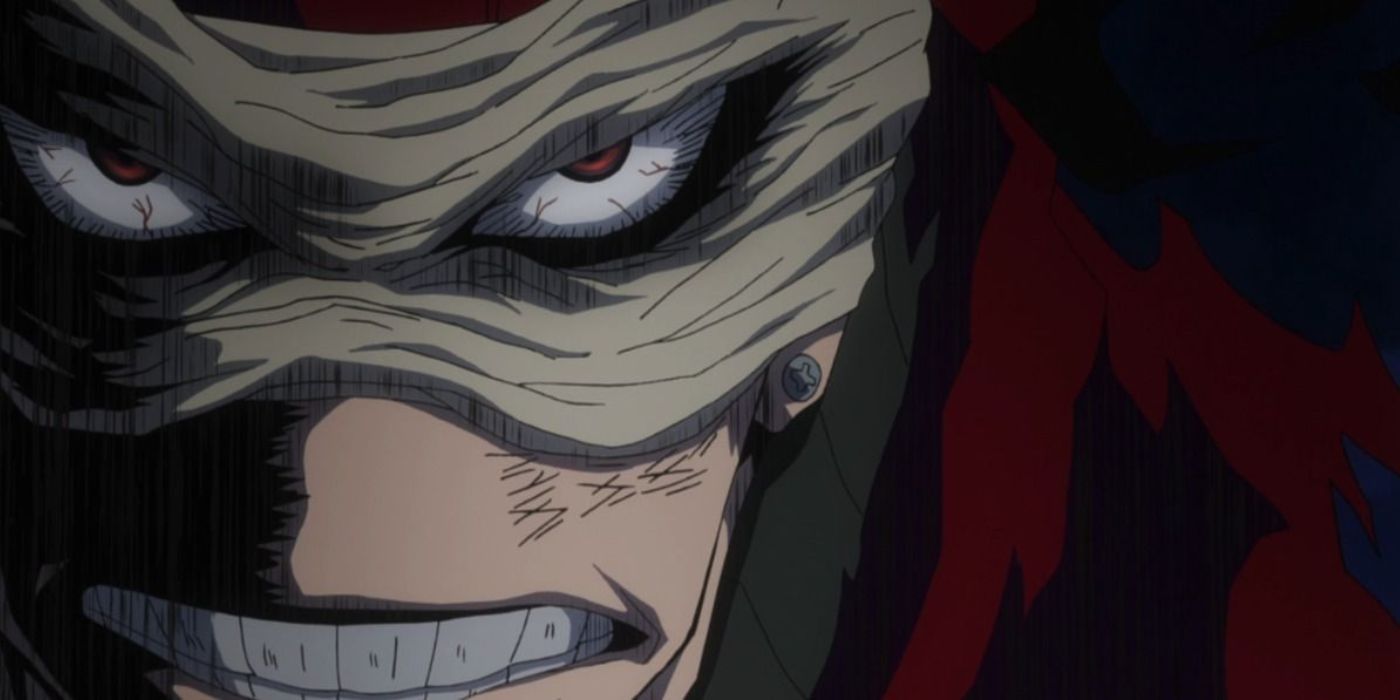
In My Hero Academia, the villain Stain offers a surprisingly insightful critique of the hero system, one the story can’t simply ignore. He believes that heroes motivated by profit, popularity, and official recognition have strayed from the true meaning of heroism. Interestingly, he praises All Might as a genuine hero, despite All Might’s own difficulties in upholding those same ideals.
The League of Villains adopts Stain’s ideas, but they don’t actually understand them, and they exploit his image to attract followers with very different goals. The story highlights this misuse of his beliefs to show that Stain’s genuine convictions, even though expressed through violence, were real. His ideas continue to have an impact even after his defeat – something most heroes don’t achieve even when they win.
Doflamingo Embodies Corruption and Treats Everything As Performance
Doflamingo, in One Piece, understands that true power comes from controlling what people know, inspiring fear, and convincing them their leaders are rightful. He put this into practice by creating a society reliant on his unique products, presenting himself as the only one who could provide them, and then ensuring people feared what would happen if he weren’t in charge.
Doflamingo’s conversation with Law before their battle offers a surprisingly truthful look at how the World Government really operates, revealing the history of the Celestial Dragons as the basis for the world’s power structure. Despite this insight, he’s defeated because Luffy embodies a type of heroism Doflamingo simply can’t comprehend. The story recognizes this as a limit to Doflamingo’s perspective, not necessarily a mistake in his understanding of things.
Dio Brando Sustains His Presence Across a Century of Narrative Time
Dio Brando begins his story in JoJo’s Bizarre Adventure as an ambitious man striving for social status in the 19th century, and ultimately becomes the franchise’s most enduring villain, remaining a threat well into the late 20th century. Unlike most villains who are dangerous while actively present, Dio’s influence continues through the people he’s impacted, the powerful Stand users he created over many years, and his compelling personality, which inspires either fervent devotion or intense opposition in anyone he meets.
Dio’s choice to become a vampire isn’t just about power; it represents his lifelong refusal to accept limits. Unlike villains who simply want to control the world, Dio craves endless time – something only his Stand, The World, can provide.
Shogo Makishima Is Impossible to Sentence
Makishima stands out as an anime villain not because of his brutality, but because he reveals how easily society can fall apart. The Sibyl System actually works as he claims, and the reasons given for its existence are based on the same flawed logic he uses to excuse his actions.
Makishima speaks with a calming, professorial tone that makes viewers feel like they’re gaining new knowledge with every line. Furthermore, Psycho-pass presents his reasoning as separate from his past experiences, making him a complex and ultimately unsimplifiable character.
Ryomen Sukuna Makes Every JJK Conflict Seem Unstable
In the early parts of Jujutsu Kaisen, Sukuna, a being of immense power, is stuck inside Yuji Itadori’s body and surrounded by people he considers unimportant. The fight with Mahito shows Sukuna unexpectedly saving Itadori, hinting that despite acting purely for his own benefit, he’s capable of actions that don’t quite fit that pattern.
The Shibuya arc really establishes Ryomen Sukuna as a terrifying villain. He’s so powerful that it creates intense suspense, as it seems like nothing and no one can oppose him. Sukuna sees humanity as boring and insignificant, so when he does acknowledge someone – like his respect for Gojo – it feels surprisingly impactful and meaningful.
Makima Controls Denji Through Emotional Intimacy
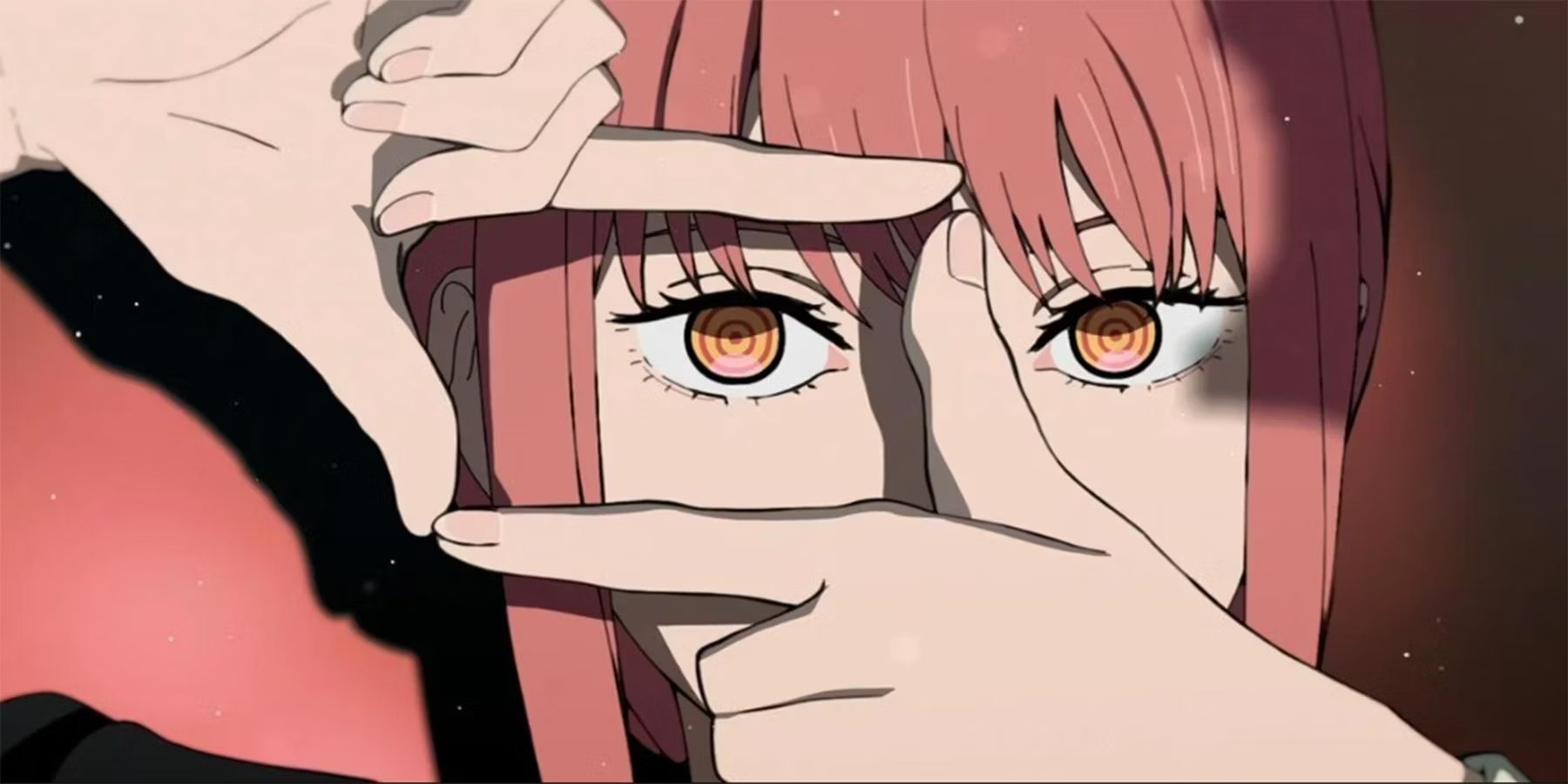
Makima acts like a mother figure to Denji, making her villainous actions particularly unsettling compared to other anime antagonists. She’s the first person to show him kindness, offering him a job, a place to live, and friends, but it’s later revealed that all of this was carefully planned manipulation hidden behind a facade of genuine care.
What’s truly unsettling about Makima isn’t her power, but her sincere belief in a warped worldview. She doesn’t view control as something negative; instead, she sees it as the deepest form of connection, believing total control over someone is true intimacy. This is why she’s so captivating – and frightening – in Chainsaw Man. She doesn’t dominate through force, but by making the audience understand why Denji was unable to recognize her true nature.
2026-05-27 22:25