Slice-of-life stories often seem simple and peaceful at first. They don’t usually have big competitions, global disasters, or urgent deadlines. Instead, they focus on everyday moments, beautiful settings, and characters going about their lives. However, despite this calm exterior, many of these shows actually tackle serious and difficult topics.
I’ve been thinking a lot about how shows that feel… cozy, really get under your skin. It’s amazing how dealing with tough stuff – like loss, regret, or just feeling alone – hits differently when it’s presented with a gentle touch. It’s definitely not a coincidence! That peaceful atmosphere actually creates room for you to really think, and it pulls you into all the little details. Honestly, those quiet moments stick with you way more than any action-packed fight. A single, peaceful scene can be incredibly powerful, and it’s proven to me that sometimes, less really is more.
Mushishi Turns Folklore Into Profound Human Grief
There’s a subtle power in an anime that doesn’t rely on the hero overcoming obstacles. In Mushishi, Ginko wanders, watches, and helps when he can, but the series isn’t about winning. The creatures he meets, called Mushi, aren’t malicious – they’re simply old and uncaring. Each episode essentially presents a feeling of powerlessness framed as a traditional folktale.
The line between dreams and reality blurs, memories fade, and unseen forces dramatically alter people’s lives. Beneath its beautiful, understated visuals and gentle rhythm, Mushishi explores themes of living alongside nature, and the unique sense of isolation that comes with being human in a world not made for us.
Kino’s Journey Travels Far to Say the Ugliest Truths
Kino’s Journey is a captivating travel series that delves into the complexities of human behavior, all presented with a calm and peaceful atmosphere. The story follows Kino, a quiet traveler, and Hermes, her talking motorcycle, as they journey through a world made up of many small, separate countries. They have a simple rule: spend only three days in each place – enough time to experience the local culture, but not enough to become changed by it.
With its sad music and stunning scenery, Kino’s Journey creates a peaceful, storybook-like setting. But beneath the surface, the show explores difficult topics like how morality differs between cultures, the harm caused by outdated customs, and the ways societies can destroy themselves. Kino doesn’t offer simple solutions or get directly involved, and instead challenges viewers to grapple with complex ethical questions through their own reflections on the stories presented.
March Comes in Like a Lion Understands Depression Completely
Seventeen-year-old Rei Kiriyama is a talented shogi player, but he struggles with loneliness. While shogi helped him overcome a difficult past, it hasn’t taught him how to connect with others. March Comes in Like a Lion explores this contrast between simply getting by and truly finding a sense of belonging. The anime beautifully balances heartwarming scenes of family life with a realistic portrayal of depression.
The anime March Comes in Like a Lion uses gentle animation and cozy scenes to create a sense of peace, even as the main character battles inner demons. However, some parts, like the intense bullying storyline in Season Two, can be very difficult to watch. Rei’s depression is powerfully shown through visuals of being underwater, overwhelming tiredness, and a feeling of being physically weighed down. The series demonstrates that recovery isn’t about one big breakthrough, but rather a series of small, everyday steps forward.
Natsume’s Book of Friends Finds Magic in Learning to Trust
Takashi Natsume has always been a bit of an outsider, moving between family members because he can see spirits, known as youkai. After inheriting his grandmother’s special book – a record of spirits she’d bound to her – he chooses to free them instead of controlling them. With the help of his food-loving guardian, Nyanko-sensei, Natsume lives a peaceful life in the countryside, filled with heartwarming moments and beautiful scenery.
Natsume’s Book of Friends delicately examines themes of past hurt, feeling excluded, and the emotional barriers people create. As Natsume returns the names of spirits, both he and the audience are reminded of the sadness of being alone, but also the preciousness of even brief relationships.
Haibane Renmei Builds a Beautiful World Around Unspoken Pain
Rakka awakens inside a cocoon, haunted by dreams of falling, and finds herself in the walled town of Glie. She has gray wings but no memories of who she once was. The other winged beings, known as Haibane, are friendly, and the townspeople offer a warm welcome. They live in an old charcoal factory, but despite the kindness around her, Rakka and the other Haibane are confined within the town walls. Contact with the outside world is restricted, and the mysterious ‘Day of Flight’ – when a Haibane disappears – is a topic no one speaks of, seen as an unavoidable and unsettling fate.
At its heart, Haibane Renmei explores themes of guilt and the feeling of not deserving to be saved. The barriers the characters face aren’t simply physical; some are held back by unresolved inner conflicts, which the show portrays with sensitivity. The path to forgiveness is a gradual, often difficult process of learning to share burdens with others.
Yokohama Kaidashi Kikou Deals With Impermanence
At its heart, Yokohama Kaidashi Kikou is a touching story about the quiet beauty of time passing. The anime follows Alpha, a kind robot who runs a café in a serene, post-apocalyptic world where humanity is slowly disappearing due to rising sea levels. The landscape is vibrant and green, the ocean is encroaching, and life moves at a relaxed pace, filled with coffee and conversations with the few people who remain.
I’m completely captivated by Yokohama Kaidashi Kikou because it approaches the end of the world in such a beautiful, peaceful way. It really makes you think about life, what we leave behind, and how everything eventually fades. What’s amazing is there’s no panic or sadness about extinction here – it’s just a gentle letting go, and even as things disappear, the world remains stunningly beautiful. It’s a powerful reminder to appreciate every moment.
Spice & Wolf Talks About Human Loneliness
Spice and Wolf is a charming story set in a richly imagined medieval world. It follows Lawrence, a traveling merchant who’s a bit of a loner, and Holo, a clever wolf goddess who wants to return to her home in the north. Their journey together, filled with conversations and a gentle atmosphere, feels warm and comforting, like a nostalgic memory.
While seemingly a gentle story about rural life, Spice and Wolf delves into complex themes like economics, trust, and the realities of the world. It uses the setting of medieval trade to show how greed and societal shifts really work. But at its heart, the story is about the sadness of loving someone whose life won’t last as long as your own, and the challenges two lonely people face as they try to build a meaningful connection despite knowing time will eventually take it away.
Frieren Turns Immortality Into the Saddest Curse Imaginable
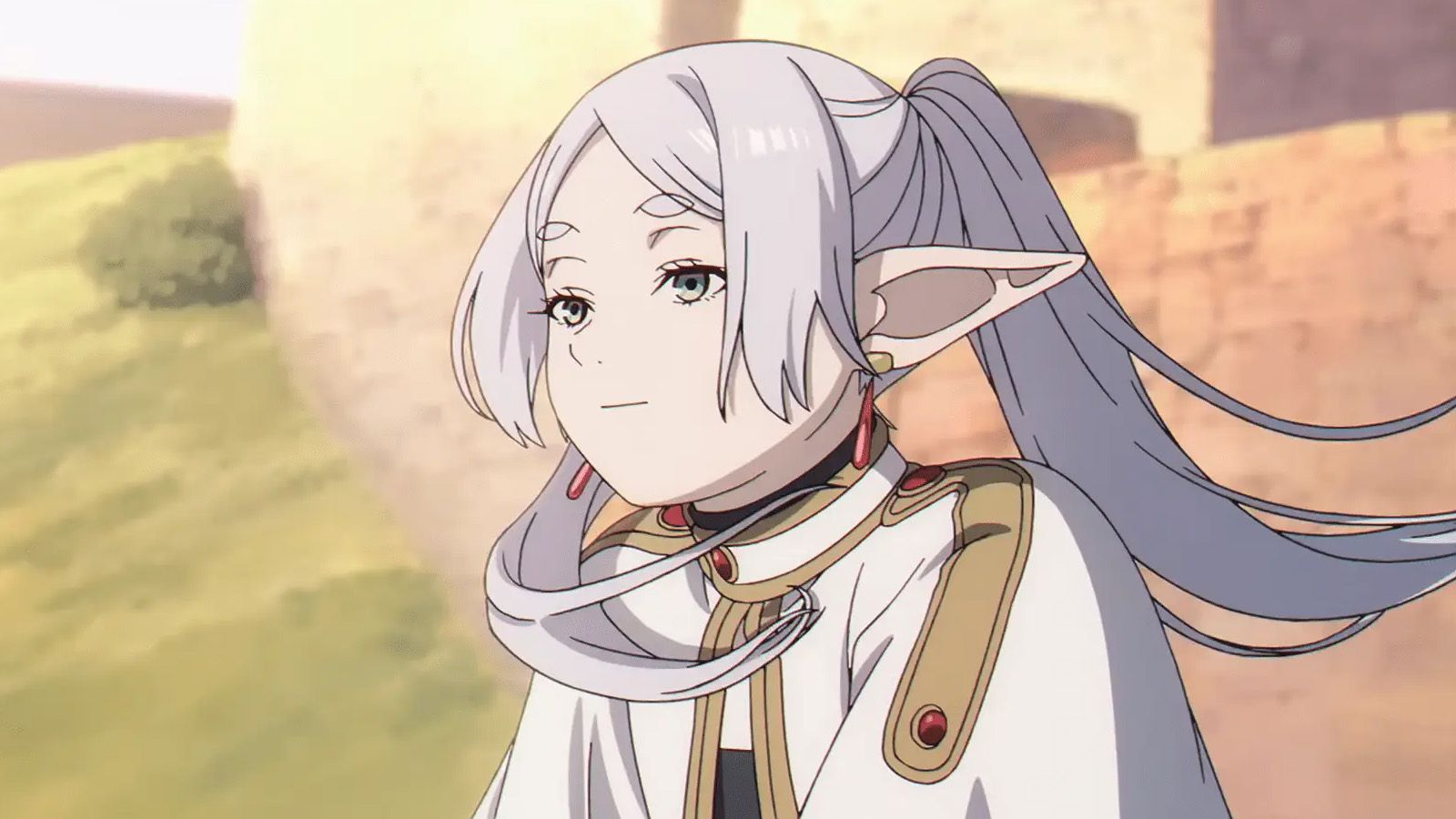
Unlike most fantasy stories that start with a hero’s journey, Frieren: Beyond Journey’s End begins after the villain has already been defeated. The story then follows Frieren, an elf whose incredibly long life means she sees human lives as fleeting, as she travels through a peaceful world filled with everyday tasks and quiet contemplation.
Frieren explores the regret of realizing you didn’t fully appreciate the people in your life. Frieren lived with loved ones for years without truly understanding how much shorter their lives would be than hers. The show beautifully portrays her slow realization of this loss and emphasizes how precious and fleeting all relationships are, encouraging us to value the time we have with others.
Girls’ Last Tour Asks What Life Means When Nobody Is Watching
Chito and Yuuri seem to be the only people left in the world. They journey through a huge, eerily quiet city, completely alone. Unlike typical survival stories, Girls’ Last Tour isn’t about fighting enemies or escaping danger. It’s a peaceful story about two girls traveling on a small vehicle, searching for fuel, and watching the snow fall on the remnants of civilization.
The show’s ordinary, everyday feel is actually what makes Girls’ Last Tour so thought-provoking. It explores what gives life purpose when everything else is gone, and follows Chito and Yuuri as they find meaning in simple routines, humor, and their bond with each other.
Barakamon Uses Island Life to Break an Artist’s Ego
At first glance, Barakamon seems like a lighthearted comedy about life on a small island. However, it’s actually a thoughtful story about overcoming creative block and the stress of trying to be perfect. The series follows Seishu Handa, a talented but arrogant calligrapher who gets into a fight with an art critic after receiving harsh feedback. As a result, his father sends him away to a distant island to calm down, where Handa quickly finds himself out of his depth dealing with the lively locals.
With its peaceful village setting and summery atmosphere, Barakamon explores themes of finding yourself and overcoming creative challenges. The story powerfully portrays the stress of trying to meet others’ expectations and the unhealthy habit of tying your value as a person to what you accomplish. Surrounded by the genuine happiness of the islanders, the main character, Handa, learns to let go of his strict beliefs, find his unique style, and understand that making mistakes is essential for personal growth.
2026-05-26 23:50