Currently, Ella Langley’s “Choosin’ Texas” is the most popular song in the US, topping the Billboard Hot 100 chart for nine weeks. If it doesn’t stay at number one much longer, it will likely be replaced by another song by Ella Langley, called “Be Her.”
You might be familiar with the song “Choosin’ Texas.” It’s similar to Megan Moroney’s “Tennessee Orange,” but tells the story of a woman from Texas who loses her partner to his home state and a former relationship. The song starts like this…
I thought he was starting to love Tennessee, but I should have realized bringing him back to Abilene was a mistake.
I can explain the song’s meaning and how to recognize it because, like most popular artists, Langley actually sings with words – what some people call “lyrics.”
Billboard’s most successful instrumentals
I’m so excited that “Choosin’ Texas” just hit number one! It’s amazing to think it’s the 1,191st song to do so since Billboard started its chart way back in 1958. They actually had charts before then, but 1958 is when the system we know today really began. It’s changed a lot over the years with how we listen to music, but that number one spot is still a huge deal.
Out of the 1,191 songs that reached number one, 25 were instrumental tracks – roughly 2%. Interestingly, most of these instrumentals hit the top spot during just two separate five-year stretches.
Looking back at the music charts, it’s crazy how many of the biggest hits from the very beginning – like, 1959 to 1963 – and then again in the mid-70s, actually topped the charts! Out of 25 songs from those periods, a whopping 18 of them went all the way to number one. And it’s been a long time since we’ve had an instrumental track dominate – only one has hit number one since 1985, which is kinda surprising!
Let’s skip the debate about what exactly makes a song ‘instrumental.’ The 25 songs we’re looking at are well-known classics. While most are purely instrumental, some include vocals without actual lyrics. A few do have words, but usually just a short, rhythmic chorus – and most people wouldn’t consider that enough to disqualify them as instrumentals. We can talk about any specific cases as they come up.
Then again, maybe not.
Today, I’m ranking these 25 songs from my least favorite to my favorite. Remember, this is just my personal opinion, and I’m sorry if you disagree! I’d love to hear your own rankings, so feel free to share them with me.
25. “Calcutta” by Lawrence Welk and his Orchestra (1960)
This song is completely harmless and isn’t about the city of India. It might have been okay if it was just simple strings and an accordion, but the singers ruin it. They repeat “la, la, la, la” along with the melody, and when the higher-pitched female voices come in, it goes from boring to truly annoying.
24. “Theme from A Summer Place” by Percy Faith and his Orchestra (1960)
This song was the first movie or TV theme to reach number one, and it was followed by several others. The music itself is light and somewhat unremarkable, mainly featuring violins and repeated woodwind melodies. While Max Steiner’s score is enjoyable, much like the film, it was considered daring for its time, but that’s no longer the case.
Interestingly, this song topped the charts for nine weeks straight in 1960, setting a new record for any song – vocal or instrumental. That record stood for a decade until the Beatles broke it. Many consider it the most successful instrumental pop song of all time.
23. “Star Wars Theme/Cantina Band” by Meco (1977)
This isn’t the iconic version from the film, but a disco-infused blend of two famous John Williams themes, created by pop producer and arranger Meco (born Domenico Monardo). It’s full of flashy, futuristic sounds that quickly felt old-fashioned, and the second half, based on the ‘Cantina’ music, is rather over-the-top. However, the movie’s popularity meant people enjoyed it briefly before tiring of it.
22. “Wonderland by Night” by Bert Kaempfert and his Orchestra (1960)
I really wanted to love this song. As any Barenaked Ladies fan knows, Bert Kaempfert wrote some amazing tunes! But unfortunately, despite a few pleasant, soft horn parts, this one just feels a bit dull and lacks energy.
21. “The Hustle” by Van McCoy and the Soul City Symphony (1975)
“The Hustle” was a huge cultural moment when disco was first becoming popular. It gave everyone a simple, shared experience: a dance and a phrase to go with it. Looking back, the music itself isn’t particularly memorable. The song really relies on its vocals—the catchy “oohs” and repetitive “Do its” and “Do the Hustle” commands—to make it engaging. Because of this heavy dependence on vocals, and because the song isn’t that strong musically, I don’t rate it very highly.
20. “Stranger on the Shore” by Mr. Acker Bilk (1962)
Acker Bilk achieved surprising success on the Billboard charts. A jazz clarinetist and singer, his easy listening music was a bit more stylish than artists like Bert Kaempfert and Herb Alpert. His hit, “Stranger on the Shore,” has a subtle Hawaiian feel, which fits the song’s title. While not a hugely memorable tune, it’s pleasant to listen to on a relaxing day at the beach.
19. “The Stripper” by David Rose and his Orchestra (1962)
This song is a simple, catchy tune that perfectly captured what it was aiming for. Its distinctive trombone sound quickly became strongly associated with the job it describes. Clocking in at just under two minutes, the artist understands the importance of leaving the audience wanting more – much like a skilled performer.
18. “Harlem Shake” by Baauer (2013)
It had been 28 years since a song without any vocals reached number one on the Billboard Hot 100 when Harry Rodrigues, known professionally as Baauer, had his biggest hit. Baauer was only 23 years old at the time, but he’d been creating and mixing dance music since he was a teenager.
This song is a guaranteed hit, quickly becoming popular thanks to dance videos on YouTube. It topped the charts based on streaming numbers alone. While it includes some vocal samples, it’s generally considered an instrumental track. Musically, it’s more developed than the song “The Hustle,” but after a promising start, it loses some energy around the middle of its two-minute runtime and becomes a little repetitive by the end.
17. “Love’s Theme” by Love Unlimited Orchestra (1974)
“Love’s Theme” wasn’t necessarily a masterpiece, but it was important. It’s a charming and enjoyable song with a memorable melody and some cool elements that make it great for dancing. However, its real impact came from its place in music history – it helped launch a wave of soulful, instrumental disco tracks that fueled the disco boom. Plus, it successfully reintroduced the iconic Barry White to a new audience, and for that, it’s unforgettable.
16. “Fly, Robin, Fly” by Silver Connection (1975)
I’ll be upfront: I think this song deserves to be ranked higher, even if just by a few spots. The song starts with a cool, funky bassline, quickly joined by drums and piano – it almost sounds like early Sly and the Family Stone. Then the vocals come in, repeating just eight words – “Fly, robin, fly – up, up to the sky” – and that simple phrase is actually essential to the song’s appeal.
These aren’t just random sounds; they’re actual lyrics. That makes me wonder if calling this song ‘instrumental’ is accurate, though I might be alone in thinking that. Regardless, the song is enjoyable even without vocals and deserves recognition. However, the lyrics really add a lot to the overall experience.
15. “Gonna Fly Now” by Bill Conti (1977)
The music from Rocky is incredibly effective in the film. The dramatic trumpets and sweeping harps create a really inspiring sound, and there’s a cool rock guitar solo in the middle. The song builds momentum beautifully. It’s worth noting that while Bill Conti composed the music, Ayn Robbins and Carol Connors wrote the lyrics – a bit unusual for an instrumental piece. While the vocals aren’t as crucial to the song as they are in “Fly Robin Fly,” I still rank it slightly higher. However, the music doesn’t quite stand on its own as well. Without knowing the context of the Rocky movie, it might not have the same emotional impact.
14. “Sleep Walk” by Santo & Johnny (1959)
The Farino brothers were pioneers of early surf rock, and this particular song focused on creating a specific feeling and atmosphere rather than just fast tempos, which became more common before the British Invasion. Santo Farino’s steel guitar playing was especially noteworthy, using simple but effective melodies to convey a lot of emotion.
13. “Love Theme from Romeo & Juliet” by Henry Mancini and his Orchestra (1969)
Franco Zeffirelli’s beautiful film adaptation of Shakespeare’s play was notable for using teenage actors as its main characters. The movie was a big hit, winning two Academy Awards and receiving nominations for Best Picture and Best Director. Henry Mancini’s instrumental arrangement of Nino Rota’s already gorgeous music perfectly complements the film’s rich visual style. While the piece is a little over two minutes long and might become repetitive for some, it’s generally very effective.
12. “Rise” by Herb Alpert (1979)
Man, I really dig how “Rise” by Herb Alpert starts. It’s got this cool vibe, almost like a mellow Stevie Wonder track – more jazz influence than full-on funk. But honestly, even the shorter version, I feel like it loses a little steam towards the end. It’s super inventive at first, but it doesn’t quite keep that energy going all the way through, you know?
11. “Chariots of Fire” by Vangelis (1982)
You could make the same criticism of this song as I did with the theme from Rocky. Without the movie Chariots of Fire, it might not have the same impact. However, I believe it’s still a more engaging piece of music on its own. It blends modern electronic sounds with a more traditional, classical style. Which brings me to my next point…
10. “A Fifth of Beethoven” by Walter Murphy & the Big Apple Band (1976)
Murphy came up with a surprising idea: build a modern dance piece around the iconic opening notes of Beethoven’s Fifth Symphony. He combined those classic sounds with swirling synthesizers, energetic horns, and funky electric guitars. It was an unlikely combination, but somehow, it really worked.
9. “The Happy Organ” by Dave “Baby’ Cortez (1959)
“Cortez,” the first instrumental song to reach number one on the Hot 100 chart, achieved this feat less than a year after a new chart system was put in place. The lively and jazzy track is notable for a surprising electric guitar solo that appears around the one-minute mark of its concise two-minute runtime.
8. “Love is Blue” by Paul Mauriat and his Orchestra (1968)
When French bandleader Paul Mauriat covered the song “Love is Blue,” it had been over five years since an instrumental piece had reached the top of the Billboard Hot 100 chart. Mauriat managed to make the song sound fresh and contemporary, despite featuring the harpsichord – an instrument with a history stretching back 500 years. It’s still considered one of the best examples of the harpsichord being used in popular music today.
7. “Miami Vice Theme” by Jan Hammer (1986)
The music from many classic 1980s police shows is known for its strong, driving beat. While the main melody isn’t particularly catchy, the powerful drumming really carries the tune. It can sound like everything from gunshots to the end of the world!
6. “Theme From S.W.A.T.” by Rhythm Heritage (1976)
This crime show’s theme song is a standout, even surpassing Miami Vice thanks to its incredibly memorable tune. While the drums aren’t quite as powerfully rhythmic as those in Miami Vice, the overall effect is just slightly better. And, just a heads-up, you’ll be hearing more TV themes on this list!
5. “Telstar” by the Tornadoes (1962)
The Tornadoes were a group of highly skilled British musicians who played on countless records in the 1960s. Their founder, Joe Meek – a producer and pioneer of futuristic sounds in pop music – wrote this particular song. It’s a really unique and catchy tune, sounding like a classic Western theme reimagined by musicians from outer space.
4. “The Sound of Philadelphia” by MFSB (1974)
Often called “TSOP,” this iconic song was created by the incredibly talented Philadelphia songwriting and production team of Kenneth Gamble and Leon Huff. Don Cornelius, the creator of Soul Train, asked them to write it as the show’s theme song. While the Philly vocal group The Three Degrees add a little bit of singing at the end, the song is mostly instrumental and truly beautiful.
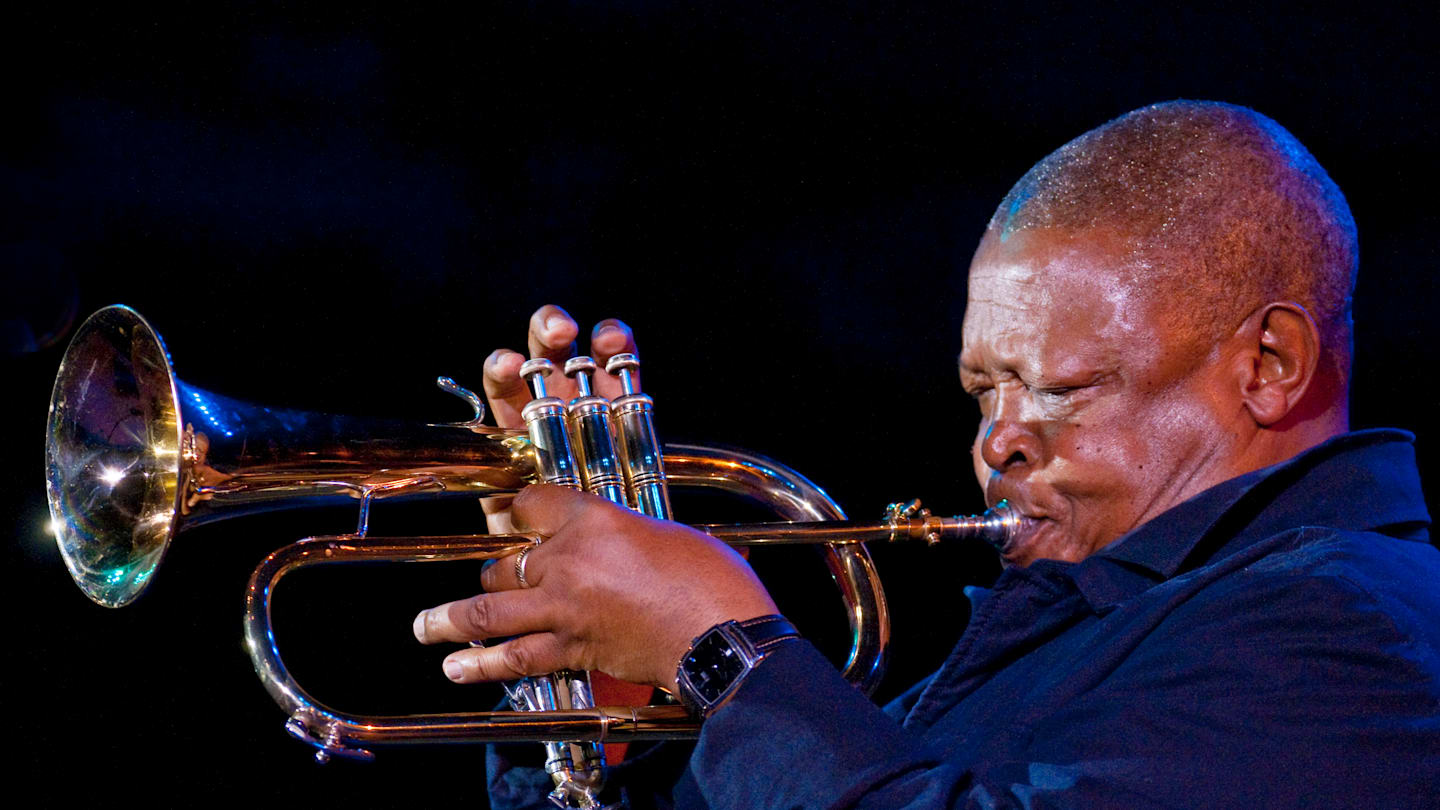
3. “Grazing in the Grass” by Hugh Masekela (1968)
It’s a strange quirk of pop music that the creator of “Soweto Blues” became most famous for an upbeat, instrumental tune that later had somewhat ridiculous lyrics added. However, this isn’t quite the same as Chuck Berry’s only number one hit, “My Ding-a-Ling.” That song was simply a silly novelty. “Grazing in the Grass,” on the other hand, is a genuinely enjoyable song.
The combination of sharp, quick percussion and Hugh Masekela’s incredibly smooth trumpet playing creates a sense of excitement that builds throughout the song’s fast-paced two and a half minutes. The next year, the group Friends of Distinction added words—written by the group’s founder, Harry Elston—and their version became a top-three hit.
2. “Pick Up the Pieces” by Average White Band (1975)
In the mid-1970s, a Scottish band of six white musicians achieved significant success by interpreting American soul music, which some considered cultural appropriation. However, their skillful renditions – including excellent covers of the Isley Brothers and original songs – propelled their second album to the top of the charts. The instrumental track “Pick Up the Pieces” was central to their success, featuring a lively guitar and drum rhythm section that perfectly showcased Molly Duncan’s impressive saxophone playing and one of the decade’s most memorable solos.
1. “Frankenstein” by Edgar Winter Group (1973)
I’m definitely letting my personal preferences influence this, as this is by far the most rock-focused instrumental to reach number one, and I’m a fan of rock music. However, it’s also the most energetic and creative piece on the list. While Winter primarily uses synthesizers and electric piano, he also incorporates alto saxophone and features a fantastic guitar solo by Ronnie Montrose.
The song features a standout drum solo as it builds to a fast-paced, energetic climax. While many bands were creating innovative, genre-bending instrumentals at the time – like Focus with “Hocus Pocus” and Wishbone Ash with “Vas Dis” – “Frankenstein” was the one that really resonated with audiences.
 Add us as a preferred source on GoogleFollow
Read More
- Total Football free codes and how to redeem them (March 2026)
- Last Furry: Survival redeem codes and how to use them (April 2026)
- Pixel Brave: Idle RPG redeem codes and how to use them (May 2026)
- Clash of Clans May 2026: List of Weekly Events, Challenges, and Rewards
- Top 5 Best New Mobile Games to play in May 2026
- Light and Night brings its beloved otome romance experience to SEA region with a closed beta test starting May 20, 2026
- Painful truth about Alexa Demie after she vanished… then emerged with drastic new look: Insiders spill on Sydney Sweeney feud and Euphoria star’s plan for revenge
- Winnita Casino Guida per vincere in grande nel gioco d’azzardo online
- Skip Bayless and Stephen A. Smith to reunite on ESPN’s ‘First Take’ for one day only
- ALLfiring redeem codes and how to use them (May 2026)
2026-05-15 23:32