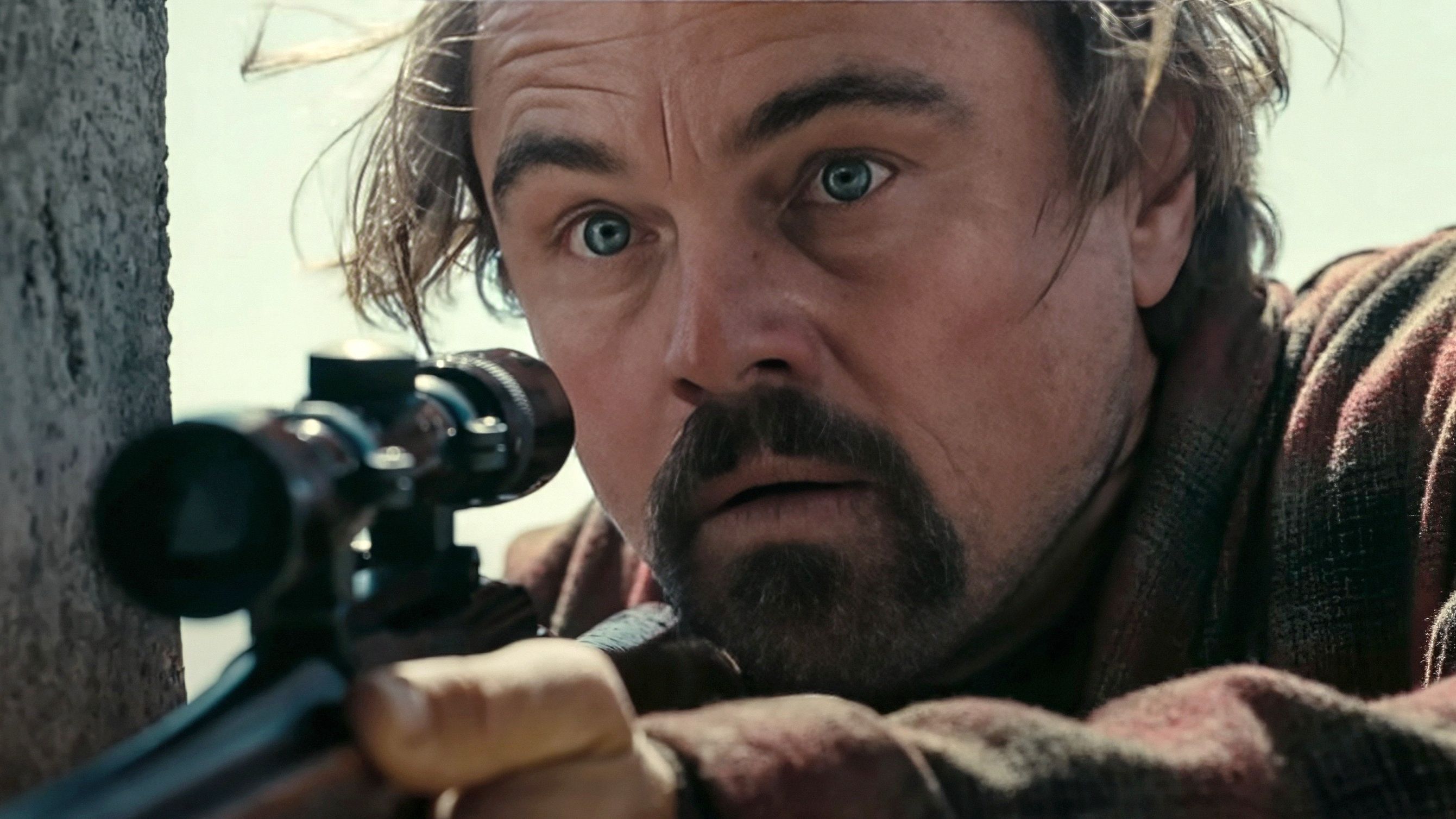
Some books are famously hard to turn into movies. Let’s explore why, and how they might actually be adapted for the screen. Paul Thomas Anderson’s film, One Battle After Another, is loosely based on a novel by Thomas Pynchon, and its success could encourage filmmakers to take on more challenging book adaptations.
Adaptation is the lifeblood of Hollywood, but these novels defy easy translation to the screen.
Despite their length and complexity, these epic novels are ripe for adaptation, needing only a talented and dedicated filmmaker to realize their potential on screen, either as a movie or a television show.
Finnegan’s Wake
By James Joyce; Published In 1939
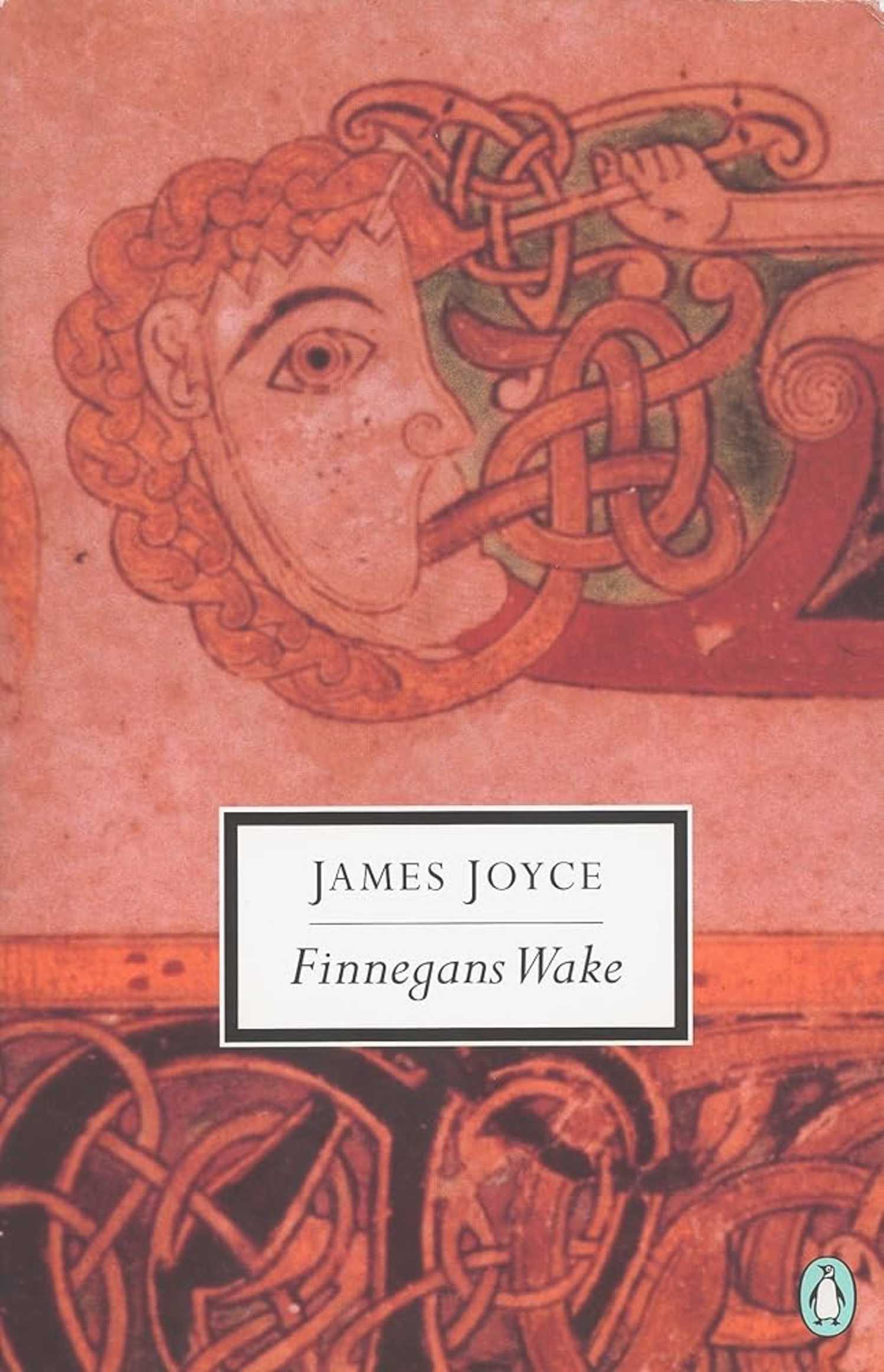
James Joyce’s Finnegans Wake isn’t just difficult to adapt into a film – it’s famously hard to read. While it’s an impressive work of art, the writing is extremely complex and confusing. The pleasure of reading Finnegans Wake doesn’t come from fully understanding it, but from the challenge of grappling with its puzzles.
If you look past the complex writing, you’ll find that Finnegans Wake actually explores a surprisingly modern issue: the harm caused by false information. The story centers on a family facing scandal involving the father, and at its core, it resembles a contemporary drama – though it’s hidden beneath layers of highly imaginative and often confusing language.
The unique language of Finnegans Wake – how Joyce stretched English to its absolute limits – is almost impossible to copy. However, a film version that captures the book’s dreamlike quality and open-endedness, and makes it relevant for modern viewers, could be a compelling addition to the experience of reading Finnegans Wake, even if it wasn’t flawless.
Gravity’s Rainbow
By Thomas Pynchon; Published In 1973
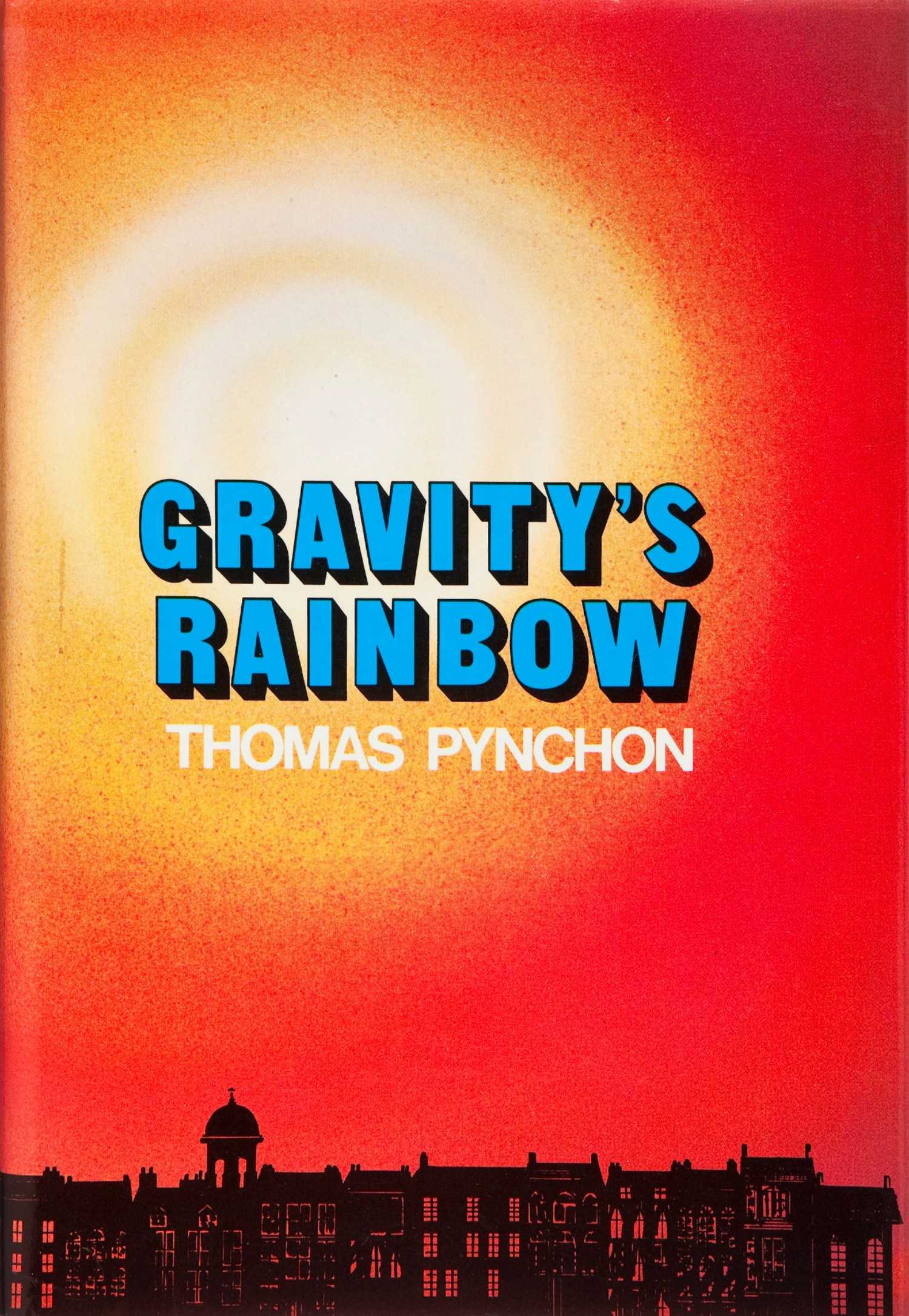
Paul Thomas Anderson’s acclaimed film, One Battle After Another, draws inspiration from Thomas Pynchon’s novel Vineland. Anderson previously adapted Pynchon’s Inherent Vice, and he remains the only filmmaker who’s successfully captured the author’s unique style on screen. While all of Pynchon’s novels are difficult to adapt, his postmodern classic Gravity’s Rainbow would be the most challenging by far.
As a film buff, I’ve always been fascinated by Gravity’s Rainbow, but wow, it’s a beast of a book! It’s incredibly expansive, with a huge cast of characters and a setting that jumps all over the place. It’s set during World War II, and you could call it a spy thriller, but it’s really a deep dive into madness and paranoia – themes Pynchon is famous for. Honestly, the way the story jumps around feels less like a traditional novel and more like it would work better as a TV series – it’s just so episodic!
While Gravity’s Rainbow is an incredibly complex and well-crafted book, its unique atmosphere – a blend of chaotic energy and playful humor alongside deep philosophical questions – would be the hardest thing to capture in a movie. It’s a difficult balance to achieve, but many would love to see director Paul Thomas Anderson take on the challenge someday.
Infinite Jest
By David Foster Wallace; Published In 1996
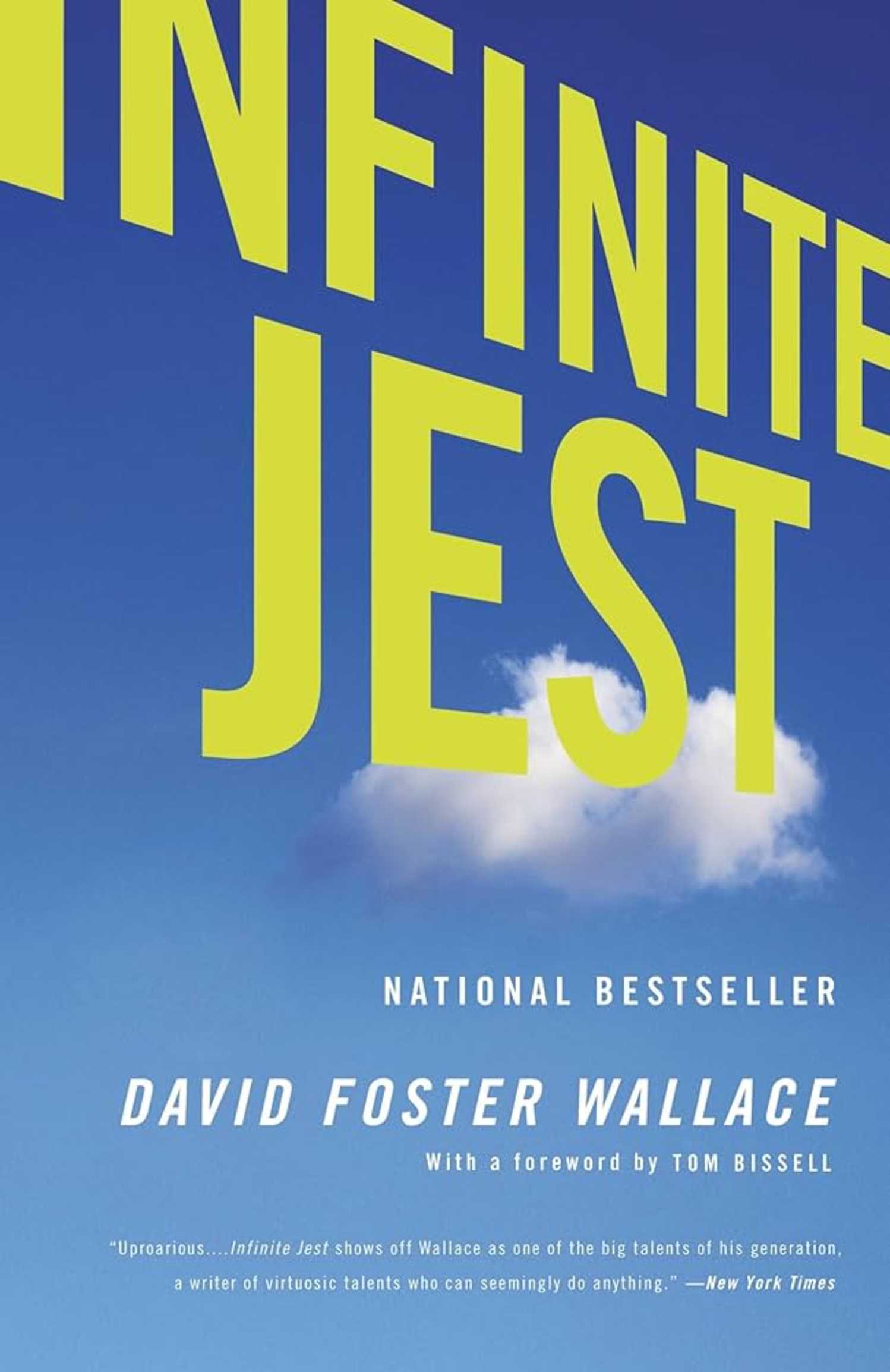
Published in the 1990s, Infinite Jest builds on the experimental traditions of novels like Finnegans Wake and Gravity’s Rainbow. It’s a demanding and intensely self-focused book that aims to fully engage the reader, rather than be simply read. Over the three decades since its release, Infinite Jest has sparked considerable debate, particularly as details of author David Foster Wallace’s difficult personal life have emerged after his death.
This book tends to divide readers – some love it, others find it too challenging. Its complex structure, detailed world-building, and overall length can be off-putting, even though it actually tells a compelling story about another family struggling with a troubled father in a futuristic, difficult world.
The ingredients for a compelling TV drama are all present: a tennis whiz, a football hero, people battling addiction, and a dangerous group seeking a uniquely destructive form of entertainment – all stemming from the legacy of a fallen family leader. However, turning David Foster Wallace’s Infinite Jest into a series would require significant changes to the original story.
House of Leaves
By Mark Z. Danielewski; Published In 2000
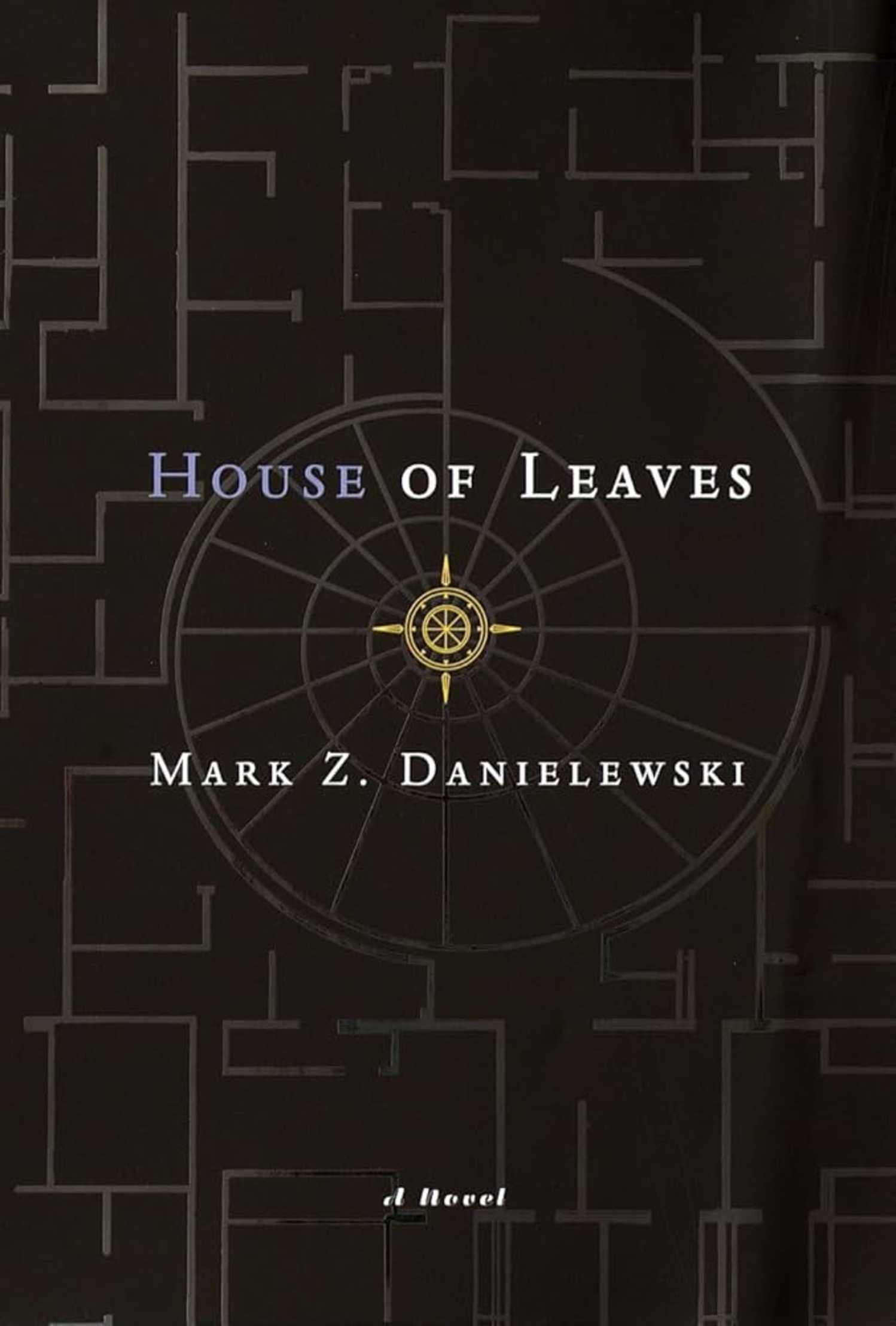
Danielewski’s House of Leaves is often compared to David Foster Wallace’s Infinite Jest, a highly influential novel. While it was first published in 2000 to positive reviews, the book continues to be praised. In 2013, Stephen King famously described it as “the Moby Dick of horror,” highlighting just how ambitious and expansive House of Leaves is.
I think House of Leaves was way ahead of its time! It really reminds me of the way shows and movies are made now, with all the mystery and secrets – you can see how it influenced creators like J.J. Abrams and Damon Lindelof. The story is set up like a bunch of found documents about a documentary focusing on a really strange, haunted house. It’s amazing to me that, even with how popular found footage films became, no one has ever made House of Leaves into a movie or TV show!
The house in House of Leaves isn’t simply haunted; it contains a confusing, endless maze that doesn’t make sense. This strange setting mirrors the book’s complex and unreliable storytelling, which is the most challenging aspect to adapt. However, of all the books discussed, House of Leaves seems the most destined for a film or television adaptation.
2666
By Roberto Bolaño; Published In 2004
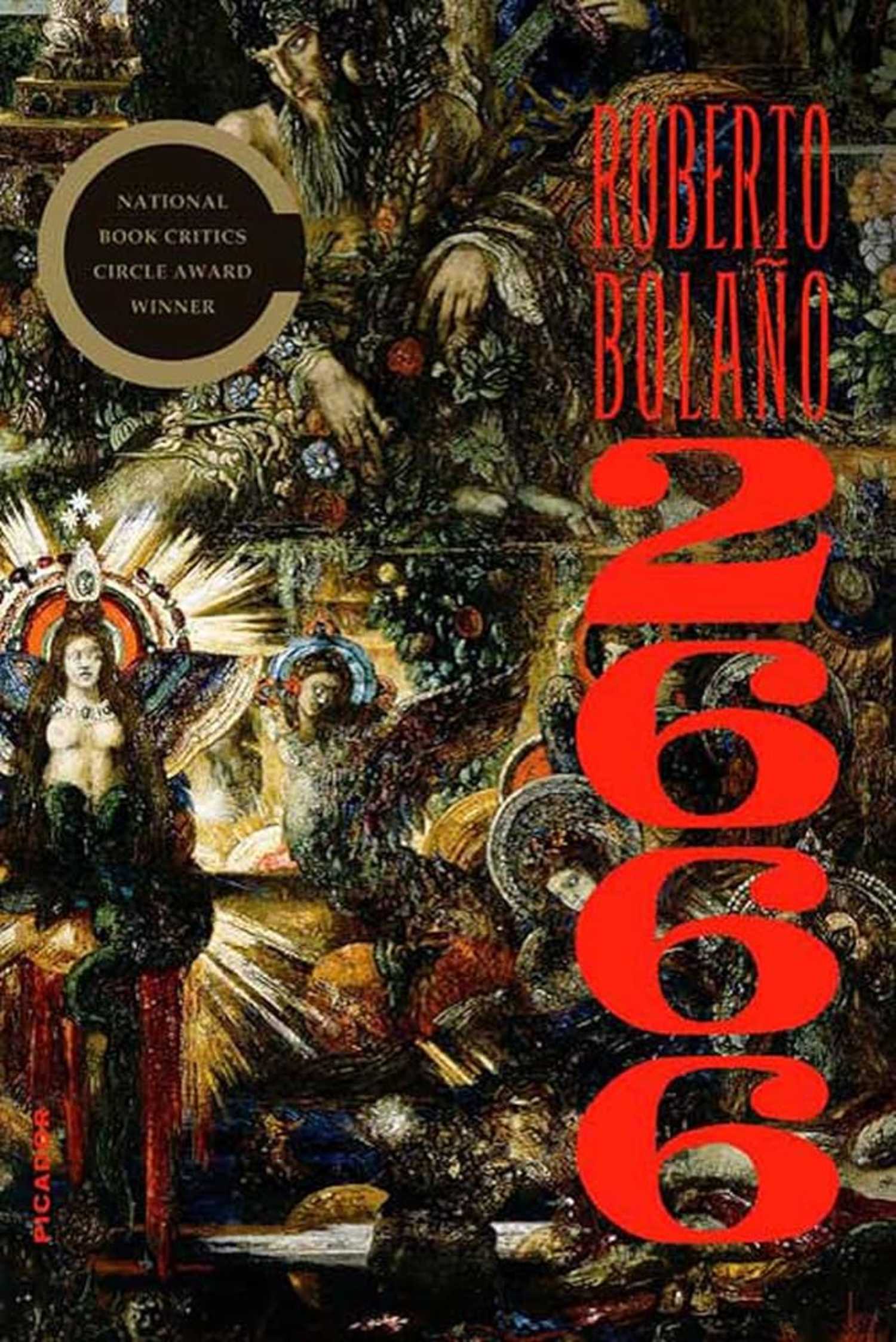
Roberto Bolaño’s last novel, 2666, is as complex and sprawling as the other books mentioned, but it’s surprisingly easier to read. While it wanders and covers a lot of ground, it ultimately feels more rewarding than challenging novels like Finnegans Wake or Infinite Jest.
Roberto Bolaño’s novel, 2666, is both unsettling and thought-provoking, blending the styles of detective stories and investigative journalism. The book follows several interconnected storylines through the eyes of various characters. What sets it apart is that, unlike many multi-perspective novels, it allows you to become invested in a character before moving on to another.
Roberto Bolaño’s 2666 feels like a classic noir thriller, but it’s much more complex and unpredictable than most. Some are already calling it the defining crime novel of its time, similar to No Country for Old Men. It’s a huge and ambitious book, which makes adapting it into a film a daunting task. However, a truly talented director could turn it into a stunning movie.
Read More
- Clash Royale Best Boss Bandit Champion decks
- Vampire’s Fall 2 redeem codes and how to use them (June 2025)
- Mobile Legends January 2026 Leaks: Upcoming new skins, heroes, events and more
- World Eternal Online promo codes and how to use them (September 2025)
- How to find the Roaming Oak Tree in Heartopia
- Best Arena 9 Decks in Clast Royale
- Clash Royale Furnace Evolution best decks guide
- Clash Royale Season 79 “Fire and Ice” January 2026 Update and Balance Changes
- Brawl Stars December 2025 Brawl Talk: Two New Brawlers, Buffie, Vault, New Skins, Game Modes, and more
- Clash Royale Witch Evolution best decks guide
2026-01-14 23:02