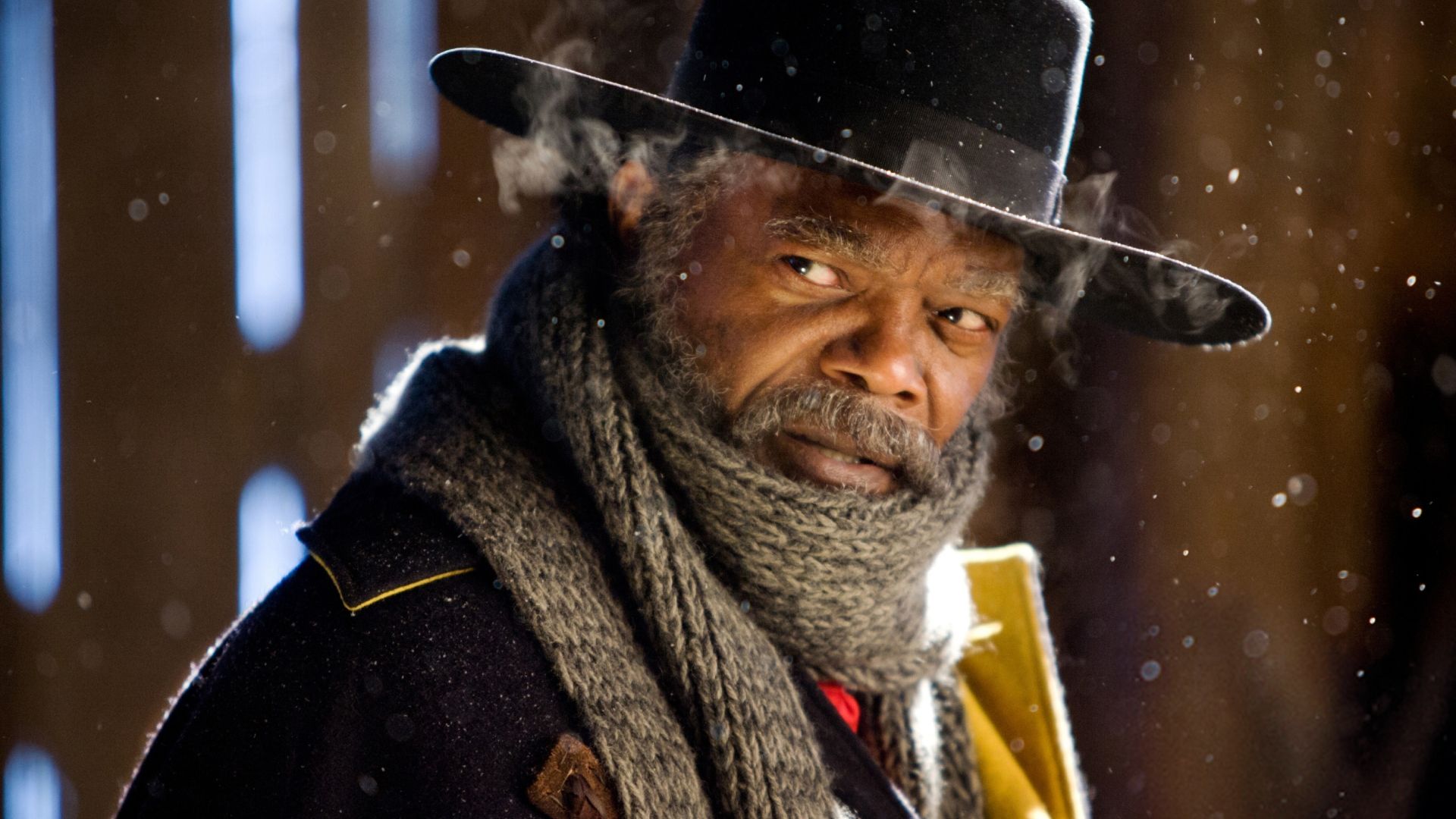
While cowboys might disappear over the horizon in movies, Westerns as a genre remain incredibly popular. For over a hundred years, they’ve become a fundamental part of filmmaking, influencing how we view concepts like right and wrong and what it means to be a hero. Westerns offer a compelling world of courage and integrity, and have become one of the most lasting traditions in entertainment.
What really makes classic Westerns endure isn’t just their beautiful scenery or tough heroes, but the powerful dialogue. Westerns are known for lines that pack a punch, because they take big themes – like right and wrong, staying alive, and what it means to be human – and express them simply and memorably.
People often revisit classic Westerns not just for fond memories, but because the dialogue still feels fresh and impactful. A memorable line can perfectly capture a character or make a scene truly stand out. It shows that even with stunning visuals and great acting, it’s the words themselves that stay with us long after the credits roll.
9
“No Man Can Walk Out of His Own Story”
The Spirit Of The West (Timothy Olyphant) – ‘Rango’ (2011)
Paramount Pictures/Nickelodeon Movies
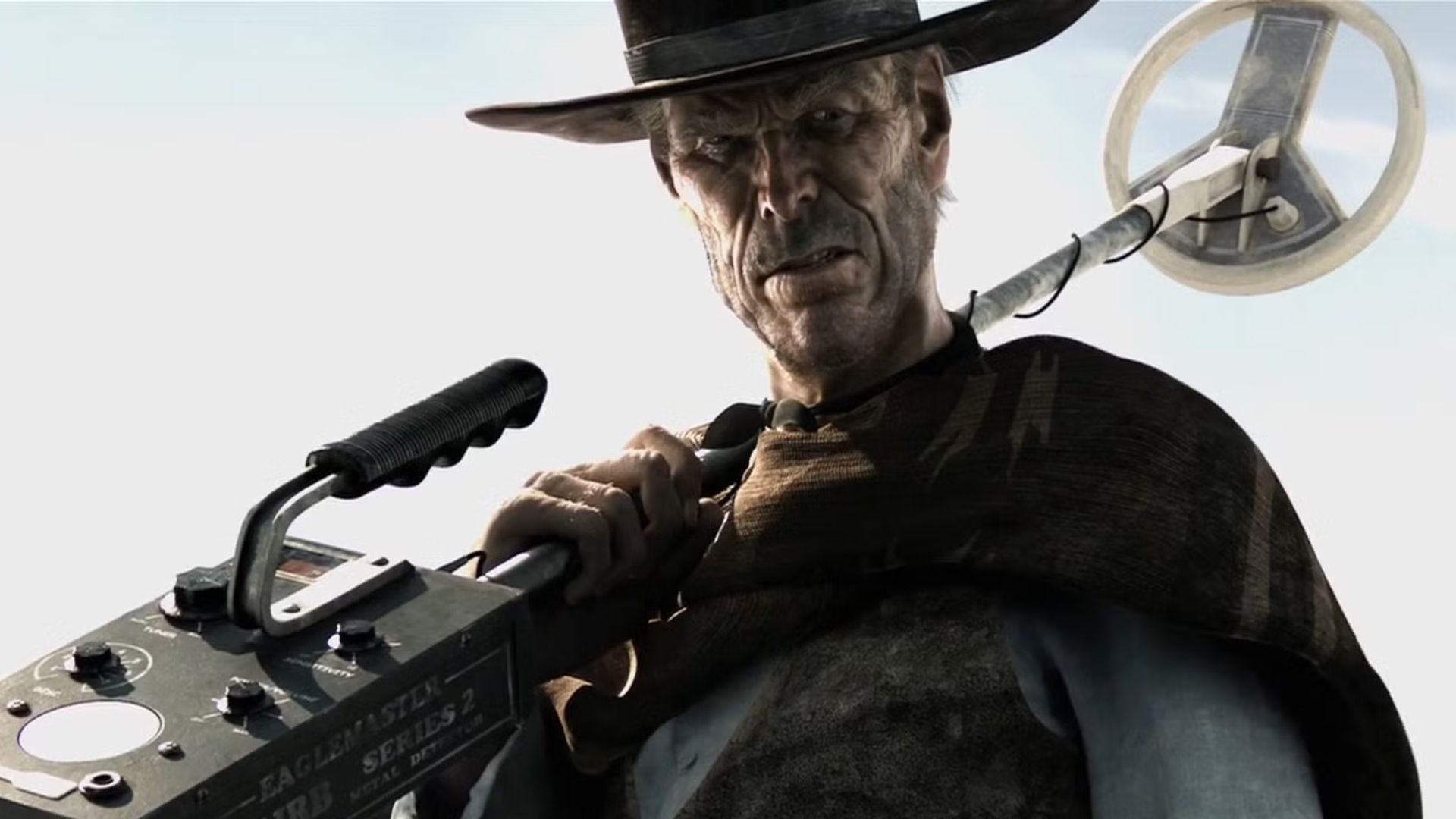
The animated film Rango, a surprisingly thoughtful choice for families, takes a turn when the main character, a chameleon who’s lost his confidence, encounters the Spirit of the West – a legendary figure voiced by Timothy Olyphant, reminiscent of Clint Eastwood. This meeting delivers a quiet but powerful message: you can’t escape your true self or the consequences of your decisions. It’s a crucial moment that finally gives Rango a clear sense of purpose.
The quote connects the movie’s clever, self-aware Western references to a genuine character journey, ultimately delivering a relatable message: taking control of your own life is complicated, and you’ll inevitably make mistakes. It’s about accepting responsibility for your story and resonates with anyone who’s tried to ignore their issues, only to find that avoidance comes back to haunt them.
8
“It’s a Hell of a Thing, Killing a Man. Take Away All He’s Got, and All He’s Ever Gonna Have.”
William Munny (Clint Eastwood) – ‘Unforgiven’ (1992)
Warner Bros.
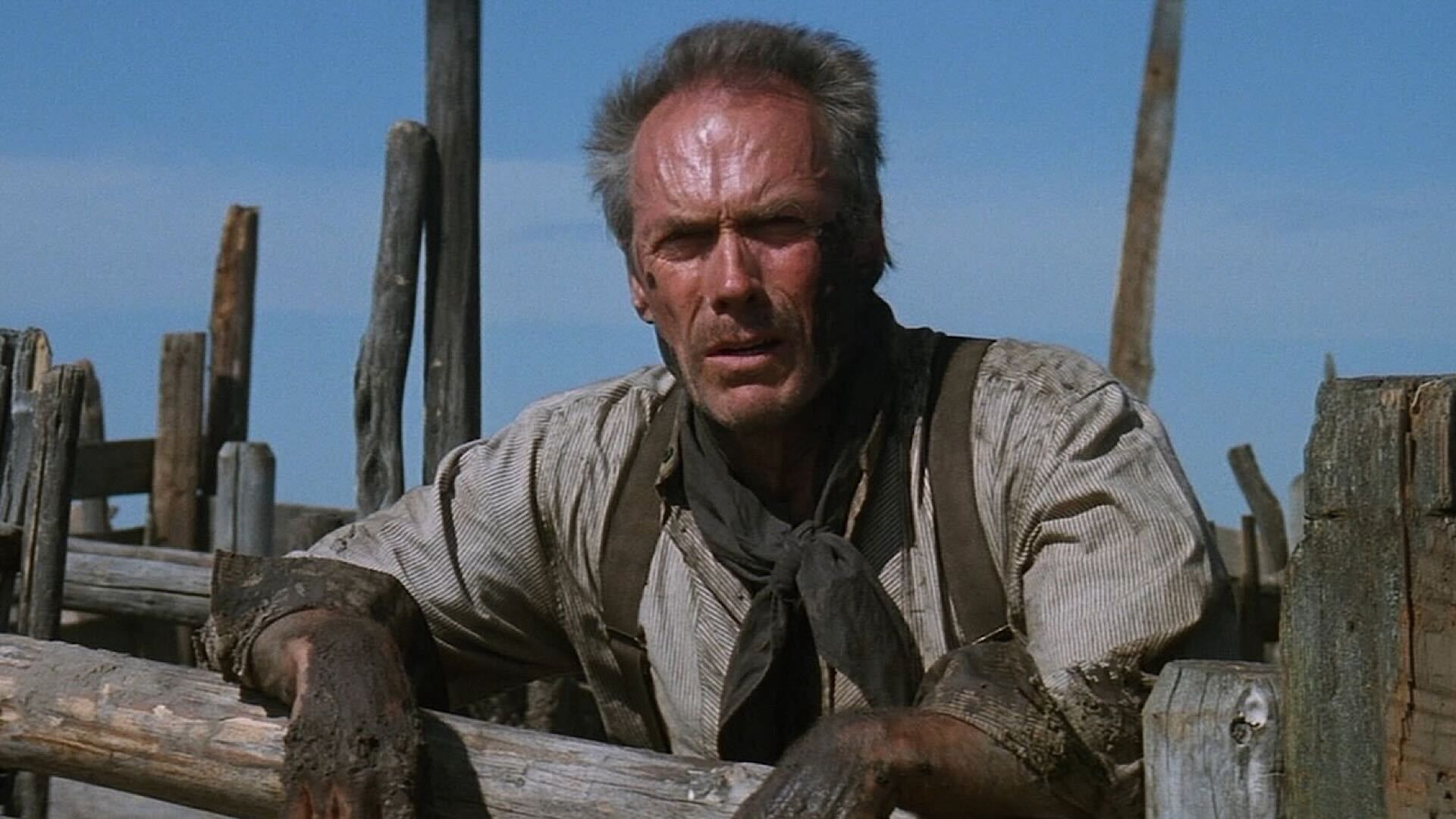
Clint Eastwood’s Unforgiven is his last directorial effort in the Western genre, and his final performance as a leading man in one. Following a violent encounter, Eastwood’s character, William Munny, pauses and shares a harsh reality with the Schofield Kid, who is deeply disturbed by taking his first life. This isn’t a sudden change of heart, but a seasoned gunslinger realizing the true price of violence – a price that extends far beyond the immediate act, robbing people of their future with every shot fired.
The film Unforgiven presents a stark and realistic view of violence, moving away from the glamorous depiction often found in Westerns. It challenges the notion of simple, clear-cut justice and shows that the consequences of harm are rarely dramatic or immediate. Instead, they build up over time, quietly eroding opportunities and disrupting the everyday moments – birthdays, routines, simple mornings – that define a life.
7
“When the Legend Becomes Fact, Print the Legend.”
Maxwell Scott (Carleton Young) – ‘The Man Who Shot Liberty Valance’ (1962)
Paramount Pictures
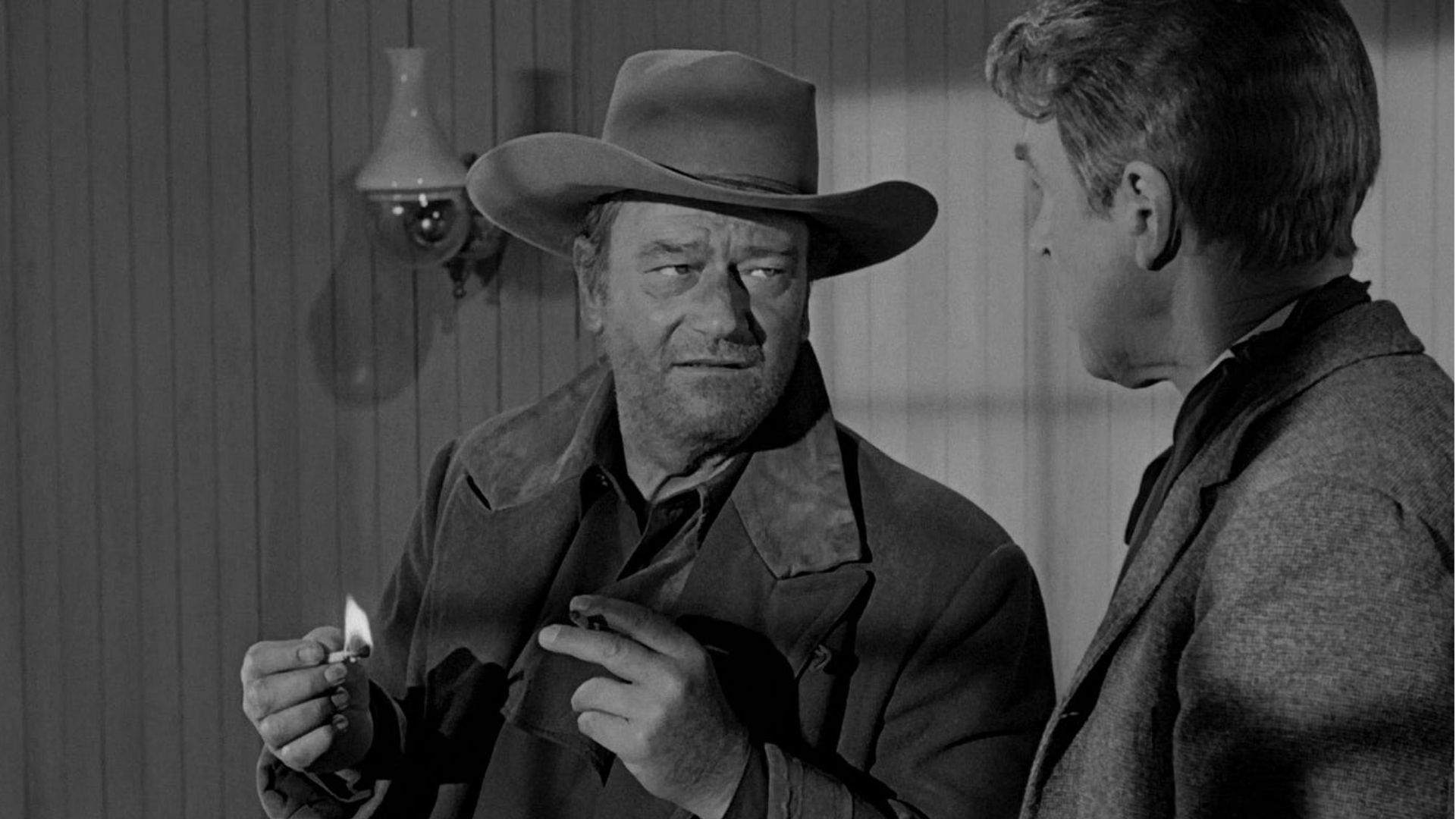
Towards the end of the film, Senator Ransom Stoddard reveals that it was actually Ted Doniphon, not him, who killed Liberty Valance. The newspaper editor, Maxwell Scott, overhears this confession but decides not to publish it, preferring the popular legend to the complicated truth. This is a shocking moment that shows how people’s images and reputations are often created and maintained, even if they aren’t entirely accurate.
Ford argues that stories shape who we are, but can also ignore the real experiences of those who suffered. We constantly encounter carefully chosen versions of events – in historical accounts, family tales, and even our social media posts. While facts can be difficult to change, the stories we tell tend to stick with us and can even influence decisions and policies.
6
“I Won’t Be Wronged, I Won’t Be Insulted, and I Won’t Be Laid a Hand On. I Don’t Do These Things to Other People, and I Require the Same From Them.”
J. B. Brooks (John Wayne) – ‘The Shootist’ (1976)
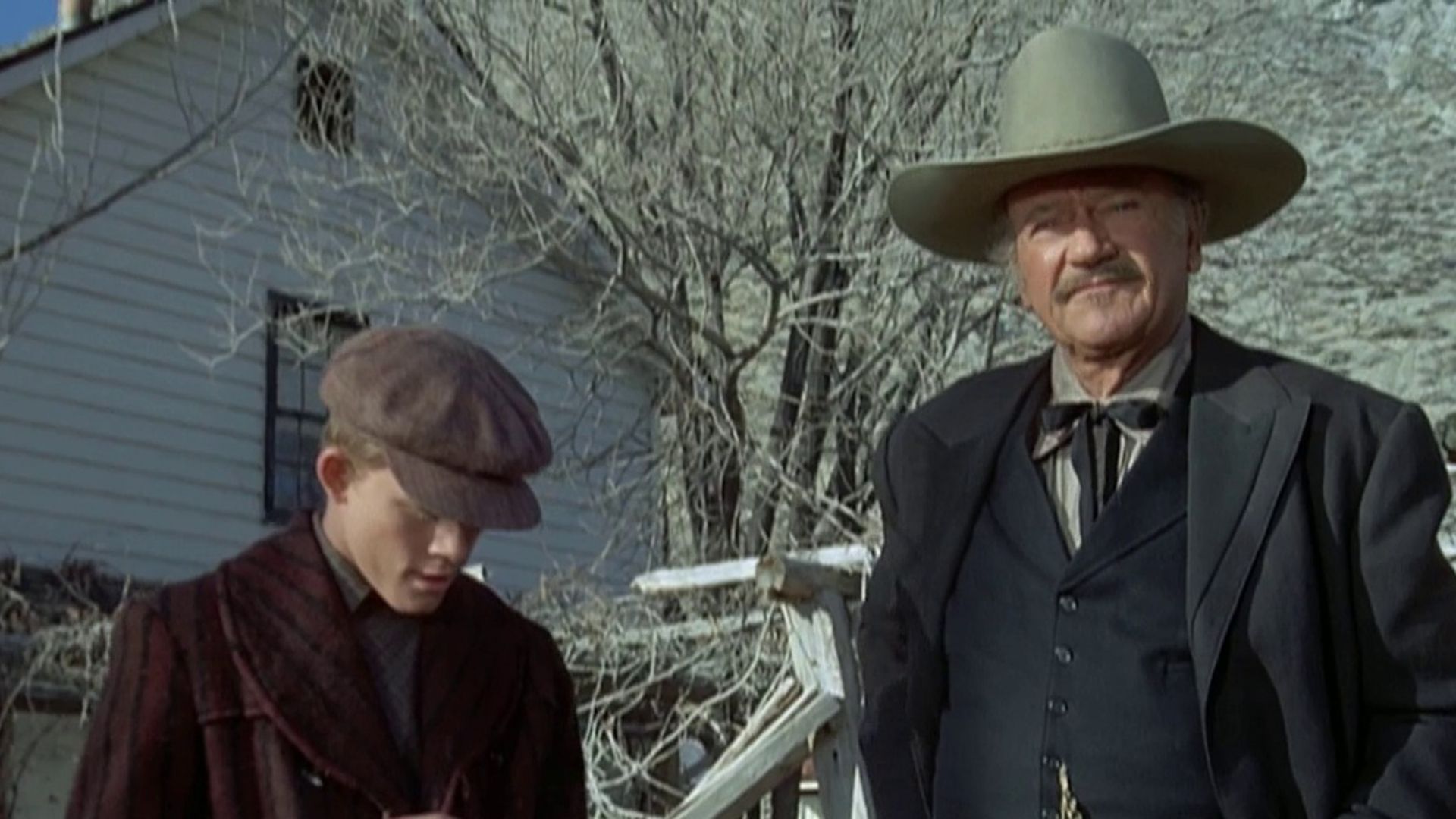
Paramount Pictures
In his last movie, The Shootist, John Wayne plays J.B. Brooks, an aging gunslinger and former sheriff who is dying of cancer. He takes a young man under his wing while facing his own death. Throughout the film, Brooks explains his simple philosophy: he just wants to be treated with respect and fairness. He doesn’t deliver this as a dramatic speech, but rather as a straightforward statement of his beliefs.
For me, that line really captures the heart of the film – even when things get tough, there are still lines you don’t cross. It feels especially powerful knowing it was John Wayne’s last role, like a perfect ending to everything he represented on screen: a strong, determined man who always held onto his own code of honor. That quote isn’t just for the movie, though; it’s a reminder that sticking to your principles isn’t outdated, it’s absolutely vital, no matter what.
5
“The Only Time Black Folks Are Safe Is When White Folks Is Disarmed.”
Major Warren (Samuel L. Jackson) – ‘The Hateful Eight’ (2015)
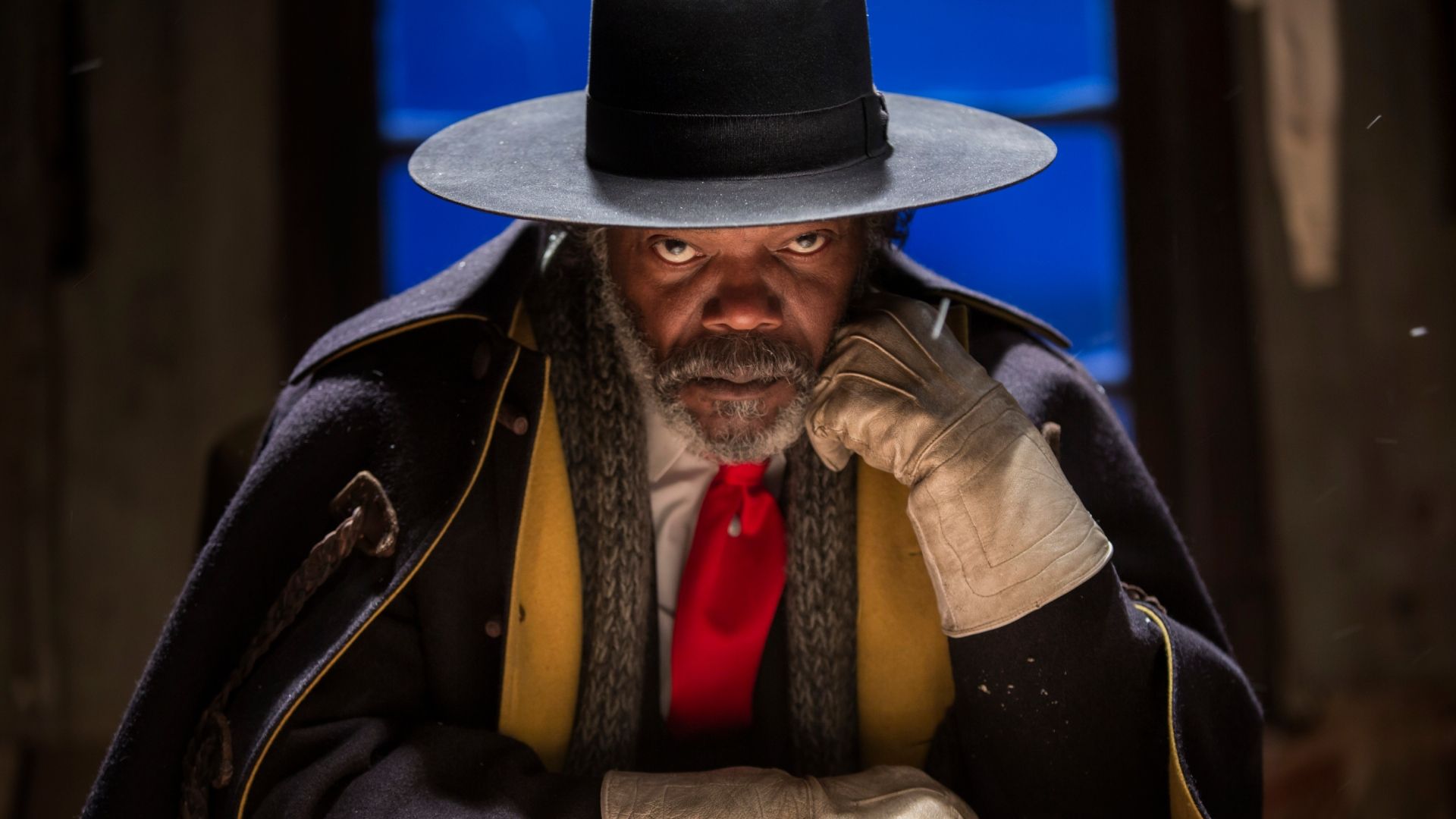
The Weinstein Company
Quentin Tarantino’s The Hateful Eight is a masterclass in building suspense, and Samuel L. Jackson’s character, Major Marquis Warren, delivers this particular line with a blunt honesty that pierces through the film’s atmosphere of distrust. Set shortly after the Civil War, Warren’s words speak not only to the immediate threat within the cabin, but also to the broader, underlying issues of ingrained violence and unequal power dynamics.
Warren confidently takes charge even when facing opposition, and isn’t afraid to reveal uncomfortable truths. Essentially, this highlights the dangers of power imbalances – how safety relies on fairness, and when one side has all the control, the other becomes vulnerable.
4
“Well, It’s Not How You’re Buried. It’s How You’re Remembered.”
Wil Andersen (John Wayne) – ‘The Cowboys’ (1972)
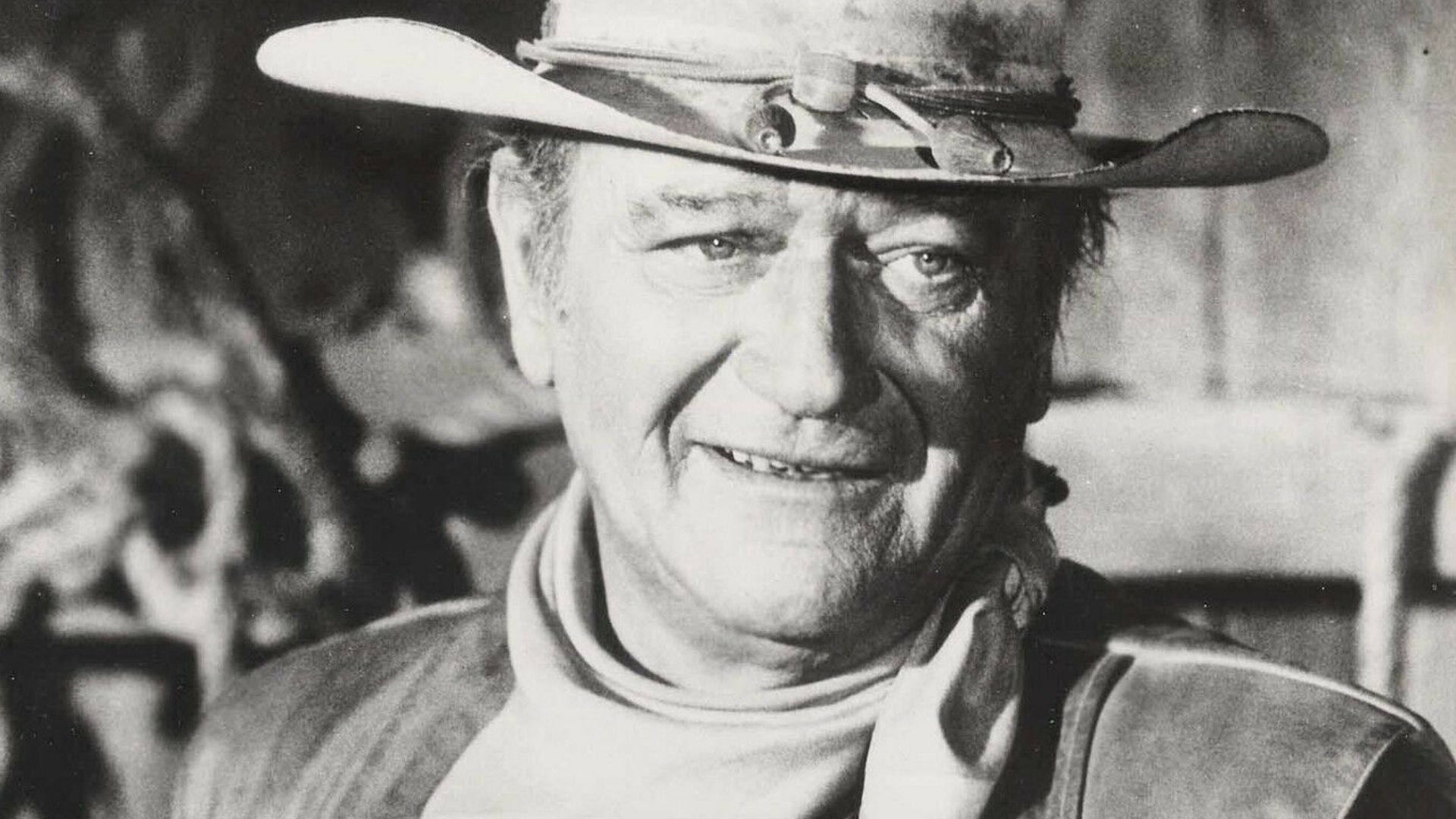
Warner Bros.
The film The Cowboys shows us a different side of John Wayne. He plays Will Anderson, an aging rancher who hires a group of young boys to help him drive cattle. Throughout the journey, Anderson shares his life lessons and contemplates his legacy. He understands the dangers of the trail, knowing death is a constant threat, but he’s more focused on what will happen after the drive is over.
The movie centers on themes of guidance, accountability, and sharing life lessons, which makes the quote a perfect fit. It highlights a powerful idea: what people remember about you is more important than any ceremony or monument. While you can’t choose how others mark your passing, you can control the lasting impression you make on their lives.
3
“My Mistake. Four Coffins.”
Joe (Clint Eastwood) – ‘A Fistful of Dollars’ (1964)
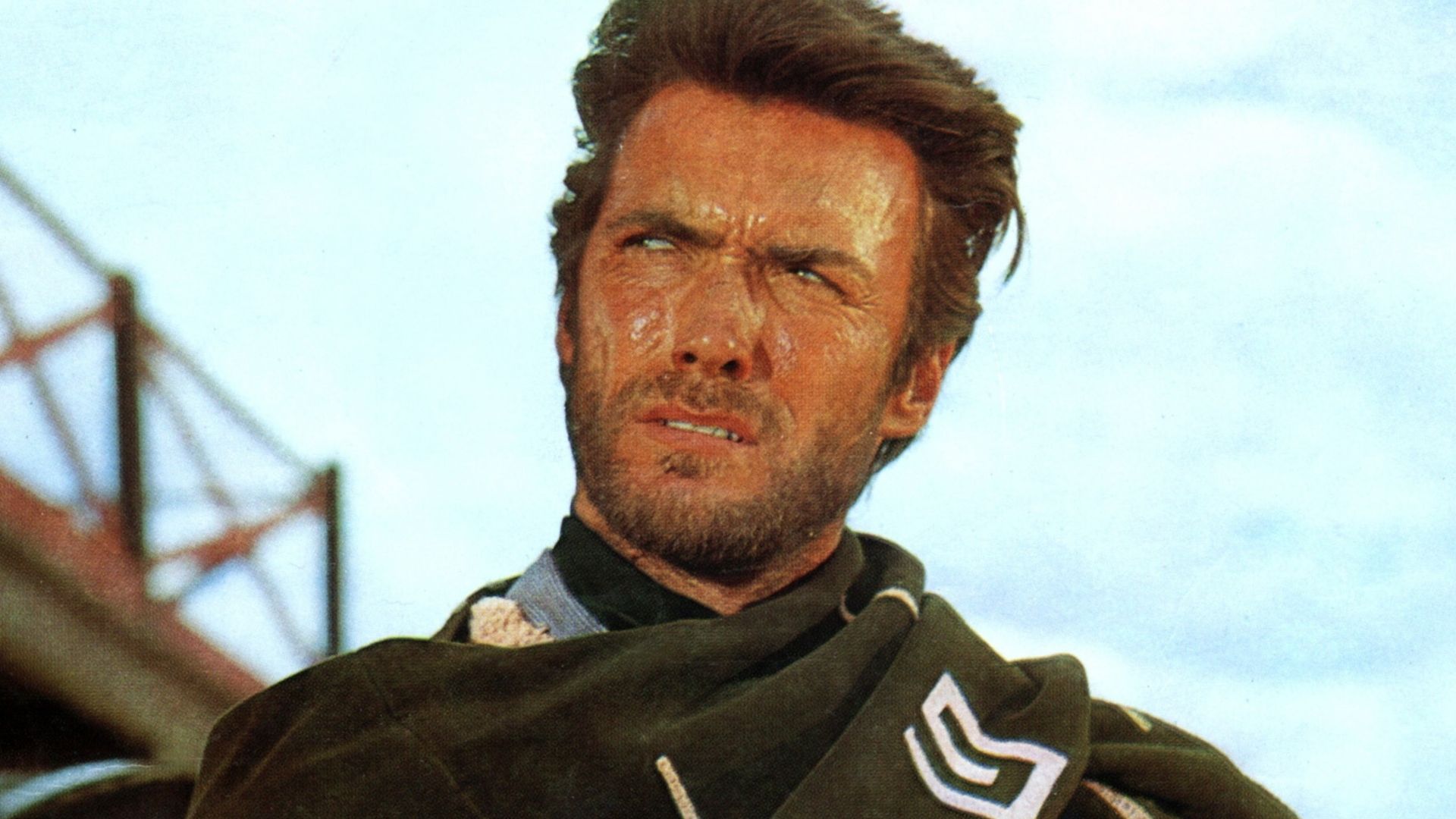
Constantin Film
Sergio Leone’s A Fistful of Dollars changed Western films, introducing a style marked by quiet moments, harsh realism, and shocking violence. The film launched Clint Eastwood’s iconic “Man with No Name” and his new type of Western hero. This quote happens right after Joe arrives in town and calmly forecasts that three coffins will be required after an upcoming fight.
After the chaos ends, four men are dead, a fact Eastwood states matter-of-factly, correcting himself to say, “Four coffins.” This line, delivered with his characteristic calm and distance, has become iconic because it perfectly reflects the unpredictable nature of life. Things rarely go as planned, results are often unexpected, and sometimes the consequences are far worse than we imagine.
2
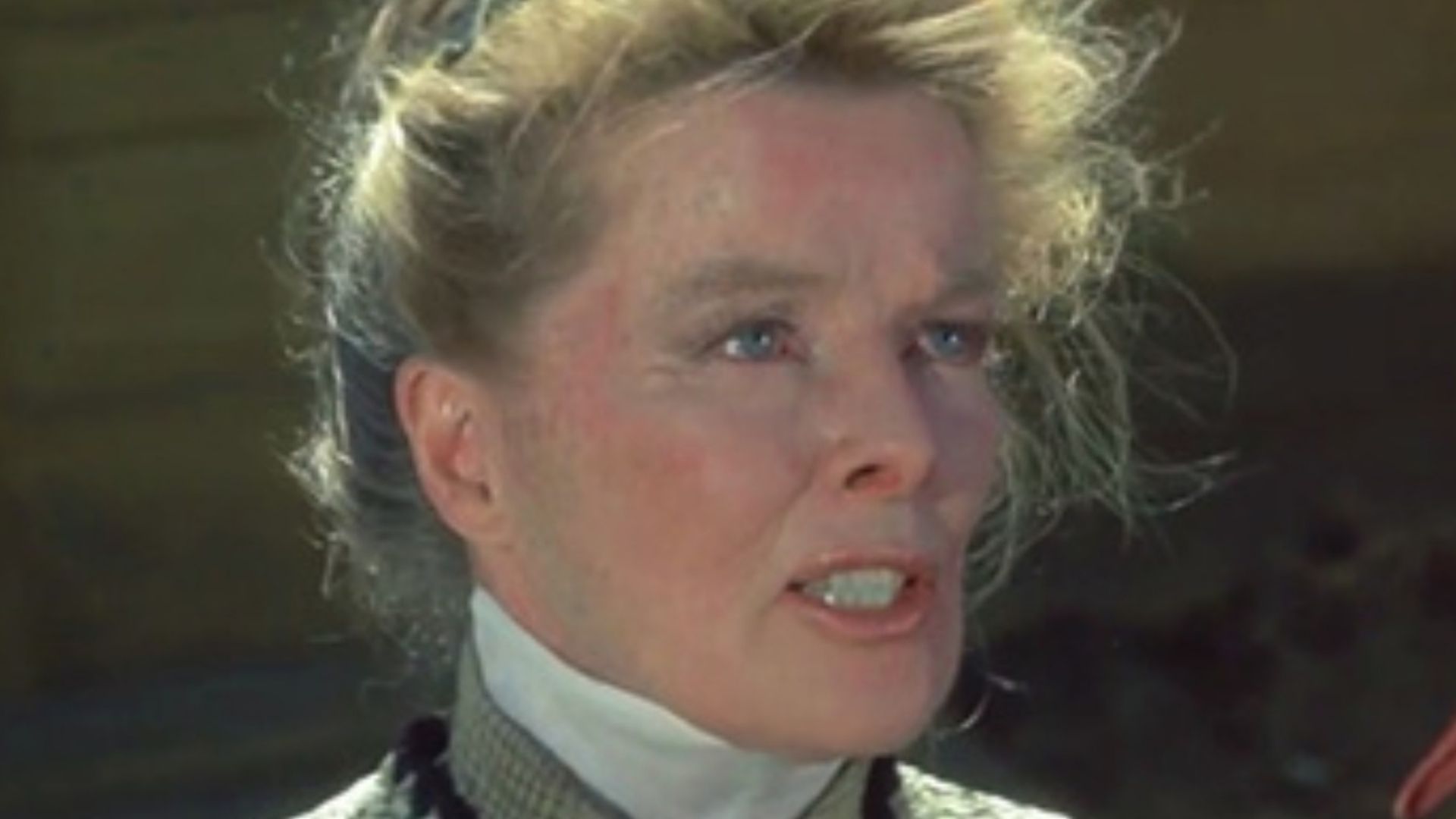
“I Know Enough About Men to Steer Clear of Them.”
Ula (Katherine Hepburn) – ‘Rooster Cogburn’ (1975)
Universal Pictures
In the film Rooster Cogburn, a sequel to True Grit, Katharine Hepburn as Eula Goodnight delivers a memorable line. Alongside John Wayne’s tough marshal, Hepburn portrays a determined missionary who is both intelligent and resolute. She quickly assesses Cogburn and the other rugged characters, and her words cleverly expose their posturing with a blend of humor and insight.
Subscribe to our newsletter for richer Westerns insight
Hungry for more context and memorable lines? Subscribing to the newsletter delivers curated analysis of Westerns, their quotes, and how they shape culture — plus similarly rigorous coverage of other storytelling traditions.
The writing isn’t angry or resentful, but honest and insightful, showing the character’s growth and self-reliance. It’s not about blaming anyone, but about recognizing unhealthy patterns, spotting warning signs, and prioritizing your own well-being. Ultimately, it’s a reminder that avoiding problems is often wiser than trying to fix them.
1
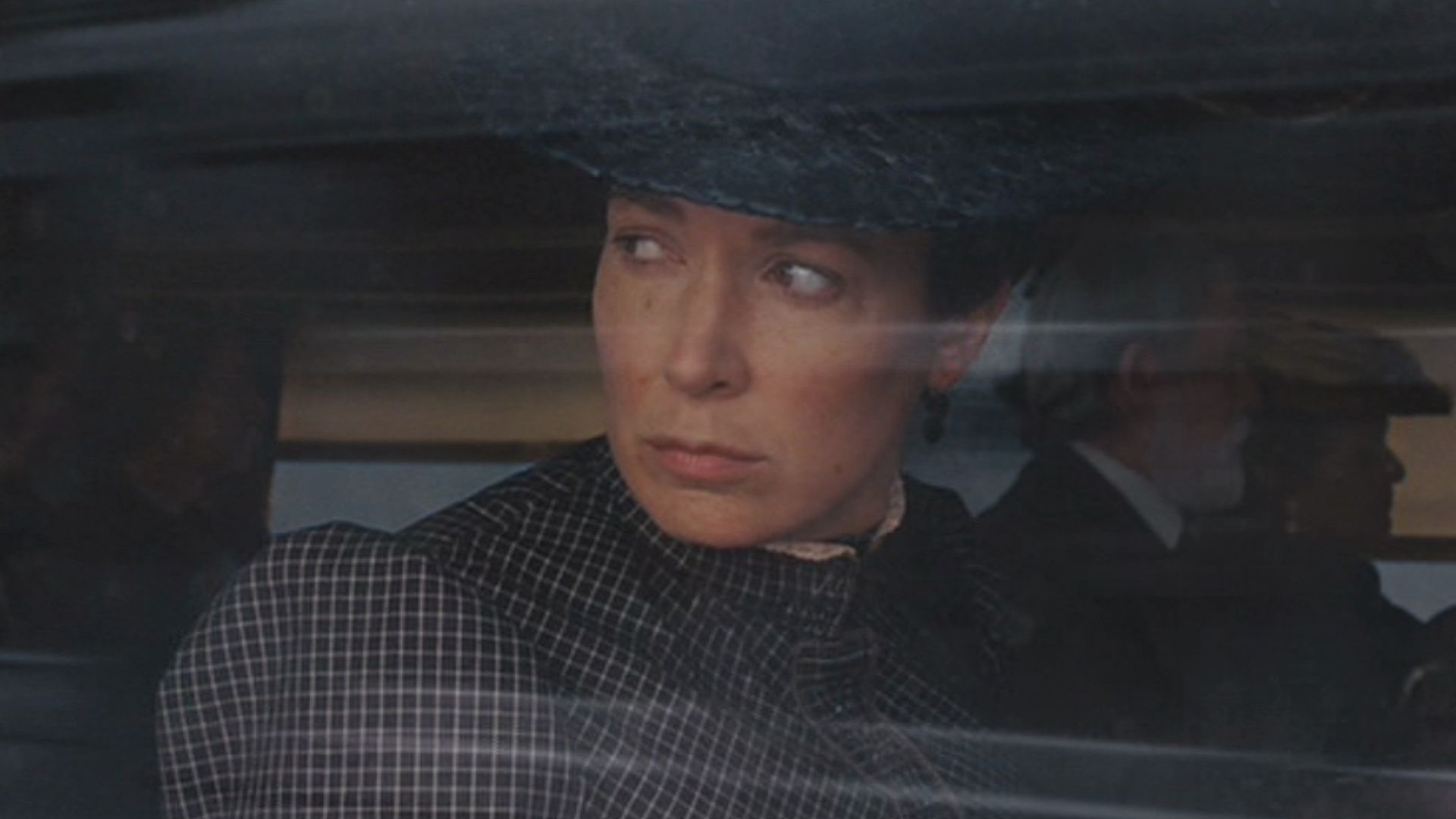
“Time Just Gets Away From Us.”
40-Year-Old Mattie (Elizabeth Marvel) – ‘True Grit’ (2010)
Paramount Pictures
The Coen brothers’ film True Grit ends with a thoughtful closing scene. An older Mattie Ross, played by Elizabeth Marvel, narrates the story looking back on her childhood adventure with Rooster Cogburn. Her final line, “Time just gets away from us,” adds a poignant touch to this tale of revenge, devotion, and the swift passage of youth.
Her words carry more weight after she talks about visiting Cogburn’s grave, making her realize how much time has passed since her younger years. It’s a feeling everyone experiences – time quietly slips away. Before you know it, years have gone by, and you start thinking about chances you didn’t take, friends you’ve lost touch with, and things you never finished. The real meaning of the story isn’t about Westerns at all; it’s about life itself.
This is just a few of the many great quotes from this genre, and there are lots more to consider. What quote would you suggest adding?
Read More
- Clash Royale Best Boss Bandit Champion decks
- Vampire’s Fall 2 redeem codes and how to use them (June 2025)
- Mobile Legends January 2026 Leaks: Upcoming new skins, heroes, events and more
- World Eternal Online promo codes and how to use them (September 2025)
- Clash Royale Season 79 “Fire and Ice” January 2026 Update and Balance Changes
- Best Arena 9 Decks in Clast Royale
- Best Hero Card Decks in Clash Royale
- Clash Royale Furnace Evolution best decks guide
- How to find the Roaming Oak Tree in Heartopia
- Clash Royale Witch Evolution best decks guide
2026-01-11 23:10