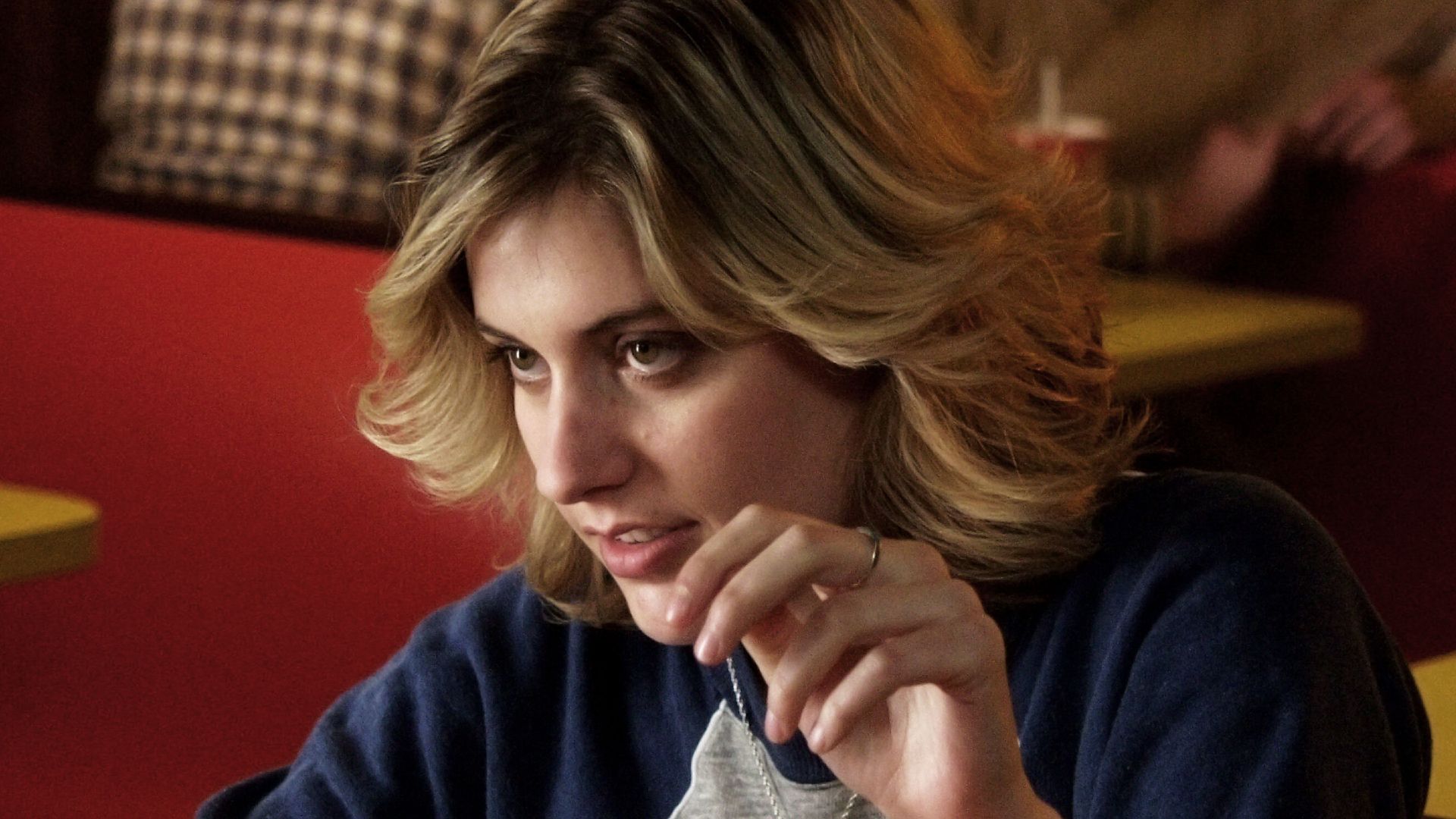
Each year, horror fans eagerly debate the best new movies. 2025 brought some standouts, like “Sinners” and “The Ugly Stepsister,” but it’s almost guaranteed you’ll miss some great films. Many hidden gems are lost on streaming services like Tubi, or simply don’t get the attention they deserve. This problem was even worse before streaming and home video were common. And when you consider horror movies made around the world, the genre produces hundreds, if not thousands, of films every year.
With so many horror movies coming out, it’s impossible to see them all – and that means some truly great films get overlooked. These 10 movies haven’t become widely known, but they’re worth discovering and sharing with others.
‘One Cut of the Dead’ (2017)

Asmik Ace
The Japanese horror film One Cut of the Dead has become a beloved favorite among fans of international horror. It’s a found footage movie about a film crew making a zombie film who unexpectedly find themselves battling real zombies. The movie is full of surprises, and the best way to experience One Cut of the Dead is to go in knowing as little as possible about the plot.
One Cut of the Dead brilliantly combines the zombie and found footage genres in a completely new way. But it’s more than just original – director Shin’ichirō Ueda created a heartfelt tribute to independent filmmaking, supported by a talented cast who perfectly balance the film’s comedy and horror. It’s a thoroughly enjoyable movie from beginning to end.
‘The House of the Devil’ (2009)
MPI Media Group
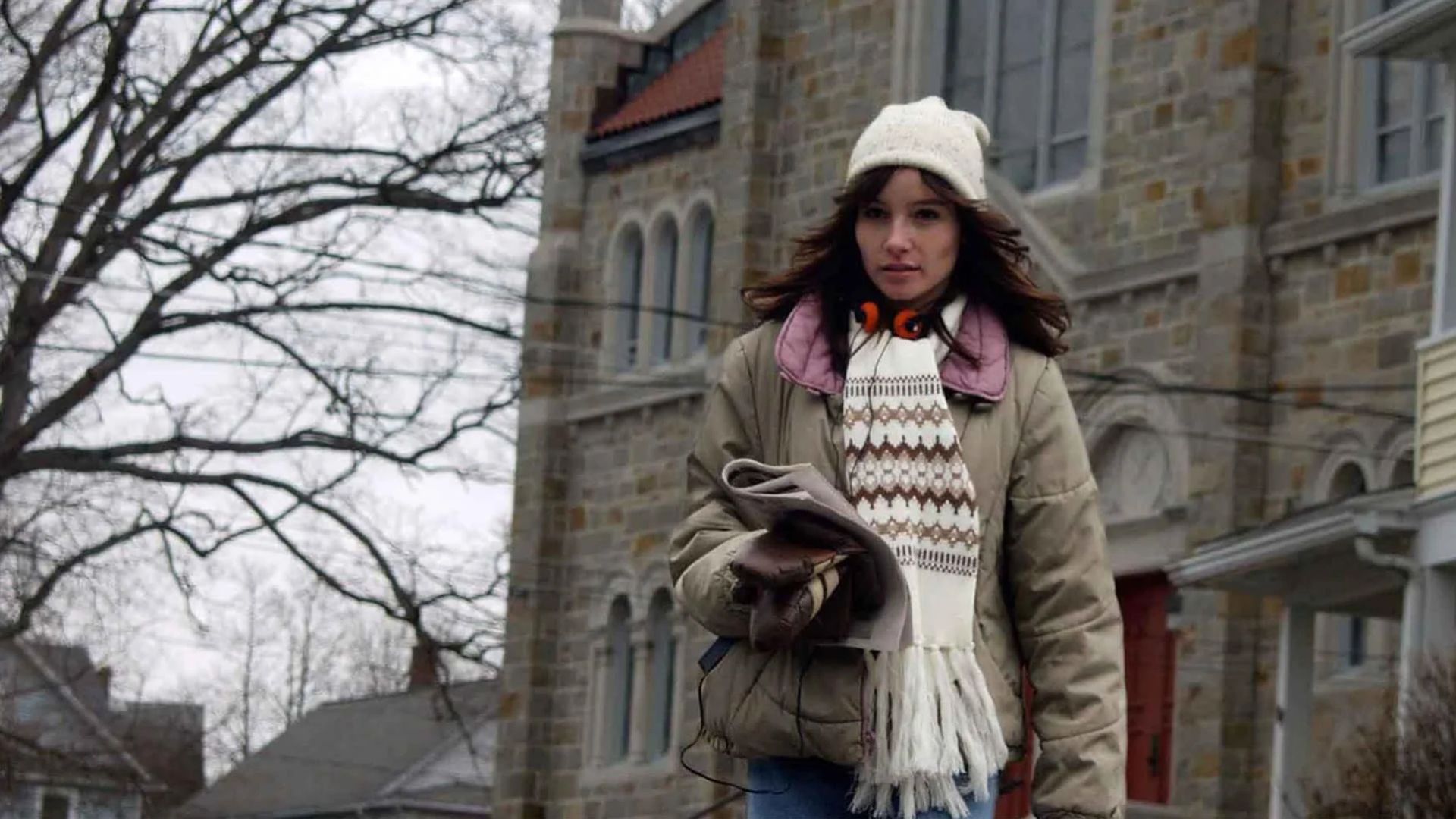
The late 2000s and early 2010s were an interesting period for horror fans. A new trend, often called ‘elevated horror,’ began to emerge, creating some disagreement among fans. While Ti West later gained widespread acclaim in 2022 with his film X, his earlier movie, The House of the Devil, sparked debate about what truly made a horror film scary. However, over time, The House of the Devil has gained recognition as one of the most visually striking and disturbing films of the decade.
The plot seems straightforward: a college student takes a babysitting job that quickly feels unsettling and suggests something dangerous is happening. The movie relies heavily on creating a creepy mood and gradually building tension towards one frightening climax. Though this approach is common in horror now, The House of the Devil stood out when it was released because of its unusual, deliberate pacing. It wasn’t the very first horror film to use this slow-burn technique, but it was an early and exceptionally well-done example – and it remains just as effective today.
‘Razorback’ (1984)
Greater Union Film Distributors
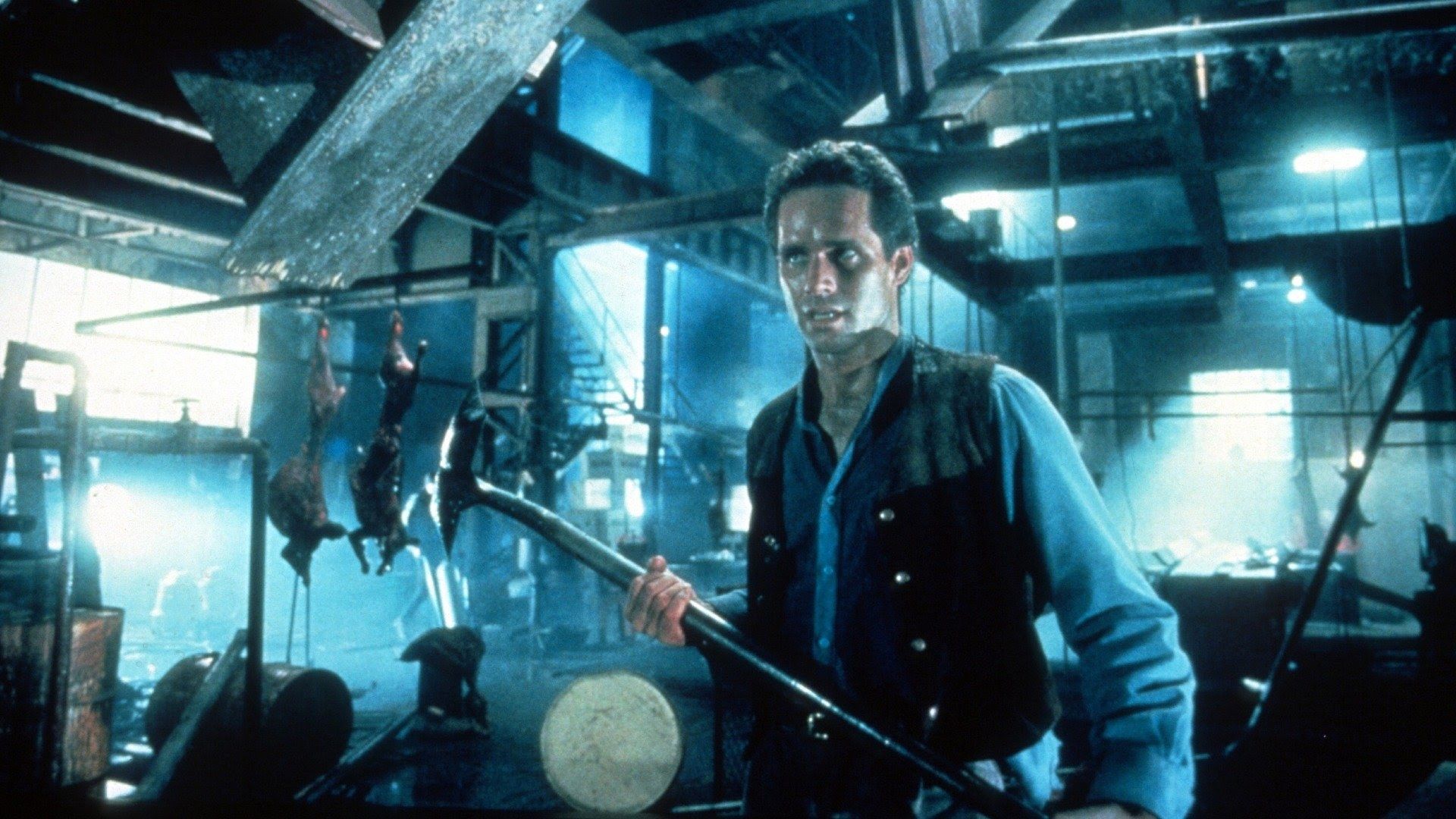
Everyone loves a good animal horror movie, right? From sharks to apes to snakes, this subgenre has always been popular with fans. There’s something inherently scary about the idea of nature fighting back, and while we’ve seen many classic animal horror films – especially from the 80s – some gems still manage to surprise us. One such overlooked film is Russell Mulcahy’s Australian thriller, Razorback, featuring a terrifying killer boar.
The movie Razorback boasts a wonderfully classic 80s aesthetic, relying on impressive practical effects and cinematography to create its terrifying creature. Director Russell Mulcahy smartly doesn’t overexpose the beast, building it up as something almost legendary through atmospheric visuals and sound. It was remarkably innovative for its time and went on to inspire many other films. Unfortunately, its strong Australian flavor led it to be overlooked by many, and it remains a hidden gem championed by a dedicated fanbase.
‘Masking Threshold’ (2021)
Drafthouse Films
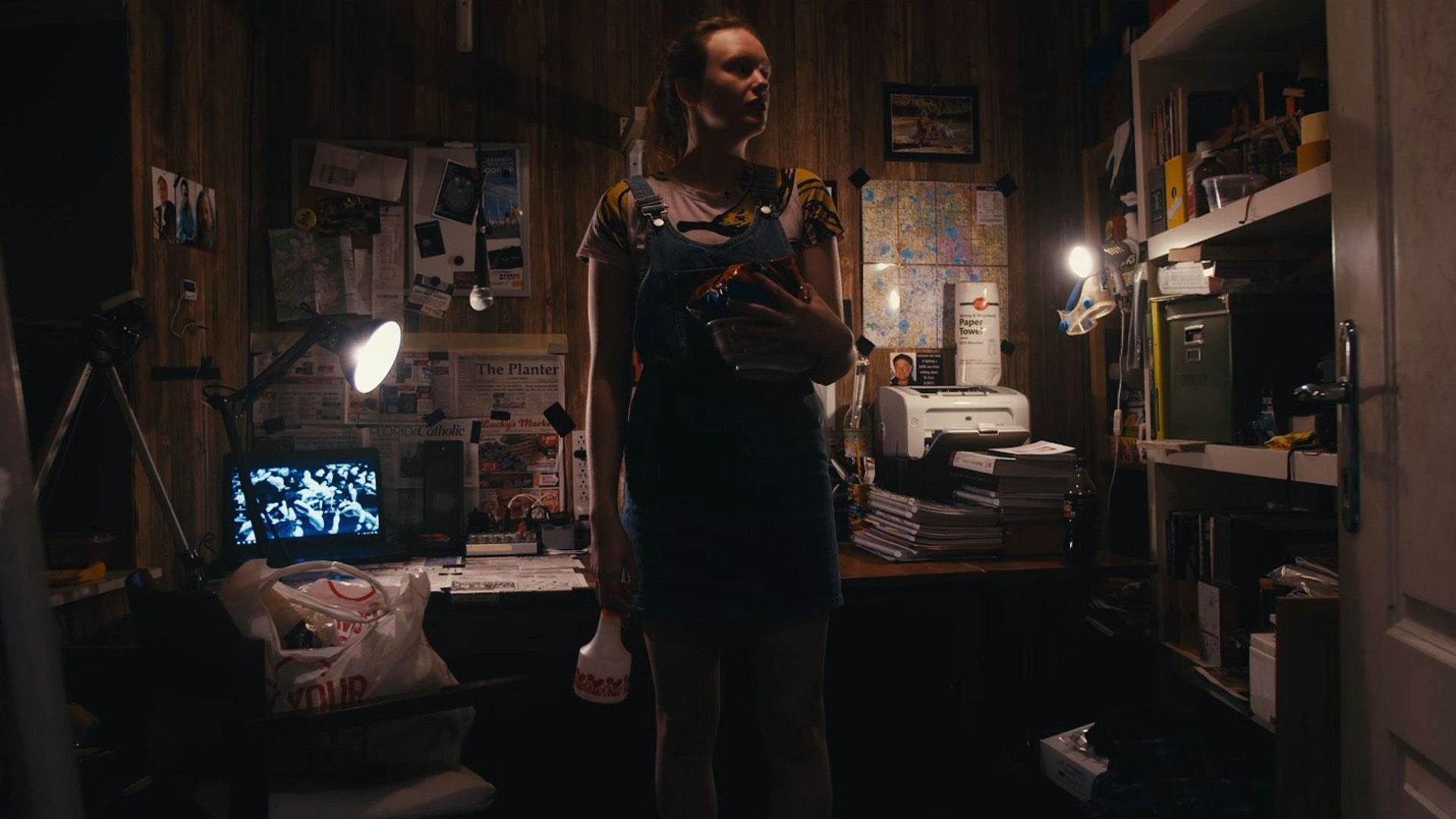
I was completely drawn in by “Masking Threshold.” It’s the story of a man haunted by sounds – almost like tinnitus, but he’s convinced they mean something. The film follows his increasingly desperate attempts to decode these sounds through some really fascinating, and unsettling, experiments. It’s not just about what he hears, but watching him descend into a terrifying obsession – it’s a really powerful experience for the viewer.
Originality is rare in today’s horror films, which is why Austrian director Johannes Grenzfurthner is gaining a dedicated following. His latest work explores his fascination with technology and art, telling a story largely through tiny cameras and direct-to-camera monologues. It’s a deeply unsettling film, but brilliantly made from beginning to end, creating a truly frightening portrayal of madness and violence. Masking Threshold is a completely immersive and unforgettable experience that could be considered a masterpiece.
‘Come True’ (2020)

IFC Midnight
Anthony Scott Burns delivers a captivating sci-fi horror film that blends dreamy sequences with terrifying imagery. The story begins with Sarah, a restless teenager played by Julia Sarah Stone, joining a research study hoping to make money and fix her sleep problems. But as Sarah participates, she starts seeing strange, unearthly beings not just in her dreams, but while awake, hinting at a dangerous gateway opening up.
Despite feeling somewhat disjointed and featuring a potentially controversial twist, Come True excels with its stunning visuals of dream worlds and the unsettling creatures within. It successfully blends the fear of sleep paralysis with the cosmic horror of Lovecraft. Rather than relying on jump scares, the film creates a creeping dread through its slow, atmospheric pacing and dreamlike quality, perfectly matching its theme of terror originating from dreams.
‘Under the Blossoming Cherry Tree’ (1975)
Toho
Many people aren’t familiar with classic Japanese horror, even though films like Onibaba and Kwaidan are celebrated for their artistic merit. Beyond those well-known titles, older J-horror movies are even harder to find unless they receive special attention or are included in collections like the Criterion series.
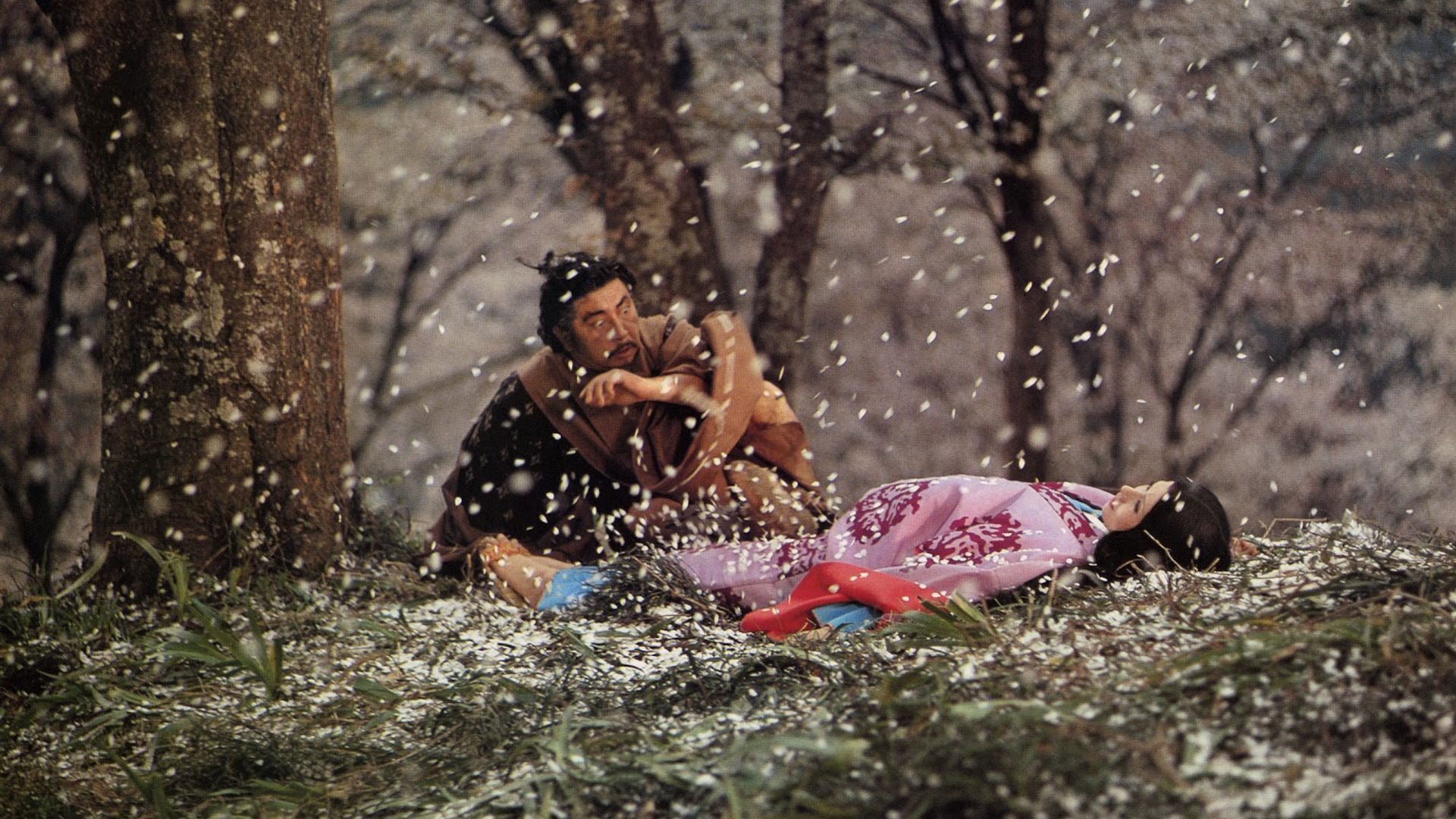
Under the Blossoming Cherry Tree is a captivating, yet little-known, film set in feudal Japan. It tells the story of a powerful warrior who takes a woman as his wife after discovering her under a cherry tree. However, their relationship takes a dark turn as she subtly manipulates him, encouraging his violent side while captivating him with her charm. The film is a seductive and unsettling exploration of human nature, and its lack of recognition is surprising.
‘Always Shine’ (2016)
Oscilloscope Laboratories
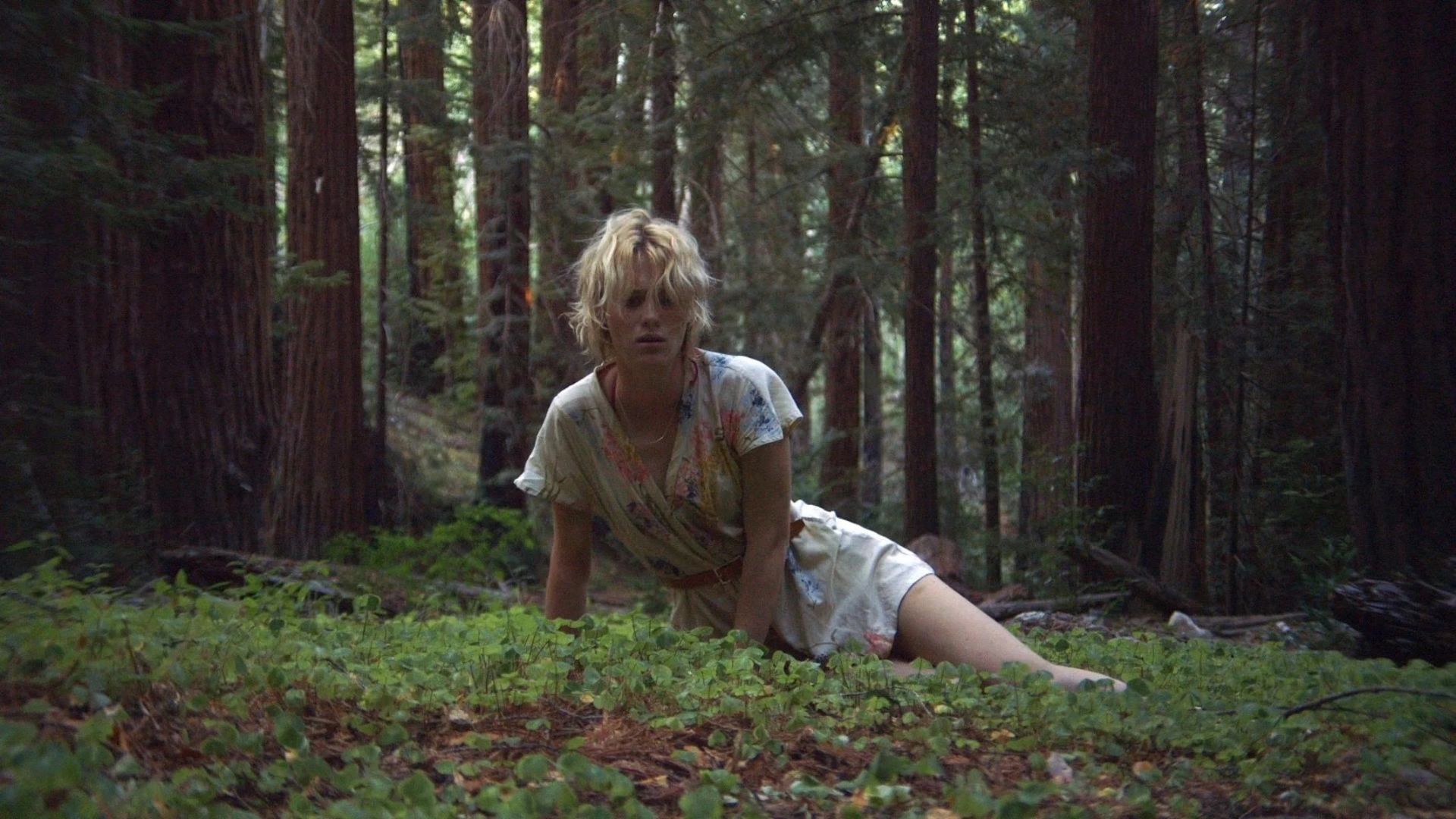
The psychological thriller Always Shine centers on two close friends, Beth and Anna, both struggling actors. Beth is experiencing some career wins, while Anna faces constant rejection. Hoping to escape the pressures of their industry and reconnect, they take a trip to a secluded cabin. However, a single event throws their peaceful getaway into chaos, leading to escalating paranoia and a descent into madness.
The title Always Shine perfectly captures the film’s central theme of the desperate pursuit of fame, which drives the story’s unsettling plot. Always Shine is a deeply insightful film with powerful acting and a sharp commentary on the sexism and competitive nature of Hollywood. Given the current focus on socially relevant films, Sophia Takal’s work deserves renewed attention and praise.
‘The Witch Who Came From the Sea’ (1976)
MCI
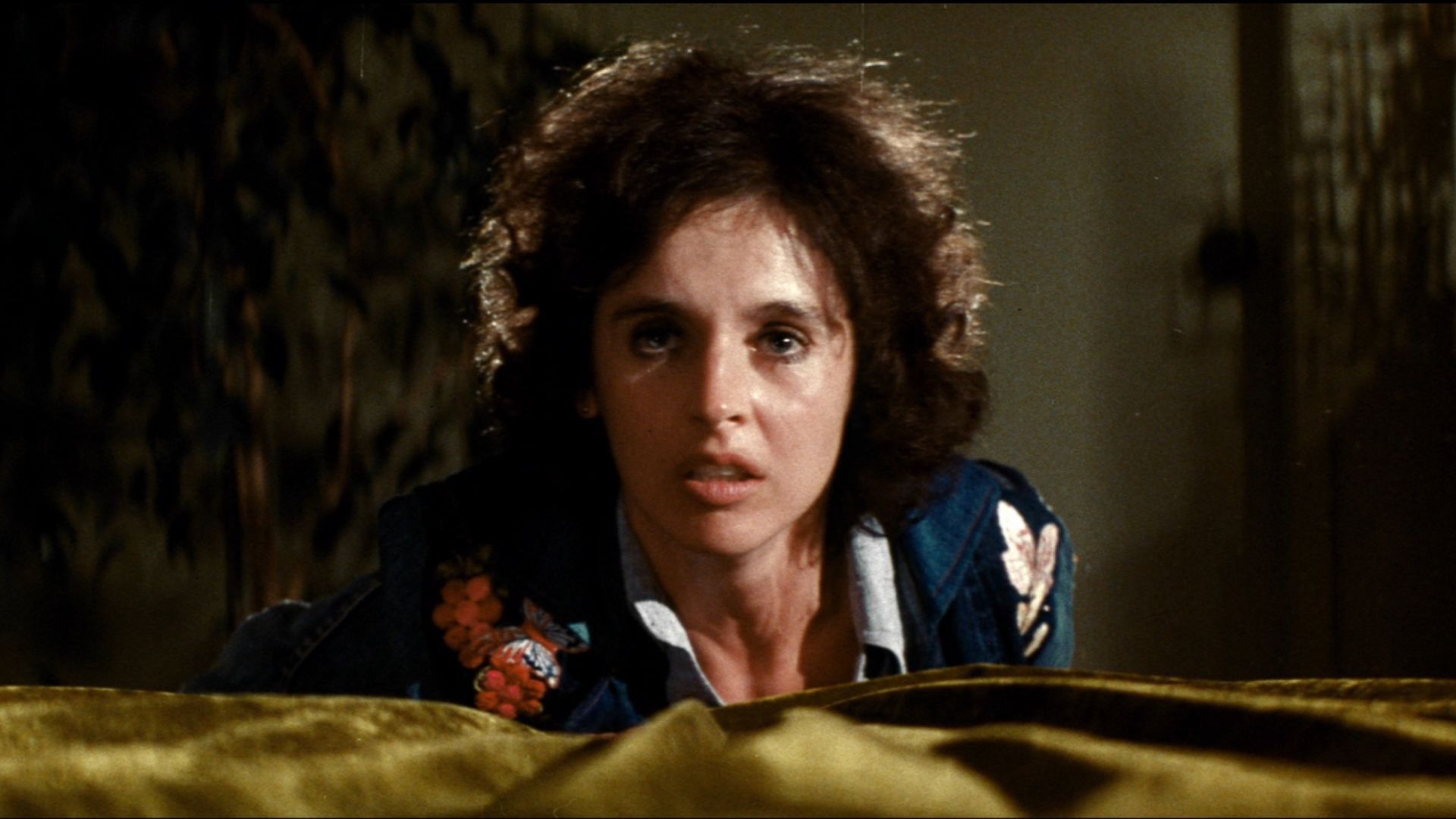
Matt Cimber’s The Witch Who Came From the Sea is a disturbing psychological horror film that was initially disguised by its exploitation elements. The story unfolds in a rundown beach town in Southern California, focusing on Molly (Millie Perkins), a bartender grappling with her own mental health and caring for her alcoholic brother. Both are haunted by a difficult childhood with an abusive father, but for Molly, long-held emotional pain begins to surface as dangerous, violent impulses connected to her sexual desires take hold.
Unearth Obscure Horror Gems—Subscribe to the Newsletter
Subscribe to the newsletter for curated recommendations, contextual notes, and championed obscure horror films—discover lost classics, international oddities, and deep-dive perspectives to expand your horror watchlist.
Though often categorized with other sensational films from the 1970s, The Witch Who Came From the Sea offers a unique take on the exploitation genre. Unlike most films of that era, which focused on titillating violence or satisfying revenge, this movie portrays trauma as a repeating, disturbing cycle with no easy answers. Its dark atmosphere, unflinching depiction of sex and violence, and confusing plot led some to dismiss it as lowbrow, while others simply didn’t understand it. It was a film that was ahead of its time, and remains just as impactful today.
‘Alucarda’ (1977)
Yuma Films / Films 75
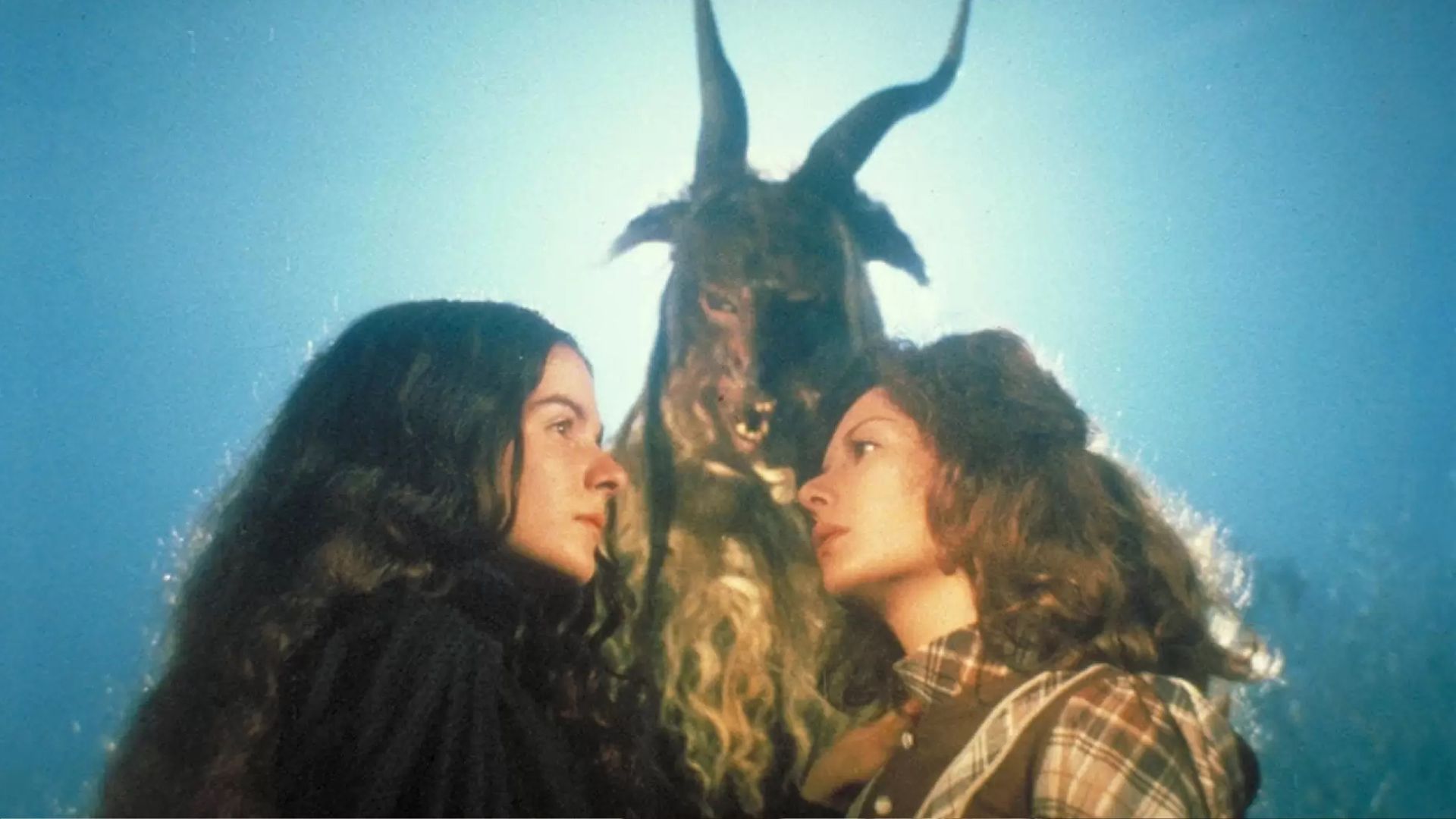
Originally categorized as exploitation, the Mexican folk horror film Alucarda has gained more recognition over time, though it remains less well-known than other important films in the subgenre. The story centers on Justine (Susana Kamini), a young orphan who is sent to a secluded convent and becomes involved with Satanism through her friendship with the defiant Alucarda (Tina Romero). This connection sets off a chain of events that leads to the unraveling of the church as they struggle to banish the devil.
Alucarda is a wild and unique film, blending different genres like gothic vampire stories and the sensational ‘nunsploitation’ style. It’s visually striking, often using psychedelic effects to portray religious fanaticism. While not a perfectly polished film, it’s a standout example of exploitation cinema, unlike anything else from that era. Plus, it offers a surprisingly insightful and critical look at the church, and it was remarkably forward-thinking for its time.
‘Toad Road’ (2012)

The Woodshed / Artsploitation / Random Bench Productions
Toad Road is a disturbing film that feels like a mix between a personal video diary and a frightening, drug-fueled experience. It begins with James and Sara attempting a viral internet challenge – traveling to a secluded area known for unexplained disappearances. When their friend Anna goes missing and James can’t remember what happened, he spirals into a desperate attempt to escape his guilt, turning to drugs and self-harm to numb the pain.
The horror in this film isn’t straightforward; ‘Toad Road’ feels like a mysterious, undefined presence throughout the story. The film immediately asks us: who really disappeared on Toad Road? But where it truly succeeds is in its incredibly realistic portrayal of a man falling apart. James’s desperate search for forgiveness leads to a downward spiral of self-destruction, creating a uniquely unsettling experience. Imagine a low-budget, realistic drama slowly descending into genuine horror and despair – that captures the essence of what director Jason Banker has achieved.
Read More
- Clash Royale Best Boss Bandit Champion decks
- Vampire’s Fall 2 redeem codes and how to use them (June 2025)
- Mobile Legends January 2026 Leaks: Upcoming new skins, heroes, events and more
- World Eternal Online promo codes and how to use them (September 2025)
- Clash Royale Season 79 “Fire and Ice” January 2026 Update and Balance Changes
- Best Arena 9 Decks in Clast Royale
- Best Hero Card Decks in Clash Royale
- Clash Royale Furnace Evolution best decks guide
- FC Mobile 26: EA opens voting for its official Team of the Year (TOTY)
- How to find the Roaming Oak Tree in Heartopia
2026-01-10 05:05