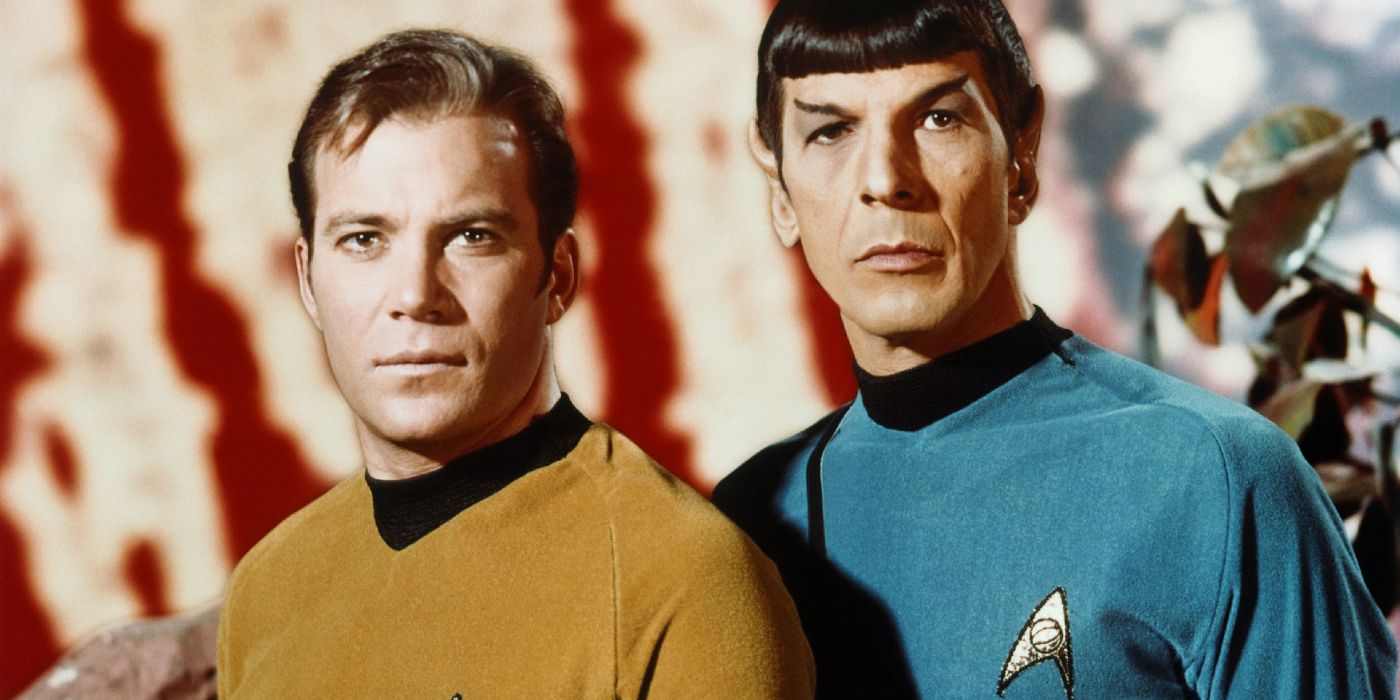
This franchise is known for its hopeful outlook on the future, stemming from Gene Roddenberry’s idea of a time when people have moved beyond basic survival. But occasionally, episodes challenge this optimistic vision by showing a more troubling side of that future. These stories, which go against the usual tone of the series, are particularly memorable.
In its early days, Star Trek offered a hopeful alternative to the often grim tone of other science fiction shows. This inspired shows like Battlestar Galactica and Farscape, which took a much different, darker approach. However, four episodes from various Star Trek series challenged the show’s usual optimistic style and explored more complex and unconventional themes.
Star Trek: The Next Generation’s Conspiracy Episode Shattered Starfleet’s Perfect Image
The episode “Conspiracy,” which is Season One, Episode 25 of The Next Generation, highlights the show’s initially difficult beginnings. The series faced challenges with frequent changes in writers and the actors taking time to settle into their characters. However, it quickly demonstrated potential by daring to challenge the established norms of Starfleet. In this episode, it’s revealed that Starfleet Command has been infiltrated.
The initial script involved a military takeover by humans, but it was changed to focus on the alien parasites from the episode. The story was already quite different from Gene Roddenberry’s original ideas, and he agreed to it only if it demonstrated that Starfleet was compromised by something alien, leaving its crew helpless. This change was enough to keep the episode somewhat aligned with Roddenberry’s overall vision.
This episode not only shows Starfleet in a vulnerable position, but it also features intense visual effects that led to censorship in some areas. The episode culminates in a shocking scene where Riker and Picard fire their phasers at the infected Remmick, causing his body to burst open and reveal the creature controlling him.
The episode included a warning for viewers in Canada, and the version shown on the BBC had some scenes cut. Specifically, much of the tense showdown with Remmick and the reveal of the main parasitic creature were removed. “Conspiracy” shows The Next Generation taking a more aggressive turn, which was unusual for a series generally known for solving problems through conversation and peaceful negotiation.
The situation in “Conspiracy” forces the crew to confront difficult ethical dilemmas, a departure for the series. Riker and Picard find themselves questioning and even opposing their commanding officers, creating a conflict between their own beliefs and the established rules of Starfleet. The episode’s intensity demonstrates that even in a peaceful, advanced society, force can sometimes be necessary.
Star Trek: Deep Space Nine’s In the Pale Moonlight Episode Explores the Price of Peace
Building on the popularity of Star Trek: The Next Generation, Deep Space Nine innovated the franchise. Unlike previous series where each episode felt self-contained, Deep Space Nine – especially in its later seasons – focused on ongoing storylines and forced characters to deal with the consequences of their actions, as the show was set in one location instead of a traveling ship.
The episode “In the Pale Moonlight” (Season 6, Episode 19) presents a difficult situation: a Starfleet captain violating the Federation’s ethical code to achieve a win. This is a powerful moment, and it’s one of the strengths of Deep Space Nine as a continuing story. Because the show had spent so much time developing these characters and portraying the grim realities of the Dominion War, the audience understood the desperate choices they faced. Unlike other Star Trek series, the characters on Deep Space Nine couldn’t simply escape their problems.
In this episode, Captain Sisko has to do whatever it takes to win, even if it means bending or breaking the rules. Because Deep Space Nine focuses on a fixed location, it can explore more complicated situations. Sisko and his crew are stuck in the middle of a harsh war, and the usual Federation ideals and expectations for officers become something he can’t always follow.
As a huge fan, I still think about “In the Pale Moonlight” all the time. It’s a really tough episode because Captain Sisko does something he knows is wrong – he basically manipulates the Romulans into fighting the Dominion alongside us. He creates a fake message, making them believe the Dominion is planning to attack them, and it works. It goes against everything Starfleet stands for, and Sisko wrestles with that, but he felt it was the only way to protect the Federation. It’s a brilliantly acted episode, and Sisko’s confession is just heartbreaking.
Sisko makes a private recording, confessing his involvement in a risky plan. His initial attempt to provoke a war with the Romulans went wrong, resulting in the death of a Romulan Senator. He finishes the recording by stating he can accept the consequences, then deletes it. The episode, “In the Pale Moonlight,” is a strong illustration of the show moving away from simple, idealistic stories and embracing more challenging moral dilemmas.
Captain Janeway Must Make an Impossible Choice in Star Trek: Voyager’s Tuvix Episode
The ethical dilemma in Star Trek: Voyager’s Season Two episode, “Tuvix,” continues to spark debate among fans. Unlike many other difficult choices made throughout the series, there’s no general agreement on whether Captain Janeway’s actions in this episode constitute murder. It’s a prime example of Star Trek challenging its own core values.
Janeway’s choice in the episode differs from Sisko’s in “In the Pale Moonlight.” While Sisko kept his actions secret and justified them later, Janeway made her decision openly and in front of others. Some viewers felt Janeway essentially carried out a public execution when she refused to allow Tuvix to live. Others believed she was right to prioritize the original crew members who had been merged to create him. This ethical dilemma continues to be a source of discussion among fans.
The episode starts with a problem during transport that unexpectedly combines Tuvok and Neelix, creating a single person named Tuvix. This situation echoes an earlier Star Trek: The Next Generation episode with a similar accident. However, unlike that previous case where two versions of Riker were able to live independently, the creation of Tuvix means that if Tuvok and Neelix were restored to their original forms, Tuvix couldn’t continue to exist.
The Doctor won’t separate Tuvix, believing it would violate his medical oath to do no harm. This leaves Captain Janeway with no choice but to perform the separation herself. Unfortunately, this action leads to Tuvix’s death. While she acted to save her original crew members, many saw Janeway as the one responsible for Tuvix’s fate, effectively making her the antagonist in the situation.
The episode “Tuvix” particularly challenges Starfleet’s sense of moral righteousness by creating a truly impossible dilemma. Federation ideals offer no easy answers, and the story ultimately forces both the characters and the audience to grapple with difficult questions about free will and what it means to be alive. Rather than providing a neat resolution, the episode ends with a challenging choice that viewers are left to consider.
Star Trek: TOS’ Patterns of Force Episode Tackled Problematic Issues of Hubris
The original Star Trek series was famously hopeful and perfectly captured Gene Roddenberry’s ideals. However, while later shows like Deep Space Nine and Voyager examined how difficult situations could erode morality, this episode shows how believing too strongly in Starfleet’s strength can be equally damaging. Ultimately, it’s a warning about the dangers of excessive pride.
In Season 2’s “Patterns of Force,” a respected Federation historian, John Gill, is at the center of a troubling situation. The episode opens with the Enterprise searching for Gill near the planet Ekos. He hadn’t been heard from in months, and the Federation sent the ship to find him and determine what happened. The story explores the dangers of assuming the Federation always has the right answers – an idea that ultimately leads to Gill’s downfall.
The crew is stunned when they arrive on Ekos to find it has become a perfect copy of Nazi Germany. To their dismay, they learn that John Gill is responsible for this disturbing change. What follows is one of the most shocking storylines in the series.
Gill believes a fascist system is the most effective way to govern and is trying to implement it on the planet Ekos, aiming to avoid the usual downsides of racism and cruelty. However, the system’s structure allowed his deputy, Melakon, to quickly seize power and intends to use it to start a war.
This episode was an early instance of the optimistic future presented by Star Trek becoming more complex. It demonstrated that the Federation’s biggest dangers weren’t always external, but could arise from within its own leadership. The story forced viewers to question who the ‘good guys’ really were, and showed how easily a hopeful future can slip into a darker one with misguided actions.
Read More
- Clash Royale Best Boss Bandit Champion decks
- Mobile Legends January 2026 Leaks: Upcoming new skins, heroes, events and more
- Vampire’s Fall 2 redeem codes and how to use them (June 2025)
- Clash Royale Furnace Evolution best decks guide
- M7 Pass Event Guide: All you need to know
- Clash of Clans January 2026: List of Weekly Events, Challenges, and Rewards
- Brawl Stars Steampunk Brawl Pass brings Steampunk Stu and Steampunk Gale skins, along with chromas
- Best Arena 9 Decks in Clast Royale
- Mobile Legends: Bang Bang (MLBB) Sora Guide: Best Build, Emblem and Gameplay Tips
- How “Hey Grok” turned X’s AI into a sexualized free-for-all
2026-01-05 05:08