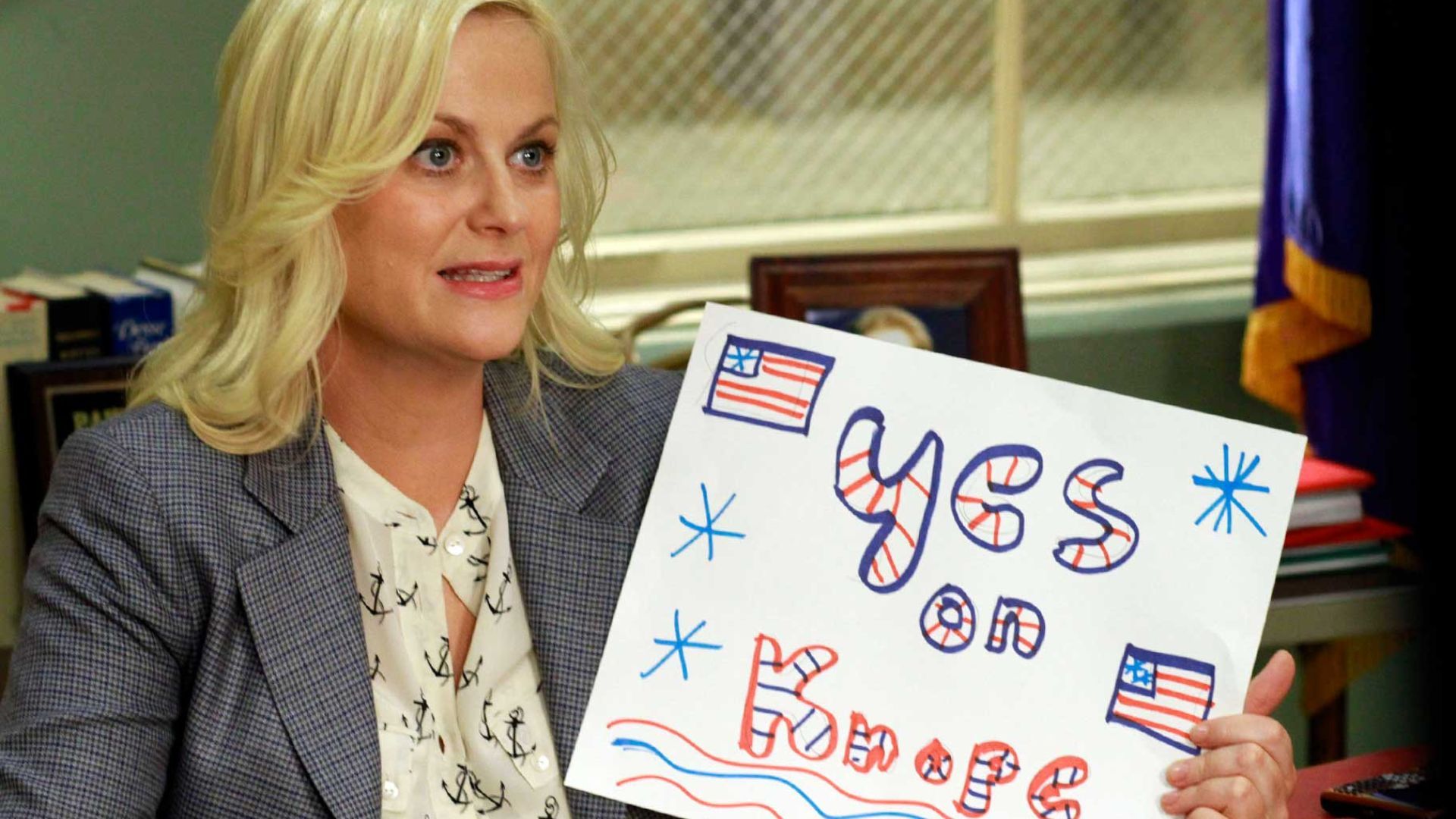
Many of the most popular sitcoms actually evolved from their initial concepts. It’s common for new shows to adjust characters or storylines as they try to stand out and connect with viewers. Producers often make these changes after seeing what resonates with the audience and what doesn’t.
Sitcoms are tricky – audiences might connect with unexpected characters, good stories sometimes fail, and jokes don’t always get laughs. Once creators fix initial problems, a show can really take off. But it takes careful writing and a focus on developing believable characters for a sitcom to truly succeed after a rocky start.
The Office (2005-2013)

The Office is a fantastic comedy that really hit its stride after the first season. The show follows a documentary crew as they film the daily lives of employees at the Dunder Mifflin paper company in Scranton, Pennsylvania.
The first season of the show had a difficult start because Michael Scott (Steve Carell), the main character, was unlikeable and often annoyed his coworkers. Viewers didn’t respond well to his personality either, so the writers decided to make some big changes. They started exploring why Michael was so awkward, and by season 2 of The Office, he became much more relatable and sympathetic, even though he still had his quirks while working at Dunder Mifflin.
The writers discovered that directly copying the original British version of The Office wasn’t resonating with American viewers. To address this, they made the character of Michael Scott more appealing by making him less harsh.
His colleagues understood that Michael’s behavior stemmed from hidden insecurities and a strong need for affection. Despite this, his tendency to create awkward moments was actually part of what made the show endearing.
Beginning with the second season, Michael Scott shifted from being inept at comedy – often misreading social cues – to excelling at what truly mattered: supporting his employees and remaining dedicated to the Scranton branch. These nuanced changes were key to The Office‘s success, solidifying its reputation as one of the greatest sitcoms ever made.
The Big Bang Theory (2007-2019)
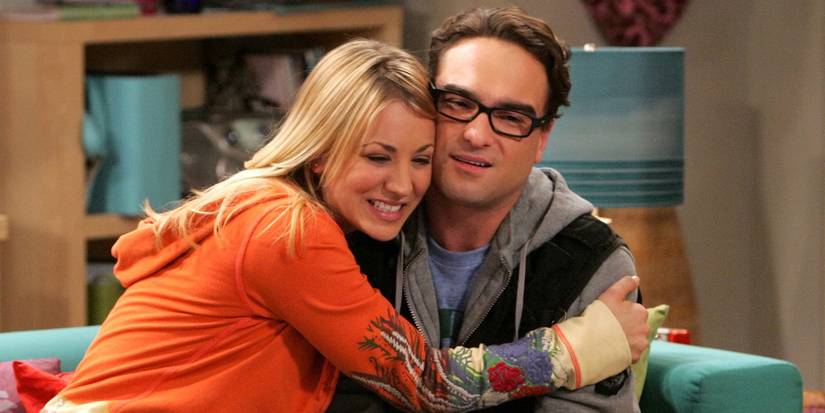
After its first season, The Big Bang Theory really hit its stride, with well-developed characters and actors who perfectly captured their unique personalities, making it one of the greatest sitcoms ever.
Sheldon Cooper (Jim Parsons) always struggled with understanding sarcasm and emotions, but he was particularly difficult to connect with in the first season of the show. He came across as arrogant and cold, and while his behavior was often funny, it made him a less sympathetic character.
In the second season, the writers made Sheldon a more sympathetic character, though they kept his unique and quirky personality. He wasn’t intentionally trying to be difficult; he simply didn’t understand how his behavior affected others. He tended to focus intensely on his own way of seeing things, and it often needed adjusting.
After establishing Sheldon’s unique personality, the writers carefully developed the other main characters, especially Penny (Kaley Cuoco). Over time, she evolved beyond being simply the bubbly neighbor; she became someone her friends could learn from as well. These subtle character improvements helped The Big Bang Theory feel like a strong, unified group, and the show thrived for twelve seasons.
Two And A Half Men (2003-2015)
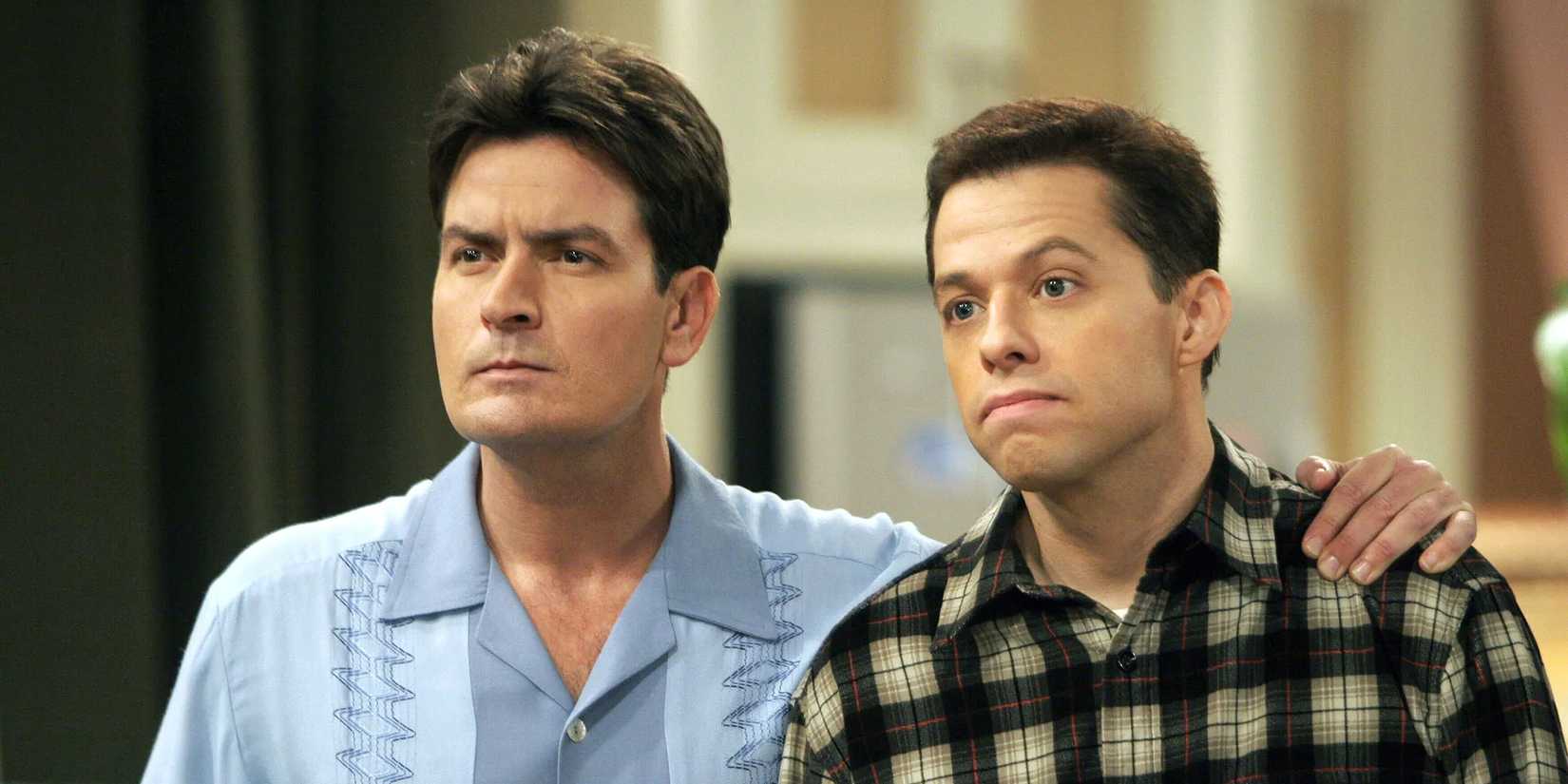
Featuring Charlie Sheen as the carefree Charlie Harper, Two and a Half Men was a popular sitcom about brothers with very different lives. When Alan Harper (Jon Cryer) separates from his wife, he and his son move in with Charlie, throwing Alan into Charlie’s fun-loving, single life.
While Two and a Half Men eventually became hugely popular and made Charlie Sheen one of the highest-earning actors on television at the time, the show didn’t start out that way. It wasn’t always a hit.
The first season hinted at a heartwarming focus on family, with Charlie stepping up as a positive influence for his brother and nephew as they grew closer. However, the show evolved in season two, and this change actually strengthened the series overall.
Season two brought a sharper, more playful tone to the show. Charlie was deliberately flawed and loved stirring up trouble, while Alan consistently faced terrible luck. This dynamic between the characters, and their amusing interactions, helped Two and a Half Men stay popular for twelve seasons, even after Charlie Sheen left after season eight.
Parks And Recreation (2009-2015)
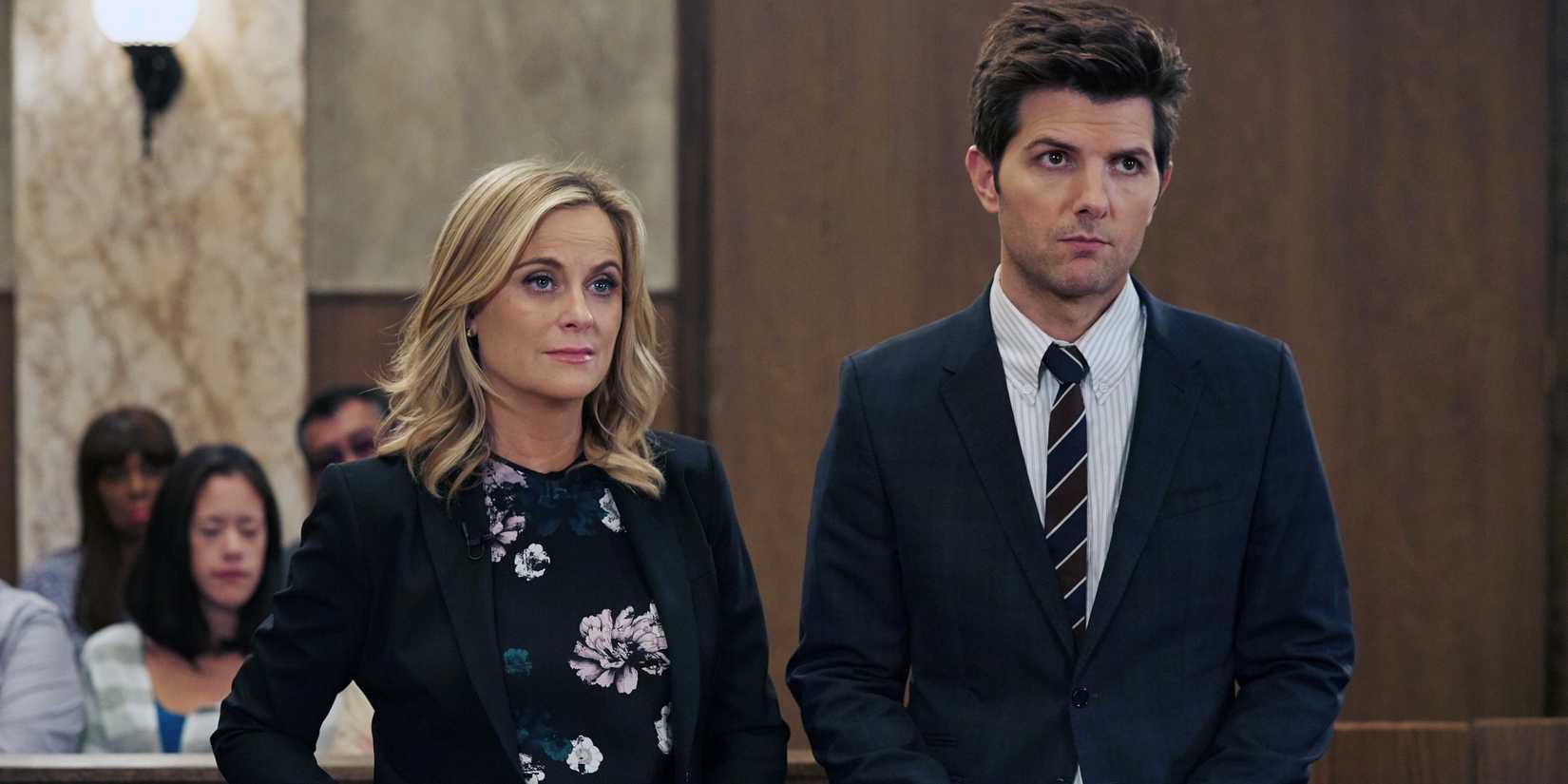
The TV show Parks and Recreation followed the everyday happenings of the Parks and Recreation department in the made-up town of Pawnee, Indiana. The show revolved around Leslie Knope, played by Amy Poehler, who became a role model for optimistic leadership and successful women at work.
Although Parks and Recreation ran for seven seasons, it didn’t immediately win over audiences. Because the show shared creators with The Office, viewers initially reacted negatively. The writers seemed to be trying too hard to recreate the success of The Office, and in doing so, Parks and Recreation struggled to find its own unique style and direction.
At the beginning of Parks and Recreation, Leslie Knope, much like Michael Scott in the first season of The Office, was portrayed as somewhat naive, flawed, and unintentionally insensitive. However, as the show’s writers developed her character, she evolved into a genuinely good-hearted and powerfully effective employee.
The show deepened its characters’ relationships and explored their personal lives beyond the workplace. These small changes were enough to make the series a standout mockumentary sitcom.
Family Matters (1989-1998)
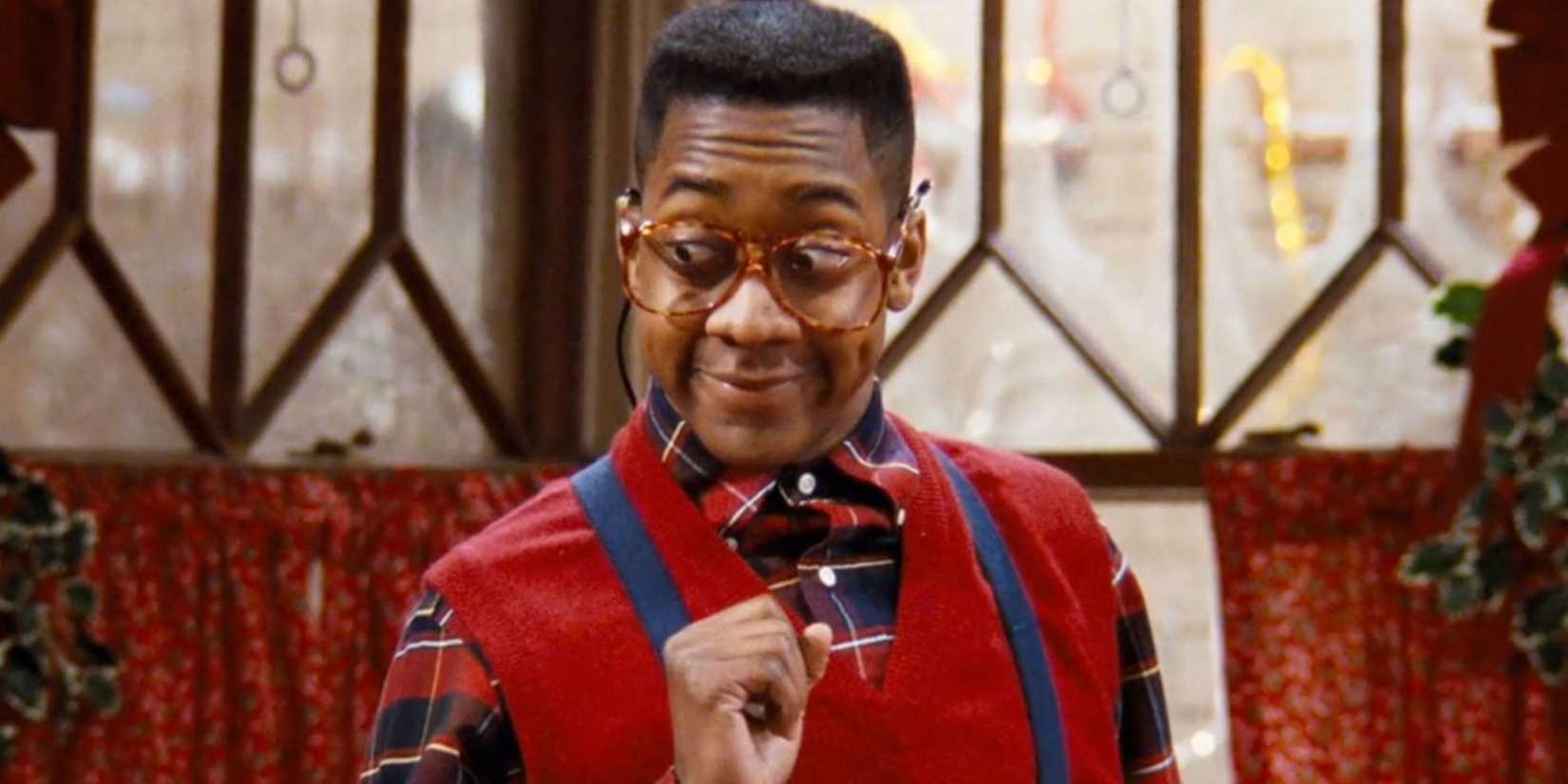
The sitcom Family Matters, popular in the 1980s and 90s, followed the everyday adventures of the Winslow family and their humorous neighbor, Steve Urkel, played by Jaleel White. While Urkel eventually became a central character, he wasn’t originally intended to be such a big part of the show.
The first season especially explored the challenges and everyday life of a typical family in the early 1990s. The show’s creators were surprised by how popular the character of Urkel became with audiences. As a result, Urkel took center stage in season two, and the show leaned more into comedy and used more attention-grabbing storylines.
Initially a bothersome next-door neighbor, the character of Urkel developed into a fully realized and central figure, with the show incorporating more depth, heartfelt moments, and physical comedy. Family Matters is often ranked among the greatest sitcoms of the 1990s, and it enjoyed a successful nine-season run.
Cougar Town (2009-2015)
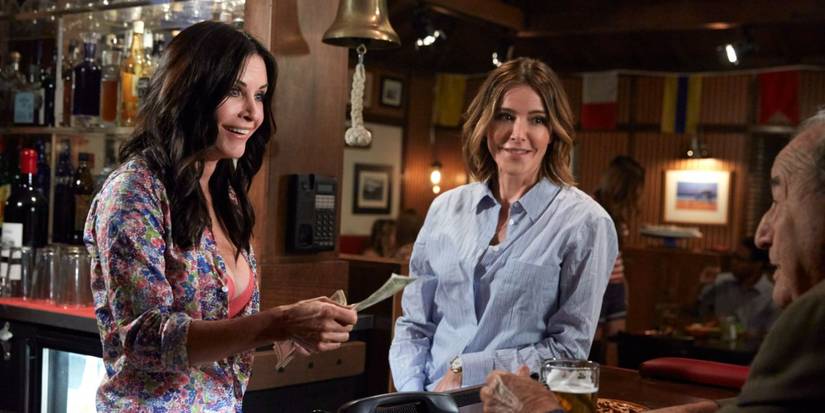
Courteney Cox starred in the sitcom Cougar Town, which ran for six seasons. It was her first major sitcom role after finding fame with Friends. In the show, she played a divorced woman in her 40s navigating life and dating, including relationships with younger men.
Honestly, I was so relieved when they dropped the whole ‘cougar’ thing after the first season! It was funny at first, but the jokes about dating younger guys and constantly pointing out Jules’ age just started to feel…stale. Thankfully, the show really found its footing when it started focusing more on her friendships, her family, and all the fun group moments. It was a much-needed shift in tone, and it made the show so much better!
Mom (2013-2021)
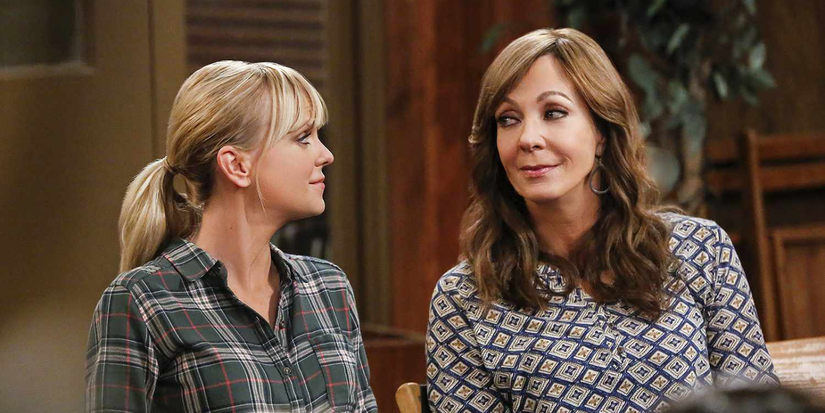
The sitcom Mom stars Anna Faris as Christy Plunkett, a woman in recovery, who moves back home with her mother, Bonnie (Allison Janney), who is also working on her sobriety. The series follows Christy and Bonnie as they navigate life and support each other through recovery with the help of their friends in Alcoholics Anonymous.
The show ran for eight seasons and underwent significant changes after its first season. Initially, Season 1 was characterized by a somewhat harsh and silly sense of humor, and the show consistently focused on a dysfunctional family.
Over time, Mom became a more hopeful and heartfelt show. As Christy and Bonnie grew up, they leaned on each other and worked towards brighter futures. The AA meetings became more deeply emotional, revealing the characters’ hidden struggles and making them more relatable. These changes allowed Mom to appeal to a wider range of viewers.
Fresh Off The Boat (2015-2020)

Fresh Off the Boat was a unique sitcom on ABC that centered around a Taiwanese American family moving from Washington, D.C. to Orlando. It’s notable for realistically portraying the daily experiences of an Asian American family.
The sitcom was popular and lasted for six seasons, though it did change a bit after the first season. The original narrator, Eddie Huang, left due to disagreements about the show’s direction, and his narration was no longer used.
When Eddie Huang left the show, the timeline of Fresh Off the Boat became inconsistent. Originally set in the 1990s, the series started including modern technology like smartphones and tablets, which didn’t fit with the show’s established time period.
Happy Days (1974-1984)
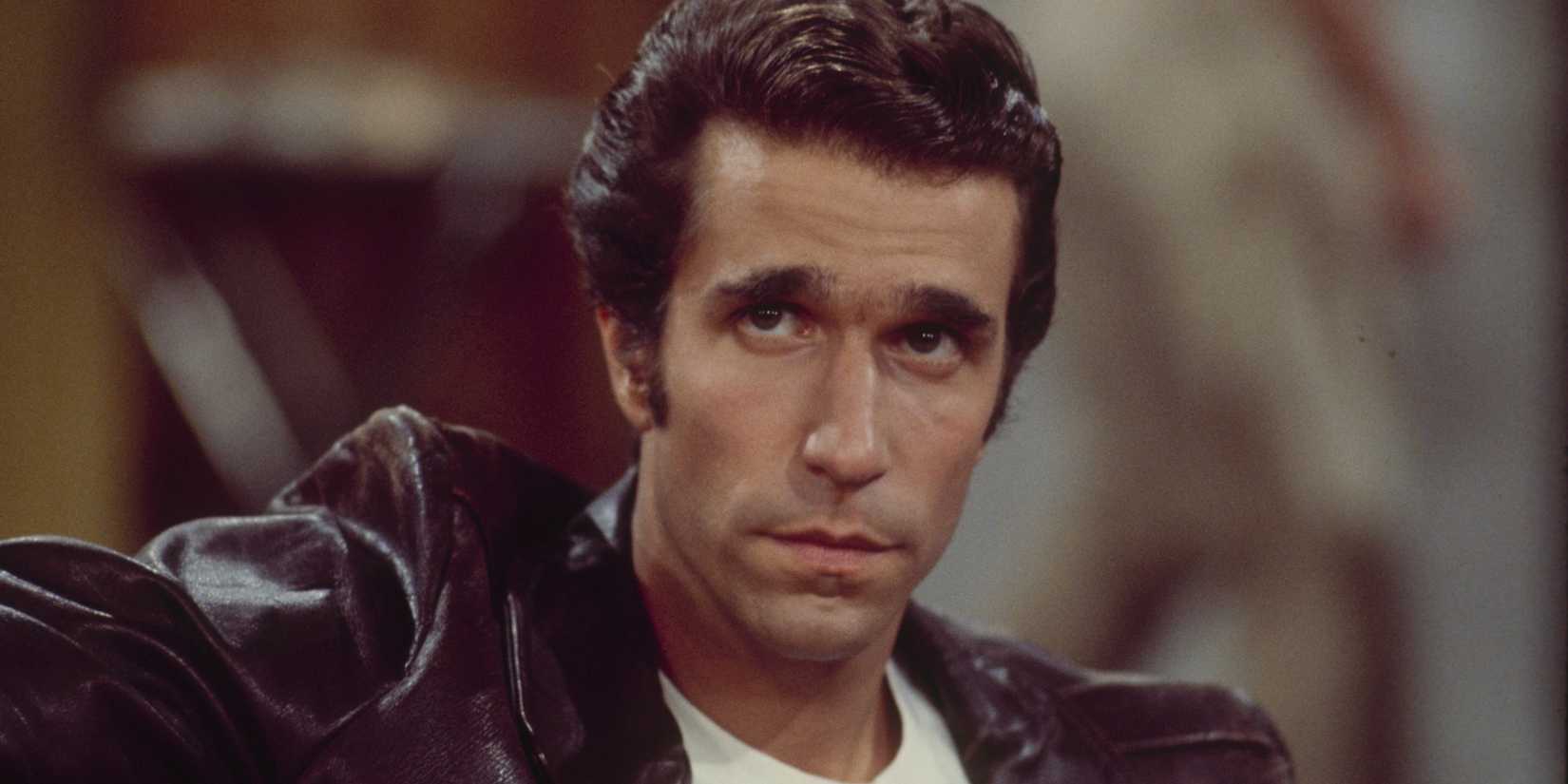
The 1970s sitcom Happy Days is considered one of the most popular and well-loved TV shows ever made. Over its 11 seasons, the show centered around the Cunningham family, especially their teenage son Richie, played by Ron Howard.
Happy Days really hit its stride after its first season. Initially, the show was filmed with a single camera, without a laugh track, and had a slower feel. But Season 2 brought some big changes – they switched to multi-camera filming, added a laugh track, and gave more focus to Richie’s friend, Fonzie (played by Harry Winkler). These changes made Happy Days much faster-paced and funnier, ultimately cementing its place as one of the greatest sitcoms ever made.
Read More
- Clash Royale Best Boss Bandit Champion decks
- Vampire’s Fall 2 redeem codes and how to use them (June 2025)
- Mobile Legends January 2026 Leaks: Upcoming new skins, heroes, events and more
- M7 Pass Event Guide: All you need to know
- Clash Royale Furnace Evolution best decks guide
- Clash of Clans January 2026: List of Weekly Events, Challenges, and Rewards
- World Eternal Online promo codes and how to use them (September 2025)
- Best Arena 9 Decks in Clast Royale
- Clash Royale Season 79 “Fire and Ice” January 2026 Update and Balance Changes
- Best Hero Card Decks in Clash Royale
2026-01-03 22:04