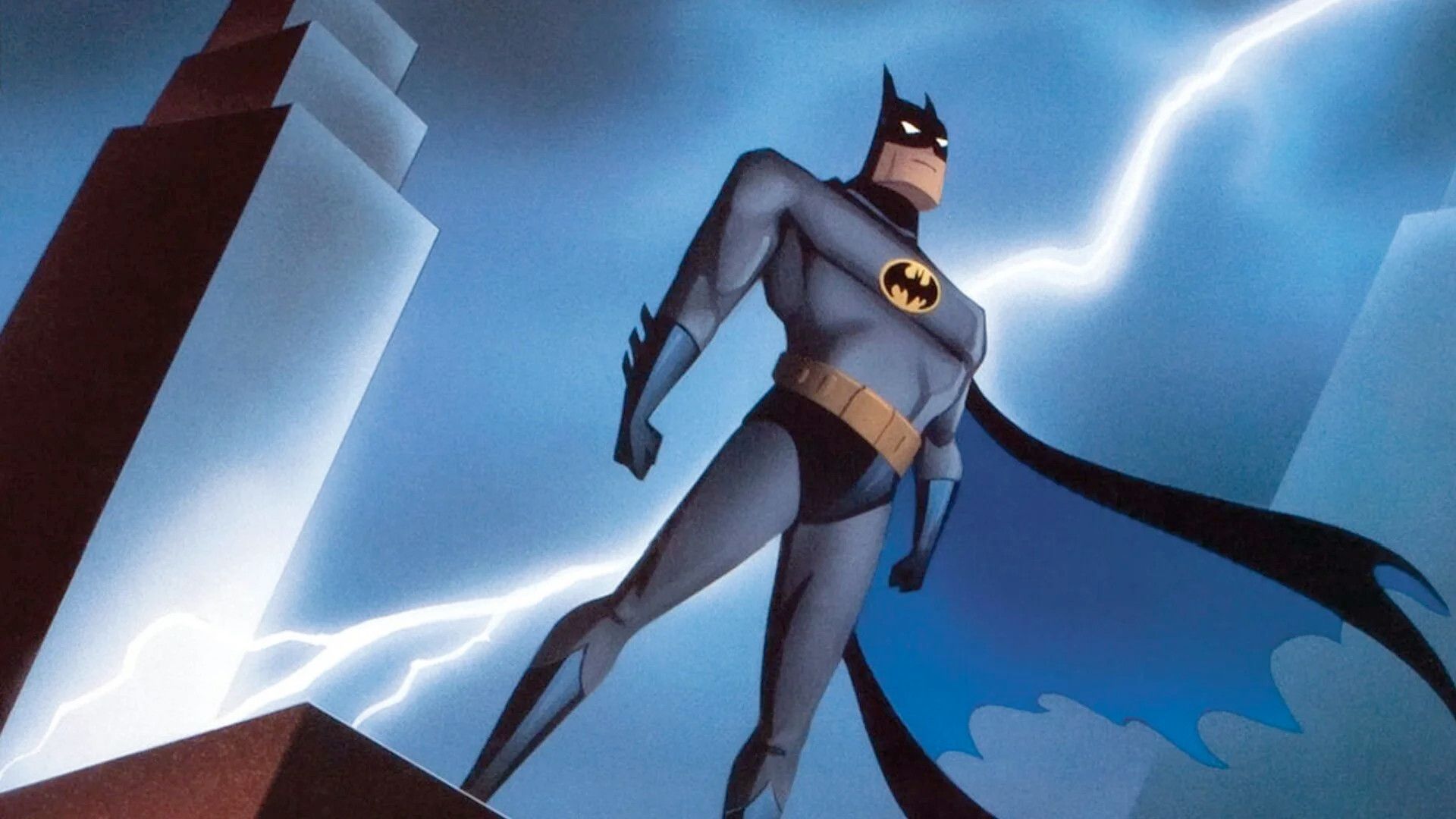
When Batman: The Animated Series first aired, it completely changed the landscape of superhero television, inspiring many shows that followed. Its distinctive gothic art style, film-noir storytelling, mature content, and dramatic music pushed animated shows beyond typical children’s programming and established a new standard for quality. Since then, numerous series have attempted to capture the same blend of depth and emotional impact.
No show has ever quite matched the brilliance of Batman: The Animated Series, but many have tried to recreate its success, either for new viewers or different tastes. These shows – including official follow-ups, similar projects, and even those in different genres – all aimed to be the next big thing, though with varying levels of achievement and scope.
The New Batman Adventures (1997–1999)
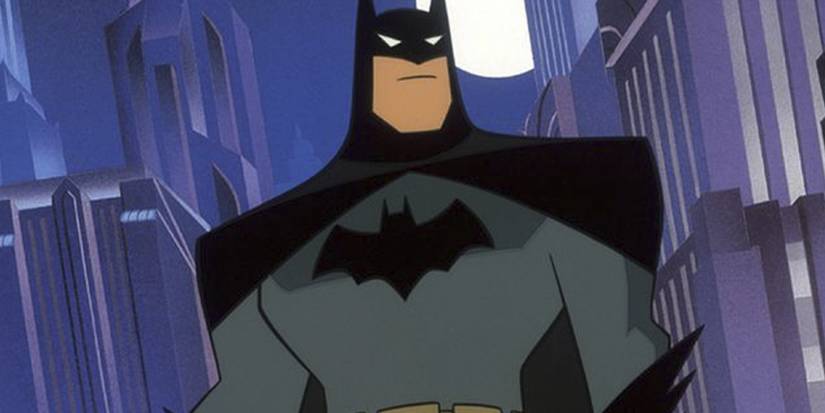
The New Batman Adventures was created as a direct continuation of Batman: The Animated Series, and feels very much like the same show. Though it aired on a different channel and featured updated character designs, many fans see it as the third season of the original series, despite the new branding.
As a long-time fan, I really noticed how the animation got a serious upgrade – it was much crisper and more modern, but thankfully they didn’t lose that classic, spooky gothic feel at all! The show also got a little bit more mature and delved deeper into the characters’ heads, which I loved. It built beautifully on everything that made Batman: The Animated Series so great to begin with.
Characters like the Joker and Scarecrow received new, more disturbing designs, showing the creators were willing to take more risks. Though some fans still prefer the original look, the show maintained its strong storytelling. Instead of trying to replace Batman: The Animated Series, the sequel built upon it, continuing the story with a more polished and mature approach.
Darkwing Duck (1991–1992)
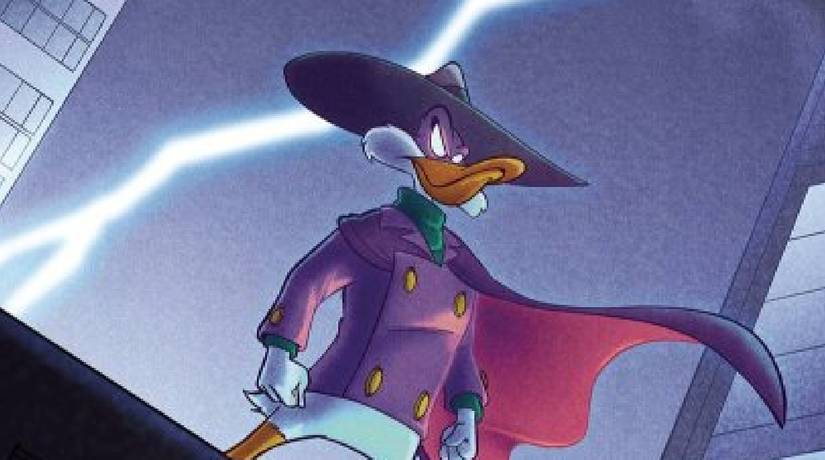
Though it seems very different at first, Darkwing Duck is basically a humorous take on Batman: The Animated Series made for kids. Darkwing is a lot like Batman – he has a cape, uses gadgets, and even has a similar serious side, but it’s presented with a lot of comedy.
The city of St. Canard in the show is very similar to Gotham, featuring over-the-top crime and dramatic villains. The show’s visuals are inspired by Gotham’s dark, gothic style, using similar cityscapes and shadowy imagery, but it’s presented with brighter colors and a lot of silly, physical comedy.
While Batman: The Animated Series was known for its serious, film-noir style, Darkwing Duck used satire and humor. This made darker themes accessible to a younger audience and showed that the look and storytelling of Batman could also work in a lighter, more kid-friendly format, essentially serving as an introduction to the world of the animated Dark Knight for children.
Gargoyles (1994–1997)
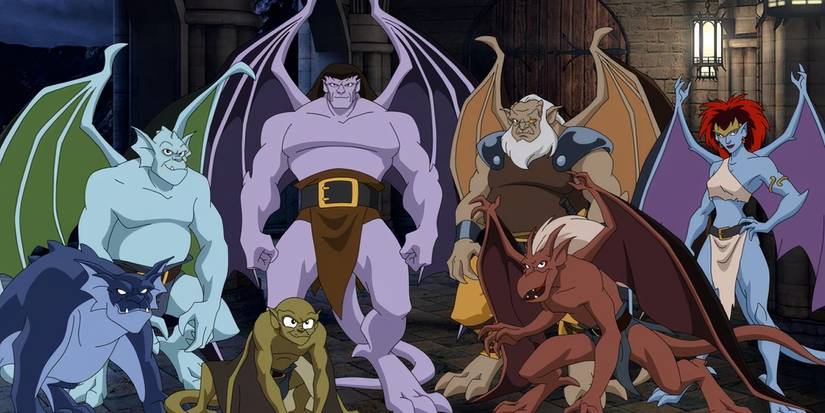
Gargoyles is a creatively bold show that follows in the footsteps of Batman: The Animated Series. It shares a similar dark, gothic atmosphere, features cities at night, and tells mature, complex stories. Notably, three of the writers who worked on Gargoyles had previously been key contributors to the acclaimed Batman series.
The creators of Gargoyles brought a focus on nuanced characters and ongoing storylines. Instead of simply being about crime, like Batman, the show explored myths, legends, and different religious beliefs. This gave Gargoyles a depth and sophistication that was unusual for animated series.
Like Batman, Gargoyles also challenged its viewers with complex themes of tragedy, loyalty, and morality, without offering easy answers. Though it didn’t use the same detective-noir style, it had a similar level of emotional depth and impressive visuals. Gargoyles didn’t simply imitate Batman; it took a similar approach to storytelling but applied it to a grand fantasy world, and that’s where it truly excelled.
Spawn: The Animated Series (1997–1999)
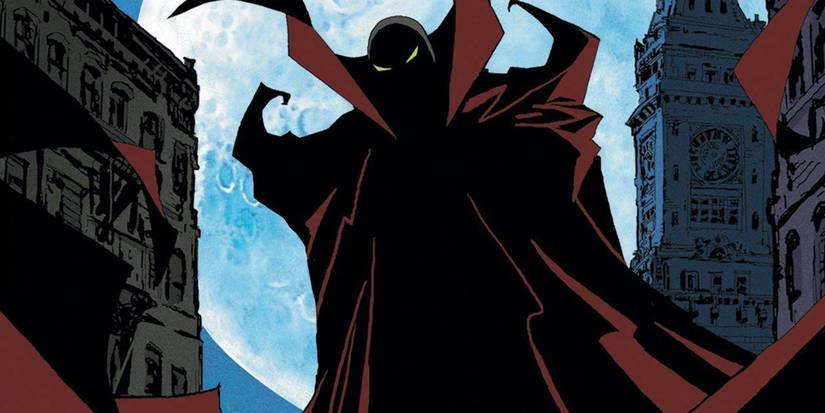
Spawn: The Animated Series built upon the success of Batman: The Animated Series, but aimed at a more mature audience. Several artists and creators from the Batman team, like Eric Radomski and Frank Paur, brought their distinctive visual style to Spawn. Radomski hoped to attract fans of Batman: The Animated Series with a similar, more grown-up feel.
Shirley Walker, known for her work on Batman: The Animated Series, created the music for this show as well, giving it a similar mood. This instantly connected the two series in terms of style. But while Batman combined dark themes with a broad appeal, Spawn leaned heavily into a grim, violent atmosphere.
HBO’s openness to an R-rated animated show let the creators delve deeply into themes that Batman stories could only hint at before. This created a much darker and more intense tone for the series. It showed that animation for adults, inspired by Batman: The Animated Series, could succeed even without aiming for a broad, family-friendly audience.
Teenage Mutant Ninja Turtles (2003–2009)
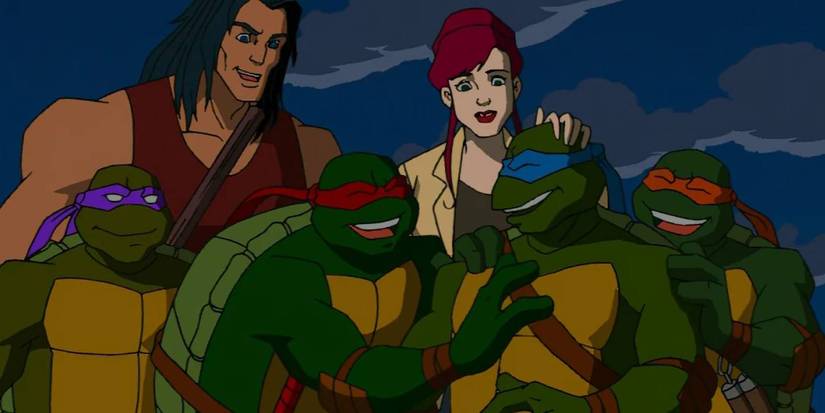
The 2003 Teenage Mutant Ninja Turtles series appeared at a time when animated shows were becoming more mature, following the success of Batman: The Animated Series. This new version was a departure from the lighthearted 1987 series, bringing back the more serious and gritty feel of the original comic books. The show focused on action, the Turtles’ training, and the strong connection between them as family.
The show told complex, ongoing stories with difficult choices and real repercussions, much like the classic Batman: The Animated Series. It also shared a similar dark and gritty visual style, focusing on a decaying city environment – a departure from previous versions of the Teenage Mutant Ninja Turtles.
Even though it was made for kids, the show didn’t shy away from telling complicated stories. Similar to Batman: The Animated Series, it showed that cartoons could be both easy to watch and thought-provoking. This changed what people expected from action cartoons in the early 2000s.
Batman Beyond (1999–2001)
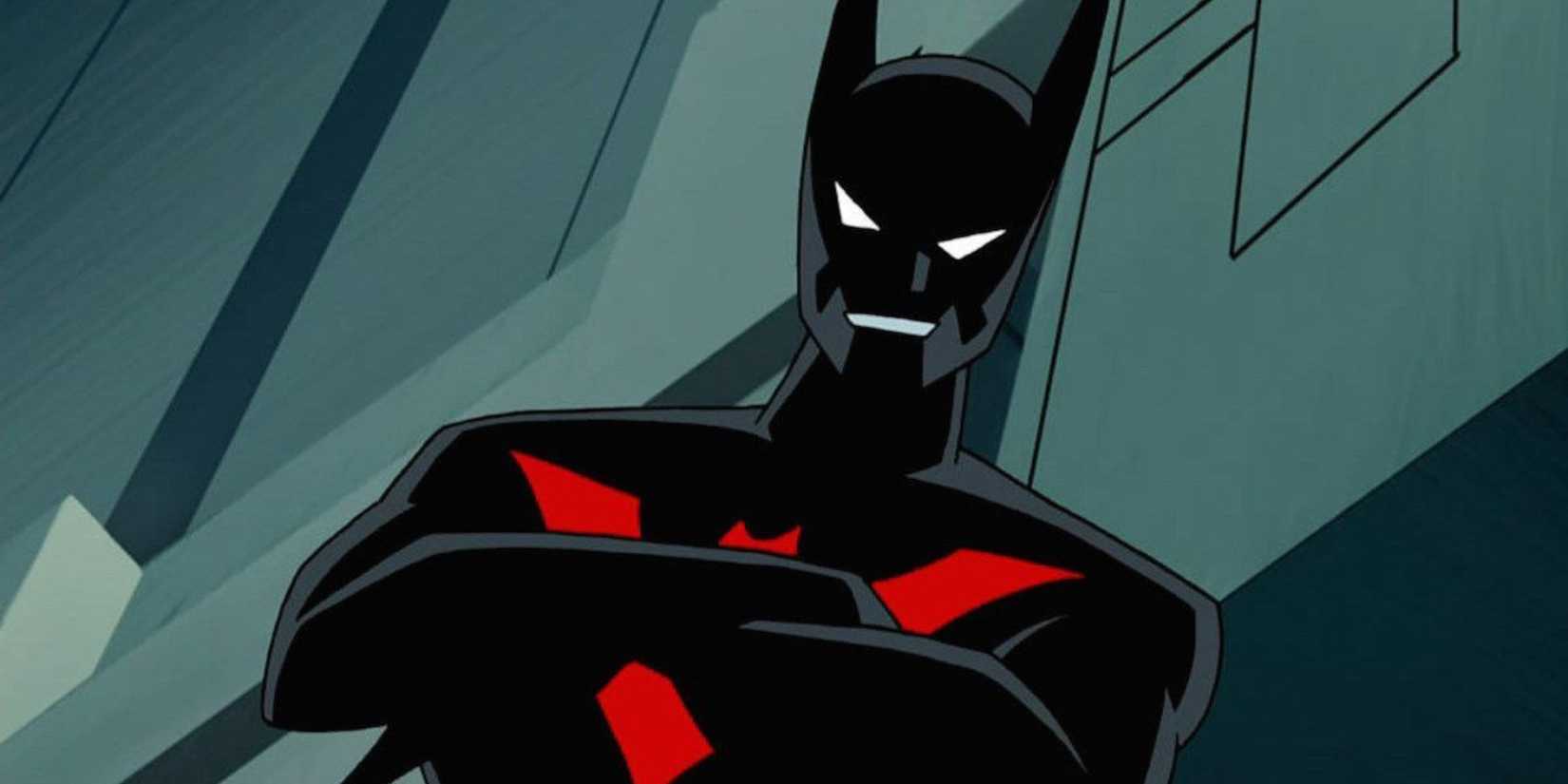
Batman Beyond continued the legacy of Batman: The Animated Series, offering a new take while staying true to its roots. It traded the dark, gothic style for a futuristic, sci-fi setting, but the essential elements of the story stayed the same. The city of Gotham evolved into Neo-Gotham, a blend of bright neon lights and crumbling urban areas.
Despite the changes, the show continued to focus on ideas of fairness, what people leave behind, and the blurry line between right and wrong. Bruce Wayne guiding Terry McGinnis as a new hero kept the focus on developing characters, just like the original series. The villains were still dramatic and over-the-top, and the episodes often delved into the emotional and mental effects of their actions, rather than just showing simple acts of bravery.
Despite having a different style, Batman Beyond felt like a smooth continuation of what came before, not a drastic change. It proved that the core of Batman: The Animated Series could work in a new setting while still delivering a powerful emotional impact. It’s rare to see a sequel or spin-off that truly lives up to the original, but Batman Beyond does.
Birds Of Prey (2002–2003)
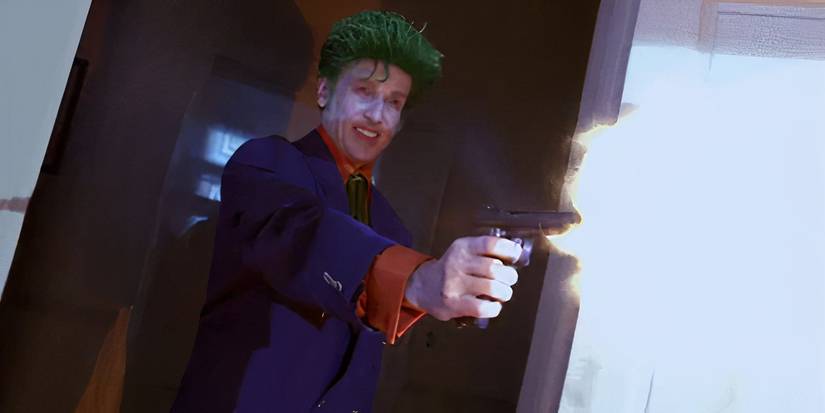
The movie Birds of Prey often feels like a live-action version of Batman: The Animated Series. It shares the same over-the-top gothic style, dramatic acting, and unique visual flair as the cartoon. Like the show, Birds of Prey prioritizes the exciting, larger-than-life feel of comic books over realistic portrayals, featuring colorful costumes and flamboyant villains.
Mark Hamill reprising his role as the Joker emphasized the film’s connection to the classic animated series, making the boundary between animation and live-action feel less distinct. Though not always consistent, Birds of Prey clearly tried to capture the dramatic, over-the-top style of Batman: The Animated Series, portraying Gotham City as a bizarre and fantastical place rather than a realistic one.
It strongly resembled the dark and atmospheric style of Batman: The Animated Series. Though it didn’t last long, it’s still one of the best efforts to capture that cartoon’s unique mood in a live-action show – almost like watching the animation come to life.
The Batman (2004–2008)
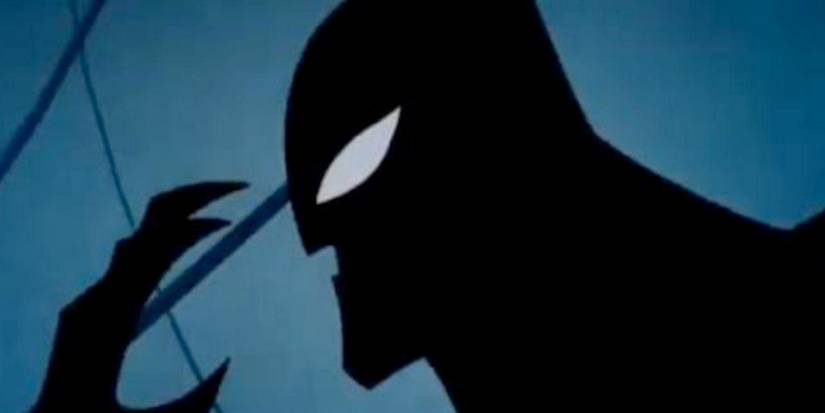
The recent film The Batman presented a fresh, updated take on the classic hero. While visually distinct and more modern than previous iterations, it still kept the dark and serious tone familiar to fans of Batman: The Animated Series. The animation felt futuristic instead of old-fashioned, but it continued to use dramatic shadows and fast-paced action.
The recent Batman film, like its predecessors, delved into the hero’s inner life and development. The villains were given fresh, often daring looks that were always memorable. The movie struck a good balance between being exciting and emotionally impactful, offering thrilling action while still connecting with the audience on a deeper level.
Though it wasn’t a perfect match for classic film noir, The Batman effectively updated that style for modern audiences. It shares a similar sense of starkness and darkness, creating a notably gloomy feel. You could think of it as a successor to Batman: The Animated Series, but made for today’s viewers.
Gotham (2014–2019)
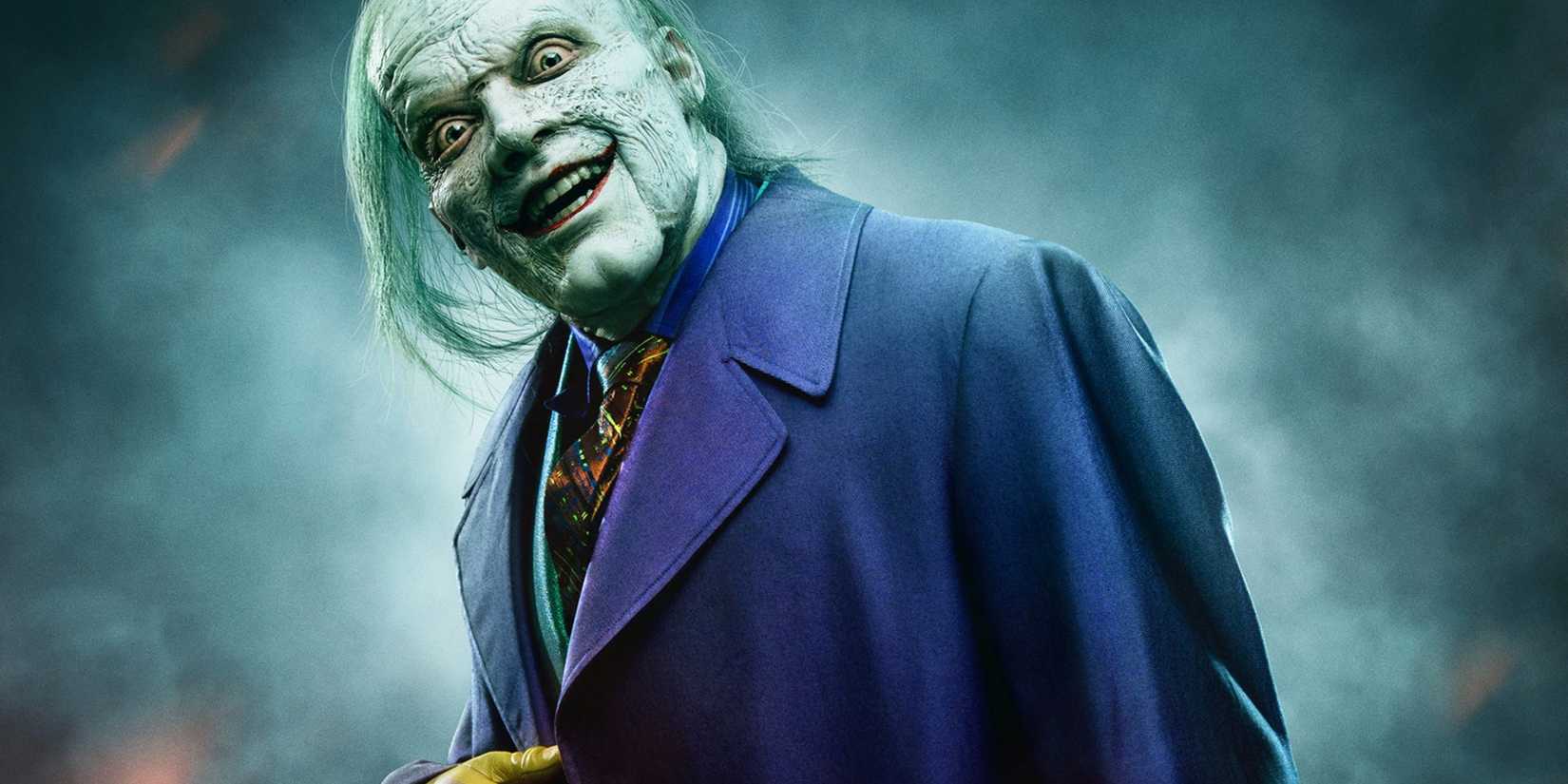
As a lifelong fan of Batman, especially Batman: The Animated Series, Gotham really hit the spot. It feels like what would happen if that show grew up and got a lot weirder and more mature. It’s definitely a serious show, but in a wonderfully quirky way. The acting is big and bold, and the action is really stylized – it doesn’t shy away from being dramatic and visually striking.
The city’s design strongly resembles the gothic art deco style of the animated show, giving it a classic rather than contemporary feel. Because it explores the origins of characters and storylines, the show frequently feels like a seamless bridge to the animated series. The characters, while visually dramatic, remain relatable and emotionally believable, just like their animated versions.
What makes Gotham different from other superhero shows is its embrace of the strange and unusual. Essentially, it’s a grown-up take on the themes and ideas from the classic animated series, successfully bringing that same atmosphere and visual style to a long-running live-action story, culminating in a fitting finale for its iconic heroes.
Batman: Caped Crusader (2024–)
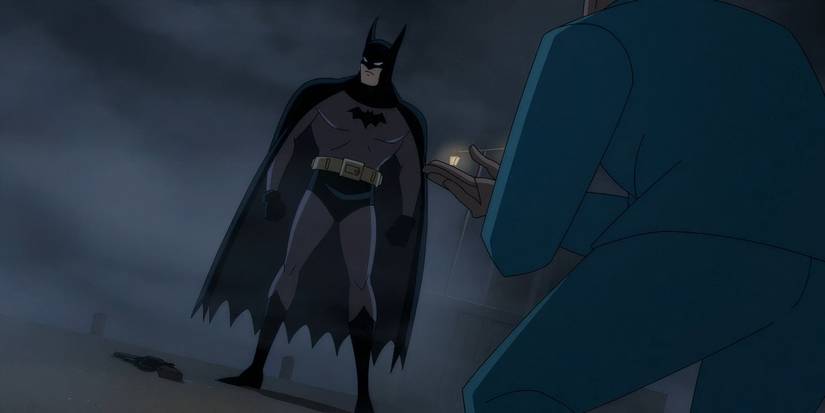
Batman: Caped Crusader feels like a true continuation of Batman: The Animated Series. Made by many of the same creative people, it intentionally captures the original’s distinctive gothic look and shadowy, detective-style stories. The show focuses on classic film noir themes, complex characters, and a vintage design.
Similar to the classic Batman: The Animated Series, this version of Gotham feels both enduring and heavy with dread. It stands out from many recent superhero shows by prioritizing mood and the characters’ inner lives over big, showy effects. Every choice made in the show seems designed to stay true to the original series’ spirit, rather than trying to feel current or trendy.
This show isn’t a direct sequel to previous ones, but it definitely aims to capture the same feelings and atmosphere. More than any other animated Batman project, Batman: Caped Crusader feels like a modern reimagining of Batman: The Animated Series, asking what that classic show would be like if it were made with today’s animation techniques.
Read More
- Clash Royale Best Boss Bandit Champion decks
- Vampire’s Fall 2 redeem codes and how to use them (June 2025)
- Clash Royale Furnace Evolution best decks guide
- Best Hero Card Decks in Clash Royale
- Mobile Legends: Bang Bang (MLBB) Sora Guide: Best Build, Emblem and Gameplay Tips
- Best Arena 9 Decks in Clast Royale
- Clash Royale Witch Evolution best decks guide
- Wuthering Waves Mornye Build Guide
- Dawn Watch: Survival gift codes and how to use them (October 2025)
- Brawl Stars December 2025 Brawl Talk: Two New Brawlers, Buffie, Vault, New Skins, Game Modes, and more
2025-12-31 05:02