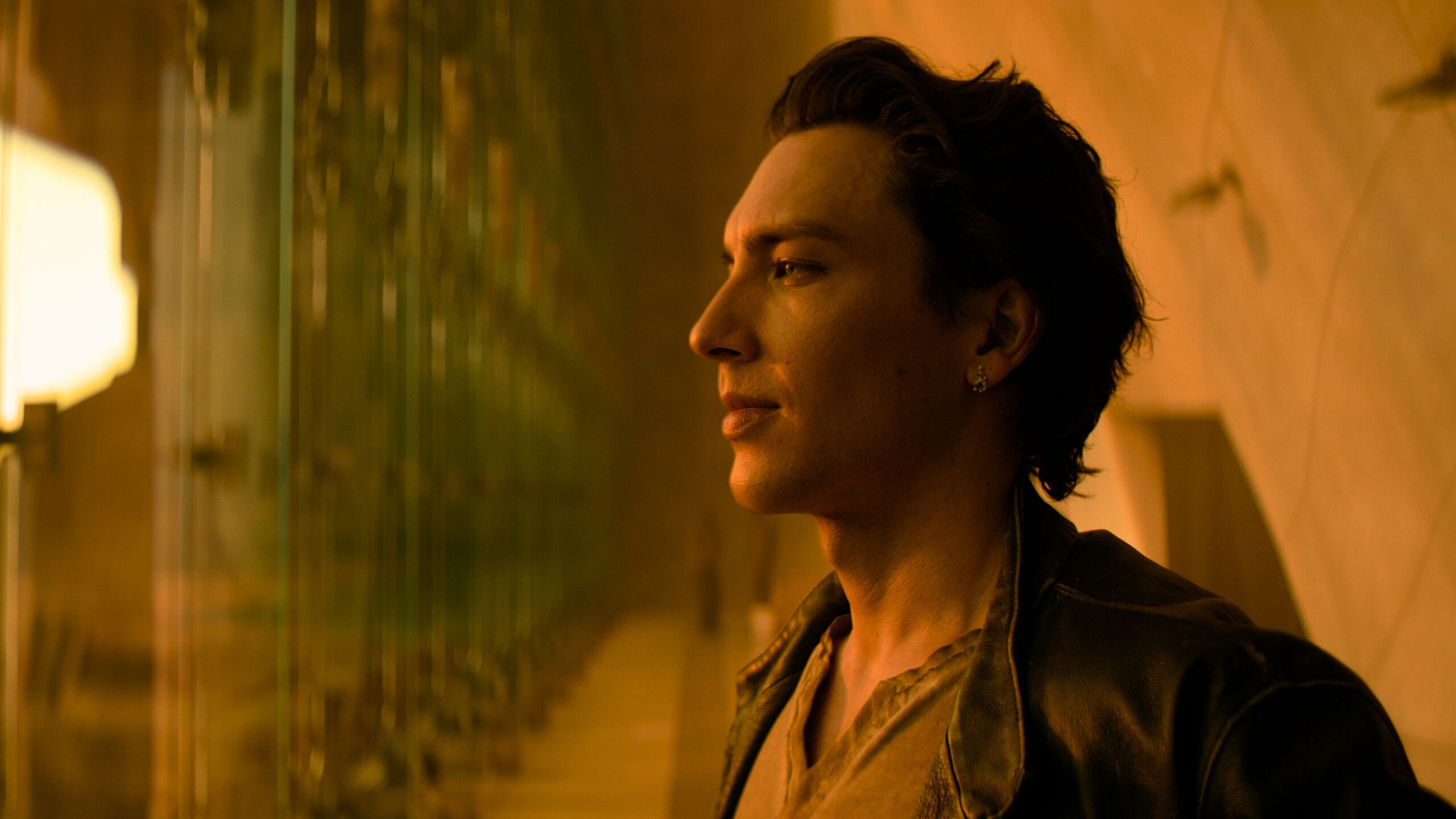
Apple TV+ has become a surprisingly consistent source of high-quality, thought-provoking science fiction shows. It regularly releases original series that focus on big ideas, expansive stories, and detailed world-building. While shows like Severance and For All Mankind are excellent, Foundation truly exemplifies what Apple TV+ is capable of, demonstrating the platform’s willingness to offer complex stories and visually stunning, large-scale productions.
Premiering in 2021, Foundation has quickly become a cornerstone of Apple TV+, receiving high praise from critics and attracting a dedicated following. As a fourth season is now in the works, the show is central to Apple TV+’s science fiction offerings, captivating viewers with its complex stories and immersive world-building instead of relying on quick thrills.
The success of Foundation isn’t just due to its big budget or impressive visuals. It’s earned the respect of sci-fi fans because it’s thoughtful, avoids excessive drama, and isn’t afraid to tackle challenging concepts. The show respects its audience, encouraging careful viewing instead of relying on cheap thrills and self-importance, which are common in today’s science fiction.
Foundation Doesn’t Talk Down To Its Viewers
Apple’s Sci-Fi Masterpiece Treats Intelligence As An Expectation Rather Than A Barrier
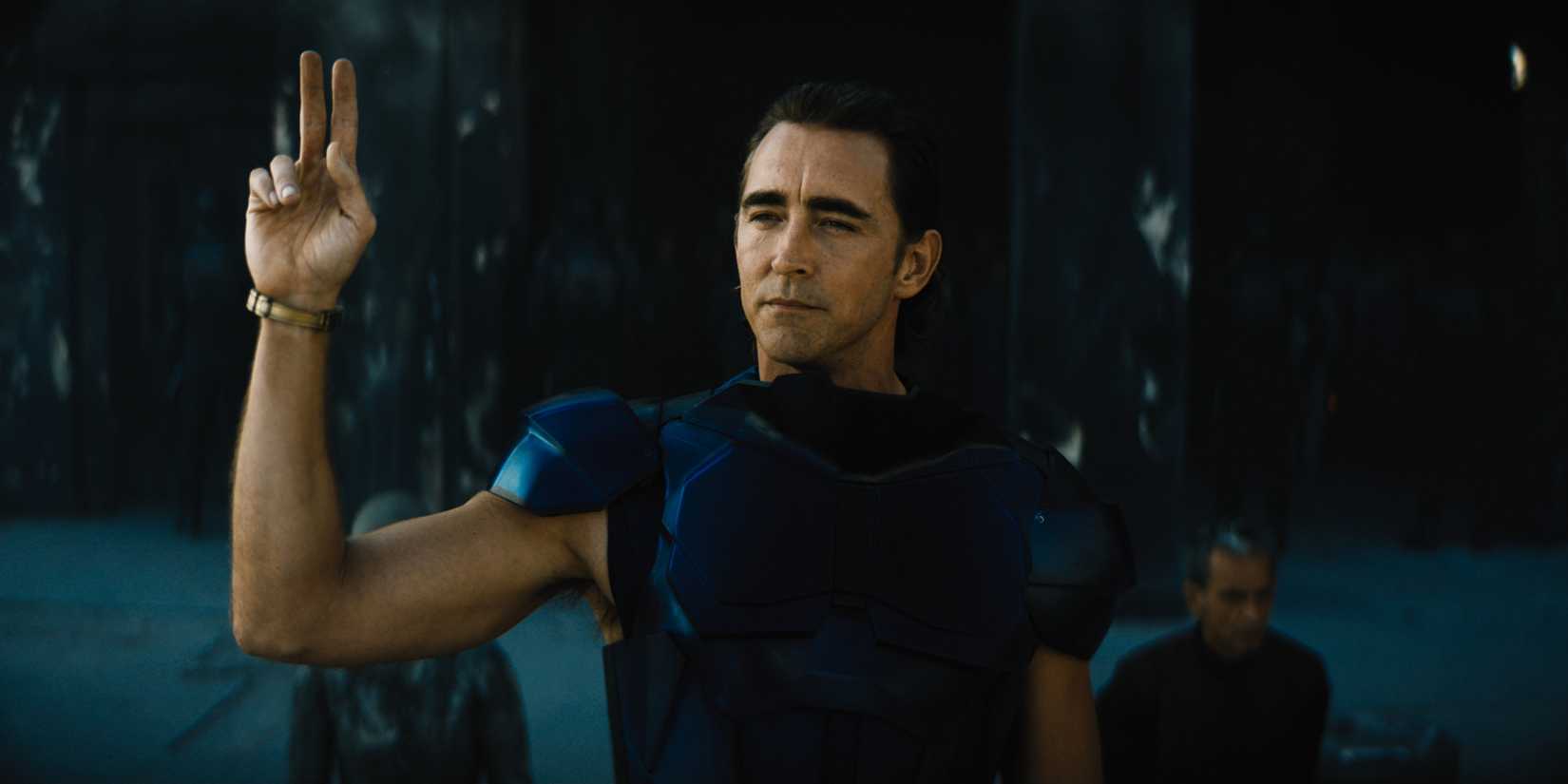
Great science fiction often succeeds because it challenges viewers to think for themselves. Series like Star Trek: The Next Generation and The Expanse didn’t shy away from complex political situations and thoughtful discussions, and Foundation is continuing that trend. It doesn’t oversimplify its ideas or sacrifice its ambitious goals just to be easily understood.
From the very beginning, Foundation presents a layered story built on ideas from math, history, and politics. Hari Seldon (Jared Harris) isn’t a typical hero; he’s a thinker whose influence continues long after he’s gone. The series asks viewers to follow storylines that develop over many decades, and even centuries.
Instead of constantly explaining everything, Foundation lets information unfold naturally. We learn about the political conflicts in the galaxy through what characters do and say, not through lengthy descriptions. This creates a realistic and immersive story where our understanding grows gradually, rather than being told everything at once.
Unlike many science fiction shows today, Foundation doesn’t shy away from being complicated. It understands that a complex story might not immediately grab everyone, but it believes viewers who stick with it will be rewarded. This willingness to trust its audience is unusual now, when most stories are designed to be instantly appealing thanks to algorithms and a focus on quick engagement.
Instead of oversimplifying things for the audience, Foundation draws viewers in by encouraging them to think and interpret events themselves. The show respects its audience’s intelligence, avoiding unnecessary explanations and allowing viewers to connect the dots, which ultimately makes the storytelling more engaging and impactful.
Modern Science Fiction Has Been Too Self-Aware
Foundation Rejects Meta Commentary In Favor Of Sincere Storytelling

A common problem with a lot of today’s science fiction is its tendency to focus on being self-aware. Many recent sci-fi films and shows spend more time analyzing and commenting on the genre itself – even pointing out how silly it can be. While this can be interesting at first, it often makes it harder to connect with the story and feel genuinely invested in what happens.
A lot of modern science fiction focuses too much on seeming smart, instead of actually being smart. Stories often stop to point out tired tropes or deliver obvious social messages, which leaves no room for subtlety. In their eagerness to feel current, these projects lose sight of what made sci-fi great in the first place: using captivating stories to explore complex ideas.
Unlike many shows, Foundation stays true to its core ideas. It tackles big questions about power, fate, and societal breakdown without feeling the need to be self-aware or ironic. It confidently explores these themes with sincerity and doesn’t shy away from being serious.
Even when dealing with modern themes of power and inequality, Foundation integrates these ideas into its story naturally, rather than presenting them as direct social commentary. For instance, the conflicts faced by Brother Day and the cloned emperors feel like a genuine part of the plot, not like lessons meant to be learned by the audience.
What makes Foundation stand out is its genuine storytelling, which feels like a breath of fresh air in a genre often preoccupied with itself. The series prioritizes a compelling narrative and avoids excessive introspection, instead drawing inspiration from the classic traditions of science fiction. It demonstrates that true impact comes from meaningful depth and strong beliefs, rather than constant self-examination.
Foundation Captures The Essence Of Isaac Asimov’s Work
Apple TV Honors One Of Sci-Fi’s Most Celebrated Authors By Adapting His Ideas Rather Than His Structure

Isaac Asimov is still a hugely important science fiction writer, but his stories have always been difficult to turn into movies or TV shows without losing much of their depth. His Foundation series, for instance, focuses more on big ideas, sweeping historical changes, and complex discussions than on individual characters or constant action.
As a critic, I have to say Apple TV+’s Foundation really gets Asimov. It doesn’t try to be a slavish adaptation of the novels’ plot, which would have been a mistake. Instead, it brilliantly captures the feeling and the core ideas of the books. Crucially, the concept of Psychohistory isn’t just window dressing here – it genuinely drives the story and feels integral to everything that happens.
The success of Foundation lies in its ability to bring Isaac Asimov’s ideas about fate and how people act to life through compelling visuals. Characters such as Gaal Dornick (Lou Llobell) and Salvor Hardin (Leah Harvey) help viewers connect emotionally with the story without distracting from its big, thought-provoking themes.
At its heart, Foundation stays true to Isaac Asimov’s idea that history is driven by forces bigger than any single person. While the characters grow and face challenges, the show always keeps the bigger picture in focus.
As a critic, I’ve seen plenty of adaptations that get bogged down trying to be too faithful to the source material. But Foundation avoids that trap beautifully. It understands the spirit of Asimov – that big, sweeping, intellectual ambition – and builds something truly compelling from it. It doesn’t feel limited by the original novels; instead, it takes Asimov’s legacy and transforms it into a modern, thought-provoking space opera that genuinely feels authentic to his vision. It’s a rare win for adaptation – it improves upon the source material while honoring it.
Read More
- Clash Royale Best Boss Bandit Champion decks
- Mobile Legends: Bang Bang (MLBB) Sora Guide: Best Build, Emblem and Gameplay Tips
- Best Hero Card Decks in Clash Royale
- Vampire’s Fall 2 redeem codes and how to use them (June 2025)
- Best Arena 9 Decks in Clast Royale
- All Brawl Stars Brawliday Rewards For 2025
- Clash Royale Furnace Evolution best decks guide
- Dawn Watch: Survival gift codes and how to use them (October 2025)
- Brawl Stars December 2025 Brawl Talk: Two New Brawlers, Buffie, Vault, New Skins, Game Modes, and more
- Clash Royale Witch Evolution best decks guide
2025-12-27 21:32