Dr. Strangelove, or How I Learned to Stop Worrying and Love the Bomb, is a famous film known for its memorable ending. Most war movies and shows are very serious, often violent and realistic, either depicting actual events or being heavily based on them.
Stanley Kubrick’s Dr. Strangelove brilliantly flips the serious and frightening topic of nuclear war on its head. The film centers around a rogue American general, Jack Ripper, who initiates a hydrogen bomb attack on the Soviet Union. As the world faces imminent destruction – the Soviets have a device that will retaliate with total annihilation – a quirky cast of characters, including the eccentric Dr. Strangelove, frantically try to find a solution.
The Ending of Dr. Strangelove Is Horrifyingly Perfect
Dr. Strangelove isn’t a film everyone will enjoy, but those who appreciate its brilliance will find the final ten minutes incredibly powerful. Despite eighty-five minutes of frantic attempts to stop Ripper’s attack on the Soviet Union, all efforts fail. Mandrake manages to recall all but one of the bombers before they reach their target.
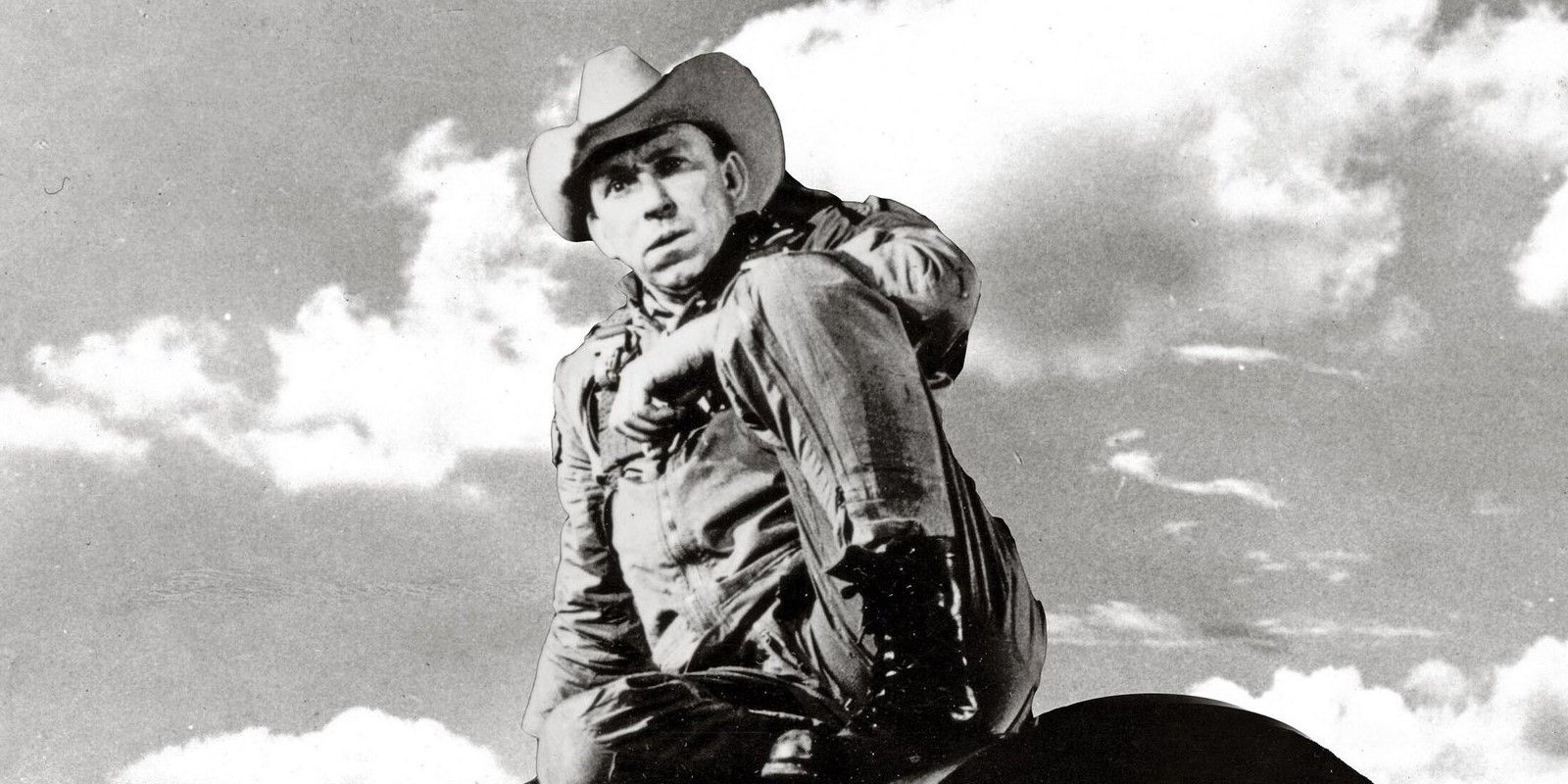
T.J. “King” Kong, played by Slim Pickens, doesn’t receive the recall message and tragically goes down with his plane when the bomb is released. Meanwhile, Dr. Strangelove attempts to persuade President Muffley to protect a select group of people in underground shelters. As Dr. Strangelove surprisingly begins to walk, the film ends with a devastating nuclear explosion wiping out humanity, set to the somber tune of Vera Lynn’s “We’ll Meet Again.”
Kubrick makes every moment count in this film, and its ending remains powerful thanks to his masterful direction. Just like throughout the movie, the characters face almost certain death with a strangely detached and matter-of-fact attitude. When Kong accidentally launches the bomb, he doesn’t realize he’s setting in motion the destruction of humankind.
Right from the start, those of us following the situation in the War Room understood exactly what was coming. The last scene in the movie, where they debate their next move, is brilliant because it really drives that home. There’s no music to pull you in emotionally, and the way it’s filmed – those long, sweeping shots – makes you realize just how absurd the whole situation is. It’s a powerful, unsettling moment.
I think what’s so brilliant about Dr. Strangelove is how it manages to be both incredibly funny and deeply unsettling at the same time. It’s a real achievement! What really struck me is that the tension between the US and the Soviet Union isn’t shown through explosions or action, but through arguments and misunderstandings – it perfectly mirrors the way the Cold War actually was, a battle of words more than anything else.
King Kong’s dramatic, Wild West-style death—being blown up by a nuclear bomb—is a uniquely American image. Meanwhile, the darkly comedic scenes in Dr. Strangelove, like the doctor’s uncontrolled movements and his shockingly casual address of the President as “Mein Führer,” are brilliant examples of physical comedy, made even funnier by the characters’ complete lack of reaction.
The ending of Dr. Strangelove remains one of the most powerful and unsettling conclusions in war film history. The abrupt shift from Dr. Strangelove’s final line to the depiction of global destruction, accompanied by an ironically cheerful song, is a jarring way to finish such a brilliant movie. It’s understandable why audiences often prefer a more hopeful or positive ending.
Many powerful stories conclude with their main characters finding some measure of success or peace. However, some, like All Quiet on the Western Front, offer a more critical and pessimistic view. Kubrick’s film aligns with this latter approach, and it’s considered one of the most realistic war movie endings because it perfectly embodies the film’s overall message and themes.
Peter Sellers Completely Dominates Dr. Strangelove
Though Stanley Kubrick directed Dr. Strangelove, Peter Sellers truly made the film what it is. It’s almost impossible to realize that Sellers played three different characters—Dr. Strangelove, Mandrake, and President Muffley—on a first viewing. Even after multiple watches, his portrayal of each is so precise that it remains difficult to see them as separate people, particularly when they appear together on screen.
The film is remarkable because each character feels fully realized, with unique personalities, appearances, and ways of speaking. President Muffley, for example, speaks slowly and seems constantly drowsy, almost as if he’s taken sleeping pills. In contrast to the intensely serious Mandrake, Dr. Strangelove – a former Nazi – is brilliant, but also a major source of trouble.
Although the film’s ending is amusing, the funniest moment in Dr. Strangelove is definitely the phone call between President Muffley and the Soviet Premier, Dimitri Kissov. We never actually see Kissov, and Peter Sellers brilliantly carries the entire scene by playing both roles. Muffley’s side of the conversation sounds remarkably like a couple arguing – it’s easy to imagine what Kissov is saying in response.
General Turgidson (played by George C. Scott) is hilarious with his expressions, and President Muffley’s explanation of the accidental bomb order – “He just…lost it a little. You know? Did a silly thing.” – is a perfect example of dark humor.
It’s fascinating that Peter Sellers was originally intended to play four different roles in Dr. Strangelove. This was a huge undertaking, and Columbia Pictures insisted he take on multiple parts – they wouldn’t fund the movie unless he did.
Peter Sellers was initially supposed to play the role of “King” Kong – a B-52 pilot who casually rode a hydrogen bomb. However, after questioning if he could handle playing four characters and then injuring his ankle, the part went to Slim Pickens. While Sellers likely would have been excellent as Kong, it’s now difficult to imagine anyone but Pickens – with his distinctive whoops, hollers, and overall personality – in the role.
Dr. Strangelove Is Stanley Kubrick’s Best Film
Stanley Kubrick is famous for directing some of the most celebrated and visually stunning films ever made. Just four years after releasing Dr. Strangelove, he captivated audiences with 2001: A Space Odyssey, which continues to be known for its groundbreaking special effects.
Subscribe for Deeper Film Insights on Dr. Strangelove
Subscribe for Deeper Film Insights on Dr. Strangelove
When you sign up, you’ll receive newsletters and promotional emails from us and our partners. You can stop receiving these emails at any time.
Although 2001: A Space Odyssey is widely considered a landmark science fiction film, many would argue that Dr. Strangelove is actually Stanley Kubrick’s greatest work. Both films profoundly impacted their genres, showcasing Kubrick’s unique talent, but the 1964 satirical comedy Dr. Strangelove remains remarkably relevant and impactful even now.
Despite dealing with serious and potentially upsetting topics, Dr. Strangelove is surprisingly entertaining. The humor isn’t obvious or slapstick; it arises from the ordinary situations the characters are thrown into. Combined with its striking visuals and unique science fiction concepts – like the Monolith – the film tells a compelling story that requires some thought, but isn’t overly complicated.
Beyond the acting, Kubrick brilliantly transforms a deeply serious topic into a hilarious satire – a truly remarkable accomplishment. To fully enjoy Dr. Strangelove, it helps to understand the historical context in which it was made. Released in 1964, during the height of the Cold War, the film was a daring and risky political satire that fearlessly criticized all sides of the conflict, and it ultimately succeeded.
Like all his films, Dr. Strangelove showcases an incredible attention to detail and a visionary approach that remains unmatched, particularly in its masterful timing. Every edit feels deliberate, each wide shot adding to the story. The film cleverly highlights the absurdity of its central idea. The absence of a musical score emphasizes the plot, the lighting beautifully captures each scene, and the visuals – especially in black and white – are stunning. Every element of the film serves a purpose, contributing to its overall impact and a truly memorable ending.
Read More
- Mobile Legends: Bang Bang (MLBB) Sora Guide: Best Build, Emblem and Gameplay Tips
- Clash Royale Best Boss Bandit Champion decks
- Best Hero Card Decks in Clash Royale
- All Brawl Stars Brawliday Rewards For 2025
- Best Arena 9 Decks in Clast Royale
- Vampire’s Fall 2 redeem codes and how to use them (June 2025)
- Clash Royale Witch Evolution best decks guide
- Brawl Stars December 2025 Brawl Talk: Two New Brawlers, Buffie, Vault, New Skins, Game Modes, and more
- Clash Royale Furnace Evolution best decks guide
- Dawn Watch: Survival gift codes and how to use them (October 2025)
2025-12-27 02:39