As a huge movie and TV fan, I’ve noticed the 2020s are flooded with superhero shows. Marvel and DC are building out their movie worlds onto the small screen, giving us more backstory and ongoing storylines, but honestly, a lot of them lean way too heavily on us already loving the characters from the comics or movies. It feels like they’re counting on that built-in connection to carry them. It’s rare to find a show that really stands on its own as good television first, and just happens to be based on a comic. That’s why Legion is so special – it’s a true exception.
Premiering on FX in 2017, Legion came out before the surge in streaming services, but it was more innovative than many shows that followed. Over three seasons, it told a superhero story unlike anything else on TV. What really sets it apart is that its strong reputation comes from its quality, creative vision, and how well it was made, not just from being part of a popular franchise.
Though Legion started as a spin-off from the X-Men movies, people don’t remember it for that connection. The show gained praise because it’s a strong, thoughtful science fiction thriller with a unique style. Even if you’re not a fan of superhero stories, Legion is a TV show that truly engages viewers who are willing to pay attention and explore its complexities.
What Is Legion About?
A Mind-Bending Sci-Fi Thriller That Treats Superpowers As A Gateway To Psychological Horror

The show Legion centers around David Haller (played by Dan Stevens), a young man who has struggled with mental illness and spent most of his life in a psychiatric hospital. Everything changes when he meets someone at the hospital who makes him question if his experiences are actually a sign of something more – that he might be a remarkably powerful mutant.
The show immediately makes it clear that David’s view of reality is unreliable. Scenes break apart, time jumps around, and episodes often feel like dreams. This isn’t just a stylistic choice; it’s designed to put the audience directly into David’s experience, making us feel his confusion, fear, and discoveries alongside him, instead of simply watching from the outside.
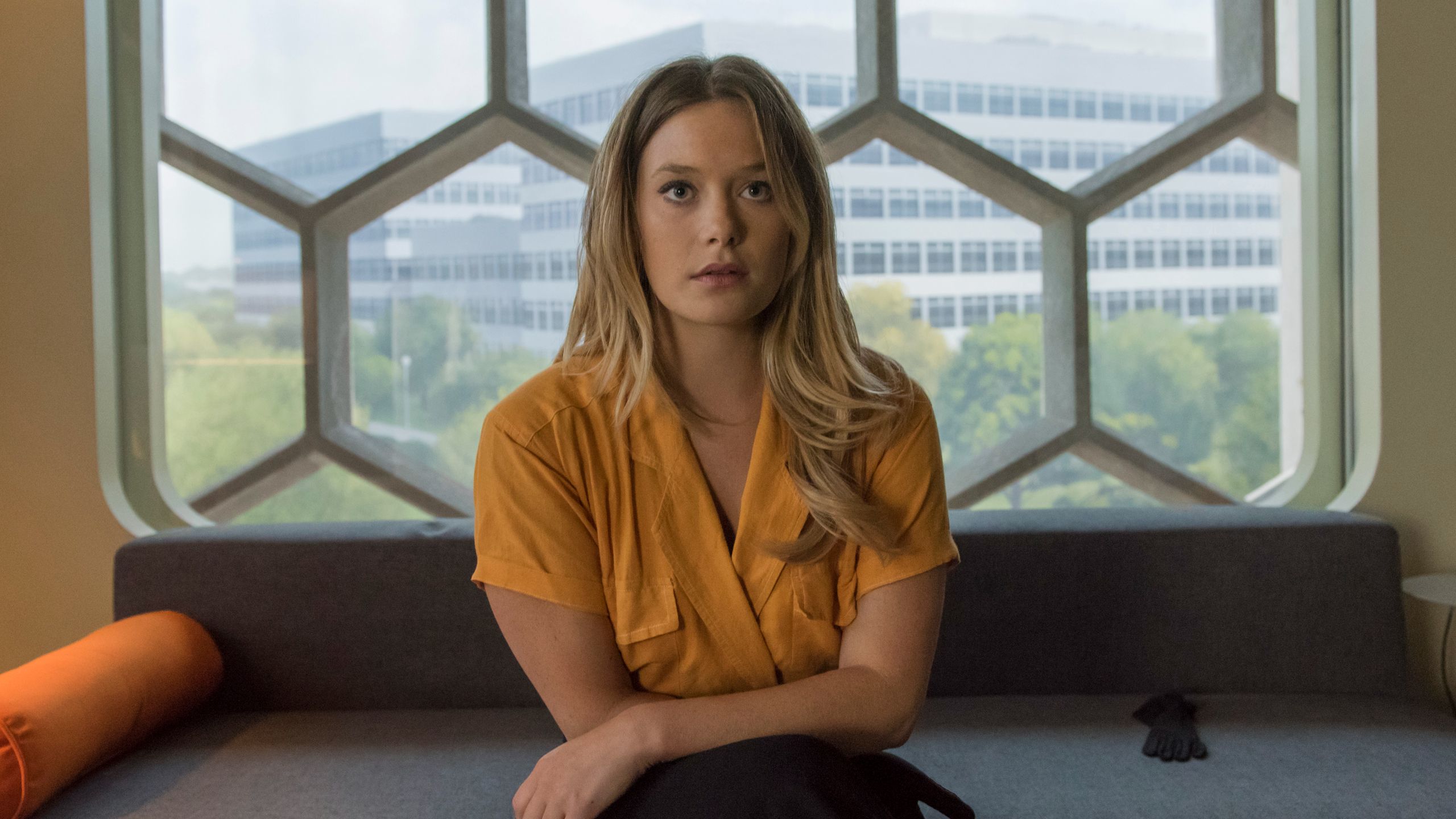
Following his escape from Clockworks, David finds refuge at Summerland, a secret base for mutants hiding from the government. He connects with Syd Barrett (Rachel Keller), and her difficulty with physical contact unexpectedly becomes a source of emotional stability for both of them. Their developing relationship adds a relatable and impactful human element to the show, which is a spin-off of the X-Men franchise.
What makes Legion stand out, particularly for science fiction enthusiasts, is its focus on thought-provoking themes rather than flashy visuals. The series delves into complex topics like identity, memory, trauma, and consent by using innovative storytelling techniques instead of simply explaining them. It’s also highly praised for its bold and creative use of sound and imagery.
The visually stunning design, dramatic staging, and captivating music in Legion turn its internal conflicts into dreamlike scenes. The music isn’t just a backdrop; it actively tells the story, revealing characters’ feelings and the central conflicts without much traditional conversation.
Instead of focusing on typical superhero action, Legion uses superpowers to explore themes of mental health and self-control. This approach elevates the show, making it feel more like a high-quality science fiction drama than a standard Marvel adaptation. The series is both thought-provoking and emotionally resonant, a rare combination that sets it apart.
How Legion Ties Into The X-Men Films
A Spiritual Sibling To Fox’s X-Men Era That Values Themes Over Continuity

I’m a huge fan of Legion, and what I really appreciate is how it exists in the same universe as the X-Men movies, but it doesn’t feel chained to them. David Haller is Charles Xavier’s son in the comics, and the show definitely nods to that connection. But it doesn’t let that family history control where the story goes – it’s free to do its own thing, which is awesome.
Instead of simply bringing in well-known characters from other stories, Legion creates its own unique world. The villain, Amahl Farouk, also known as the Shadow King (played by Navid Negahban), is a deeply personal enemy for the main character, David, focusing on his internal struggles rather than a large-scale, world-ending threat. This keeps the show centered on David’s journey and avoids the typical crossovers seen in other superhero series.
The show doesn’t feature any actors from the X-Men movies, and it avoids connecting its story to those films or matching up timelines. This was a deliberate choice by series creator Noah Hawley, who used the X-Men universe as a general idea, not a list of things he had to include. While the show explores the fear and prejudice faced by mutants, the broader political issues take a backseat to the characters and their stories.
This creative approach freed Legion from the usual pressures of TV shows based on existing franchises. It didn’t have to worry about setting up future movies, tying up loose ends from films, or keeping characters available for sequels. Instead, each season felt like a self-contained story with a satisfying conclusion.
For those who enjoy Marvel movies, Legion offers a welcome change of pace. It proves a Marvel story can succeed without needing to connect to a larger, shared universe. The show uses the idea of mutants, from the X-Men comics, to explore deeper, philosophical themes – much like the original comics did, rather than focusing solely on action and spectacle.
I really appreciate how Legion chose to be inspired by the source material instead of just retelling the same story. It felt like a spiritual successor, not a copy, and that’s what allowed it to really stand on its own. It wasn’t about matching every plot point, but capturing the feeling of it all, and honestly, that’s why I still think about it so much even now that it’s over.
There Are Not Many Superhero Adaptations Like Legion
A Rare Marvel Adaptation That Prioritizes Authorship, Ambiguity, And Moral Discomfort

What makes Legion stand out from most superhero shows is that it doesn’t offer simple solutions. Instead of a typical hero’s journey, the series explores complex questions about power, what it means to be responsible, and how we see ourselves. The main character, David, isn’t presented as a hero; his incredible powers actually make him a threat – both to the people around him and to himself.
Throughout its three seasons, the show deliberately avoids simple right and wrong answers. As the story unfolds from different viewpoints, what we initially believed is often questioned. Legion encourages us to re-evaluate everything we thought we knew, sometimes even changing our understanding of past events. It subverts expectations and challenges our sense of certainty without relying on sensationalism.
Legion isn’t afraid to experiment with how stories are told. It uses techniques like unreliable narrators and sudden changes in mood – things you don’t often see in superhero shows. You might find dance sequences, nods to silent films, and voiceovers mixed with serious, psychological moments. But these aren’t just random choices; they actually enhance the show’s themes and overall message.
Unlike many superhero shows filled with constant action, Legion focuses more on conversations, memories, and hidden meanings. When fighting does happen, it feels impactful because it’s not overused. The show cares more about what happens after a conflict than showing flashy effects, making it stand out from other action-packed series.
Unlike most Marvel shows that focus on connecting to a larger universe, Legion offers a unique experience. It shows that adapting a story doesn’t have to mean simply copying it – it can be reimagined. The show respects viewers by challenging them with complex, ambiguous, and sometimes unsettling storylines.
The reason Legion is considered a landmark achievement is because it built a foundation of trust with its audience. It proves that superhero shows can be bold, thought-provoking, and focus on intimate character stories. It’s rare to see comic book adaptations that try to achieve this much, and even rarer for them to pull it off successfully.
Read More
- Mobile Legends: Bang Bang (MLBB) Sora Guide: Best Build, Emblem and Gameplay Tips
- Clash Royale Best Boss Bandit Champion decks
- Best Hero Card Decks in Clash Royale
- All Brawl Stars Brawliday Rewards For 2025
- Best Arena 9 Decks in Clast Royale
- Vampire’s Fall 2 redeem codes and how to use them (June 2025)
- Brawl Stars December 2025 Brawl Talk: Two New Brawlers, Buffie, Vault, New Skins, Game Modes, and more
- Clash Royale Witch Evolution best decks guide
- Clash Royale Furnace Evolution best decks guide
- Mobile Legends: Bang Bang (MLBB) Marcel: Hero overview, skill analysis, and release date
2025-12-25 23:30