The Oscars are widely seen as the most prestigious awards in the movie industry, but many films that have won Best Picture are now largely forgotten. Since 1929, the Academy Awards have given out a Best Picture award every year for almost a century. While the name of the award has evolved, its importance hasn’t.
Look, as much as I love the Oscars, they’re not perfect. Let’s be real, the Academy has definitely gotten it wrong a few times when choosing Best Picture. Sometimes the movie everyone wanted to win doesn’t, and other times a winning film just…disappears from the cultural conversation. Honestly, there are a bunch of Best Picture winners that I think have been totally overshadowed by better movies that we still talk about and cherish today.
While some Best Picture winners have faded from memory, many were genuinely great films and deserve a second look. Though other movies might seem better now, these Oscar winners still hold up as quality films, and their awards prove it.
Spotlight (2015)
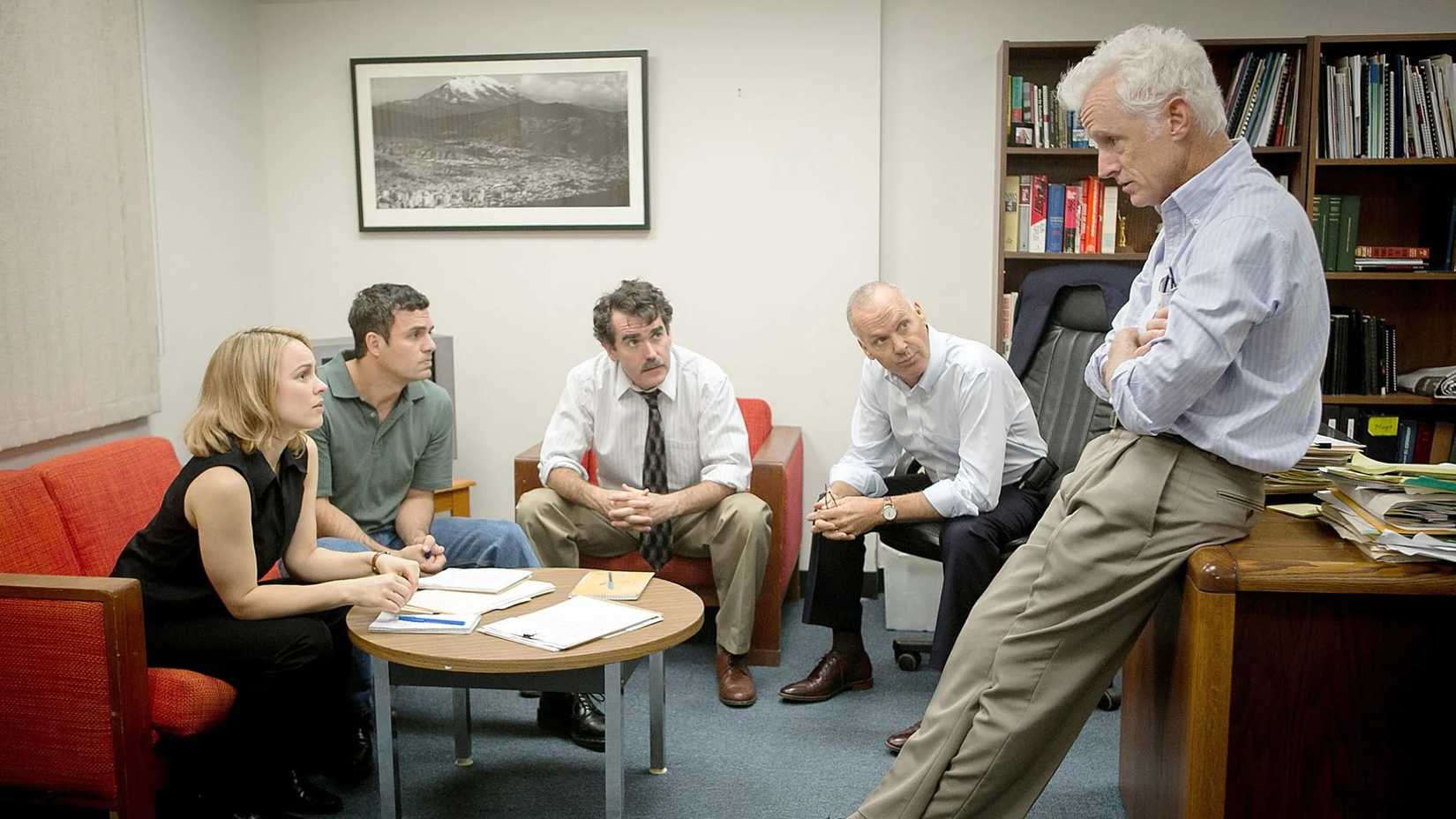
While not completely lost to time like some older Best Picture winners, the film Spotlight is starting to be remembered less. It’s a thrilling true story about the reporters at the Boston Globe who exposed a huge scandal within the Catholic Church. Because the film is based on actual events, it’s understandable that it hasn’t remained as popular over the years. Still, it remains a powerful and engaging film even today.
Spotlight is a compelling film that doesn’t rely on its story alone; director Tom McCarthy skillfully creates powerful scenes throughout. The acting feels incredibly real, with standout performances from Mark Ruffalo and Rachel McAdams. Interestingly, it’s a rare Best Picture winner that only took home one other Academy Award.
The Artist (2011)
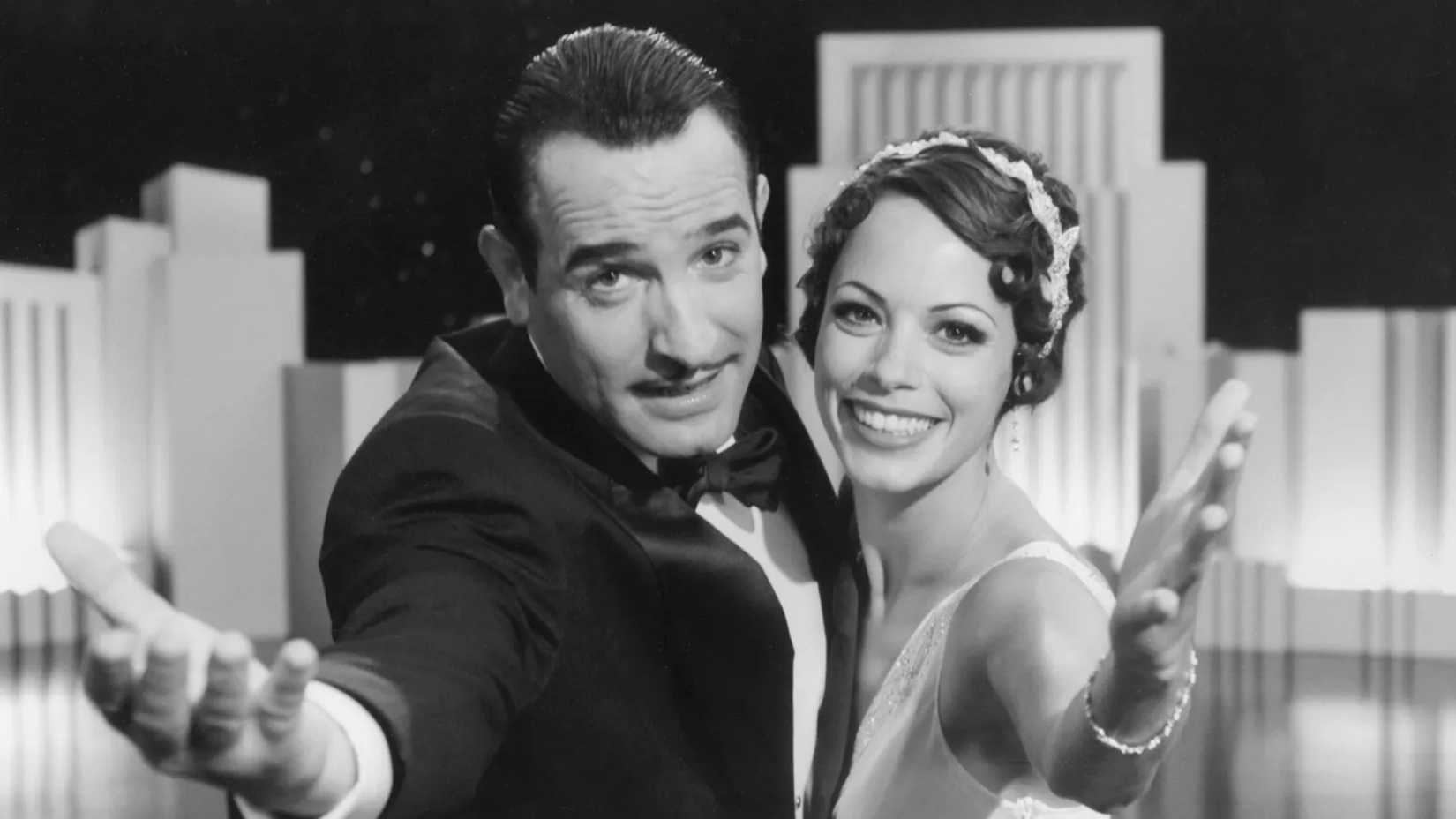
The Academy Awards loves films about Hollywood itself, and The Artist was clearly designed to appeal to them. This movie, set during the end of the silent film era, tells the story of a romance between an established actor and a rising young starlet. Filmed entirely in black and white and using an old-fashioned screen shape, The Artist deliberately aimed to capture the look and feel of classic Hollywood cinema.
Okay, so the story in The Artist isn’t groundbreaking, but honestly, it looked amazing, especially considering when it came out – it felt like a real throwback. What’s really cool is how it expertly uses all those old-school silent film techniques, but in a way that still works for us today. It had a huge moment when it first came out, but the buzz died down pretty quickly. Still, even now, in the 2020s, I think The Artist is worth checking out – it’s a beautiful film.
Out Of Africa (1985)
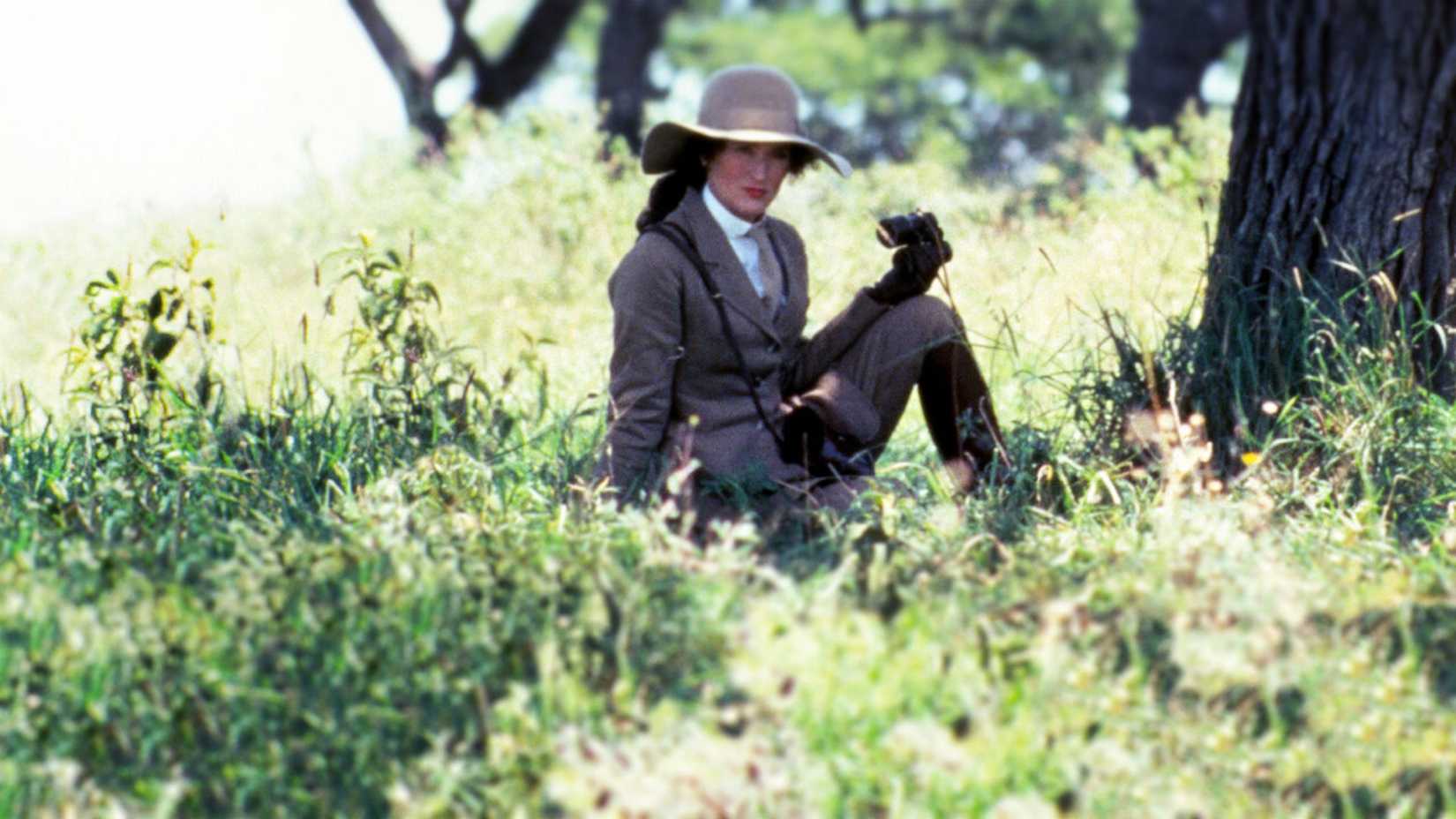
The 1980s really showed how out of touch the Oscars sometimes were with popular taste, but many of the films that won Best Picture were still excellent. For example, Out of Africa, which won in 1986, tells the story of a Danish noblewoman who finds love with a hunter while managing a coffee farm in Africa.
Similar to classic, epic love stories, Out of Africa was instantly praised for its beautiful scope. The performances by Meryl Streep and Robert Redford are particularly outstanding, and it’s exactly the kind of film that often wins awards. While it moves at a more deliberate pace than many movies from 1985, the film’s emotional impact makes it well worth watching.
Terms Of Endearment (1983)
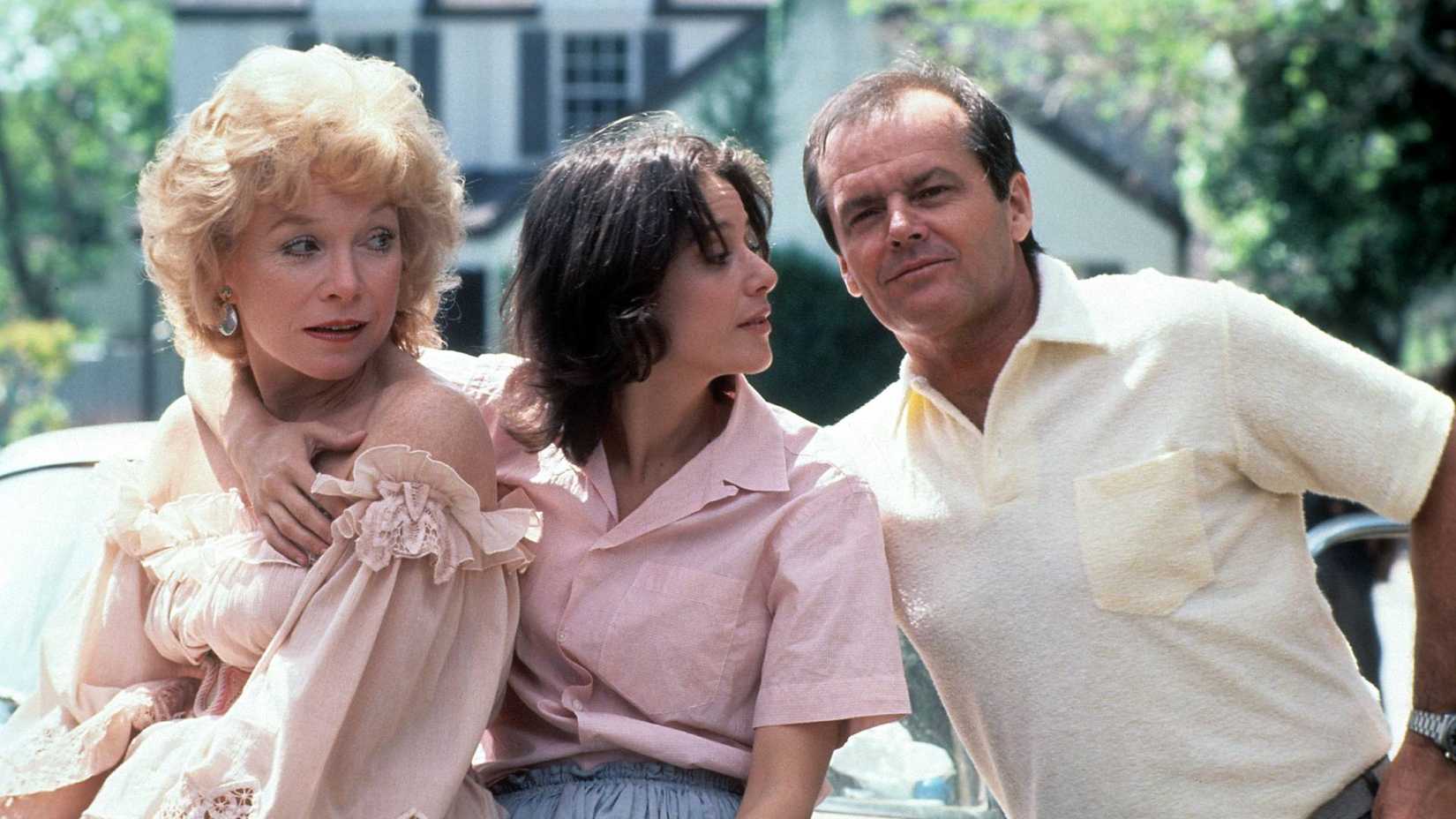
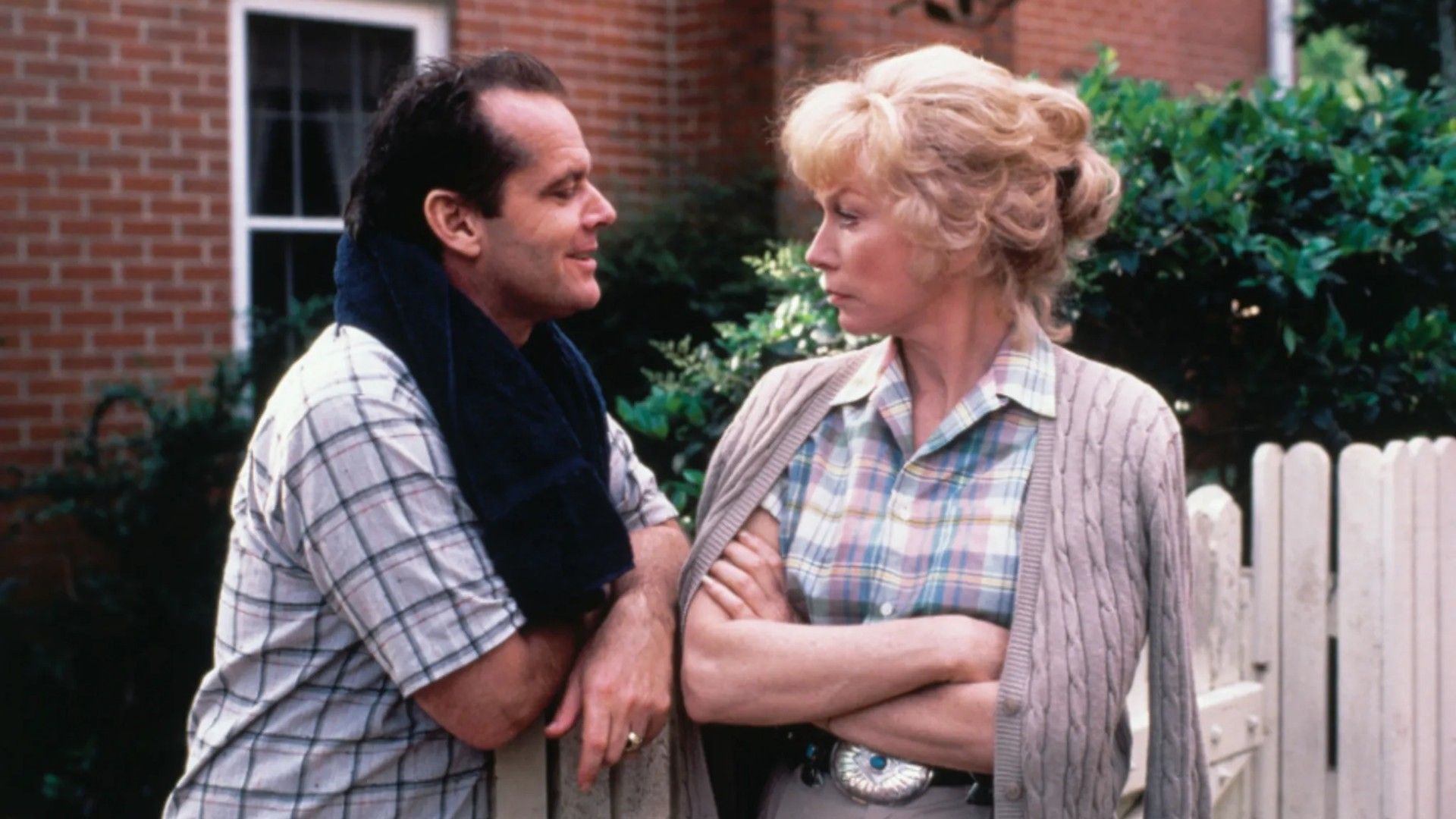
As a total film buff, I’ve always admired how James L. Brooks just gets people, and that really shines through in Terms of Endearment. It’s a beautiful, funny, and sometimes heartbreaking look at a mother and daughter’s complicated relationship, spanning thirty years. And the cast? Seriously incredible – Shirley MacLaine, Debra Winger, and Jack Nicholson all deliver phenomenal performances.
Terms of Endearment beautifully balances heartfelt drama and humor, never becoming overly sentimental or silly. It’s a genuinely touching film that many people enjoy revisiting, and it’s somewhat faded from memory only because the 1980s saw so many similar movies about families facing difficult, yet funny, situations.
Ordinary People (1980)
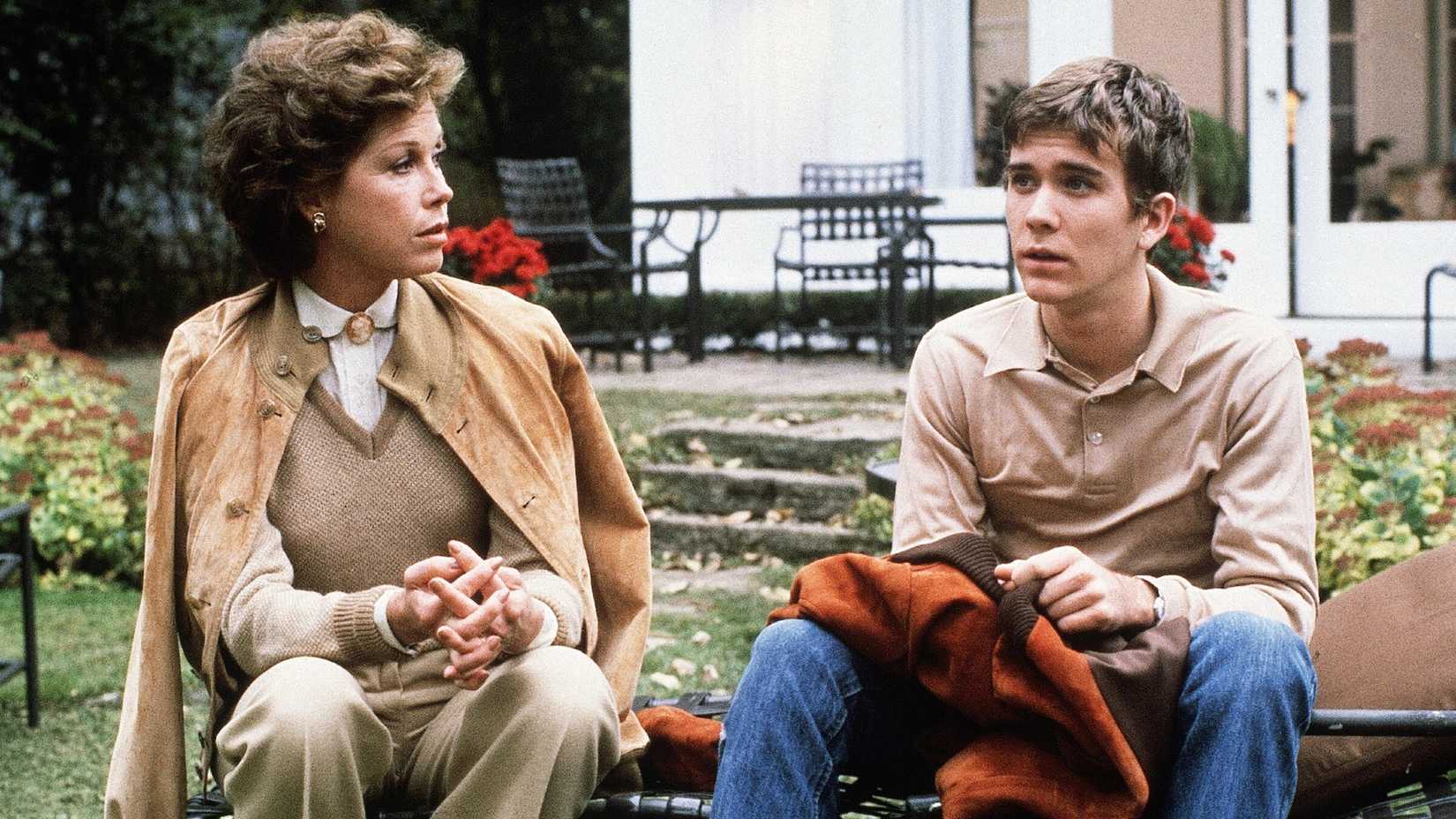
Though some debate its win, Ordinary People took home the Best Picture Oscar over highly-regarded films like Raging Bull, and it’s a genuinely well-made movie. It tells the story of a teenager struggling with depression after losing his brother, and how his parents cope with the tragedy. The film is powerfully moving without being overly sentimental, offering a realistic and honest look at grief and family dynamics.
Looking back, the Academy clearly made a mistake, but Ordinary People remains a powerful and moving film. Unlike many movies from the ’80s that focus on nostalgia, it offers a realistic look at the difficulties people face. Importantly, the film handles mental health issues with sensitivity and respect.
Oliver! (1968)
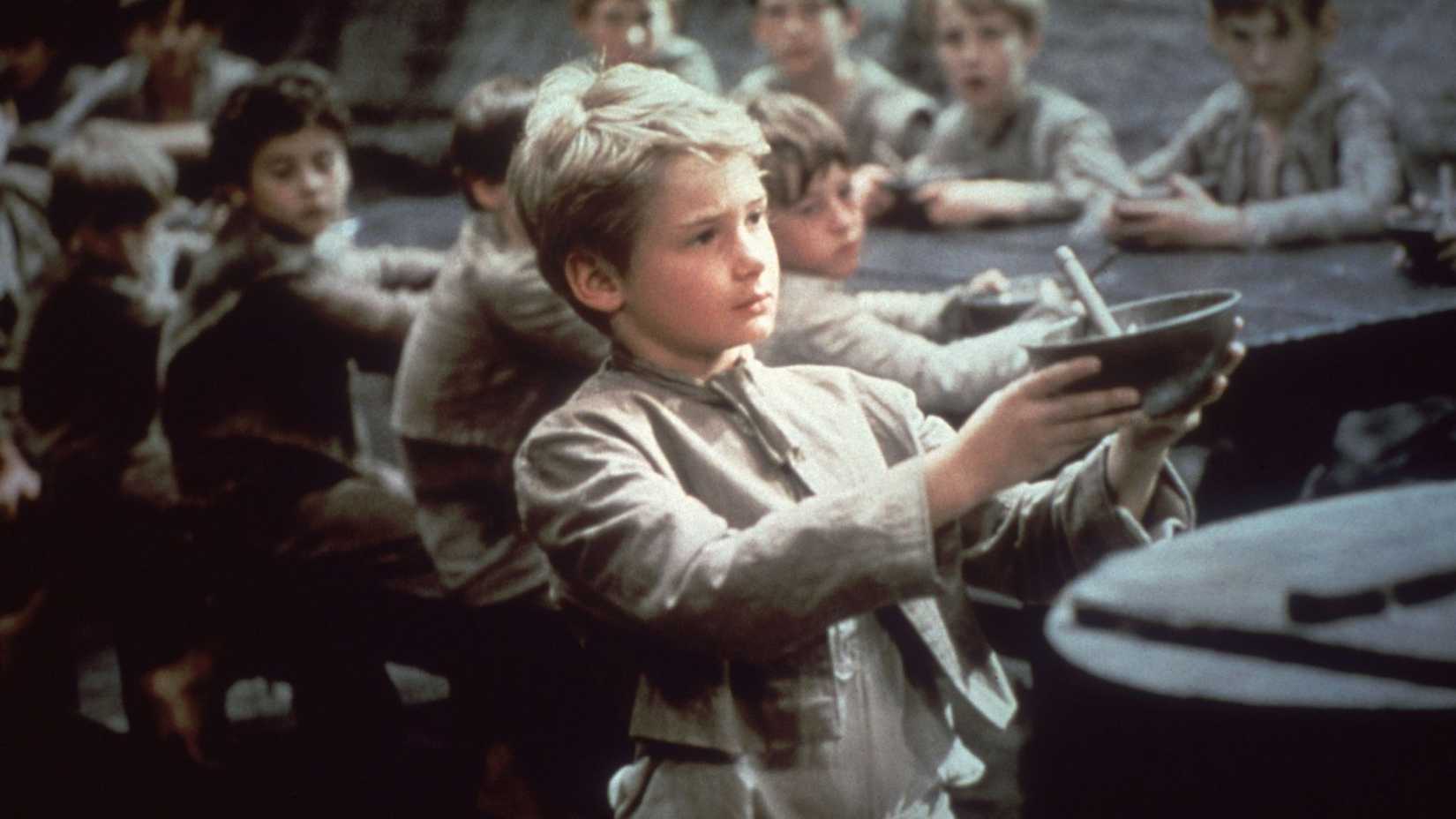
Movie musicals frequently give films a boost when it comes to being nominated for Best Picture at the Academy Awards, but Oliver! is a winner that doesn’t get much attention. Based on the famous Charles Dickens novel, the musical enhances the well-known story with memorable songs, focusing on the adventures of a clever young orphan. At two and a half hours long, the film is truly grand in scope.
Oliver! beautifully blends the grand tradition of classic musicals with a more streamlined, modern style. Interestingly, it won an award over Funny Girl, another musical that isn’t as well-remembered today. What makes musicals so enduring is their ability to connect with audiences across generations, and Oliver! remains a truly timeless film.
A Man For All Seasons (1966)
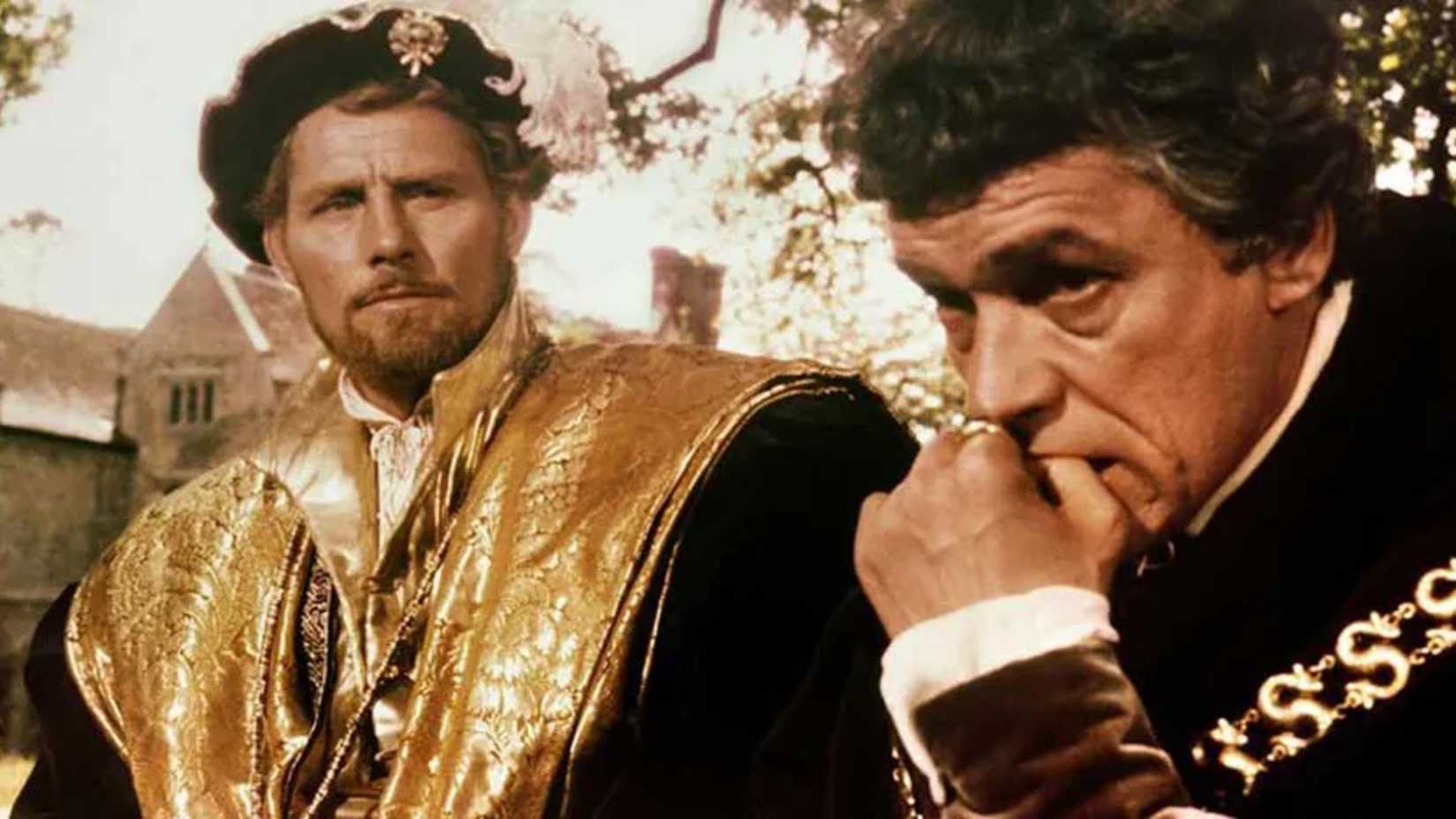
As a film buff, I always had high expectations for A Man for All Seasons – the play is a masterpiece, so a movie version was practically destined to be good. It tells the story of Sir Thomas More and his incredibly tense conflict with King Henry VIII. But it’s more than just a faithful adaptation; the film actually improves on the original play by really taking advantage of what cinema can do.
Sadly, A Man for All Seasons is largely forgotten today. While other movies from that era are remembered for their innovative stories or filmmaking, this film remains a true treasure. The acting is superb, and the costumes are exceptionally well-done. It represents a high point and was one of the last great films from Hollywood’s Golden Age.
The Lost Weekend (1945)
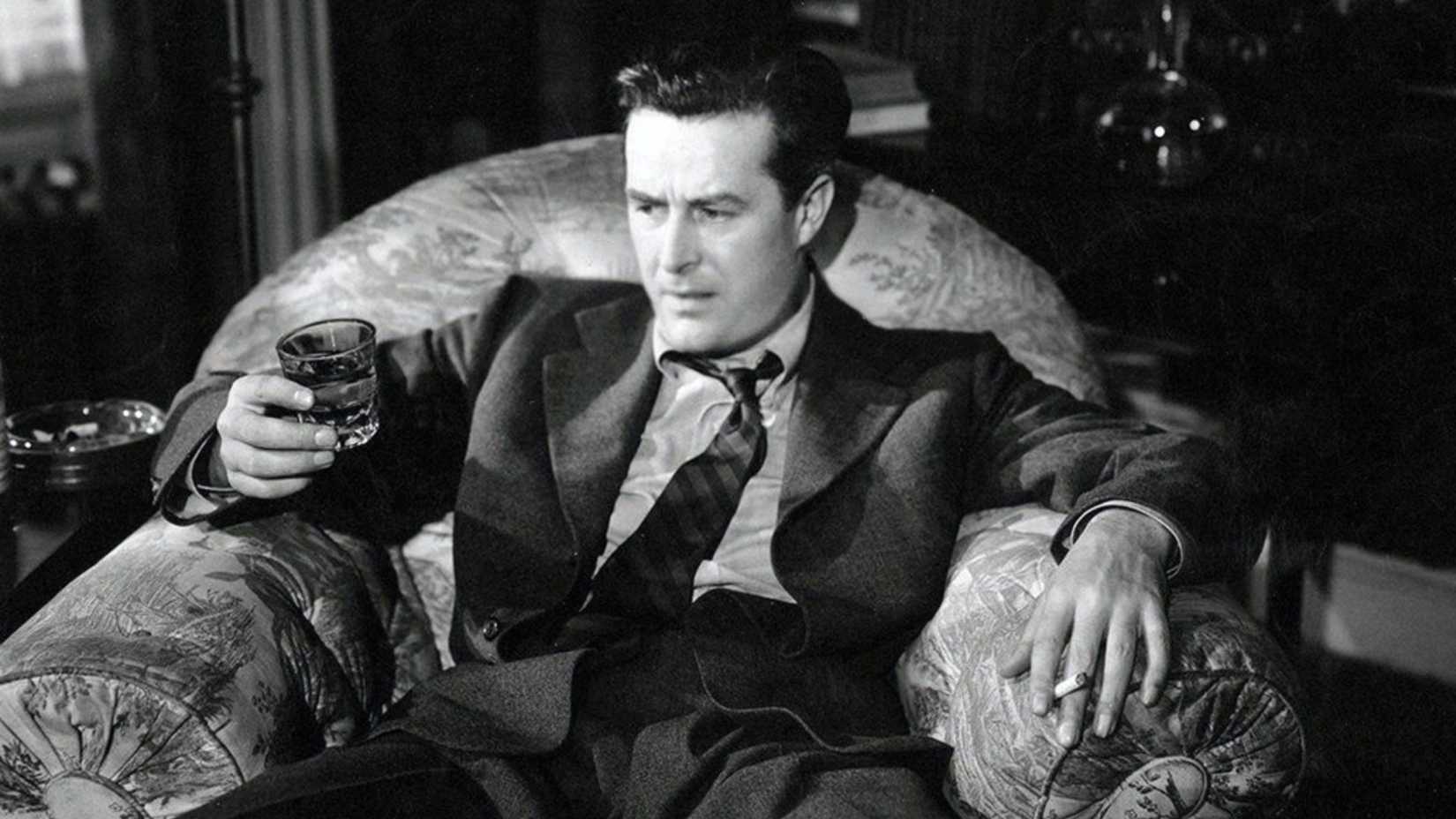
Despite being a film by the celebrated director Billy Wilder, The Lost Weekend is often overlooked. This Best Picture winner tells the story of a writer’s harrowing three-day struggle with alcoholism, vividly portraying the devastating effects of addiction. Remarkably, the film was released the same year World War II ended, serving as a prescient warning about the challenges many returning soldiers would face.
While The Lost Weekend isn’t a feel-good movie, it’s incredibly impactful. The film handles its difficult topic with care, and director Wilder uses his skill to truly show the audience the character’s struggles. It shares a similar look with other noir films of the time, but The Lost Weekend offers a much deeper experience.
Rebecca (1940)
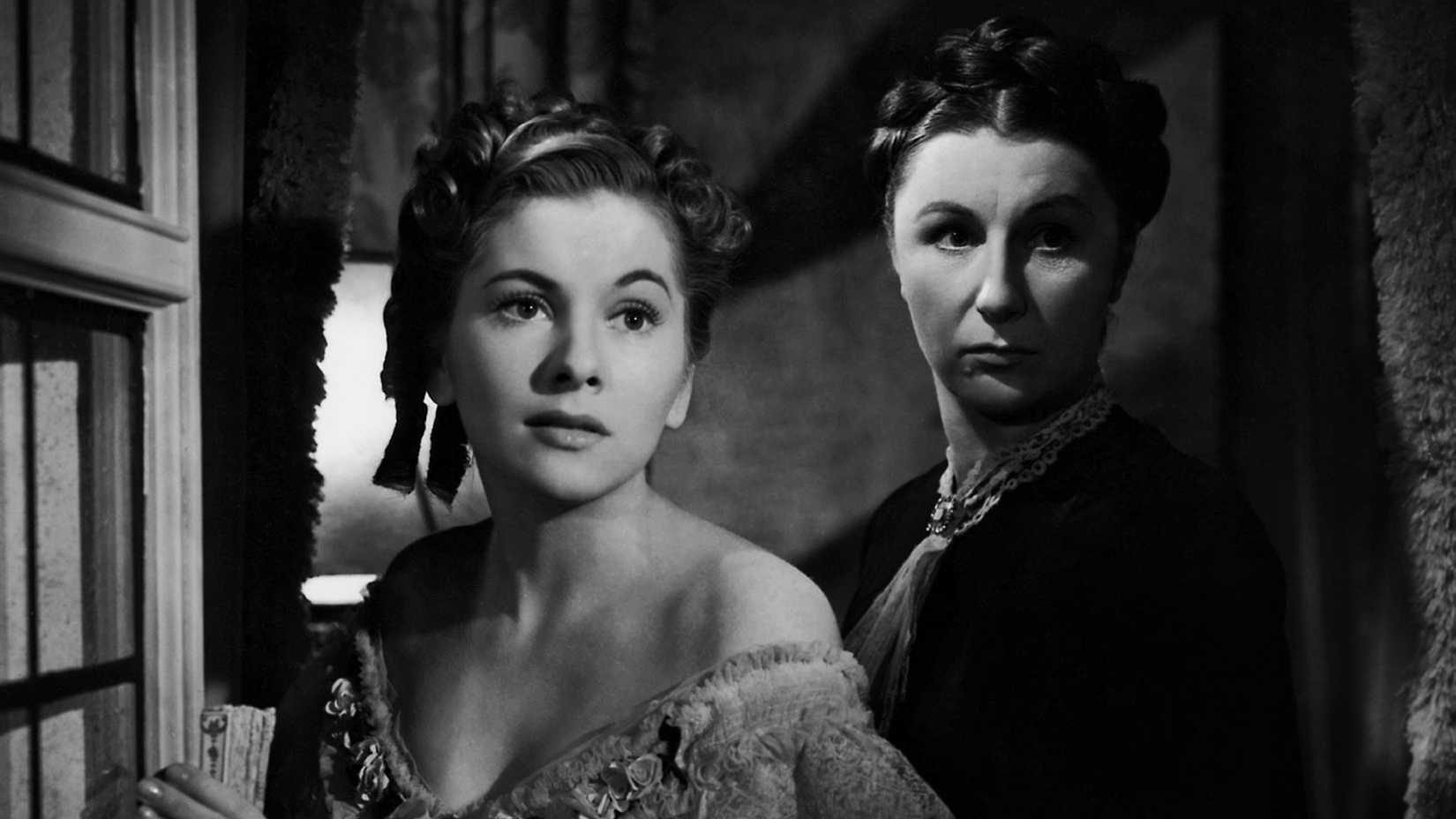
Although Alfred Hitchcock is considered one of history’s most brilliant directors, he only won a Best Picture Oscar once, for the 1940 film Rebecca. This movie, based on a novel by Daphne du Maurier, tells the story of a young bride struggling with the lingering presence of her husband’s former wife. Rebecca is a spooky, gothic romance that’s quite different from the suspenseful thrillers Hitchcock became famous for.
While not Hitchcock’s most famous work, Rebecca remains a compelling and innovative film. His signature style is evident throughout, and he expertly amplified the book’s most chilling scenes. Though he should have won more Oscars, his single Academy Award remains a testament to his talent.
All Quiet On The Western Front (1930)
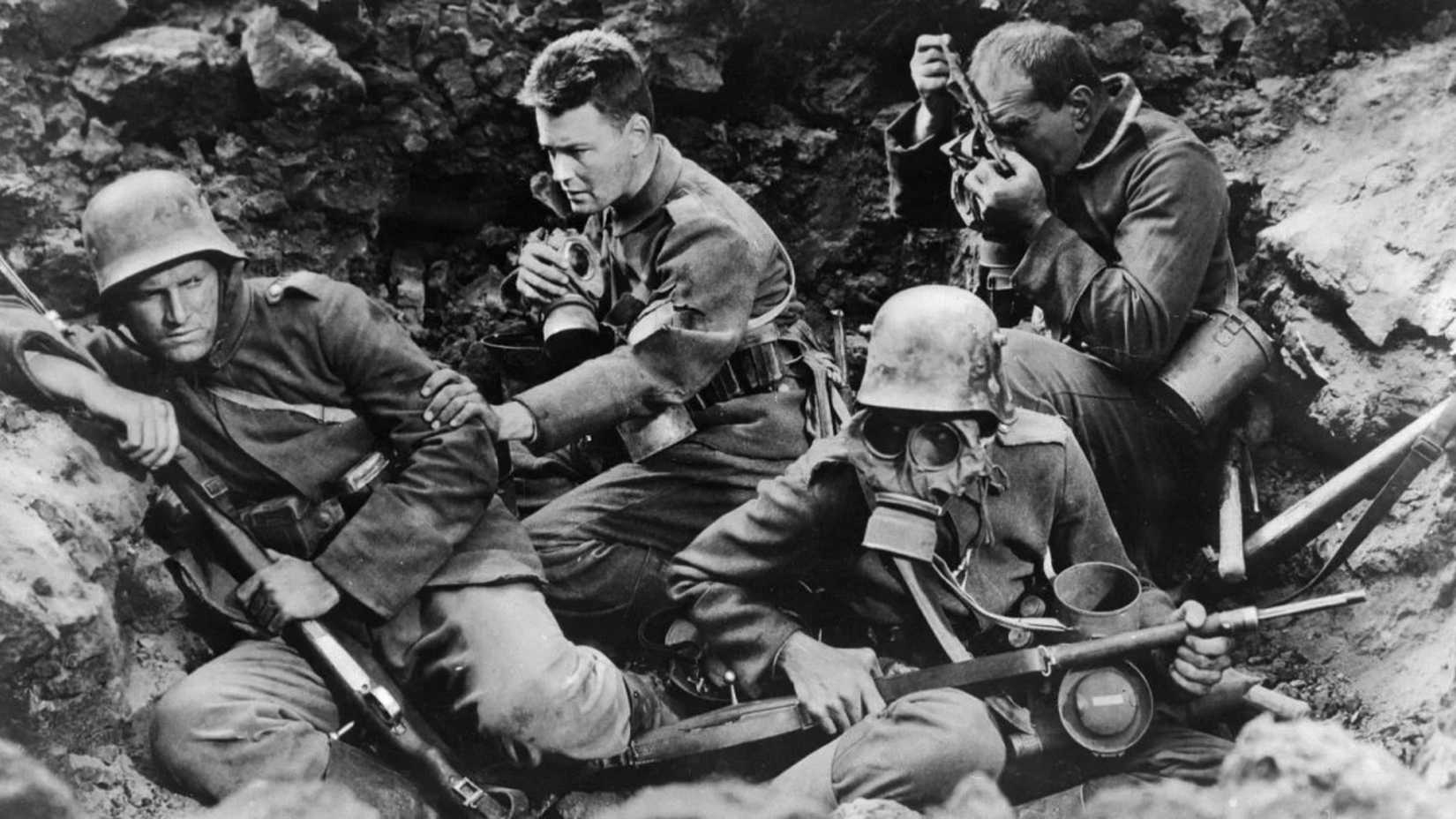
Winning Best Picture (then known as Outstanding Production) very early in the Academy Awards’ history, All Quiet on the Western Front is still considered one of the most powerful anti-war films ever created. The movie follows a young, idealistic German soldier who experiences the harsh realities of World War I, ultimately losing his innocence. Even today, the film vividly portrays the horrors of trench warfare with its dramatic and sweeping scope.
This groundbreaking early talkie heavily influenced countless war movies that came after it. While the version we see today has been edited differently from the original Oscar winner, it remains incredibly powerful. Though time has faded its prominence, the significance of All Quiet on the Western Front is immense and shouldn’t be forgotten.
Read More
- Mobile Legends: Bang Bang (MLBB) Sora Guide: Best Build, Emblem and Gameplay Tips
- Clash Royale Best Boss Bandit Champion decks
- Best Hero Card Decks in Clash Royale
- All Brawl Stars Brawliday Rewards For 2025
- Best Arena 9 Decks in Clast Royale
- Brawl Stars December 2025 Brawl Talk: Two New Brawlers, Buffie, Vault, New Skins, Game Modes, and more
- Vampire’s Fall 2 redeem codes and how to use them (June 2025)
- Clash Royale Witch Evolution best decks guide
- Clash Royale Furnace Evolution best decks guide
- Clash of Clans Meltdown Mayhem December 2025 Event: Overview, Rewards, and more
2025-12-25 17:35