The holidays often bring a mix of joy and stress, especially when it comes to family. While Jim Jarmusch’s new film isn’t set during the holiday season, it captures the uncomfortable feelings of awkwardness, resentment, and guilt that many people experience with their parents. “Father Mother Sister Brother” offers a relatable look at these dynamics, but Jarmusch avoids overly emotional or simplistic solutions. The film is subtle and unassuming, and its quiet power may surprisingly move you.
The film “Father Mother Sister Brother” tells three distinct stories about families. The first follows siblings Jeff and Emily as they visit their father in the Northeastern United States. The second story takes place in Dublin, where sisters Timothea and Lilith visit their mother for a yearly tea party. Finally, the third segment is set in Paris, where twins Skye and Billy come together to settle the affairs of their parents, who tragically died in a plane crash.
Jim Jarmusch sometimes presents his stories as a series of connected segments, as seen in films like “Night on Earth” and “Coffee and Cigarettes.” At first glance, his film “Father Mother Sister Brother” seems to follow this pattern, but it builds to something more. The movie, which won the top prize at the Venice Film Festival, subtly explores a powerful and meaningful theme.
The story’s first hint of something deeper appears in the chapter titled “Father,” which opens with Jeff and Emily driving to see their dad. Their conversation feels awkward and forced as they talk about him, a man who’s always been a bit of a mystery. The visit feels like something they have to do, since they don’t see him often, and his clumsy greeting only adds to the tension. For most of the chapter, not much happens, but the ending introduces a surprising twist that hints at how different our parents’ lives may be from what we imagine.

Movies
Whether you’re interested in potential Oscar winners like “Marty Supreme,” featuring Timothée Chalamet, or a fresh take on the classic “Anaconda,” the last few weeks of 2025 promise a variety of exciting entertainment options.
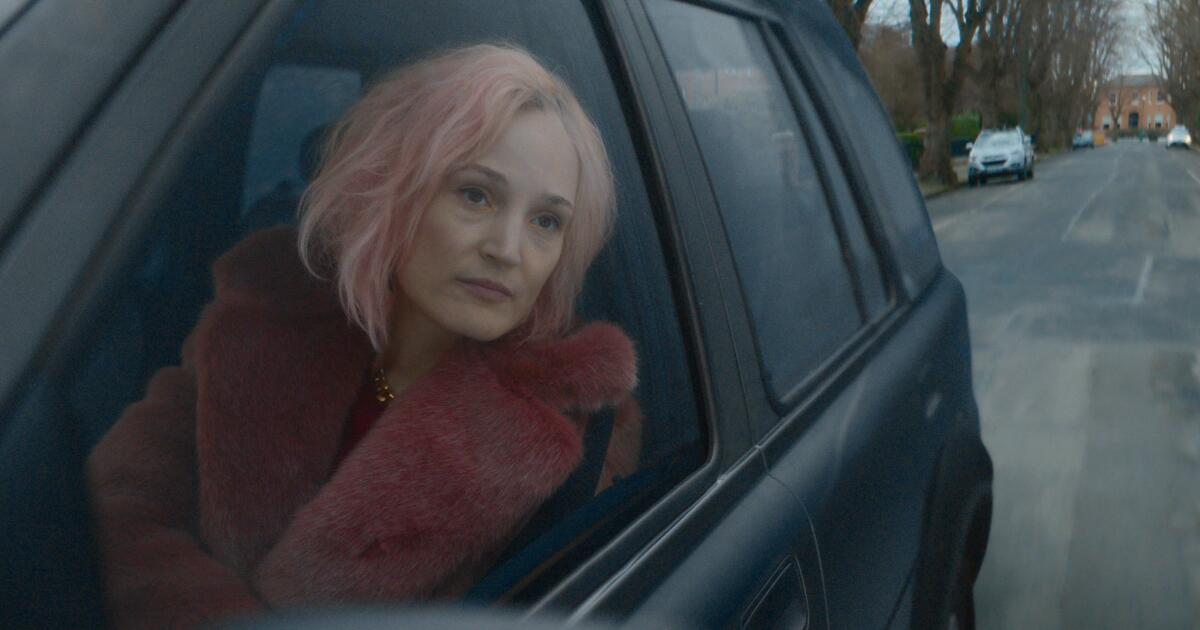
As the story progresses to the “Mother” section, we begin to adjust to the film’s unsettling pace—which is fortunate, because the relationship between Timothea and Lilith and their mother becomes even more strained. Cate Blanchett portrays the mother as polite but distant, clearly struggling to connect with her daughters. With a drab haircut and glasses, Blanchett plays Timothea as timid and desperately seeking her mother’s approval. In contrast, Lilith, played by Krieps, is bolder, sporting pink hair and falsely boasting about owning a Lexus. Rampling delivers a nuanced performance as a mother who easily detects her children’s dishonesty and vulnerabilities, yet maintains a polite silence—though it’s unclear if this is kindness or a way to maintain control.
The film’s deliberately slow pace and somewhat detached style might frustrate some viewers at first. However, this is intentional, and the movie eventually draws you in with its underlying sadness. Director Jarmusch uses a simple musical score and long pauses to create a feeling of deep despair. This is evident in quiet moments, like when Emily gazes out the window at the peaceful yet bittersweet winter landscape, or when Timothea looks at her reflection, longing for a more fulfilling life.
These scenes can be deeply moving, but Jarmusch balances the sadness with moments of dry humor, especially when characters are brutally honest. Actress Vicky Krieps clearly enjoys playing her character, a boastful woman trying to impress her family. (There’s a funny moment where she says, “I almost hate to say it, but my life’s been like a dream,” and Cate Blanchett’s reaction is perfect.) As the film goes on, you start to see beneath the seemingly ordinary surface and recognize the complicated, unresolved problems within these reserved families. The characters briefly reveal their vulnerabilities, but quickly pull back, afraid of confronting difficult truths.
This leads to the most emotionally resonant part of “Father Mother Sister Brother.” While revealing details about Skye and Billy’s story would spoil it, it’s evident that Jarmusch structured the earlier “Father” and “Mother” sections to give the final “Sister Brother” segment a greater impact. Crucially, the beautiful performances by Moore and Sabbat subtly change how we view those earlier parts, culminating in some of the most touching scenes of Jarmusch’s entire career.
At 73, Jim Jarmusch still has his signature style and calm demeanor, but his latest film explores deeper emotions. ‘Father Mother Sister Brother’ is a poignant reflection on the pain of understanding and losing our parents. The film suggests that while family relationships can be difficult, the grief of their absence is even harder.
Read More
- Mobile Legends: Bang Bang (MLBB) Sora Guide: Best Build, Emblem and Gameplay Tips
- Clash Royale Best Boss Bandit Champion decks
- Best Hero Card Decks in Clash Royale
- All Brawl Stars Brawliday Rewards For 2025
- Best Arena 9 Decks in Clast Royale
- Brawl Stars December 2025 Brawl Talk: Two New Brawlers, Buffie, Vault, New Skins, Game Modes, and more
- Clash Royale Witch Evolution best decks guide
- Call of Duty Mobile: DMZ Recon Guide: Overview, How to Play, Progression, and more
- Clash Royale December 2025: Events, Challenges, Tournaments, and Rewards
- Clash of Clans Meltdown Mayhem December 2025 Event: Overview, Rewards, and more
2025-12-24 10:01