
The start of the 2020s brought huge challenges to television, and the show Station Eleven faced particularly significant hurdles. The COVID-19 pandemic caused delays in filming, required careful safety measures during reshoots, and led to many shows being canceled altogether. TV networks had to completely change their plans and deal with a lot of uncertainty instead of being able to plan for the future.
Other projects directly addressed the pandemic. Films like Songbird and the UK series Isolation Stories were created to specifically show what life was like during the global crisis, focusing on the fear, loneliness, and stress people were feeling. These quickly became known as examples of “pandemic entertainment,” but often sparked strong, divided reactions from viewers.
Despite its critical success – a 98% rating on Rotten Tomatoes and seven Emmy nominations – the 2021 HBO miniseries Station Eleven was often overlooked. Many viewers found the story, set after a pandemic, too unsettling given recent events. Now, four years later, it’s time for fans of post-apocalyptic science fiction to give this remarkable series another look.
What Is Station Eleven About?
A Post-Apocalyptic Story Focused On Memory, Art, And Survival
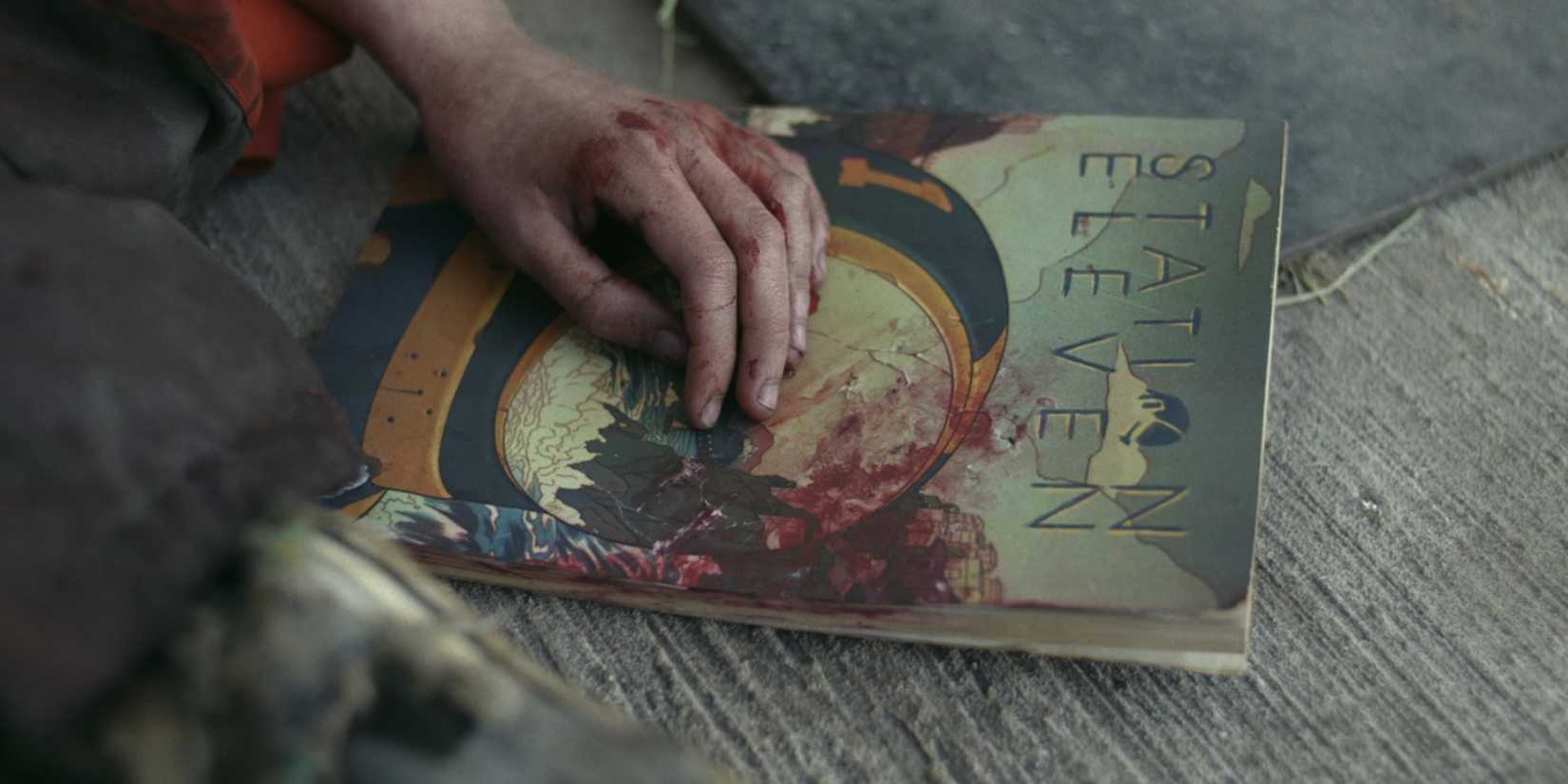
As a huge fan of post-apocalyptic stories, I was completely captivated by Station Eleven. It jumps between different time periods, showing us life right as a terrible flu begins to wipe out most of the population, and then fast-forwarding about 20 years to see what’s left. What I really loved is that it doesn’t focus on the big picture stuff like governments trying to fix things – instead, it’s all about the individual people and how they survive and rebuild their lives.
Kirsten Raymonde (played by Mackenzie Davis) is a key character, traveling with a group called the Traveling Symphony. This group performs Shakespeare and classical music, believing that simply staying alive isn’t enough – their motto is “survival is insufficient.” The story, Station Eleven, emphasizes that culture, memories, and stories aren’t just enjoyable extras, but essential for truly living.
Station Eleven tells its story in a unique, non-linear way, jumping between different time periods. As the story unfolds, connections between characters who seem separate are gradually revealed, all stemming from one night at a Chicago theater. The actor Arthur Leander (played by Gael García Bernal), who dies at the start of a devastating pandemic, subtly influences events and characters throughout the entire narrative.
If you enjoy sci-fi set after the end of the world, Station Eleven is different from most shows in the genre. It doesn’t focus on constant action or desperate fights for survival. Instead, it’s a thoughtful exploration of loss, who we are, and the lasting power of storytelling, even when society breaks down. It’s more similar to shows like The Leftovers than typical, fast-paced dystopian thrillers.
The way ‘Station Eleven’ looks supports this idea. The show portrays nature taking over empty places as something beautiful, not scary, and the future world feels real and inhabited, not just dangerous. While threats do exist, especially from the character known as the Prophet (Daniel Zovatto), the story isn’t focused on violence.
At its heart, Station Eleven is a story about what lasts. It explores how people find and maintain purpose when the familiar structures of everyday life disappear. This makes it particularly appealing to science fiction readers who enjoy stories focused on well-developed characters and deeper themes.
Station Eleven Was Written Before The COVID-19 Pandemic
The Series’ Pandemic Parallels Were An Unfortunate Coincidence, Not A Cash-In
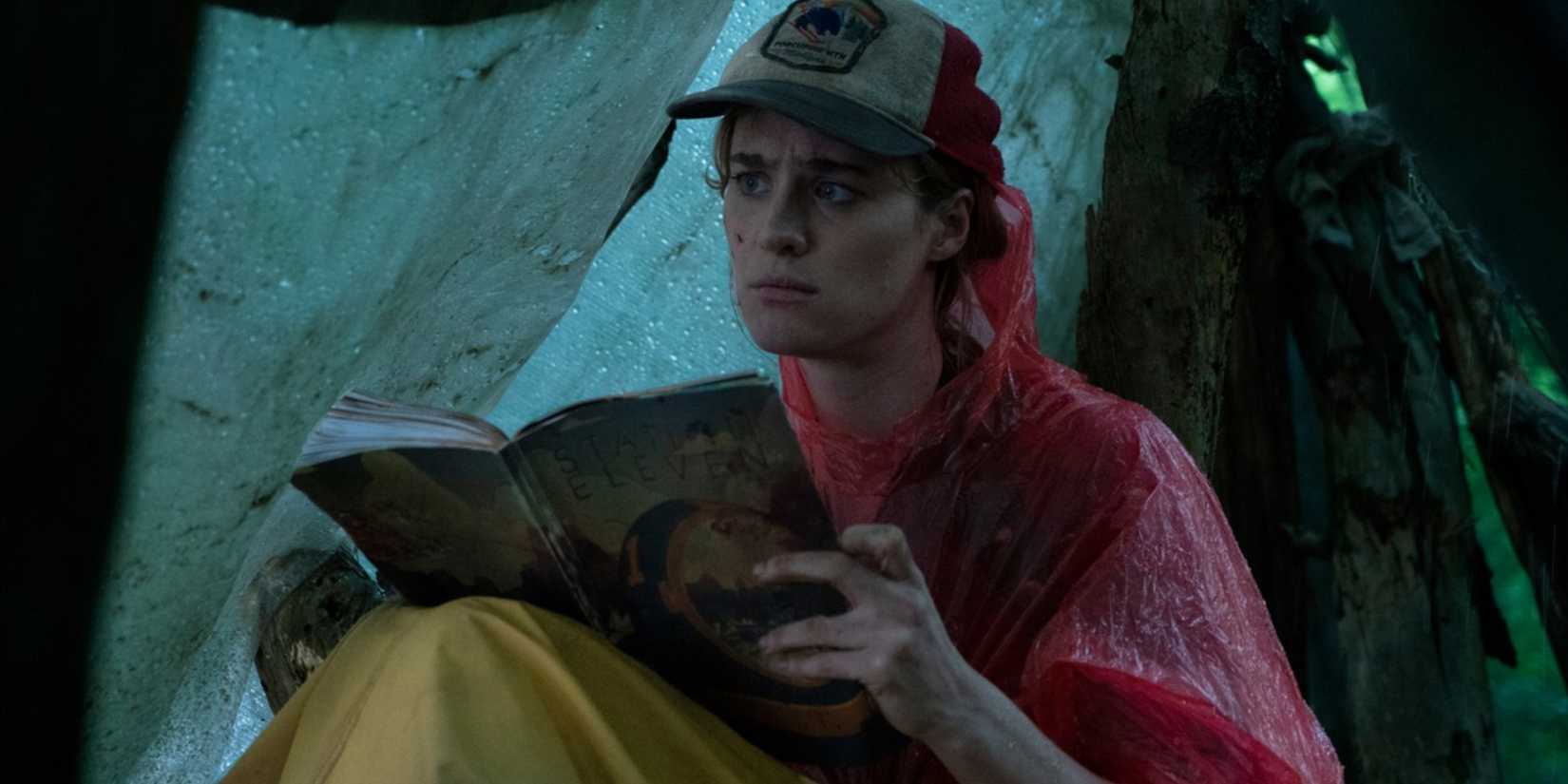
A common misunderstanding about the series Station Eleven is that it was written as a reaction to the COVID-19 pandemic. The show begins with a fictional flu outbreak in 2020, which seemed particularly striking when it aired in 2021, and many viewers found the timing unsettling.
I want to be clear: any similarities between the show Station Eleven and the real-world pandemic are just a strange coincidence. The story actually started with the book by Emily St. John Mandel, which came out way back in 2014! Even in the book, the outbreak happens in 2020 – years before COVID-19. Plus, the show was in development even earlier – the rights to adapt the book were picked up in 2015, so it wasn’t written about what happened recently, it just ended up feeling a little too close to home.
HBO approved the series in 2019, starting production before anyone could have predicted the pandemic. When COVID-19 hit, Station Eleven was already well underway. The creators had to decide whether to postpone the release or move forward with a story that now reflected the real-life trauma everyone was experiencing. Ultimately, HBO decided to release the series, carefully promoting its focus on human connection and resilience instead of the disaster itself.
The virus in Station Eleven is far more dangerous than COVID-19. It spreads incredibly quickly, has a much higher death rate, and causes society to fall apart in just a matter of days. The show isn’t meant to be a commentary on things like lockdowns or public health responses; it’s a fictional exploration – a ‘what if’ scenario – based on a story written long before the pandemic began.
Calling Station Eleven ‘pandemic exploitation’ misses the point of the show and where it came from. It wasn’t created to be about COVID-19; instead, it focuses on how people cope with immense loss by remembering the past, creating new communities, and finding meaning in life.
It’s Easier To Watch Station Eleven Now
Distance From Real-World Trauma Allows The Series’ Strengths To Shine
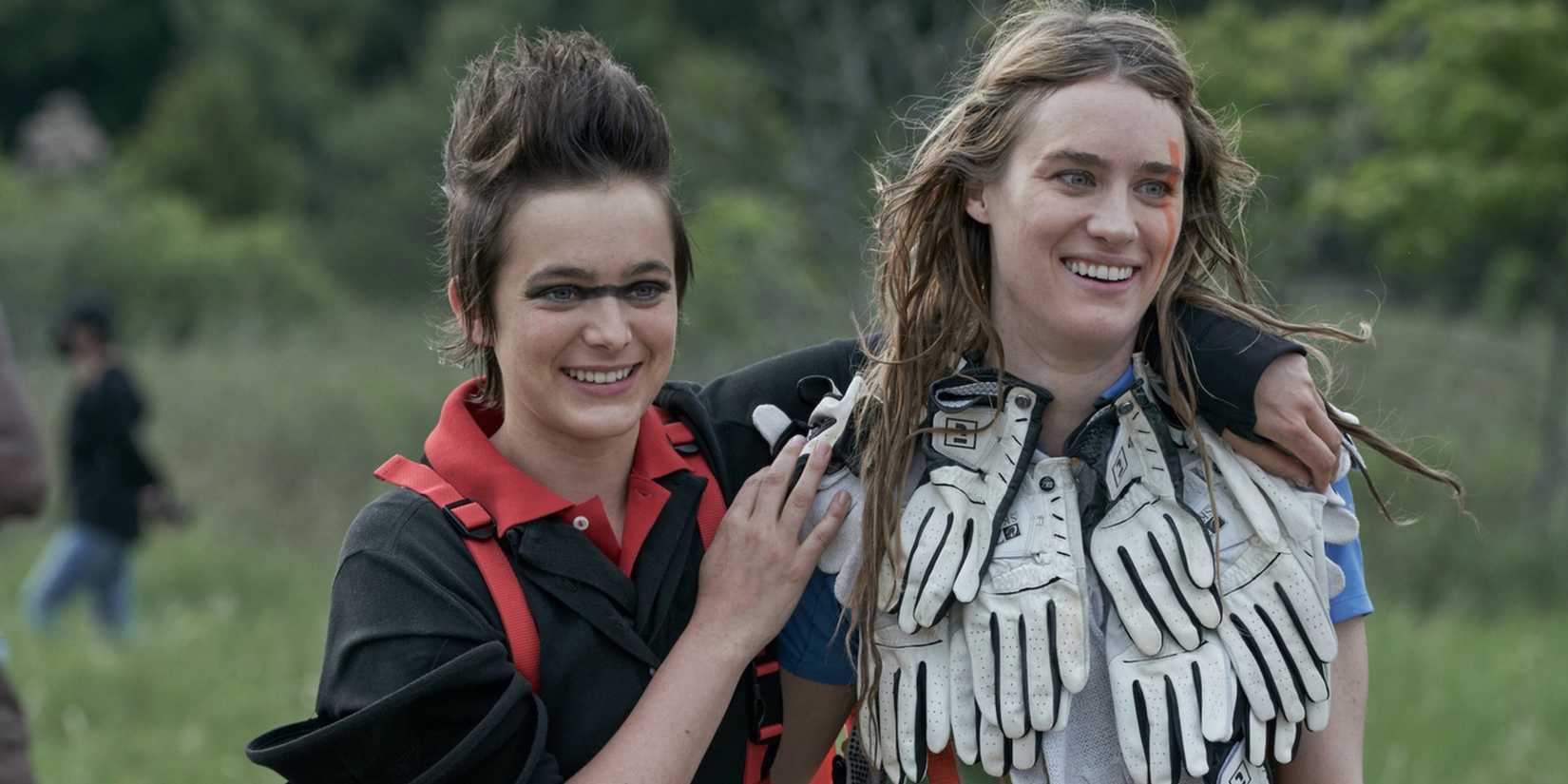
When Station Eleven first came out in 2021, a lot of people were understandably cautious about watching it. A sci-fi series about a worldwide pandemic felt like a lot to handle while the real world was still dealing with so much uncertainty. It was simply too emotionally draining for some viewers.
That response makes sense. It’s often difficult to enjoy fictional stories when they closely reflect real-life hardships. When Station Eleven was released, many people were still dealing with loss, loneliness, and anxiety, making even a well-made show feel overwhelming.
You know, when Station Eleven first came out, it felt… different, because we were all still reeling from the start of the pandemic. It was hard to just watch the show, it felt like living through it. But now, a few years later, things have changed. We didn’t have the total breakdown some feared, and the immediate panic has died down. Re-watching it now is amazing – it’s like the show can finally breathe, and we can too. It’s less about the distress of a world ending and more about the beauty of art, human connection, and how people find a way to keep going. It’s a really meditative experience when you can just appreciate it for what it is.
The way the show tells its story, jumping between different time periods, actually gets better when you watch all the episodes at once. You can really see how cleverly the different timelines connect and how the show’s main ideas about what makes us human stay consistent, no matter what challenges people face.
Though originally popular with a dedicated group of viewers, Station Eleven is now finding a wider audience. Those who enjoy emotionally complex and creatively structured post-apocalyptic science fiction will especially appreciate it, and it feels particularly impactful now.
Looking back, Station Eleven is clearly one of HBO’s most unique and memorable miniseries of the past ten years. It remains as powerful today as it was when it first aired, and it’s now even more obvious why the show was so compelling.
Read More
- Clash Royale Best Boss Bandit Champion decks
- Brawl Stars December 2025 Brawl Talk: Two New Brawlers, Buffie, Vault, New Skins, Game Modes, and more
- Best Hero Card Decks in Clash Royale
- Clash Royale December 2025: Events, Challenges, Tournaments, and Rewards
- Call of Duty Mobile: DMZ Recon Guide: Overview, How to Play, Progression, and more
- Best Arena 9 Decks in Clast Royale
- Clash Royale Witch Evolution best decks guide
- Clash Royale Best Arena 14 Decks
- Brawl Stars December 2025 Brawl Talk: Two New Brawlers, Buffie, Vault, New Skins, Game Modes, and more
- All Boss Weaknesses in Elden Ring Nightreign
2025-12-15 23:40