
Since The Hunger Games became incredibly popular, many similar stories have emerged. However, Netflix’s Alice in Borderland, released in 2020, is often overlooked. The original source for this type of story is arguably the 2000 film Battle Royale, directed by Kinji Fukasaku, which was based on Koushun Takami’s 1999 novel.
Both the book and its film version tell the story of a group of middle school students forced to fight for their lives in a future Japan controlled by a strict, authoritarian government. This idea – students battling for survival under a repressive regime – has been explored in many stories since the original film came out.
The core idea behind The Hunger Games originated with Battle Royale, though Suzanne Collins built a completely new and detailed world around it. Other franchises like The Purge and Squid Game, as well as anime and manga series such as Kamen Rider Ryuki and Darwin’s Game, also drew inspiration from the clever concept first presented in Battle Royale.
What Is Alice In Borderland About?

One often-overlooked gem in the dystopian genre arrived on Netflix in 2020. Season 1 of Alice in Borderland starts with Ryōhei Arisu, played by Kento Yamazaki, a video game enthusiast and loner, mysteriously finding himself and two friends in a dangerous, alternate version of Tokyo.
The characters quickly discover this strange, nearly deserted Tokyo is the setting for a deadly game where cooperation is key to survival. The game’s concept is inspired by Alice in Wonderland, and players must win each round to renew their “visa.” But losing means immediate death by laser.
How Alice In Borderland Was Different From Other Battle Royales
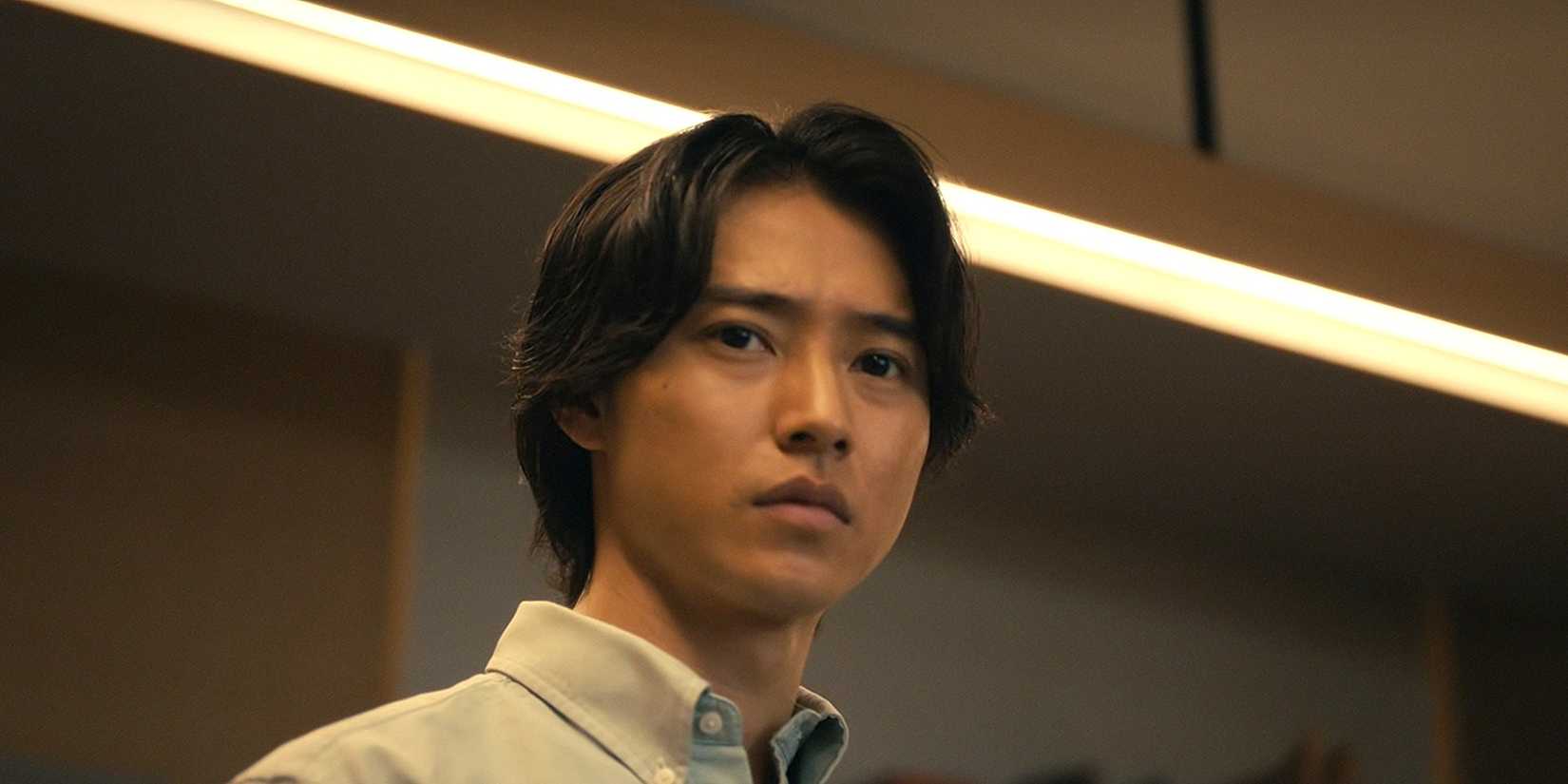
Okay, so this Battle Royale is seriously different. Forget everything you think you know about the genre, because this show throws a unique twist into the mix: the challenges are all based on a deck of cards, and each suit brings a whole new level of difficulty. What I really appreciated, though, is that the show doesn’t rush to introduce the villains or explain why they’re doing what they’re doing. It builds the tension slowly, which is a refreshing change of pace.
Both Squid Game and Alice in Borderland follow the Battle Royale formula, but they emphasize different things. Squid Game uses the games to critique society and make political statements, while Alice in Borderland focuses more on the thrilling and mysterious game itself. The abandoned, empty Tokyo in Alice in Borderland is particularly disturbing because the reason for its emptiness isn’t revealed right away.
This reminds me of the 1997 sci-fi horror film Cube, a major inspiration for the show. Directed by Vincenzo Natali, Cube centers around seven strangers who become trapped in a dangerous maze of identical cube-shaped rooms. Each room contains a different, deadly trap designed to catch them.
Similar to Cube, Alice in Borderland focuses more on challenging its characters than on fully explaining the strange world they’re in. The antagonists are threatening, but their motivations remain mysterious for most of the series. This approach helps the show differentiate itself within the popular Battle Royale genre.
As a big fan of dystopian thrillers, I’ve noticed a pattern in movies like The Hunger Games, The Purge, and Battle Royale. They’re pretty upfront about their message – a clear dig at controlling governments, manipulative propaganda, and the cutthroat nature of competition in a capitalist world. But Alice in Borderland is different. Its villains aren’t about making a statement; they’re just…creepy and their reasons for doing things are genuinely unsettling, which makes it stand out.
As a huge fan of Alice in Borderland, I always noticed how many characters seemed to mirror those from Alice in Wonderland. It’s such a clever touch that really adds to the show’s weird, dreamlike quality – it feels a lot more unique than your typical Battle Royale story. And while shows like those three are amazing, sometimes other attempts at this kind of story get too heavy-handed with all the hidden meanings and symbolism.
Both The Hunt (2020) and Assassination Nation (2018) tried to create stories inspired by the Battle Royale genre, but they weren’t successful because their messages felt heavy-handed and lacked nuance. The political points these films tried to make weren’t very insightful or original, especially when compared to classics like Battle Royale or The Hunger Games.
Alice In Borderland Is Worth Binging
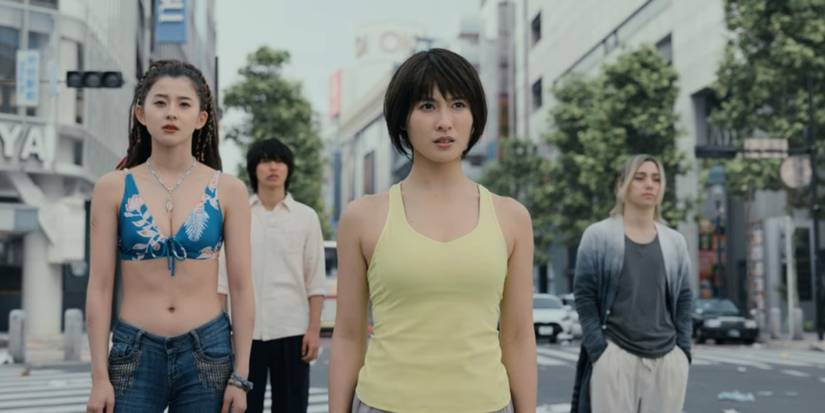
Unlike many similar shows, Alice in Borderland adds a uniquely unsettling and strange atmosphere. The full explanation of what’s happening isn’t revealed until the very end of season 3, and even then, the show’s core mysteries remain intriguingly unclear.
As a huge cinema fan, I was completely hooked by Alice in Borderland. What really sets it apart is that it doesn’t hand you answers on a silver platter. You’re thrown into this intense story right alongside the characters, constantly wondering who’s going to make it and what the point of all these terrifying games even is. Honestly, it’s a really refreshing take on a premise we’ve seen before – it keeps you guessing until the very end.
While many popular Battle Royale shows make their political themes obvious, don’t overlook Alice in Borderland. This Netflix series, now three seasons in, is still surprisingly overlooked, and its many puzzles and secrets remain captivating.
Read More
- Brawl Stars December 2025 Brawl Talk: Two New Brawlers, Buffie, Vault, New Skins, Game Modes, and more
- Clash Royale Best Boss Bandit Champion decks
- Best Hero Card Decks in Clash Royale
- Call of Duty Mobile: DMZ Recon Guide: Overview, How to Play, Progression, and more
- Clash Royale December 2025: Events, Challenges, Tournaments, and Rewards
- Best Arena 9 Decks in Clast Royale
- Clash Royale Witch Evolution best decks guide
- Clash Royale Best Arena 14 Decks
- Decoding Judicial Reasoning: A New Dataset for Studying Legal Formalism
- Brawl Stars December 2025 Brawl Talk: Two New Brawlers, Buffie, Vault, New Skins, Game Modes, and more
2025-12-15 20:19