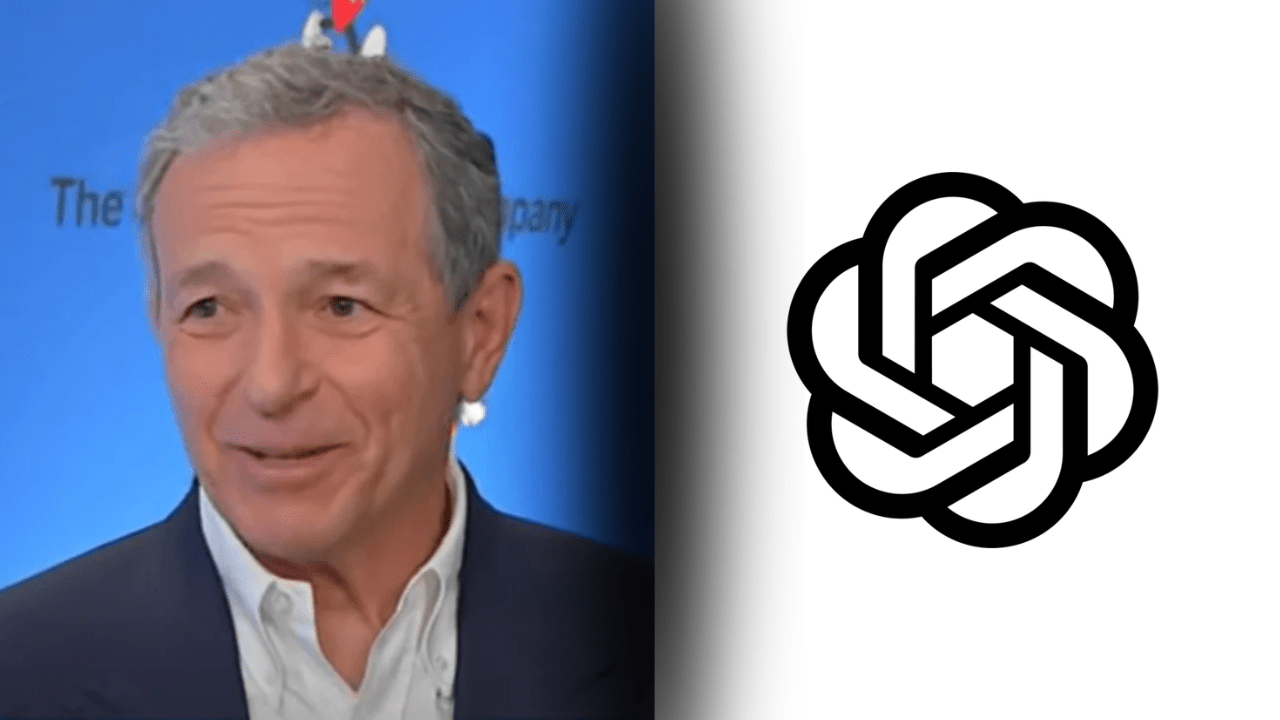
Disney and OpenAI are working together, allowing OpenAI to use Disney characters in its artificial intelligence technology. This agreement could significantly change the entertainment industry in the years to come.
I’ve been following the legal side of AI art and it’s fascinating! It turns out our existing copyright and trademark laws, surprisingly, already cover a lot of the ground when it comes to these new text-to-image and text-to-video tools. Basically, copyright protects truly original creations – things like movies, scripts, artwork, and music – and gives the creator control over how it’s used. That includes making copies, sharing it, showing it publicly, and, importantly for AI, creating new works based on the original. It’s amazing to see how these established laws are being applied to this completely new technology!

A key legal issue with AI systems that learn from vast amounts of copyrighted material is whether using that material for training is legally allowed, specifically if it falls under exceptions like ‘fair use.’ Another concern is whether the AI’s creations are so similar to the original works that they could be considered unauthorized copies.
As a huge movie buff, something that really worries me about AI and filmmaking isn’t just how these models are trained, but what they actually create. Even if an AI learns legally, if it spits out something that looks and feels a lot like an existing, copyrighted film, that could still lead to legal trouble. And then there’s the bigger question: can the AI’s creations themselves be copyrighted? It’s a complicated mess, and I’m not sure where it’s all heading.
The U.S. Copyright Office has stated clearly that to be copyrighted, a work must be created by a human. Material created entirely by AI cannot be copyrighted. Copyright protection might be possible for any parts a human contributed – like choosing, organizing, or significantly changing the AI’s output – but the AI-generated parts themselves would not be protected.
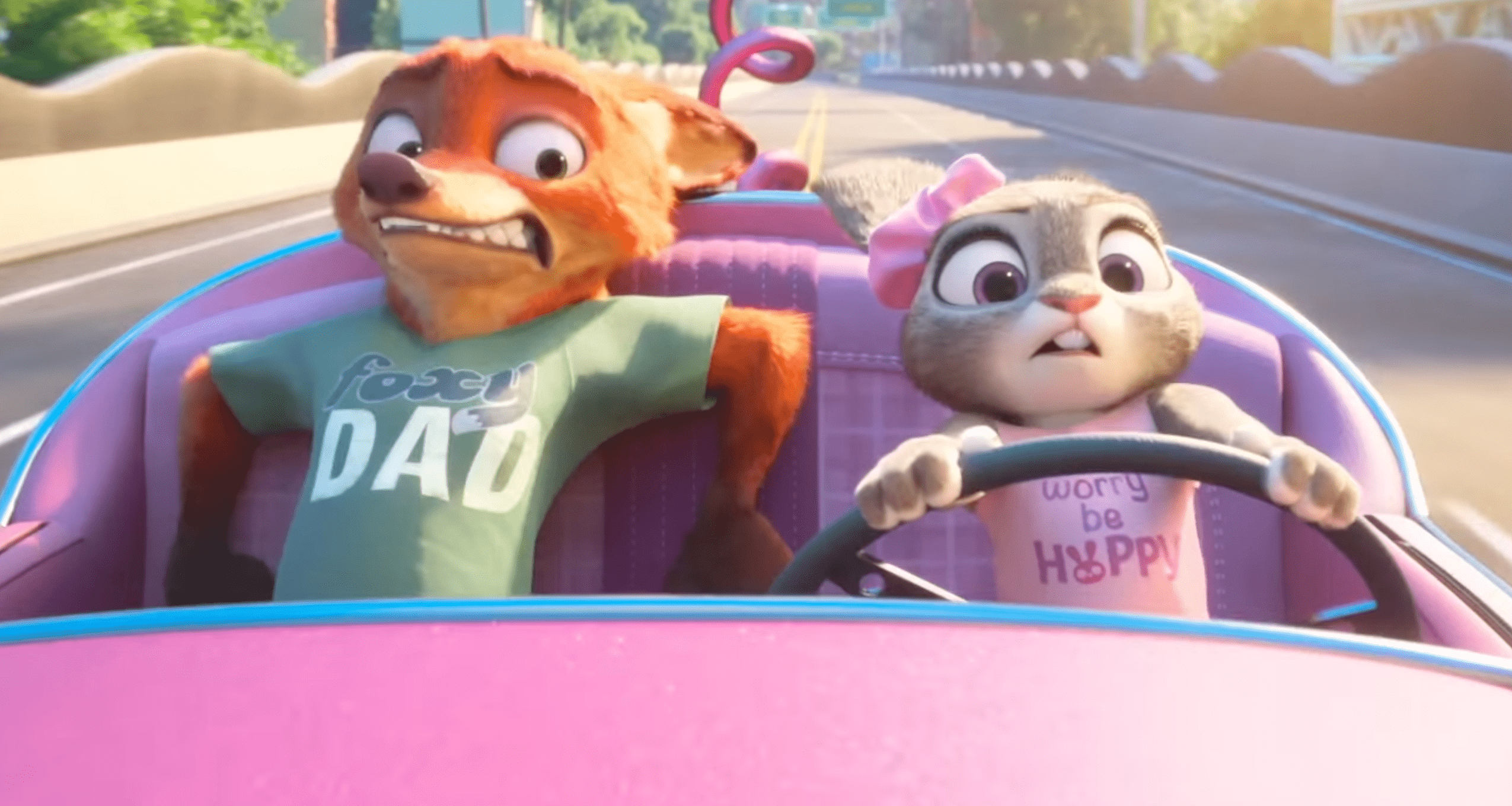
Trademark law, mainly defined by the Lanham Act, focuses on preventing customer confusion about where a product comes from, who supports it, or who is connected to it. To win a trademark infringement case, a plaintiff usually needs to prove they own a registered trademark and that someone else’s similar use of a mark is likely to mislead customers. In the world of AI, trademarks come into play when AI-generated content features well-known brands or characters in a commercial way – like in advertisements or on product packaging – or when AI companies promote their tools by implying an endorsement from those brands.
Even if it’s difficult to definitively prove trademark infringement, well-known brands can still raise concerns about dilution – meaning their brand image is weakened or damaged – and claims of false endorsement, particularly if the content seems to be benefiting from their reputation. In reality, trademarks are seen by more people when AI-generated content is widely shared, used to make money, or presented as if it’s officially approved. Disney is known for having some of the most recognizable and heavily protected trademarks globally.
Considering the current legal situation, the recent partnership between Disney and OpenAI is more about how Disney manages its content and characters than about changing any laws. Disney is investing $1 billion in OpenAI over three years, which will allow OpenAI’s Sora to create short videos based on prompts, using over 200 Disney characters, costumes, props, and settings. Importantly, the deal specifically prevents Sora from using the likenesses or voices of real people.

Reports suggest the agreement allows characters to be used, but limits the use of Disney’s intellectual property for training AI models. This is a key difference, as it separates allowing the use of generated content within specific guidelines from allowing AI to learn from Disney’s content – a point of contention in many current legal battles.
Disney seems to be taking a cautious approach to AI-generated content. They’re creating a controlled space where fans can play with their characters and stories, while also protecting their brand. This allows them to take legal action against anyone who uses their work to train AI models without permission or creates content that is too similar to, or damages, their original creations.
Disney appears to be taking a two-pronged approach to AI. The same day they announced their work with OpenAI, they reportedly sent Google a legal notice demanding they stop using Disney content in their AI systems without permission. News sources like Reuters and CNBC have reported on this, detailing Disney’s claim that Google used their material without authorization.

Although the complete letter isn’t available in detailed reports, it aligns with Disney’s overall approach: they collaborate with companies when they can control the conditions, and they challenge those they suspect are using Disney content to develop AI tools without authorization.
The main legal impact isn’t about establishing new rights, but about Disney being able to claim that using AI responsibly is possible through licenses and safety measures. This could be important in court cases, especially when AI companies argue that their technology is simply an unavoidable part of the industry.
Midjourney’s litigation problems illustrate why this matters.
As a huge film buff, I was really surprised to hear about this! Back in June 2025, Disney, NBCUniversal, and DreamWorks actually sued Midjourney in court over copyright. Basically, they’re claiming that Midjourney’s AI lets people create images that illegally use characters owned by those studios. They’re saying Midjourney is directly infringing on their copyrights, both in how the AI was trained and in the images it actually creates.
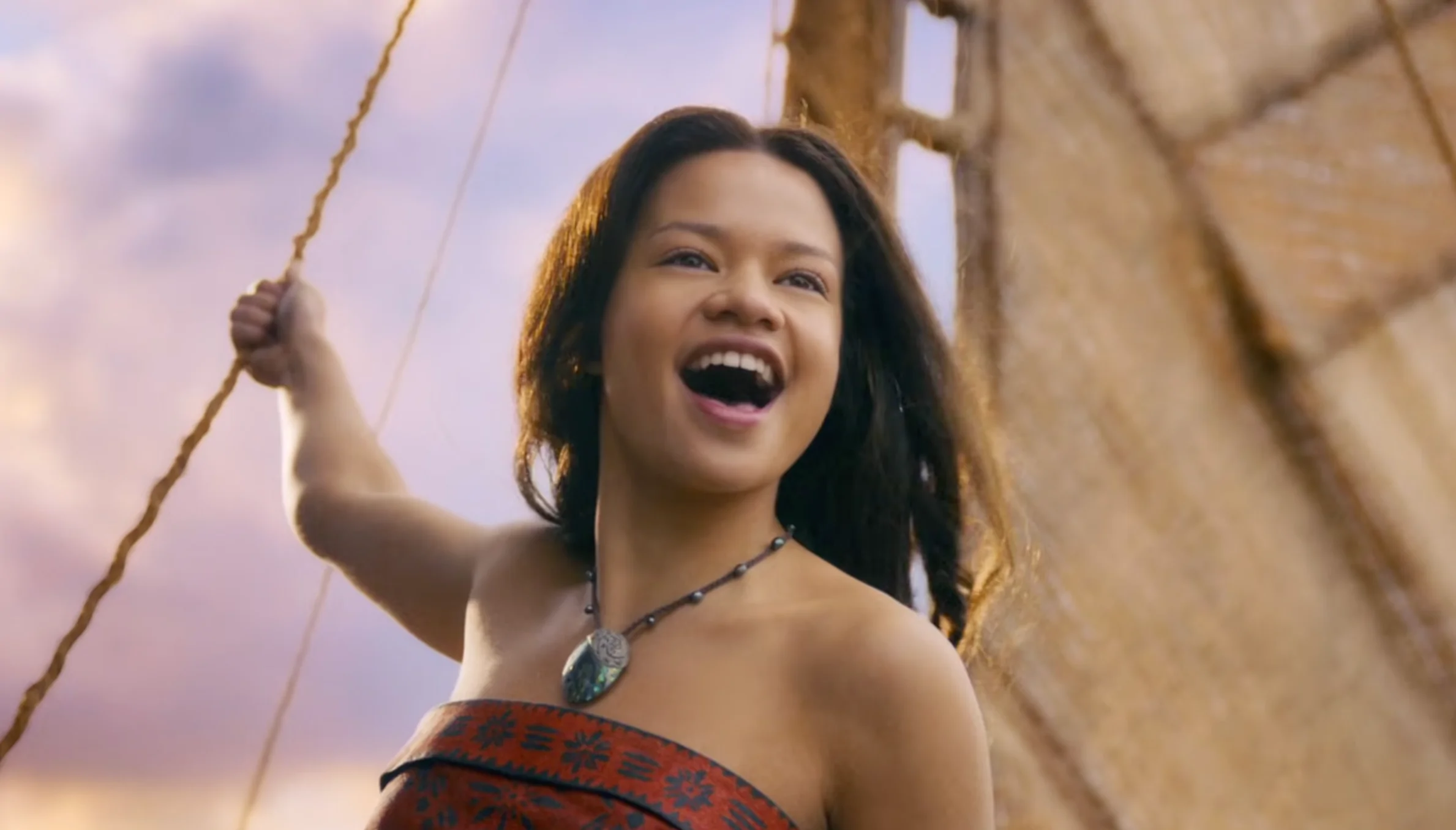
Throughout 2025, reports have followed this case as part of a growing number of disagreements over “training data.” These disputes center on whether it’s legal for companies to use vast amounts of copyrighted material to train AI, and whether AI-generated content that closely resembles existing characters or scenes can lead to legal action.
Midjourney is facing increasing legal challenges from various copyright holders. Reports in 2025 detail complaints from studios claiming widespread copyright violations. These cases are important because they’re forcing courts to address questions that lawmakers haven’t yet answered, such as: what level of copying is illegal when training AI models, whether the model’s core code itself can be considered copyright infringement, how similar an AI-generated image needs to be to an original work to be considered a violation, and when a platform that enables AI image creation can be held responsible for potential copyright issues.
The agreement between Disney and OpenAI could significantly impact ongoing legal battles over AI-generated content in a few key ways. Firstly, it supports the idea that there’s a legitimate market for licensing characters for use in AI, which could make it harder for AI developers to claim their use of copyrighted material is ‘fair use’ if they haven’t obtained a license. Essentially, it shows Disney is willing to allow character use under certain conditions, suggesting a market exists. Secondly, it sets a higher expectation for what AI companies should do to prevent copyright infringement – meaning they may need to implement stronger safeguards to avoid legal trouble.
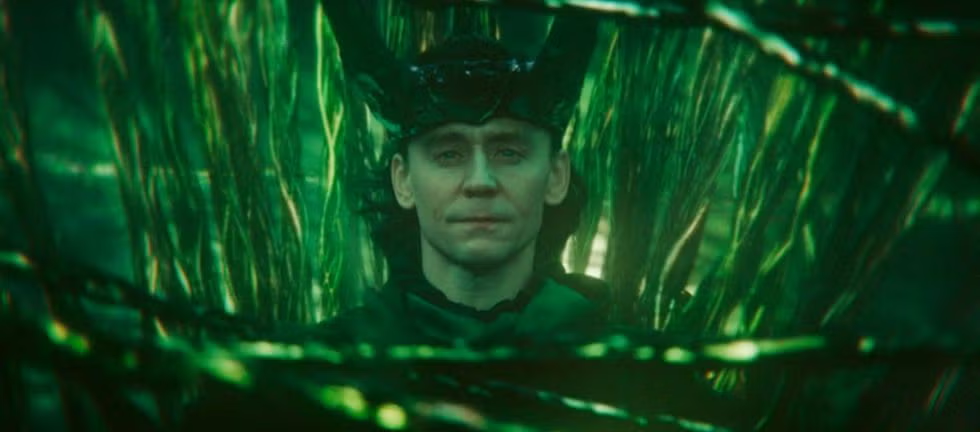
Disney and OpenAI are highlighting the importance of carefully controlling the characters and content used in their AI systems, and specifically excluding things like celebrity likenesses and voices. This approach could become a standard that regulators, courts, and juries use to judge whether other companies have done enough to avoid copyright issues and misleading consumers. This could also split the AI industry into two parts: one side offering officially licensed, brand-safe experiences with clear permission for everything used, and the other focused on open-ended AI development where the legality of training data and responsibility for AI outputs are major points of debate. This means the biggest challenges will likely shift from simply whether AI can create content, to how that content is created and who is responsible for it.
None of this eliminates legal uncertainty.
As a film buff, I’m really starting to see how complicated things are getting with AI and copyright. The courts are still figuring out the basic rules for lawsuits involving AI-created content, and the Copyright Office has thrown another curveball by saying that if AI creates something entirely on its own, it can’t be copyrighted. So, even if I use an official AI tool to make a clip inspired by a Disney movie, I might not actually own the copyright to that clip unless I significantly contribute creatively myself. Meanwhile, Disney still gets to protect its original copyrights and trademarks – it’s a tricky situation!
This partnership doesn’t change existing copyright or trademark laws, but it does shift the focus to how licenses can be used with AI. It also clearly distinguishes between AI use that Disney approves and the unauthorized ways others are training AI models and creating content, which Disney is currently fighting through legal action.
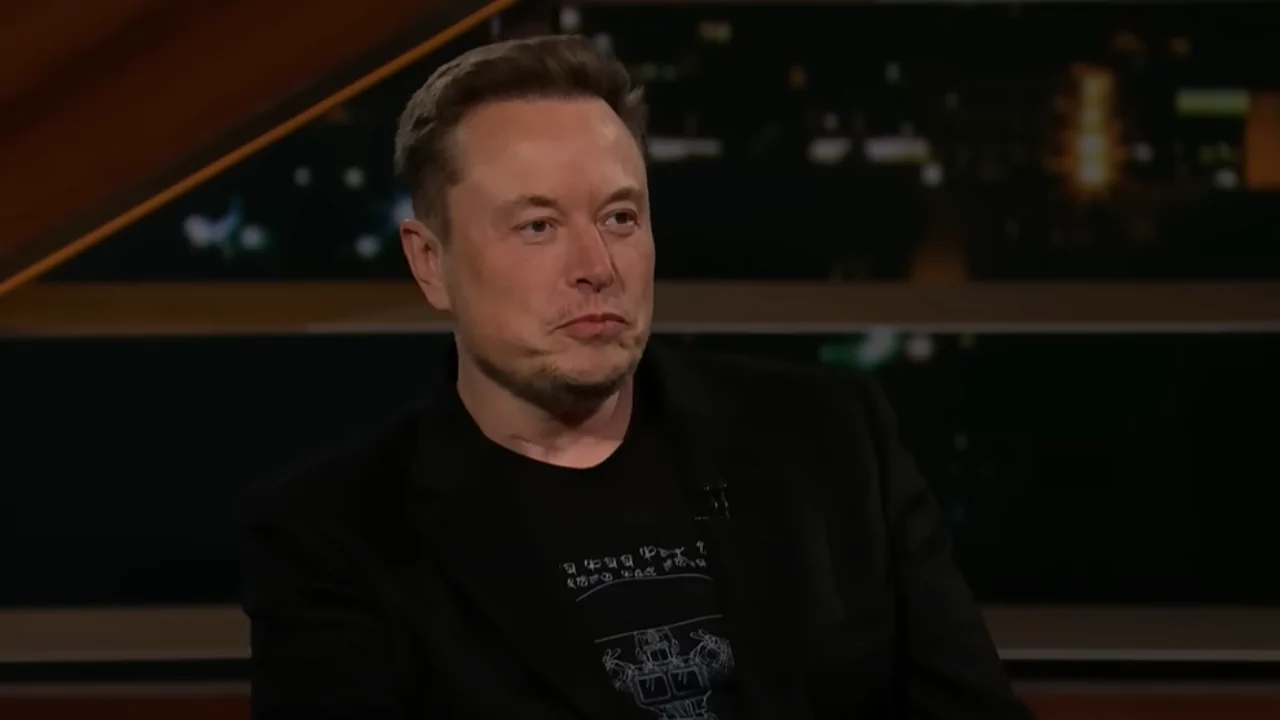
Disney might face a legal fight all the way to the Supreme Court if it tries to limit its AI partnerships. Companies like Google and xAI (Elon Musk’s Grok) seem prepared to challenge any such restrictions, even if it means taking the case to the highest court.
Read More
- Clash Royale Best Boss Bandit Champion decks
- Best Hero Card Decks in Clash Royale
- Clash Royale Witch Evolution best decks guide
- Clash Royale December 2025: Events, Challenges, Tournaments, and Rewards
- Best Arena 9 Decks in Clast Royale
- Clash of Clans Meltdown Mayhem December 2025 Event: Overview, Rewards, and more
- Cookie Run: Kingdom Beast Raid ‘Key to the Heart’ Guide and Tips
- Best Builds for Undertaker in Elden Ring Nightreign Forsaken Hollows
- Clash of Clans Clan Rush December 2025 Event: Overview, How to Play, Rewards, and more
- All Boss Weaknesses in Elden Ring Nightreign
2025-12-12 16:01