Science fiction is doing incredibly well with streaming and high-quality TV shows. As we move further into the 2020s, many fans are revisiting the sci-fi of the 2000s and realizing how good it was. That decade offered original ideas, detailed world-building, and groundbreaking stories that still stand out, even compared to today’s big-budget productions with all their advanced technology.
Looking back, the 2000s seem like a peak era for science fiction on television. While many good sci-fi series have come out since then, few have been as influential or as well-regarded as the best shows from that decade. These standout 2000s sci-fi series aren’t just fondly remembered – they still hold up incredibly well today.
Heroes (2006-2010)
Heroes Blended Superpowers And Grounded Drama In A Way Modern Shows Still Struggle To Match
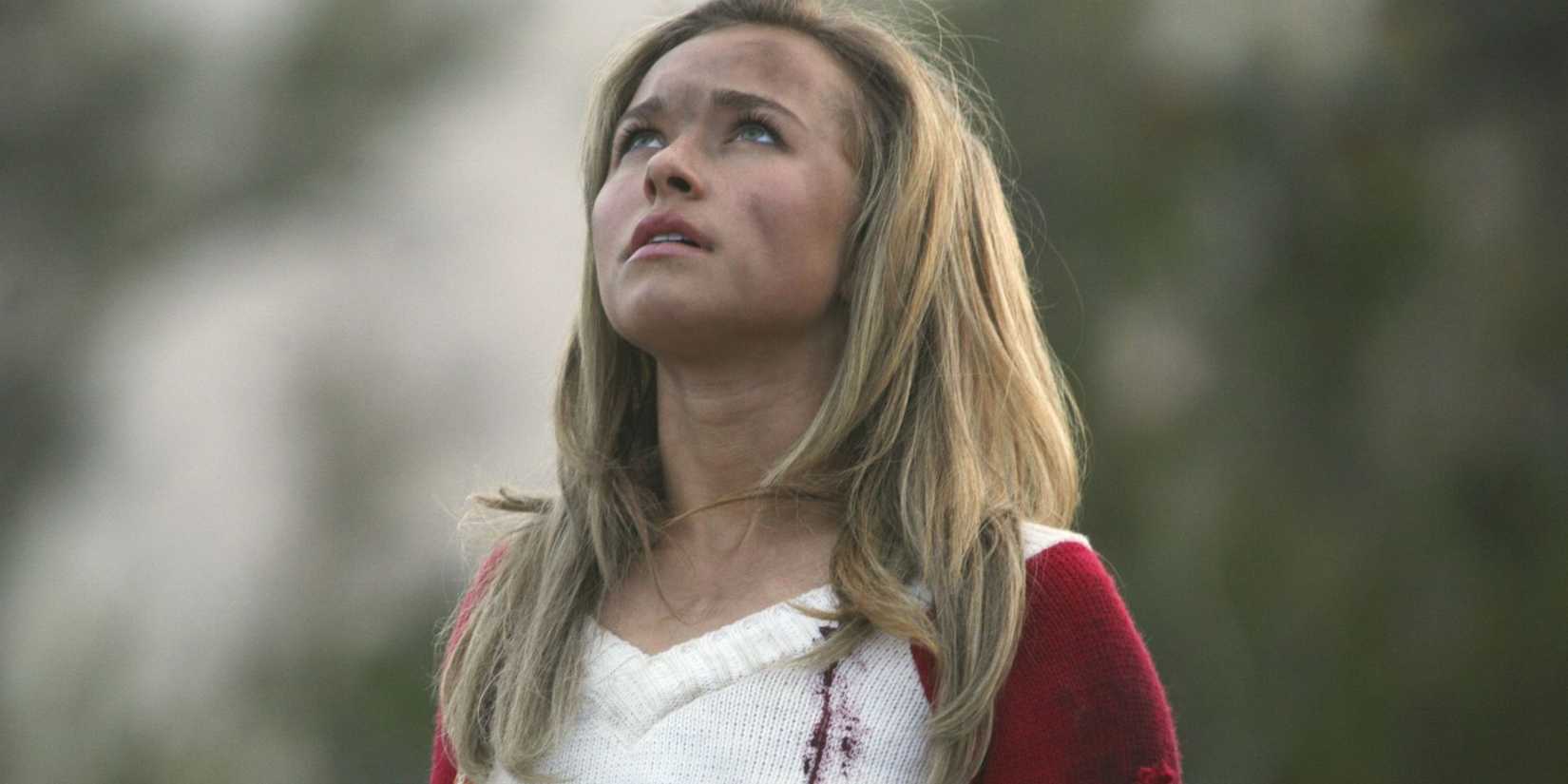
I remember when Heroes first came out – it felt like exactly what superhero stories needed. Everyone was starting to get really into these kinds of shows, and Heroes felt so fresh because it focused on ordinary people suddenly dealing with incredible abilities. What I loved most was that it wasn’t about big explosions; it was about what those powers meant to the characters. People like Peter Petrelli and Hiro Nakamura felt so real, and their struggles actually resonated with me more than a lot of the superhero shows we have now.
You know, even though Heroes definitely changed over its run, I always admired how it wove all the characters’ stories together. It felt really epic, and honestly, still does. And Sylar, played by Zachary Quinto? He was a villain. Seriously, one of the most memorable TV bad guys of the decade. He kind of showed everyone what a complex, genuinely scary antagonist could look like on a show with a lot of episodes, way before all this ‘prestige TV’ stuff really took off.
Many recent superhero shows have tried to recreate the success of Heroes, which combined relatable personal stories with exciting sci-fi action. However, none have managed to capture the magic of its first season. The show’s intriguing global mystery, building suspense, and idea that everyone is connected continue to inspire superhero storytelling today.
Code Geass (2008)
Code Geass Pushed Anime Sci-Fi To Operatic Extremes Still Unmatched Today
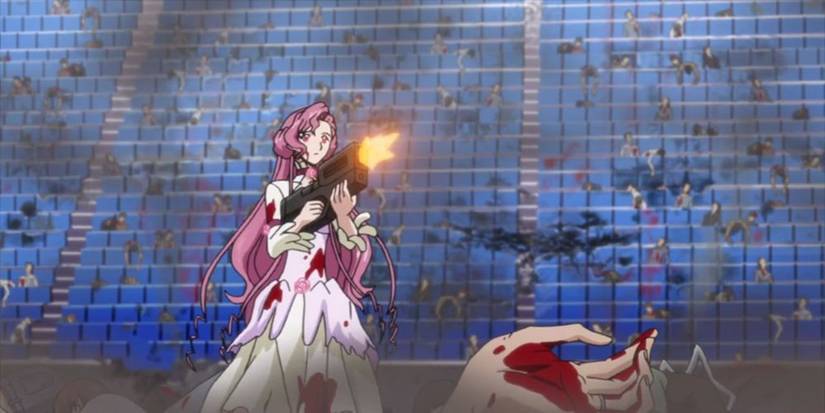
When people talk about the best science fiction shows from the 2000s, Code Geass is often considered a standout anime. It brilliantly combines exciting robot battles, complex political schemes, and strong character development into a consistently gripping story. The story of Lelouch’s fight against a powerful, controlling empire is still considered one of the most captivating character journeys in science fiction.
The world of Code Geass is incredibly detailed, but not overly complicated. It skillfully blends advanced technology with a reimagined historical political landscape, resulting in a setting where powerful weapons and difficult ethical questions fit together naturally. Every plot twist feels intentional, and conflicts arise from what the characters want and believe, not just from flashy action.
Although more recent anime sci-fi often boasts stunning graphics, few series have explored such complex ideas as Code Geass. Its dramatic style, uncompromising plot, and daring storytelling established a high bar for the genre, and many newer shows still struggle to reach that same level.
Warehouse 13 (2009-2014)
Warehouse 13 Blended Sci-Fi, Mystery, And Character Chemistry Into An Unbeatable Formula
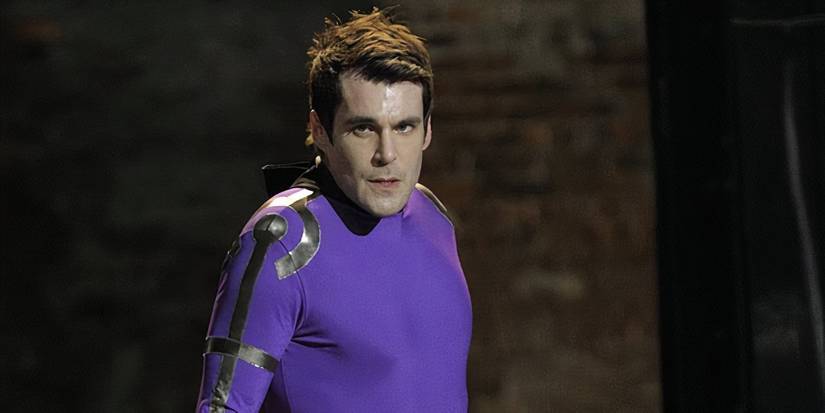
During the late 2000s, Warehouse 13 became popular by combining stories about mysterious artifacts with relatable and charming characters. Instead of focusing on technology or the future, the show used historical and emotionally resonant objects to create a unique science fiction world. This approach allowed for endless creative possibilities while avoiding common genre clichés.
At the core of Warehouse 13 was the dynamic between Pete Lattimer and Myka Bering. The actors Eddie McClintock and Joanne Kelly had great chemistry, which allowed the show to seamlessly blend humor and emotional moments. Characters like Steve Jinks, played by Aaron Ashmore, added intriguing and quirky elements, keeping the series fresh and unpredictable.
As a huge sci-fi fan, I have to say nothing quite captures the magic of Warehouse 13. It just perfectly balanced humor, a really interesting backstory, and genuine emotional moments. What I loved most was its unique tone – it was quirky and fun, but still managed to feel like the stakes were real. Honestly, compared to a lot of the darker, more intense sci-fi shows out now, Warehouse 13 still feels incredibly refreshing.
Invader Zim (2001-2006)
Invader Zim’s Chaotic Sci-Fi Comedy Was Years Ahead Of Its Time
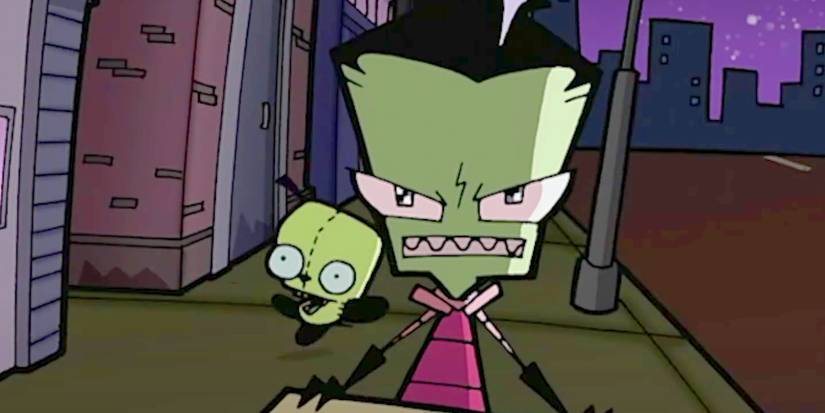
Invader Zim was a wildly unique animated sci-fi show that mixed the classic alien invasion story with a dark and hilarious take on people. The show’s rivalry between Zim, voiced by Richard Steven Horvitz, and Dib, voiced by Andy Berman, was incredibly funny, driven by ridiculous situations and a dry, sarcastic style. For a kids’ show in the early 2000s, its cynical humor and strange visuals felt surprisingly fresh and new.
The show also featured imaginative and daring science fiction ideas. Whether it was robots acting up or space missions gone wrong, Invader Zim used classic sci-fi themes to create a unique brand of dark and energetic humor. GIR, voiced by Rikki Simons, quickly became a fan favorite, perfectly representing the show’s strangely cute and chaotic style.
Even today’s most creative and edgy animated sci-fi comedies don’t quite capture the wild, unpredictable energy of Invader Zim. The show’s humor was ahead of its time, anticipating comedic styles that wouldn’t become popular in mainstream animation for years, making it a truly innovative cartoon.
Firefly (2002)
Firefly Delivered A Richly Lived-In Sci-Fi World That Modern TV Still Can’t Replicate
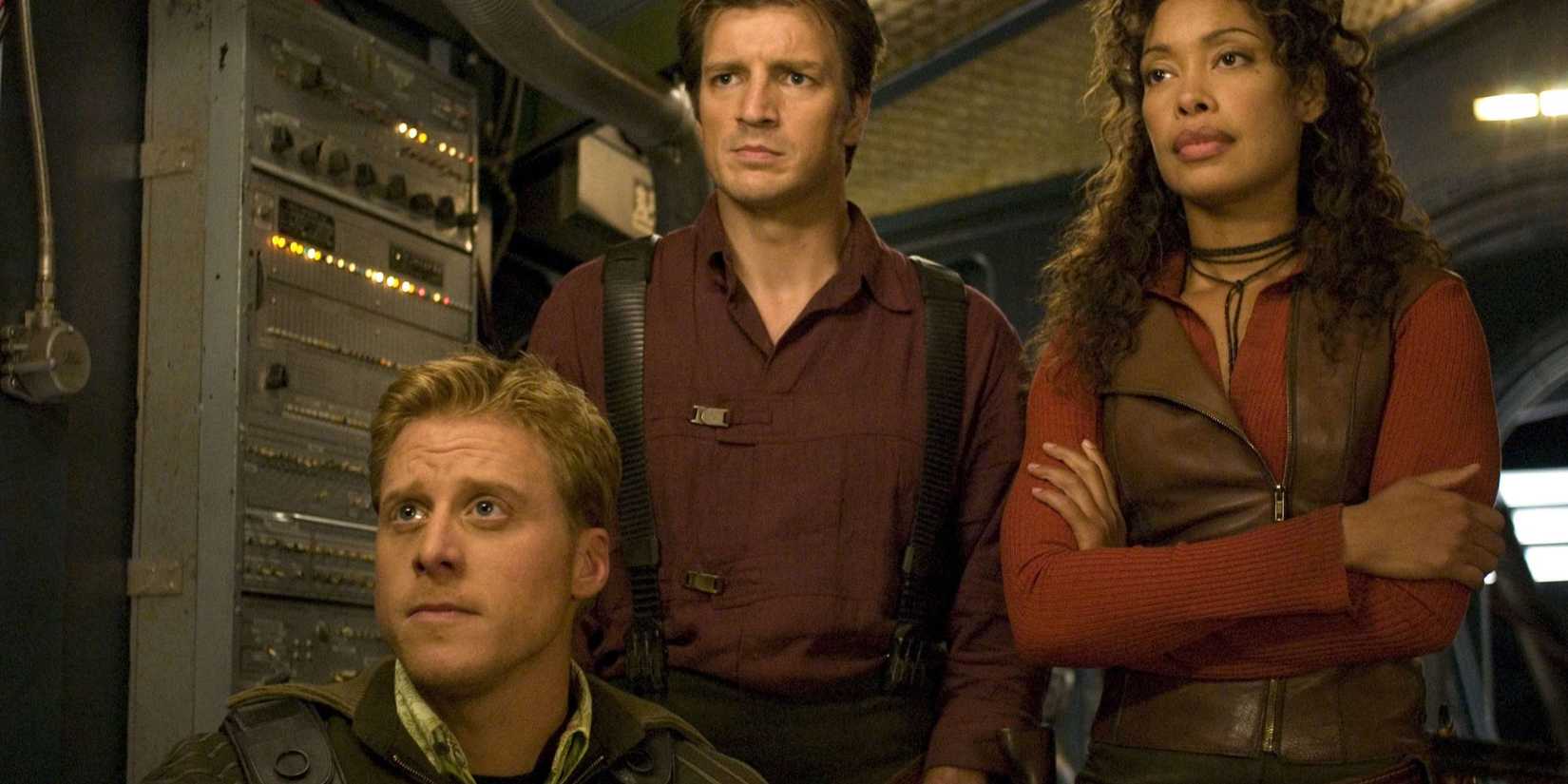
Firefly brilliantly combined the excitement of space travel with the rough-and-tumble feel of a Western, resulting in a truly unforgettable group of characters. Captain Malcolm Reynolds, played by Nathan Fillion, headed a crew that felt like a real, established family from the start. Each member, including Zoe Washburne (Gina Torres) and River Tam (Summer Glau), added their unique personality and depth to the show’s close-knit, unconventional family.
One of the reasons Firefly remains popular is its detailed and believable world. Instead of focusing on futuristic gadgets or lengthy explanations, the show created its universe through the relationships between characters and the gritty realism of its settings. It depicted a future influenced by the mixing of cultures, economic hardship, and complex moral choices—themes that weren’t common in science fiction at the time.
Even though it only lasted one season, Firefly remains unmatched by any recent space-based show. Its unique blend of mood, strong relationships between characters, and realistic storytelling still stands out as a prime example of how compelling character-driven science fiction can be.
Fringe (2008-2013)
Fringe Balanced Procedural Storytelling And Serialized Sci-Fi Mystery With Unparalleled Precision
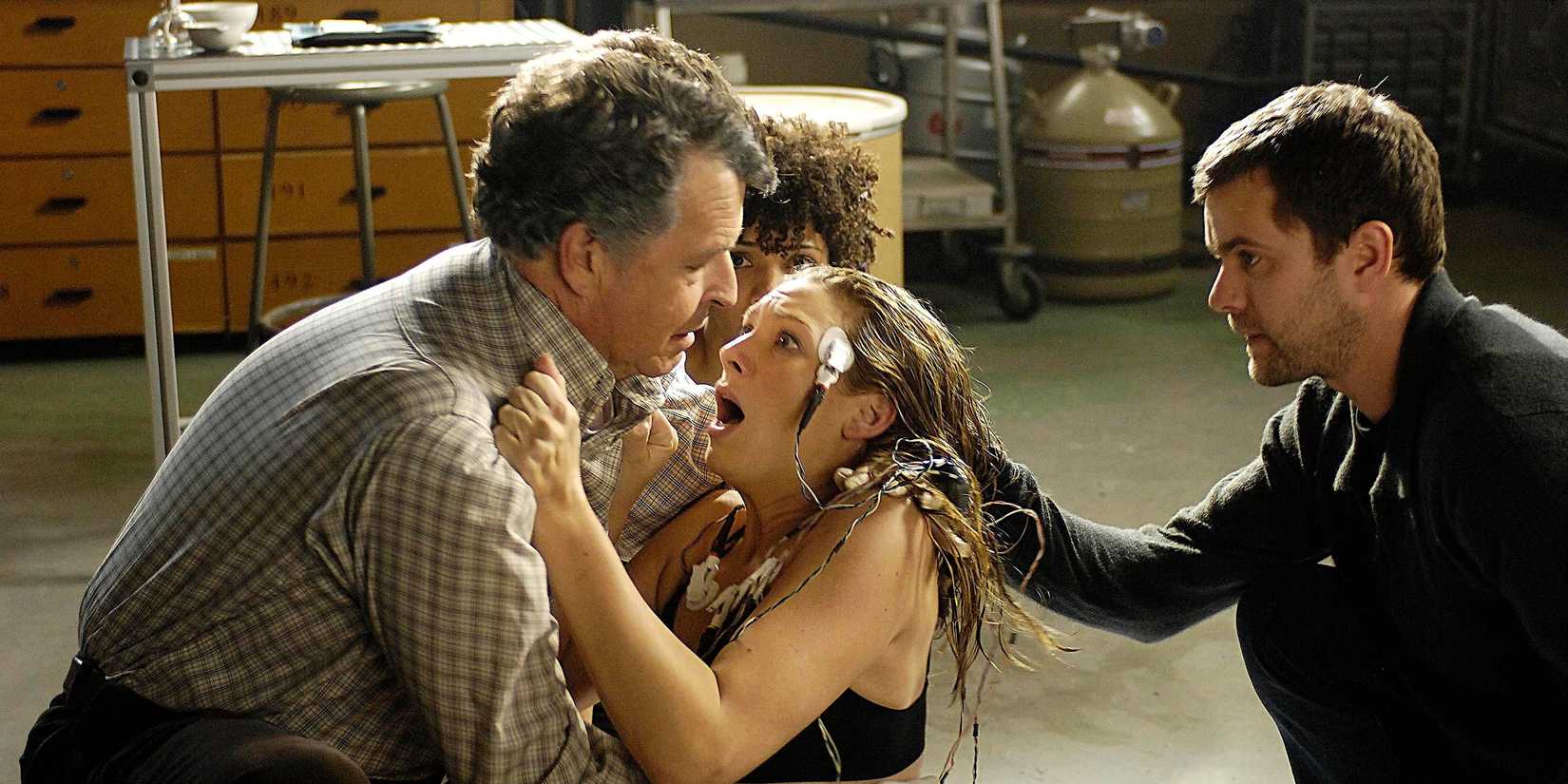
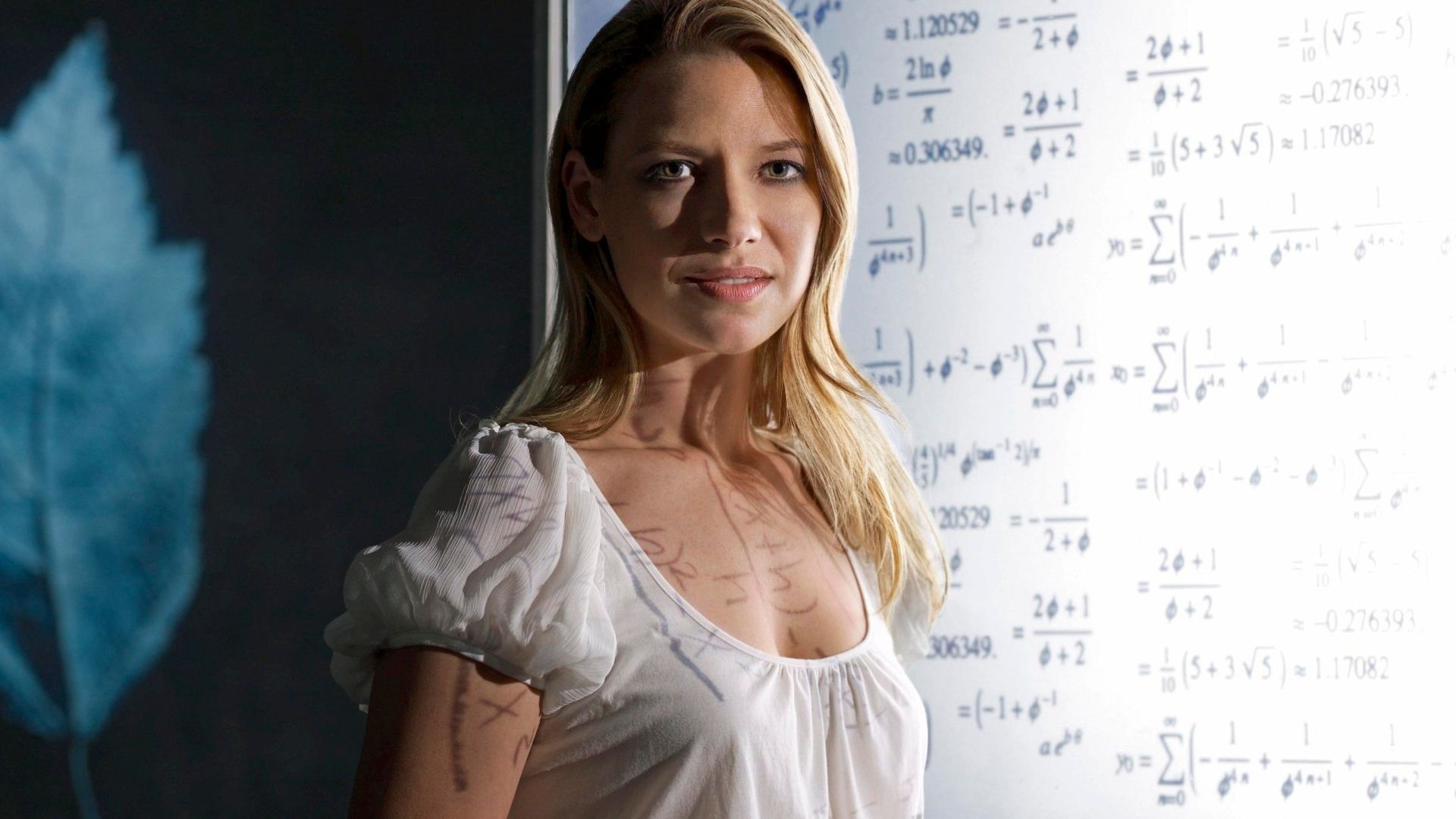
Fringe was a unique show that blended standalone investigations with a larger, ongoing story about alternate universes. The early episodes featured creative and disturbing cases, and the heart of the show was the compelling relationship between the three main characters: Olivia Dunham, Peter Bishop, and the remarkable Walter Bishop. Their connections provided a strong emotional center, even as the show explored increasingly outlandish scientific concepts.
The show Fringe became known for its creative science fiction stories as it introduced the idea of parallel universes. It tackled big themes like who we are, dealing with loss, and what’s meant to happen, all without getting bogged down in a complicated plot – a common problem for shows with similar ideas.
Lots of science fiction shows today try to look like big-budget movies, but few have the same combination of exciting, self-contained episodes and a complex, overarching story as Fringe. It set a high standard for the genre, and many shows still haven’t quite measured up.
Lost (2004-2010)
Lost Set A New Standard For Sci-Fi Mystery And Emotional Storytelling
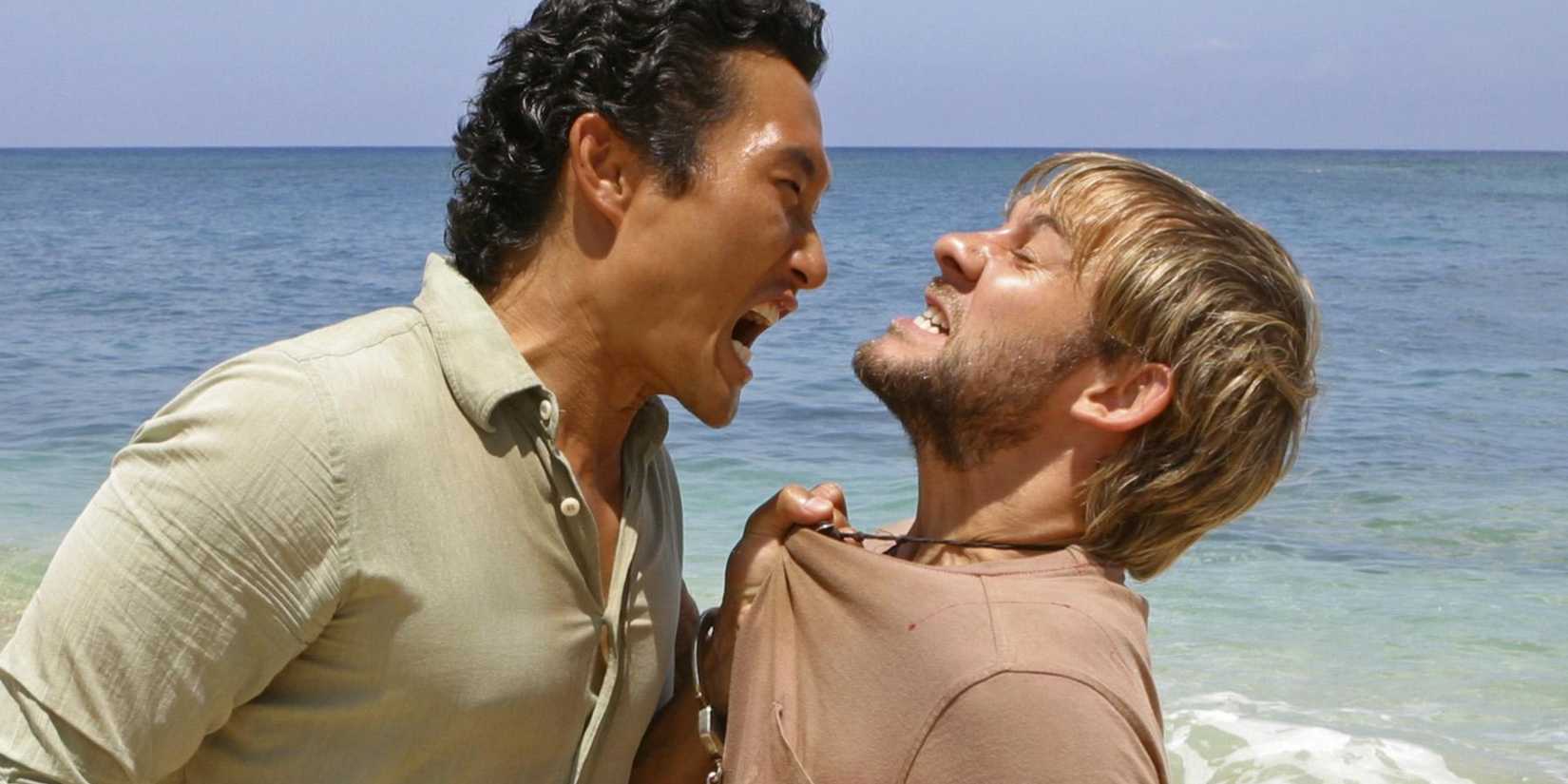
Lost revolutionized television by combining science fiction, compelling character development, and a captivating sense of mystery. The show’s large cast, including characters like Jack Shephard, Kate Austen, and John Locke, allowed for complex relationships and emotional connections that fueled its many surprising plot twists.
Lost was groundbreaking for its use of time travel, glimpses into the future, and unraveling of the Island’s mysteries – it really stretched what was possible on television. It skillfully combined a large, complex story with deeply personal character development, a balance that’s been hard for many shows since to achieve. Every new revelation felt both meaningful and emotionally impactful, something a lot of recent mystery shows often fail to do consistently.
Even though people are still talking about the ending of Lost more than ten years later, the show clearly had a huge influence on television. Many modern science fiction shows have been inspired by Lost, but none have quite managed to recreate its unique combination of thrilling suspense, relatable characters, and bold storytelling.
Battlestar Galactica (2004-2009)
Battlestar Galactica Delivered Profound, Politically Charged Sci-Fi That Remains Unmatched
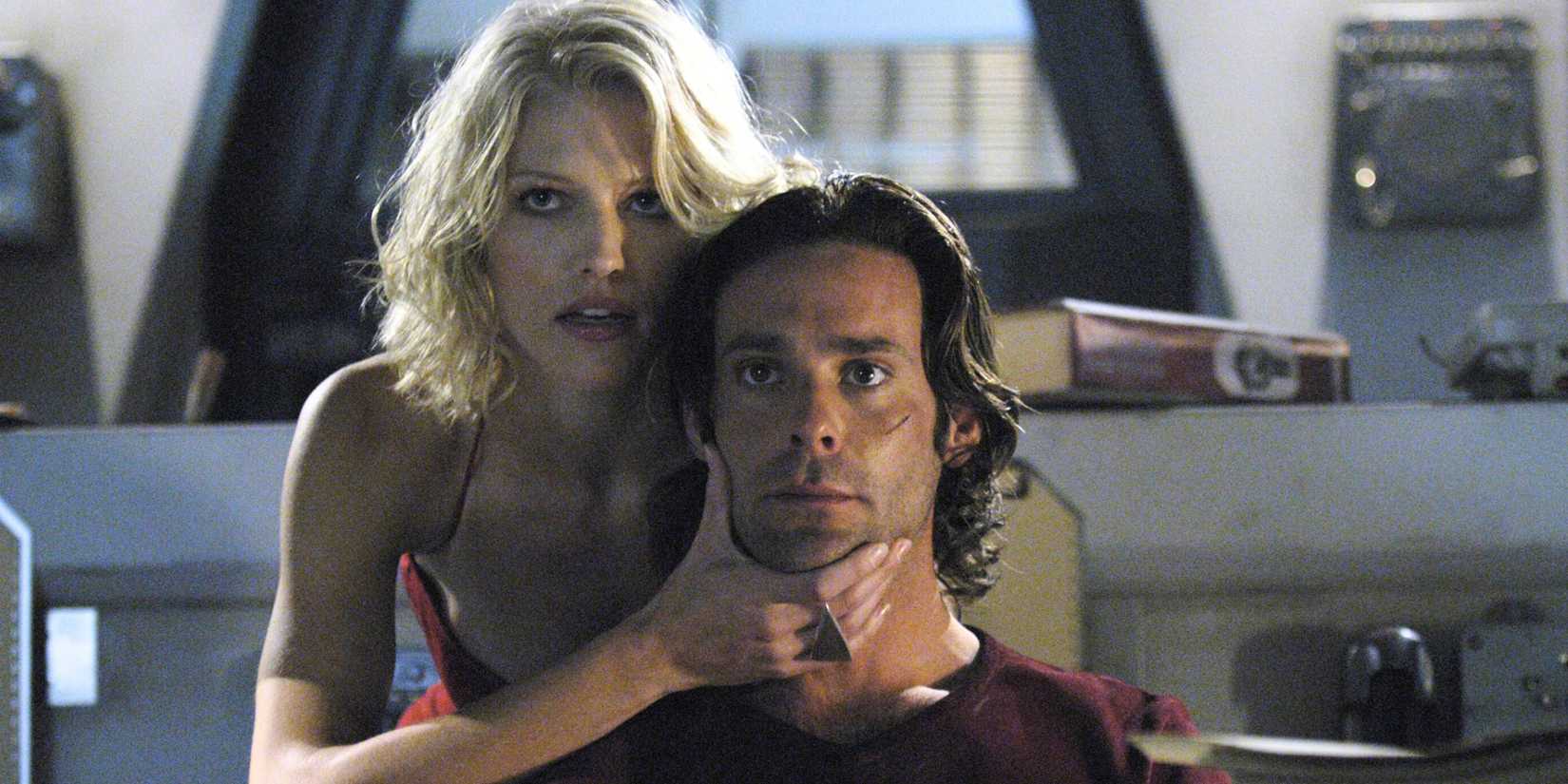
Battlestar Galactica changed science fiction television. Unlike many shows of the time, it was realistic and told one continuous story, adding emotional weight and political themes to the genre. The show’s characters—like Kara “Starbuck” Thrace, Laura Roslin, and Gaius Baltar—felt incredibly human, which was unusual for space-based adventures.
Battlestar Galactica was a gripping show that explored big ideas like what it means to survive, the power of belief, who we are, and the moral challenges of war. Its story about artificial intelligence and humanity’s tendency to harm itself feels particularly important now. It’s rare to see a science fiction show with such ambitious themes, and even rarer for one to pull them off so well.
Many fans consider Battlestar Galactica to be the best science fiction show of the 2000s. It’s a daring, memorable series that still stands out for its complexity and how well it was made. Even popular shows like The Expanse haven’t quite reached its level. Over a decade after it ended, Battlestar Galactica continues to be the benchmark for sci-fi on television.
Read More
- Clash Royale Best Boss Bandit Champion decks
- Best Hero Card Decks in Clash Royale
- Clash Royale Witch Evolution best decks guide
- Clash Royale December 2025: Events, Challenges, Tournaments, and Rewards
- Ireland, Spain and more countries withdraw from Eurovision Song Contest 2026
- JoJo’s Bizarre Adventure: Ora Ora Overdrive unites iconic characters in a sim RPG, launching on mobile this fall
- Cookie Run: Kingdom Beast Raid ‘Key to the Heart’ Guide and Tips
- Clash of Clans Meltdown Mayhem December 2025 Event: Overview, Rewards, and more
- ‘The Abandons’ tries to mine new ground, but treads old western territory instead
- How to get your Discord Checkpoint 2025
2025-12-08 05:02