The first ten minutes of a horror movie are crucial – they can determine whether it’s remembered as a classic or quickly forgotten. A truly great horror film immediately establishes a chilling and exciting atmosphere, letting the audience know they’re in for something special. The most exceptional ones don’t just grab your attention; they hint at a masterpiece from the very beginning.
Some horror movies are famous for their incredible opening scenes. These beginnings perfectly set the tone and themes, whether by immediately frightening the audience or carefully building a believable world. They’ve become legendary examples that continue to inspire and influence horror filmmakers today.
Dawn Of The Dead (2004)
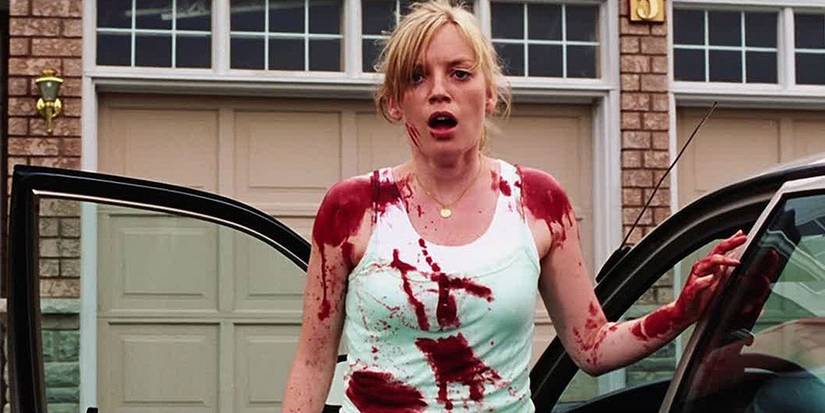
Zack Snyder’s Dawn of the Dead immediately plunges the audience into a state of panic. The film begins with Ana finishing work at a hospital and heading home to a seemingly peaceful neighborhood. While things initially appear normal, the movie cleverly creates a sense of dread through unsettling news broadcasts and strange details, hinting that something terrible is about to occur.
The next morning, the movie immediately jumps into intense chaos. A zombified neighbor breaks into the house, triggering a shocking and violent attack. This fast-paced sequence quickly defines the remake’s style: quicker, more aggressive zombies, constant threats, and a world falling apart without any preparation. It’s a horror film that feels urgent and immediate.
Next is the famous opening title sequence. The Dawn of the Dead opening is arguably the best in horror, featuring shocking images of zombies overwhelming the world. These ten minutes set the stage for a fast-paced and expertly made update to Romero’s original film.
November (2022)
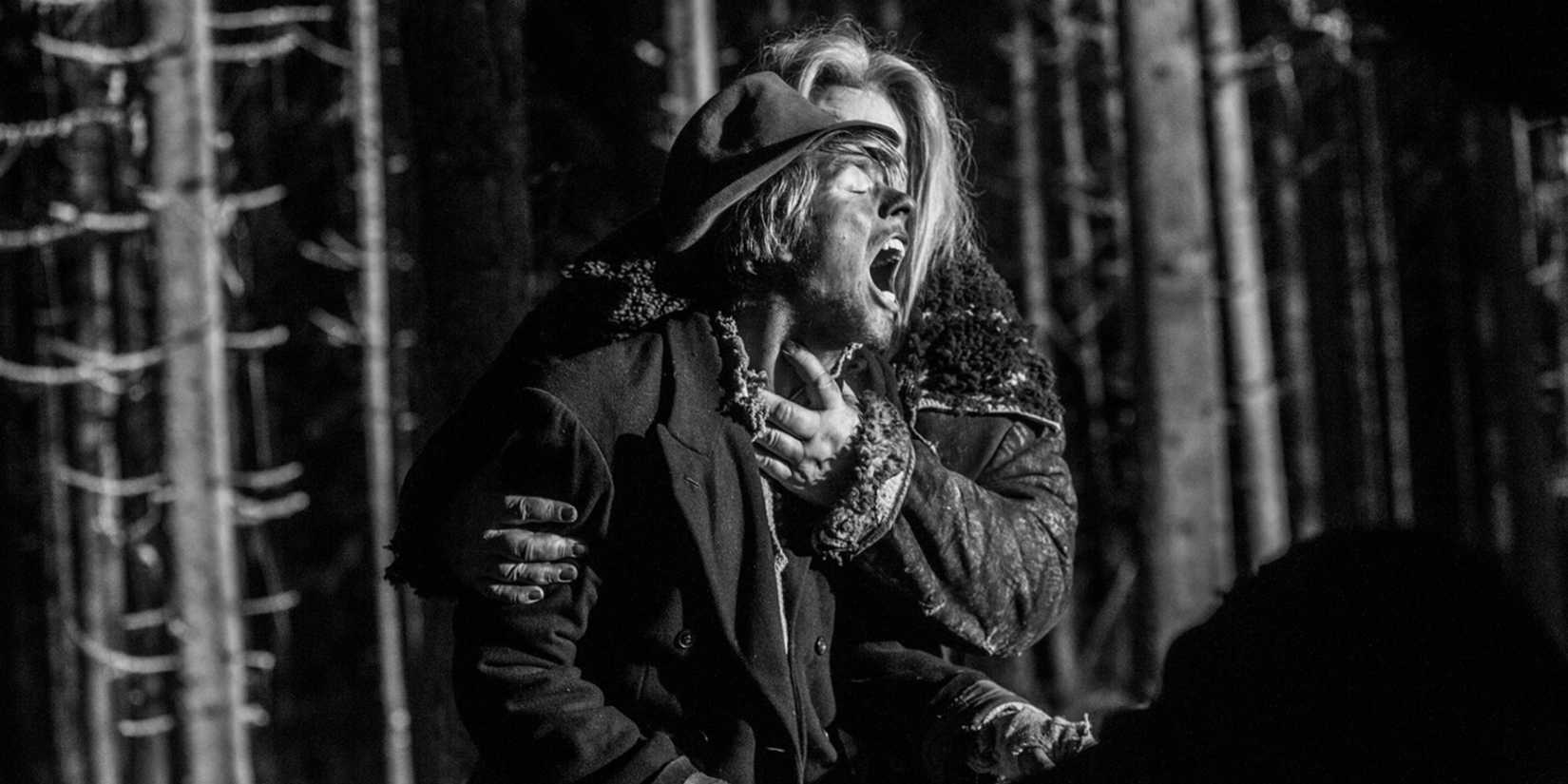
November begins like a bizarre and unsettling dream, drawing on old folk tales and presented in striking black and white. The film quickly establishes its unusual setting – a remote village inhabited by supernatural beings. The appearance of a ‘kratt’ – a strange, animated figure built from everyday objects – immediately tells you this isn’t a world that follows normal rules, but one ruled by myth and legend.
The film November immediately sets a distinctive mood with its beautiful yet eerie imagery and moments of dark humor. The story begins with scenes of villagers making deals with the Devil and performing odd rituals, all hoping for a little luck during the coming winter. This creates a feeling that is both disturbing and oddly whimsical.
The story explores a world built on unusual ethics and the fight to survive. Within the first ten minutes, it becomes clear that November is a distinctive blend of horror, fantasy, and playfully bizarre folklore. Its beautiful visuals and imaginative world create a captivating experience that feels fresh and different from most modern genre films.
It Follows (2014)
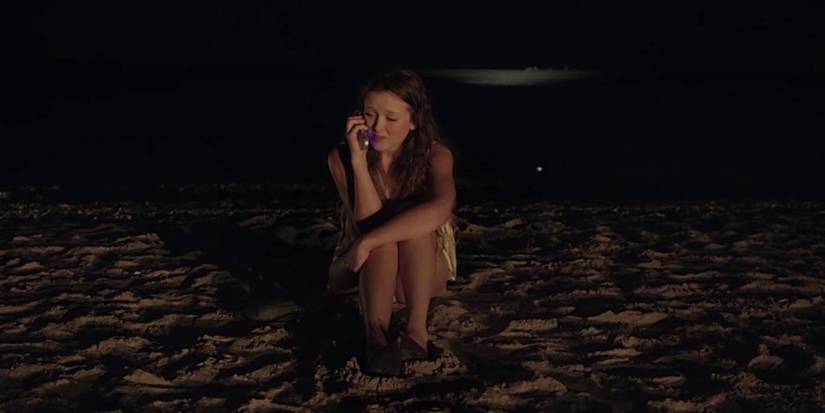
The movie It Follows opens with a striking shot of a young woman desperately running away from something she can’t explain. She races out of her home, around her neighborhood, and into her car, completely terrified, even though no one else seems to notice the danger she’s facing. The film quickly and skillfully creates a sense of mystery and fear.
The following morning, her badly injured body is found on the beach, proving the unseen danger is genuine and fatal. This shocking discovery introduces a world where supernatural forces are powerful and decisions can be deadly. Viewers quickly understand the film won’t depend on sudden shocks, but instead build a growing feeling of dread.
From the beginning, It Follows signaled it would be a sophisticated horror film, relying on mood, suspense, and a clever, straightforward idea. The film immediately establishes its chilling, deliberate pace and distinctive visuals, hinting that it could become a modern classic.
Jaws (1975)
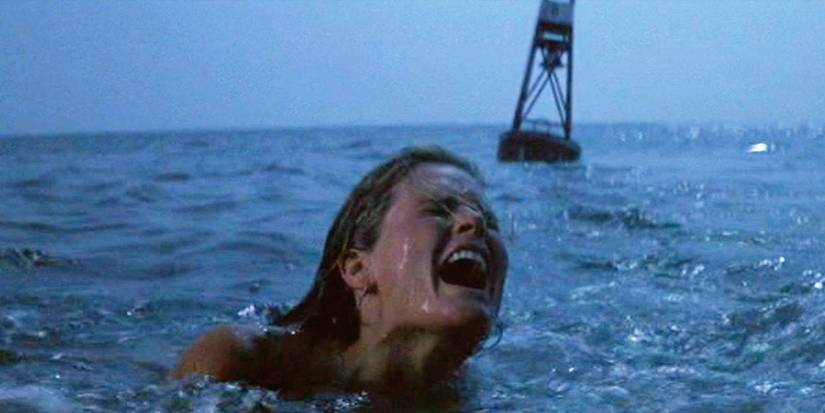
The film Jaws begins with a famously unforgettable scene. A young woman is swimming at night, and we soon realize something dangerous is following her underwater. The silence, combined with John Williams’s incredible music, instantly builds suspense and hints that a terrifying creature is nearby.
The shark attack in the film is frightening not because of what you see, but because of the chaos and panic it creates. Spielberg cleverly focuses on the victim’s struggles and the turbulent water, building suspense by not showing the shark itself. This is a classic technique for creating fear without directly revealing the danger.
The movie immediately showcases its skill with its atmosphere, rhythm, and unforgettable sound, while also setting the tone and giving viewers all the essential information. It’s a story where hidden threats are fatal, nature is unforgiving, and danger appears suddenly.
A Nightmare on Elm Street (1984)
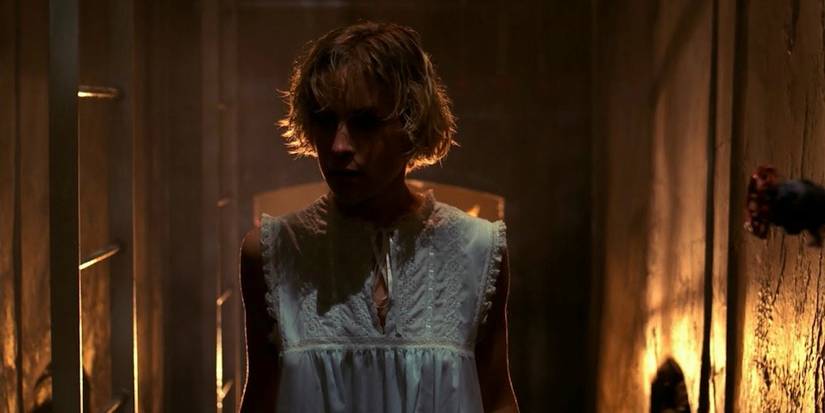
Wes Craven’s iconic film, A Nightmare on Elm Street, starts with Freddy Krueger making his signature bladed glove in a dirty, rundown boiler room. The beginning of the movie immediately establishes its surreal and unsettling atmosphere, mixing what’s real with terrifying dream sequences. Before we even see any characters, the film uses eerie sounds, flashing lights, and dark shadows to build a feeling of being trapped and anxious.
The movie then plunges into Tina’s terrifying dream, where Freddy chases her through a maze of pipes and steam. His creepy laugh and unexpected appearances show he’s a new type of scary villain – one who can strike from anywhere at any moment. The dream’s strange and jarring shifts highlight just how dangerous and unpredictable this dream world is.
The film’s opening immediately establishes its core horror: sleep is dangerous. This brief but frightening scene expertly communicates everything the audience needs to know, and the sequence’s inventive atmosphere and originality cemented A Nightmare on Elm Street as a truly innovative slasher film.
Frankenstein (1931)
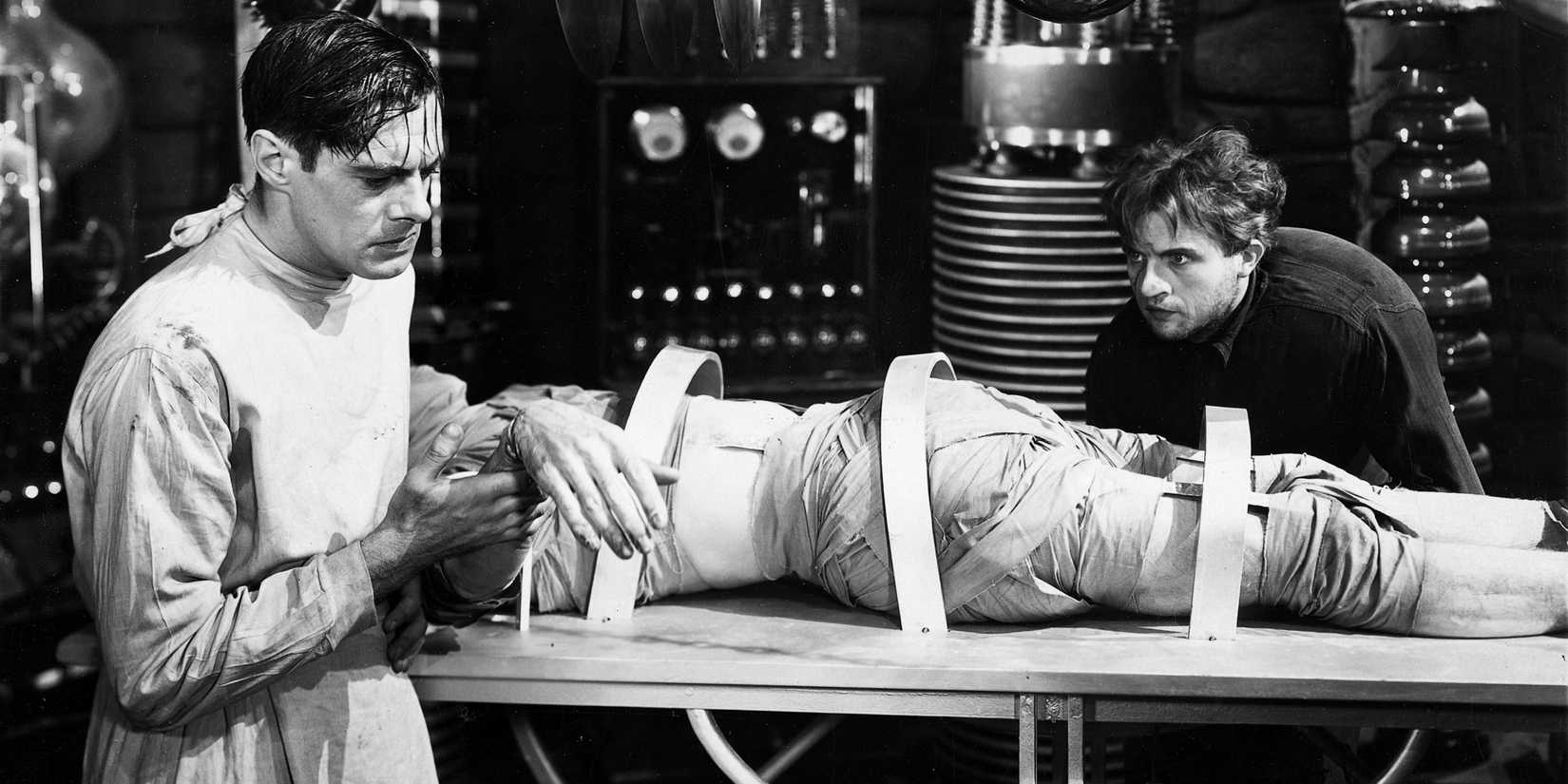
The film Frankenstein begins with a spooky scene in a graveyard, where Dr. Frankenstein and his assistant, Fritz, exhume a body at night. This unsettling act instantly establishes the film’s dark and gothic mood. Fog, crooked tombstones, and strange shadows signal that the movie will explore a world where scientific ambition clashes with ethical concerns in a frightening manner.
These scenes depict Frankenstein getting ready for his famous experiment. His laboratory is filled with strange devices and unsettling machines. This imagery suggests both cleverness and danger, implying the doctor is consumed by a forbidden ambition – pushing the limits of what science should explore.
The play is both exciting and a little disturbing. Even after just ten minutes, Frankenstein clearly shows it’s aiming high. The mood, the stage design, and the ideas it presents are all very strong, suggesting a truly great work about life, death, and the dangers of unchecked scientific ambition.
House Of 1000 Corpses (2003)
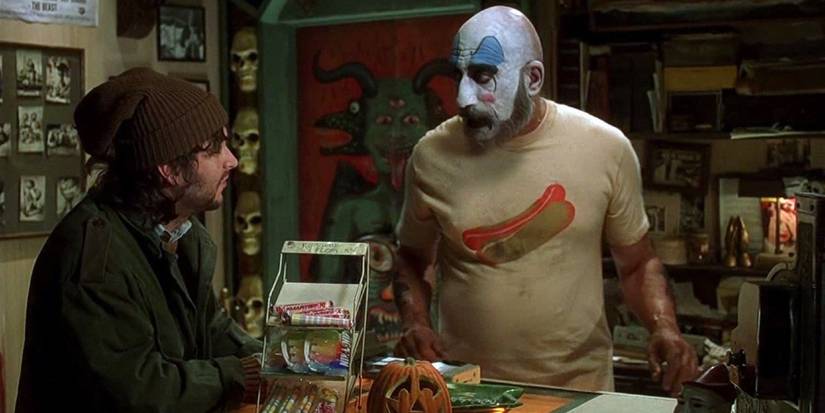
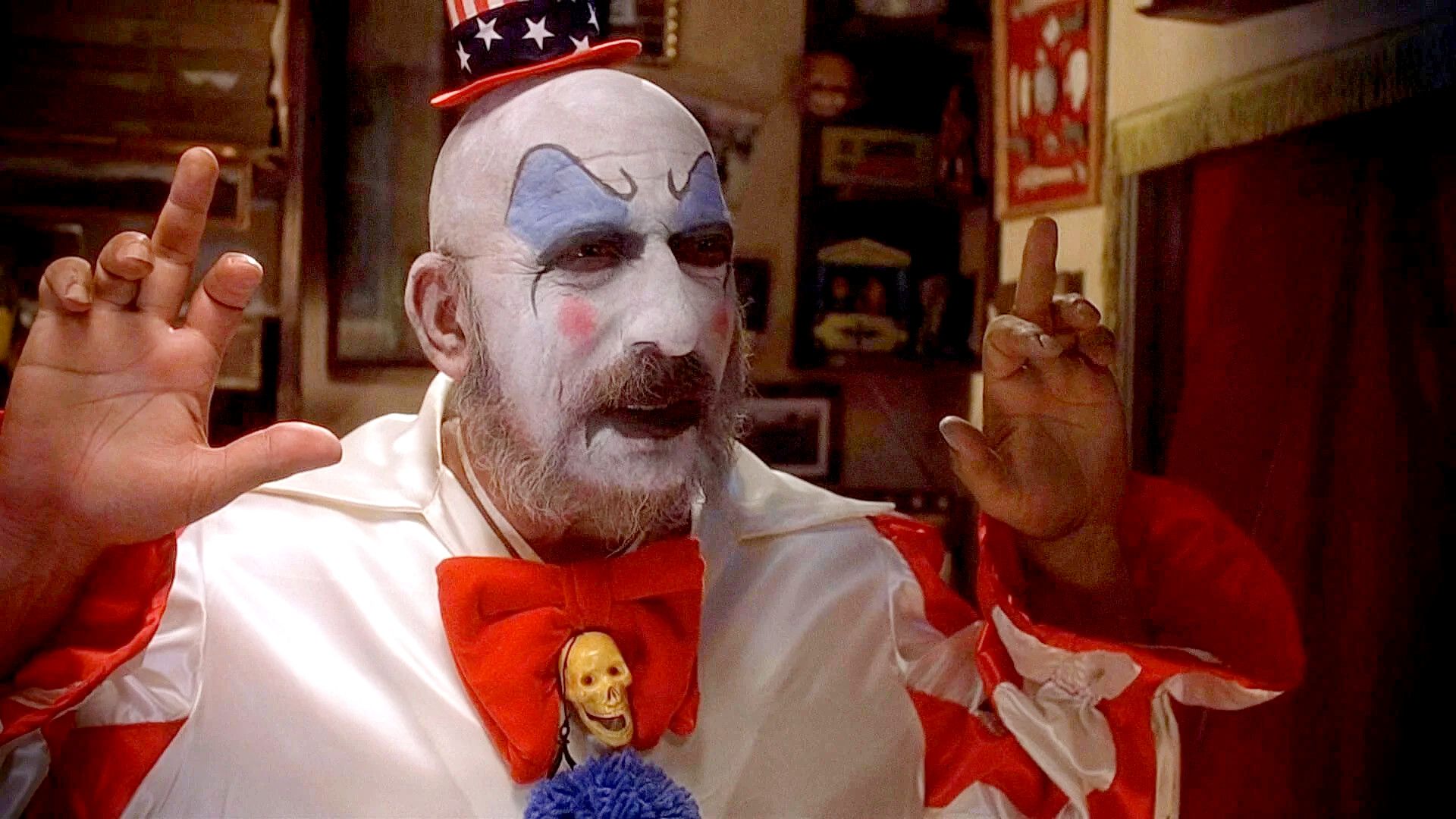
Rob Zombie’s first film, House of 1000 Corpses, starts with a chaotic robbery at Captain Spaulding’s gas station, setting the tone for the entire movie. It quickly becomes clear that the film isn’t afraid to blend dark humor with shocking violence, embracing a classic, over-the-top horror style. This unsettling combination of comedy and brutality is central to the film’s unique identity.
The movie House of 1000 Corpses then follows a group of friends traveling and filming unusual roadside attractions. When they meet Spaulding, something immediately feels wrong – he’s charming, but also clearly dangerous. This, along with the creepy museum they visit, creates a sense of dread even before anything bad happens.
As a horror fan, I can tell you that stepping into the world of House of 1000 Corpses is just… unsettling. It immediately feels completely off-kilter and you never know what’s going to happen next. The movie definitely does its own thing, and it commits to a really bold, over-the-top style. It’s a confident, gritty, and visually striking ride that promises to be a total descent into madness, and honestly, I’m here for it.
The Texas Chainsaw Massacre (1974)
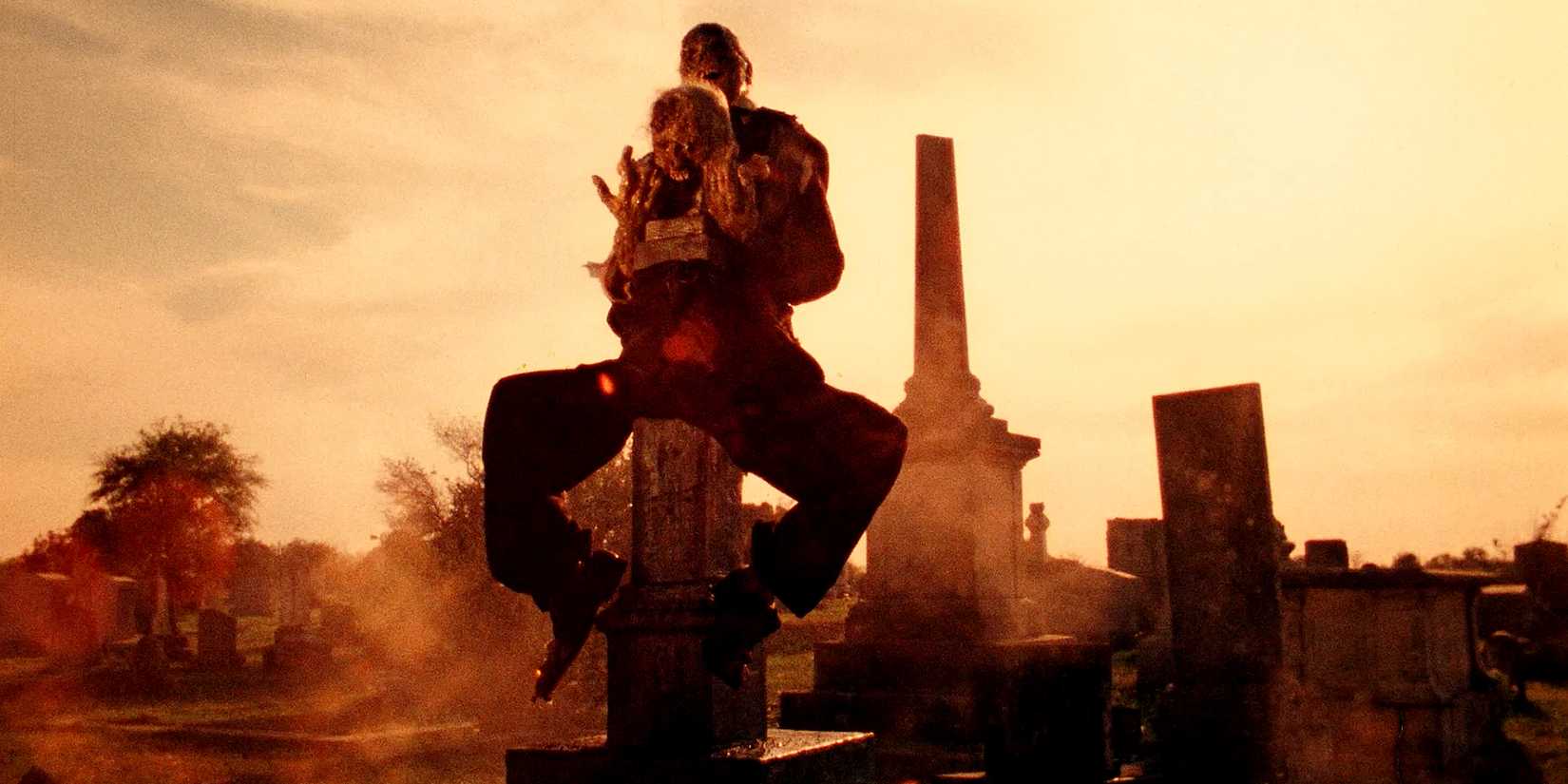
The film The Texas Chainsaw Massacre begins with unsettling voiceover and shocking images of graves being disturbed. This documentary-like approach immediately makes the horror feel brutally realistic. It doesn’t take long for viewers to realize this film has a gritty, unrefined feel, and that something truly terrifying is hidden within its depiction of rural America.
The movie starts with a peaceful feel, showing a group traveling through the bright, dry Texas scenery. This gentle pace and beautiful setting are a surprising contrast to the disturbing images at the beginning. However, the scene with the hitchhiker quickly destroys that calm, hinting at the shocking violence that’s about to unfold.
Right from the start, The Texas Chainsaw Massacre proves it’s not about typical jump scares. Instead, it’s a raw and unstopping plunge into true horror, built on a feeling of unease and mounting dread. Its realistic, almost documentary-like style and intense energy quickly establish it as a film that would redefine the horror genre.
28 Days Later (2003)
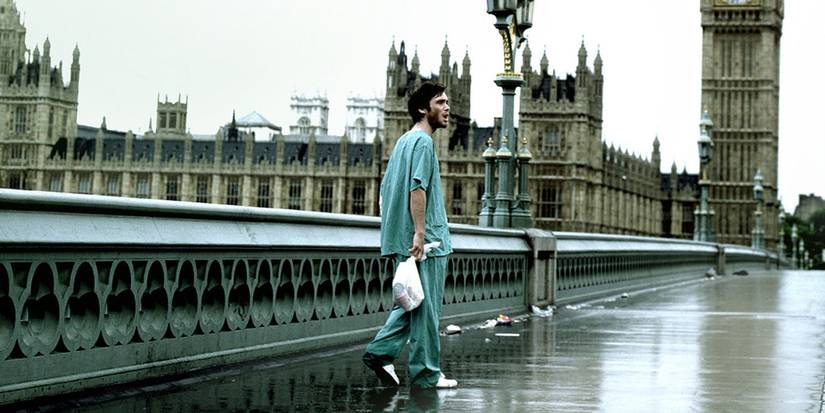
The film 28 Days Later begins with a disturbing and frightening scene in a laboratory, which introduces the story’s central conflict: a rage virus. Soon after, we see London completely deserted, now a quiet and desolate landscape. Jim wakes up alone in a hospital and begins to explore the empty streets and normally bustling landmarks. This unsettling imagery immediately makes 28 Days Later stand out.
While wandering the city, Jim finds the silence deeply unsettling. Evacuation notices are plastered everywhere, and personal items are strewn across the streets, along with abandoned, flipped-over buses – all signs of a sudden disaster. The story expertly builds a sense of a completely broken society before showing any infected people. As the usually lively streets remain eerily empty, a growing feeling of dread takes hold.
The movie explodes into intense, frightening action when Jim first meets the infected. These initial scenes showcase a fresh approach to zombie horror – it’s quick, chaotic, and feels incredibly realistic. The film’s serious mood and excellent speed immediately signal that it’s something special.
Scream (1996)
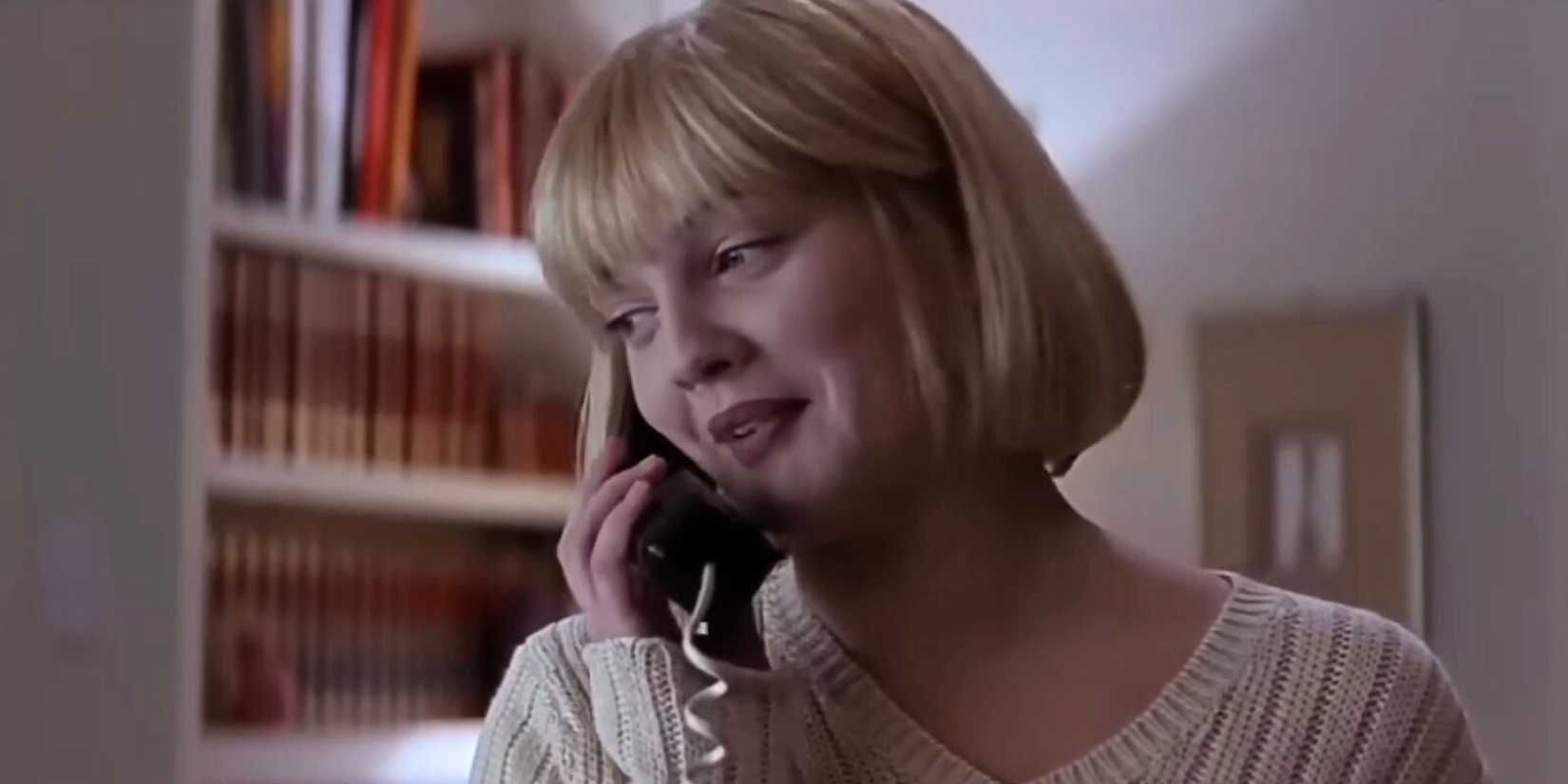
The beginning of Scream is famous as one of the best opening scenes in horror movies. It starts with a seemingly harmless phone call to Casey Becker, but quickly turns frightening as the caller reveals he’s watching her. Director Wes Craven skillfully builds tension through natural conversation and dialogue that acknowledges horror movie tropes. The sense of fear grows steadily throughout the scene.
What really struck me about Scream is how cleverly it plays with what we, as the audience, expect. It immediately throws you for a loop by getting rid of Casey so early on – I mean, within the first ten minutes! It wasn’t the typical slasher movie setup where the opening chase leads to a rescue. Instead, it makes it clear right away that anyone, even characters you think are safe, can become a victim. It’s a really bold move, and it completely subverts the genre.
The first few minutes of this film completely change what horror can be, mixing smart writing, genuine thrills, and a playful sense of humor. It quickly establishes itself as a clever and original work, breathing new life into the horror genre by both respecting and cleverly twisting familiar tropes. The opening scene of Scream is one of the most exciting and innovative in horror movie history.
Read More
- Clash Royale Best Boss Bandit Champion decks
- Best Hero Card Decks in Clash Royale
- Clash Royale Witch Evolution best decks guide
- Ireland, Spain and more countries withdraw from Eurovision Song Contest 2026
- Clash Royale December 2025: Events, Challenges, Tournaments, and Rewards
- JoJo’s Bizarre Adventure: Ora Ora Overdrive unites iconic characters in a sim RPG, launching on mobile this fall
- ‘The Abandons’ tries to mine new ground, but treads old western territory instead
- How to get your Discord Checkpoint 2025
- Best Builds for Undertaker in Elden Ring Nightreign Forsaken Hollows
- HAIKYU!! FLY HIGH Character Tier List
2025-12-07 23:22