Hollywood has a long history of adapting popular stories – from classics like The Wizard of Oz and Jaws to more recent franchises like Tomb Raider. Companies such as Disney, Warner Bros., and Universal have earned billions by turning books, comics, TV shows, video games, and even theme park attractions into movies. Sometimes these adaptations were relatively inexpensive successes, but other times, studios took big risks and were handsomely rewarded.
Big entertainment franchises often aim to expand into all forms of media, making money from movies, TV, games, and more. Recently, we’ve seen companies make huge investments to buy the rights to popular stories, and even entire companies, to control that content. While these deals are expensive, they can be very successful if a dedicated and skilled creative team is involved, ultimately leading to strong box office results.
Disney’s MCU Began With Iron Man
In 2008, Kevin Feige and Jon Favreau launched the Marvel Cinematic Universe with Iron Man. By casting Robert Downey Jr. as Tony Stark – a brilliant, wealthy inventor who becomes a hero after seeing the damage his inventions can cause – they created an instant blockbuster. This single film sparked the most successful interconnected movie universe ever made, and it continues to thrive today.
As a huge movie fan, I remember when superhero movies weren’t the guaranteed blockbusters they are now. It was a real risk for Marvel to not only make Iron Man, but to cast Robert Downey Jr. when he was facing some tough personal challenges. Before 2008, spending $140 million on a lesser-known hero felt like a huge gamble, but it totally changed the game and became the blueprint for everything Marvel does now. Just look at how many films followed its lead!
Warner Bros. Was Right to Trust Christopher Nolan With Batman
Following the poor reception of Joel Schumacher’s Batman & Robin, Warner Bros. became hesitant about making superhero movies, especially after a series of unsuccessful films. In 2005, the studio decided to try a new approach, giving Christopher Nolan a $150 million budget to create Batman Begins and revitalize the Batman franchise. Nolan brought a more realistic tone to Gotham City, which resonated with fans and ultimately earned nearly $2.5 billion across the three films he directed.
The success of The Dark Knight trilogy wasn’t just a win for Warner Bros. in the superhero movie world; it was a significant vote of confidence in director Christopher Nolan himself. Warner Bros. not only entrusted him with the Batman films but also gave him the freedom to create three original movies as part of the deal. This agreement allowed Nolan to make Inception and Interstellar, cementing his place as one of the most acclaimed directors of all time.
The Pirates of the Caribbean Was an Unprecedented Move
Back in 2003, Disney took a big risk by spending $140 million to turn its popular Pirates of the Caribbean ride into a movie. It was unusual for a film to be based on a theme park attraction, and many critics expected it to fail. However, the movie became a huge success, establishing Disney as a major player in 2000s cinema and giving them a competitor to .
The series began with Captain Jack Sparrow and Will Turner’s quest to save Elizabeth Swan. What started as a risky idea, initially dismissed by many critics, quickly became a major success and a defining franchise of the 2000s. It gained a huge following and became a reliable source of income for Disney, leading to five films and potential future installments.
Disney’s Acquisition of Star Wars Was an Unprecedented Deal
In 2012, Disney made a huge investment – and one of its most expensive acquisitions ever – by purchasing Star Wars from George Lucas for $4 billion. As the release of The Force Awakens neared, there was some uncertainty about how the new films would be received. However, those concerns quickly disappeared when the first movie earned $2 billion, launching a trilogy that ultimately brought in over $4.3 billion. Despite some ups and downs, the success of the trilogy confirmed to Disney that the future of the Skywalker Saga was secure.
Despite criticism, the Star Wars sequel trilogy was financially successful for Disney, recouping the initial investment from purchasing Lucasfilm. Considering revenue from the films themselves, streaming, and merchandise, the entire venture proved profitable. Even with some disappointments, merchandise sales alone would have made the acquisition worthwhile. Disney has effectively catered to all types of Star Wars fans, ensuring broad appeal even when specific creative choices weren’t universally loved.
Peter Jackson’s The Lord of the Rings is Simply Perfect
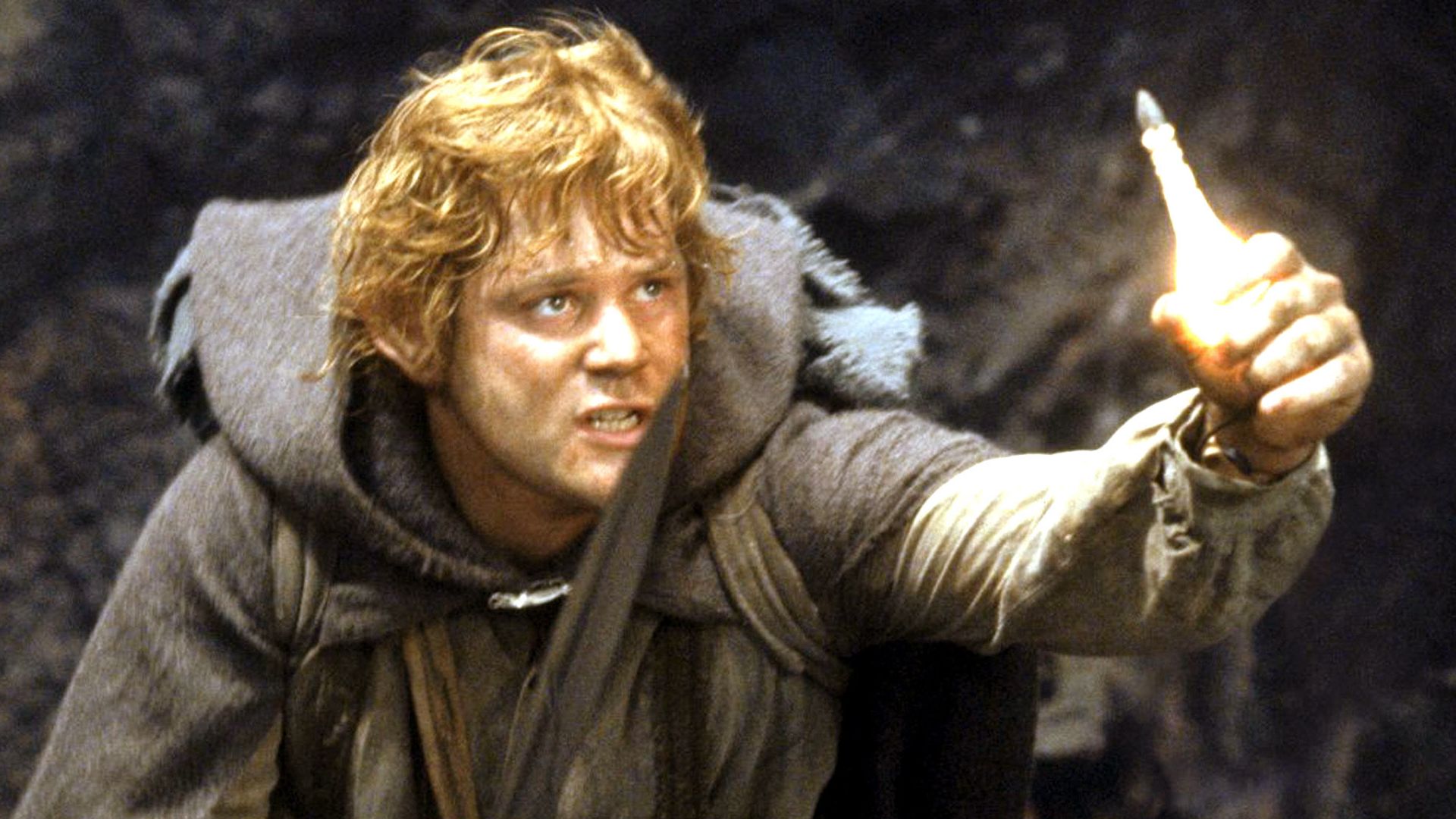
Peter Jackson revitalized the world of Middle-earth in 2001 with his adaptation of The Return of the King, the first major cinematic take on Tolkien’s work since the 1980 animated TV movie. He assembled an exceptional cast and poured immense dedication into the project, resulting in a remarkably cohesive and successful trilogy. New Line Cinema took a significant risk by investing $270 million to film all three movies simultaneously, and that gamble paid off handsomely, earning nearly $2.9 billion at the box office.
Before New Line Cinema’s The Lord of the Rings, large-scale fantasy films were considered too risky and expensive for Hollywood. The trilogy’s huge success changed that, and studios are still actively seeking the next big fantasy franchise, even twenty-three years later. Despite many attempts, no film series has yet surpassed the popularity of Peter Jackson’s The Lord of the Rings.
2026-01-29 21:13