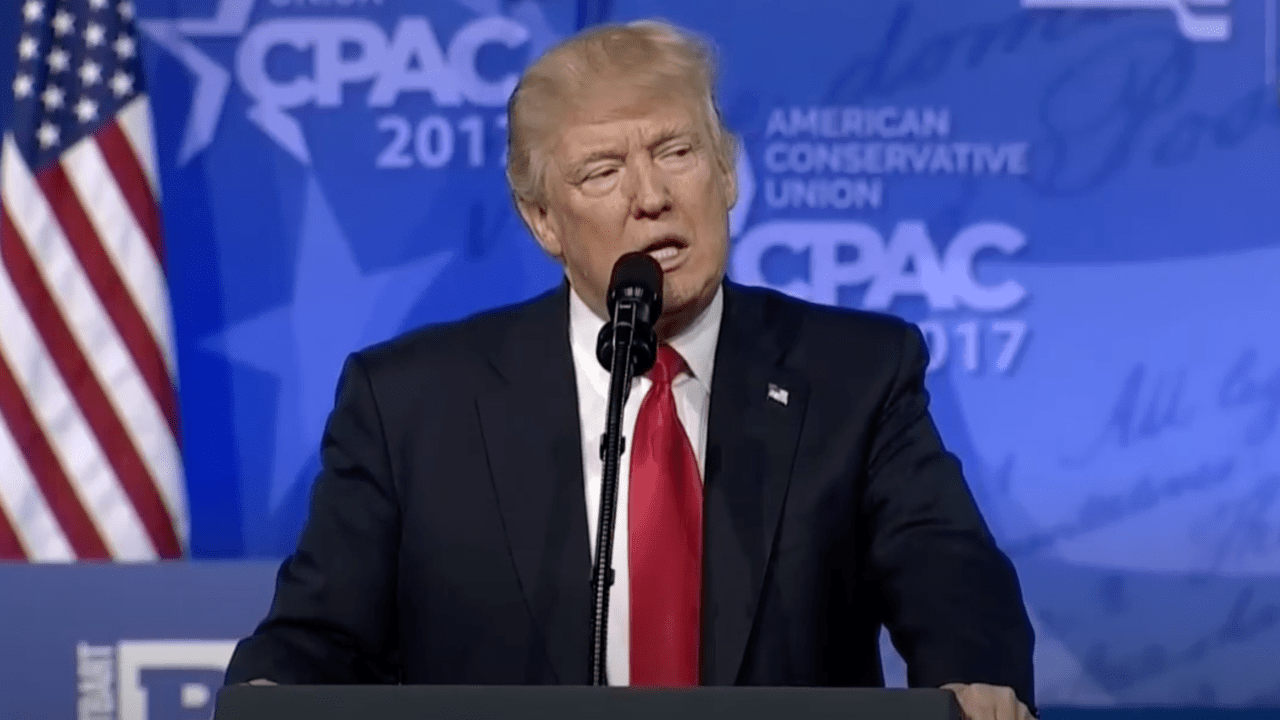
Former President Trump is revisiting his proposal to tax foreign films. He suggests imposing fees on movies not made in the U.S., while also exploring ways to encourage filmmakers to return to Los Angeles for production.
In an interview with the New York Post and its California affiliate, Donald Trump stated he plans to impose tariffs on films made outside the United States, specifically mentioning Canada and other countries. He believes Los Angeles has lost its dominance in the movie industry. To address this, he proposed not only tariffs but also low-interest bonds to incentivize filmmakers and bring movie production back to the US.
According to Deadline, the President continues to support a plan that initially caused concern in Hollywood and presented numerous legal and practical challenges.
A Policy Trump Hasn’t Abandoned
I was pretty shocked when I first heard Trump talking about potentially putting a 100% tariff on foreign films back in May! The White House quickly said they were still thinking things through, which seemed to calm things down a bit. But honestly, his recent comments make it clear he still really wants to make it harder for movies to be made outside the US. It’s a little concerning as a movie fan, to be honest.
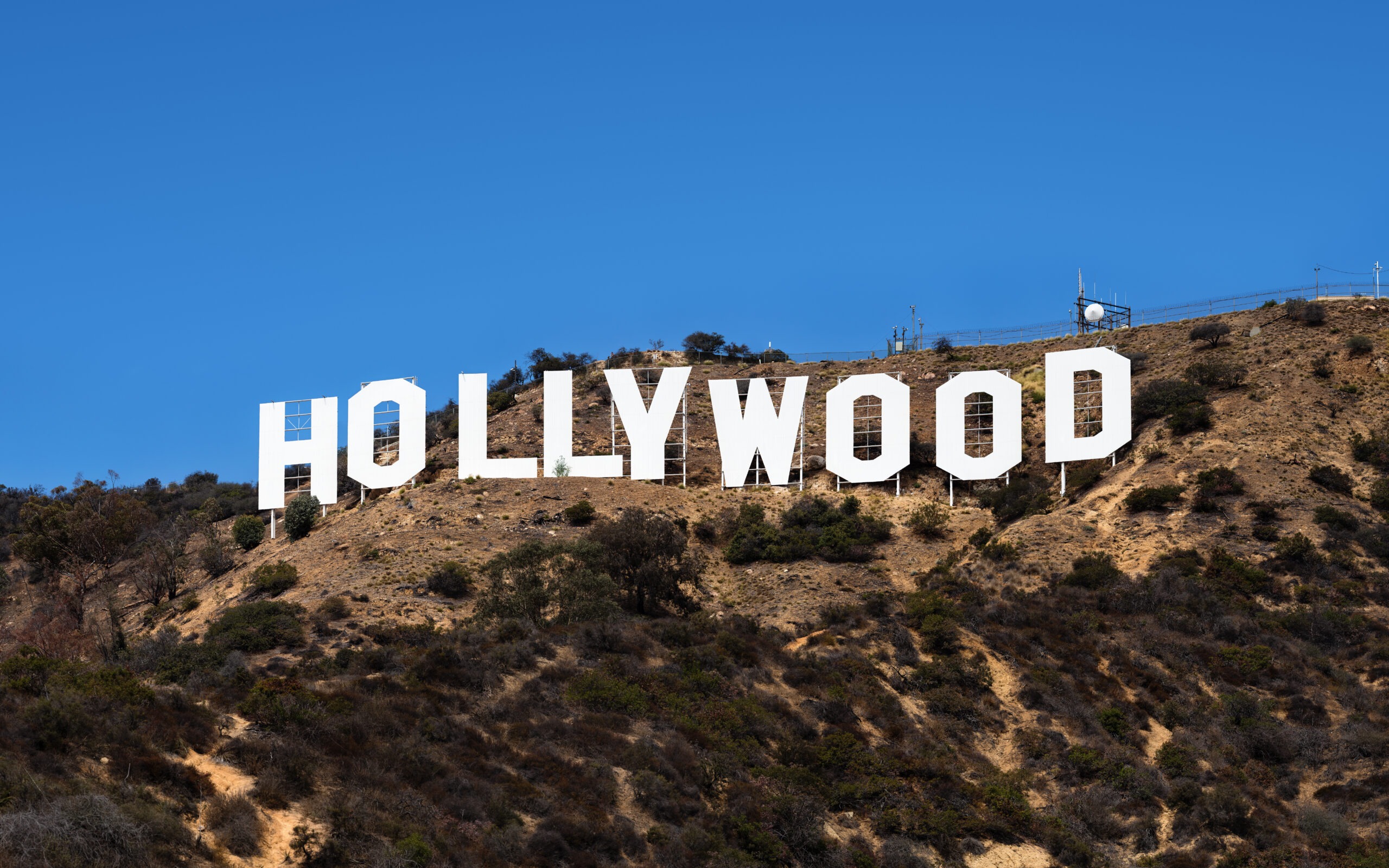
I was really hoping to hear more specifics from the President about those proposed tariffs – how they’d actually work, and what the plan was. Unfortunately, he didn’t offer much at all. And it wasn’t just the tariffs; he also didn’t explain how the bond program for movies would be set up. As Deadline pointed out, he just didn’t go into any detail about it, which was a little disappointing.
Even without concrete details, the recent increase in talk about government policy has once again worried the film industry about potential federal intervention in filmmaking locations and processes.
Legal Barriers and Tariff Authority Questions
A key issue with President Trump’s proposed film tariffs is whether he even has the legal power to put them in place.
According to Deadline, Donald Trump’s ability to impose tariffs is now facing legal challenges. The Supreme Court is likely to decide if he can place duties on goods from many different countries. Interestingly, movies are specifically excluded from these types of emergency trade actions under a law often used to justify them, called the International Emergency Economic Powers Act.

Figuring out tariffs for film and TV production is complicated. Unlike physical products that are simply imported, these projects are often funded internationally, filmed in multiple countries, and edited by teams spread across the globe. This makes applying traditional tariffs difficult.
Industry Dependence on Overseas Incentives
A recent article in Deadline highlights how Hollywood studios now heavily rely on tax breaks offered by countries like the UK, Canada, and Australia. These incentives are a major reason why big-budget movies are increasingly filmed outside of California.
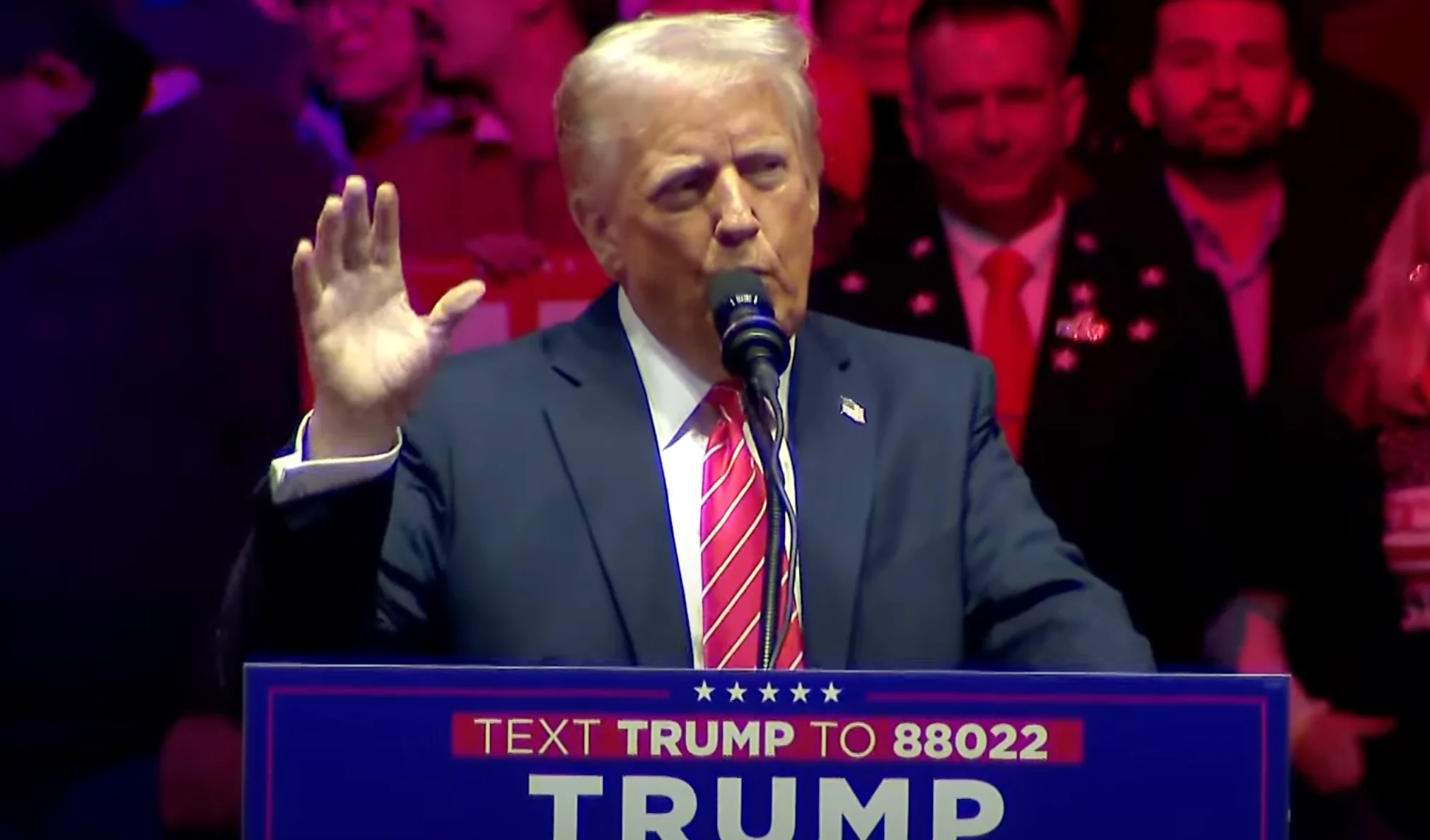
Film studios are worried that completely banning filming abroad could drastically increase costs, especially since productions are already facing tight budgets.
The Motion Picture Association declined to comment directly on Trump’s renewed tariff talk.
Incentives Versus Penalties
Following comments made by Donald Trump in May about potential tariffs on films, industry leaders quietly worked to shift the focus towards increasing federal tax incentives. Ari Emanuel, head of WME Group, was one of those who encouraged the President to prioritize incentives over penalties.
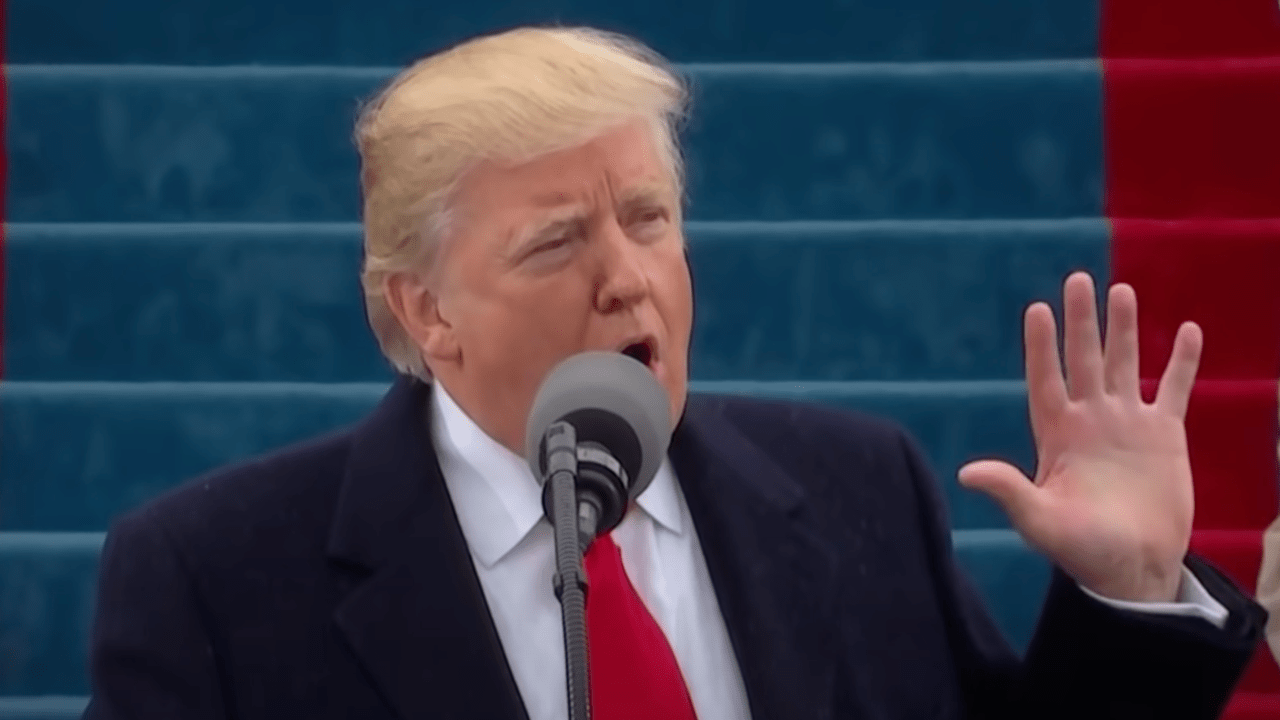
Trump recently indicated he might use a combination of strategies: suggesting tariffs and also hinting at issuing low-interest bonds. However, the details of either plan are still unclear.
What Happens Next
Currently, Trump’s ideas about film tariffs are more of a political position than a concrete plan. There are no details on how these tariffs would work, how funding would be arranged, or how they would fit with current incentives offered by states and other countries.
President Trump keeps describing the movie and TV industry’s move away from Hollywood as something the government should address. Exactly how he’ll do that – through fines, benefits, or just by continuing to talk about it – will depend on what the courts decide, how strongly the industry objects, and whether his administration actually creates a plan to follow through on his comments.
2026-01-29 16:57