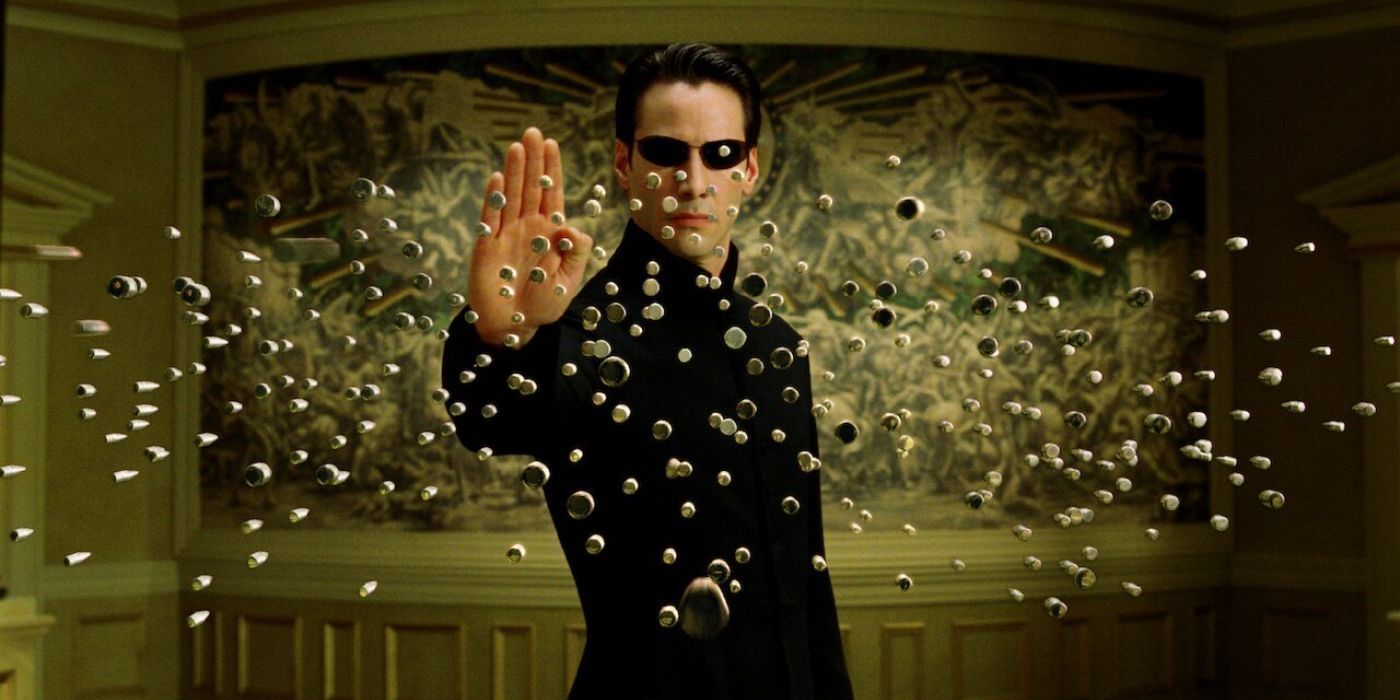
Anime and manga artists have always drawn inspiration from Western movies, particularly popular Hollywood blockbusters and timeless classics. Sometimes these influences are subtle, creatively reinterpreted through a unique artistic lens and cultural understanding. Other times, anime directly references Hollywood films. However, even when the inspiration is clear, anime frequently transforms it into something more profound, complex, and imaginative than the original source material.
Many anime shows borrow ideas from classic Hollywood movies, particularly those in the science fiction and fantasy genres. Although the influence is sometimes clear, these anime often surpass their inspirations by offering a clever and visually appealing take on the Western films that influenced them.
Death Note is the Anime Equivalent To Se7en
I first encountered Death Note as what seemed like a simple, exciting thriller. It’s about a high school student who finds a strange notebook that lets him kill people just by writing their names. But it didn’t stay that way for long. As the story unfolded, it transformed into a really intense psychological crime drama, and it quickly delved into much more complex and unsettling questions about power, justice, and what’s right and wrong. It was far more than just a surface-level chase.
Similar to the film Se7en, Death Note centers on a battle of wits and ideologies between a killer seeking to deliver what he believes is divine justice and a detective determined to stop him, relying on his intelligence and personal code of ethics. While Se7en is known for its bleak ending, Death Note surpasses it by exploring philosophical themes more thoroughly throughout the entire series. This creates an anime that’s a true masterpiece, keeping viewers gripped from beginning to end.
Puella Magi Madoka Magica is The Matrix With a Dark Existential Streak
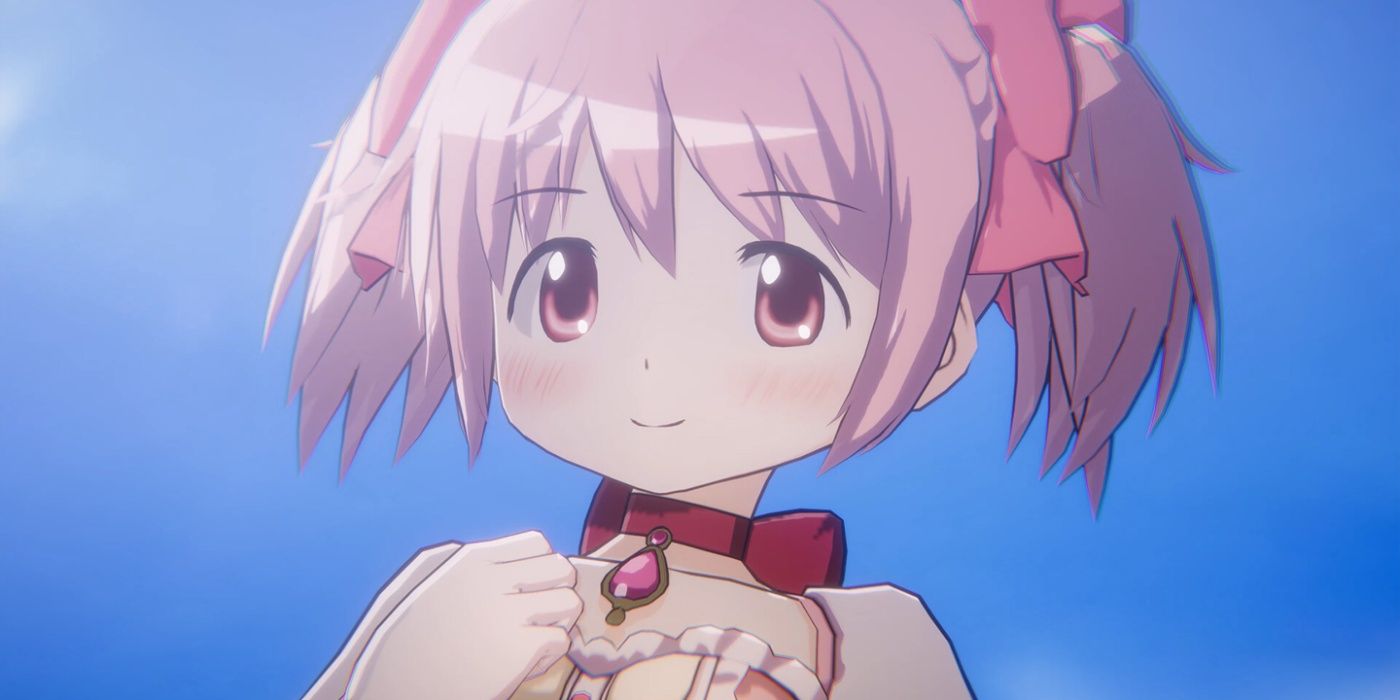
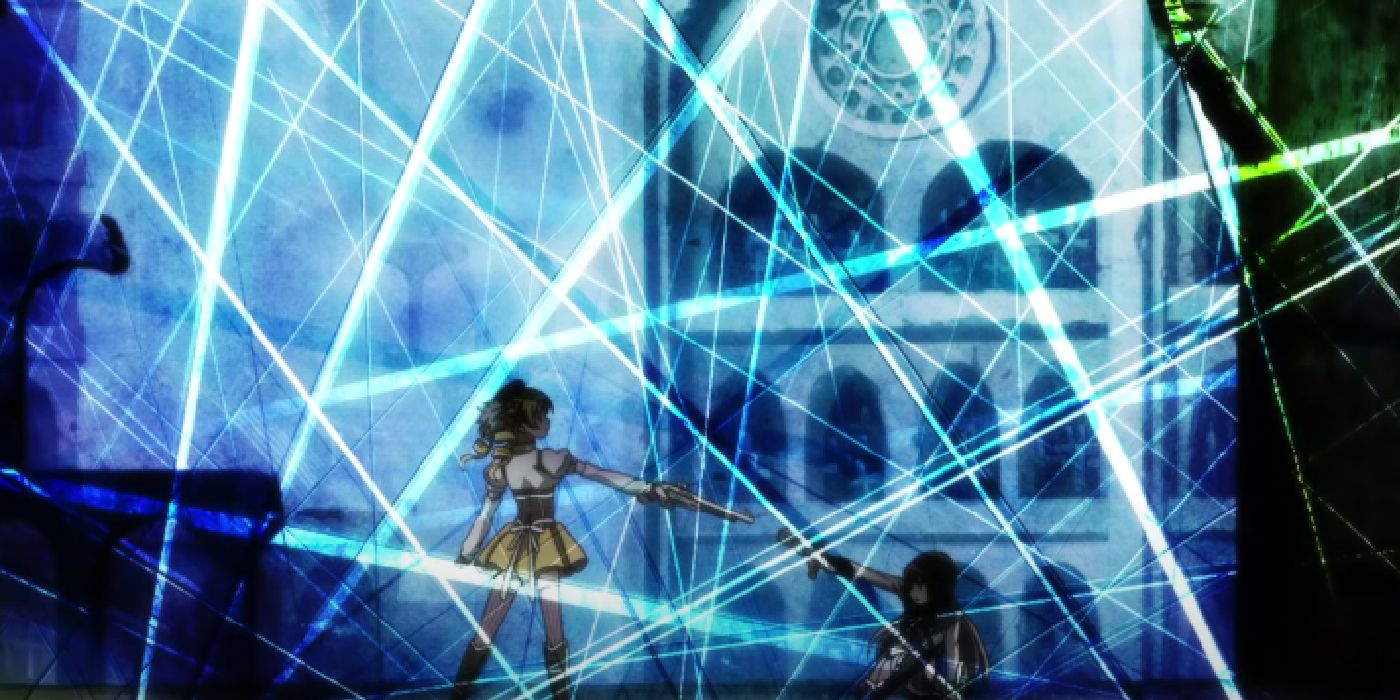
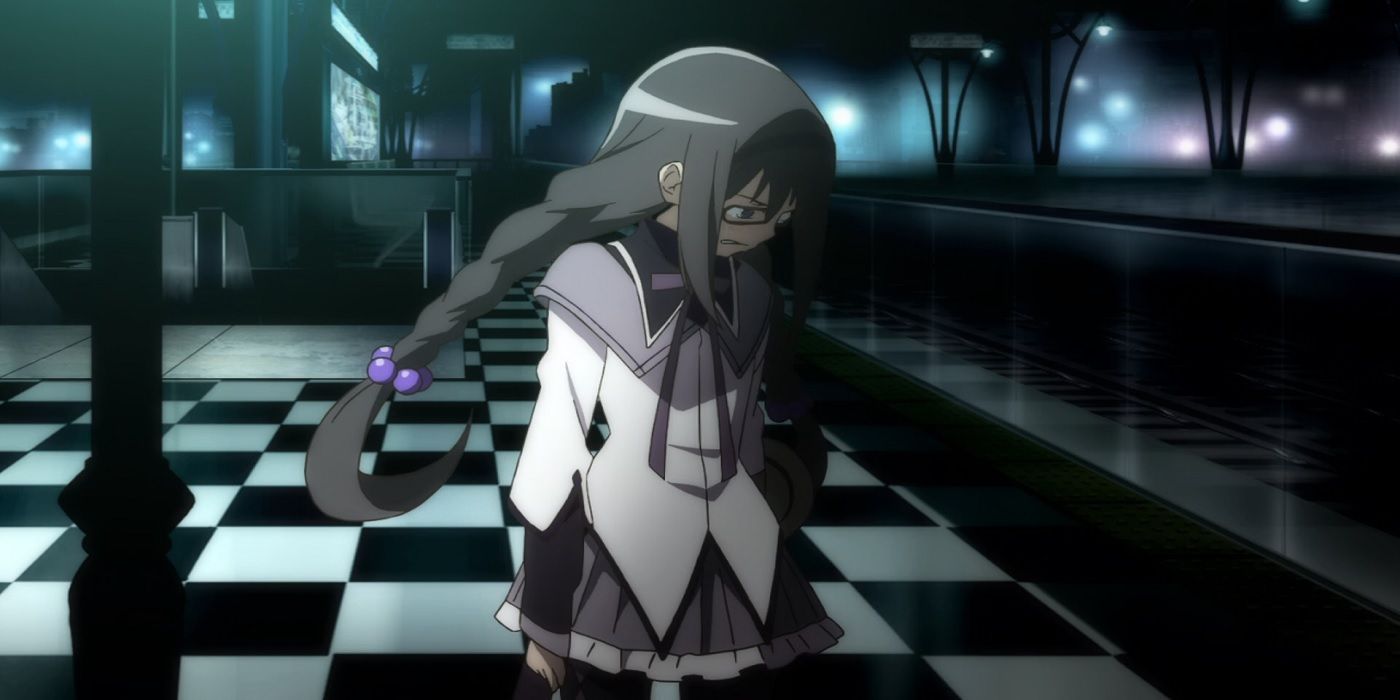
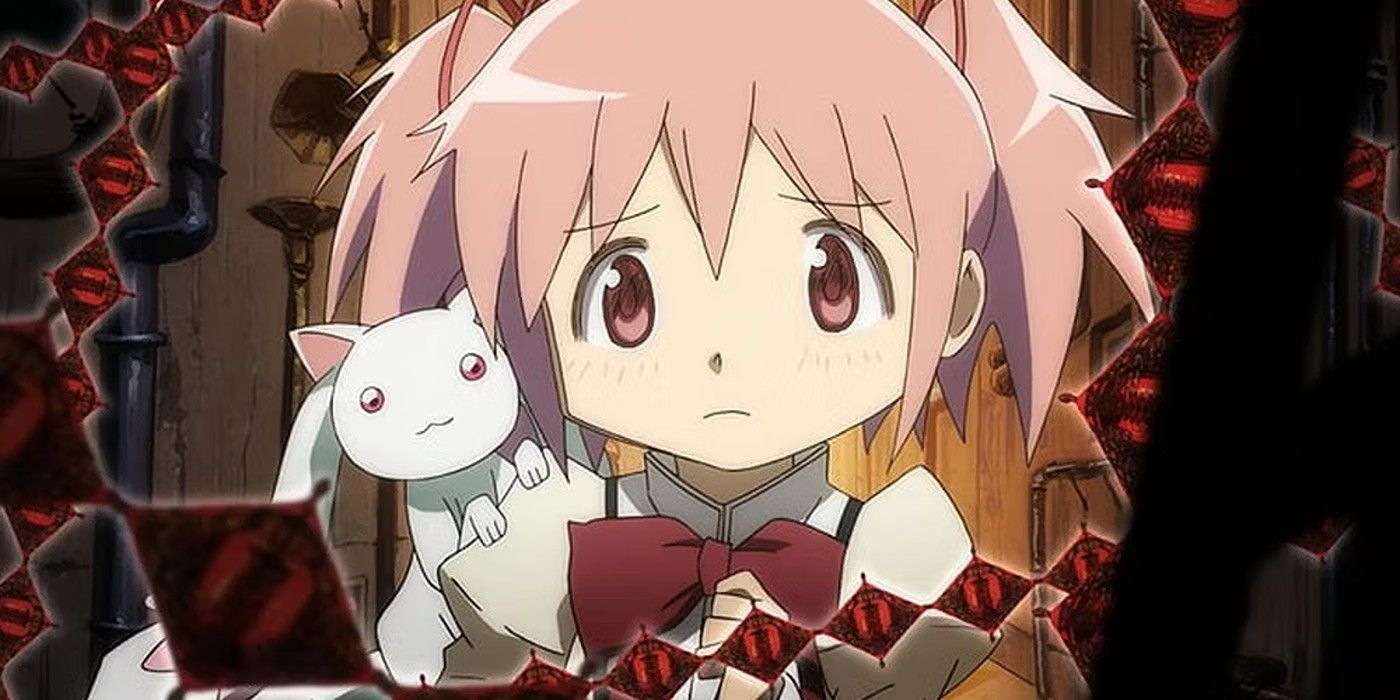
When Madoka Magica first came out, viewers expected a typical magical girl show with bright colors and cheerful battles. Instead, it completely subverted the genre, turning familiar tropes into something dark and unsettling. The adorable characters and school setting were just a facade, hiding a complex story about fate, self-sacrifice, and the nature of reality.
Similar to the movie The Matrix, Madoka Magica creates a world that isn’t quite real, using this illusion to explore difficult moral choices for its characters. Instead of fighting robots, these magical girls try to make sense of a harsh and unforgiving universe. This allows Madoka Magica to go beyond its inspiration, transforming the philosophical action of The Matrix into a deeply emotional story about finding hope even in the darkest of times.
Cowboy Bebop Blends Blade Runner & Chinatown in Space
Few anime shows wear their Hollywood influences as proudly as Cowboy Bebop. Each episode feels like a fantastic blend of classic film noir, Western action, and jazz music, all set in space. The series beautifully references these iconic Hollywood styles in every carefully animated scene.
Many popular sci-fi anime series, including Cowboy Bebop, owe a debt to the cyberpunk world of Blade Runner. The show also draws inspiration from the neo-noir mystery Chinatown. Cowboy Bebop successfully blends these influences into something unique and even more compelling.
Fullmetal Alchemist: Brotherhood is Frankenstein Meets the Brothers Grimm
At its core, Fullmetal Alchemist: Brotherhood is a story about the dangers of excessive pride and the sacrifices people make in pursuit of knowledge. When two brothers attempt to bring their mother back to life using alchemy, their actions have unforeseen and dramatic consequences, echoing the story of a classic Hollywood monster.
Brotherhood shares themes with Frankenstein, like the dangers of creation and difficult moral choices, but it sets these ideas within a fantastical European world reminiscent of the Brothers Grimm and Mary Shelley. While many Western versions of these stories focus on punishing creations, Brotherhood goes a step further, exploring the possibility of redemption instead.
Attack on Titan is World War Z by Way of The Walking Dead
From the start, Attack on Titan establishes that humanity is the true villain, not the Titans outside the walls. Like many popular series, it features intense, exciting battles set during a gradually unfolding apocalypse. While the Titans aren’t typical zombies, the overall sense of dread and destruction strongly resembles the zombie genre.
Both World War Z and The Walking Dead effectively use zombies to represent societal breakdown, and Attack on Titan follows suit with its monstrous humanoids. The Titans represent both fear and oppressive control, and the series builds a world where the desperate fight for survival feels like a large-scale military story. Importantly, Attack on Titan goes further than its predecessors, exploring difficult themes like the power of propaganda, the dangers of extreme nationalism, and how easily violence can repeat itself.
Neon Genesis Evangelion Reimagines Apocalypse Now with Mechas
Hideaki Anno’s Neon Genesis Evangelion is more than just a show about giant robots. Instead of focusing on external battles, it explores intense inner turmoil. Beyond the fights with the powerful ‘Angels,’ the series delves into the characters’ minds, revealing deep self-hatred that’s reminiscent of films like Apocalypse Now and Full Metal Jacket.
You know, when you really think about Evangelion, it’s not so much a show about fighting as it is about what that fighting does to people. It’s about the weight of responsibility and the deep scars it leaves. It really struck me how similar Shinji is to Captain Willard in Apocalypse Now – each mission just seems to chip away at him, bit by bit. Apocalypse Now had all that intense imagery with the napalm and the madness, but Anno does something different. He creates an apocalypse built around this strange LCL fluid and the breakdown of society, and honestly, that’s what makes it so powerful.
Ghost in the Shell Upgrades RoboCop & The Terminator
Even before cyberpunk became widely popular, Ghost in the Shell explored themes that would later become huge successes – so much so that Hollywood created its own live-action film starring Scarlett Johansson. The original anime is a smart blend of detective stories and science fiction, and it really shaped the cyberpunk genre, eventually catching the attention of major studios.
Despite its unique style, Ghost in the Shell still draws inspiration from Western films like RoboCop and The Terminator. However, it takes their central idea – what happens when humans and robots become nearly identical – in a different direction. Unlike those films, which portray this concept with fear and unease, Ghost in the Shell embraces the blurring of lines between mind and machine, suggesting it’s a natural progression for humanity. While RoboCop and The Terminator approach the idea with anxiety, Ghost in the Shell views it as evolution.
Hellsing Ultimate is Coppola’s Dracula on Adrenaline
While all vampire stories are influenced by Bram Stoker’s original novel, Hellsing Ultimate draws more inspiration from movies, especially Francis Ford Coppola’s 1992 film Dracula. The anime shares many of the same dramatic and over-the-top qualities as Coppola’s movie—including grand gothic settings, intense violence, and a focus on dark romance—making it a standout interpretation of the classic vampire story.
Despite being based on the same story, Hellsing Ultimate carves out its own identity. While Coppola’s Dracula is a romantic and tragic tale with beautiful visuals, Hellsing Ultimate emphasizes intense action and power. Alucard isn’t a heartbroken lover; he’s a terrifying force of death. The series takes everything from the original Dracula – the violence, the scale, and the hidden meanings – and turns it up to the extreme. It presents the story as the over-the-top spectacle it always had the potential to be.
Trigun Blends Hollywood’s Best Westerns with Sci-Fi
The main character looks like he stepped right out of a classic spaghetti Western – a wanted gunslinger with a hidden past who surprisingly avoids killing. Trigun borrows heavily from the style of those old Westerns, with familiar scenes of desert towns and intense showdowns. You can really see the influence of films by directors like Sergio Leone, especially The Good, the Bad and the Ugly.
Westerns in Hollywood usually focus on cowboys seeking riches or revenge, but Trigun offers a fresh take. Its main character isn’t after gold – he’s searching for peace in a futuristic, damaged world. Unlike typical Hollywood gunslingers, he relies on humor and avoids violence whenever possible. Ultimately, Trigun reimagines the Western genre as a stylish and meaningful series that delves into complex ideas about forgiveness and regret.
One Punch Man is an Obvious Parody of Marvel & DC’s Superheroes
At first glance, One Punch Man seems like a typical superhero anime, but it quickly stands out. The show’s main character can defeat any enemy with a single punch, and this becomes a running joke that cleverly pokes fun at the superhero genre itself. One Punch Man is a funny and over-the-top parody of superhero stories, playfully mocking common themes and clichés that fans have seen in comics and movies for years.
One Punch Man cleverly pokes fun at the struggles of famous heroes from Marvel and DC, but it also highlights a realistic problem they’d likely face. While heroes like Iron Man or Wonder Woman are constantly battling bigger and bigger threats despite their incredible power, Saitama deals with a different issue: the boredom that comes from being too strong. He easily saves the world, and that creates its own kind of emptiness. This blend of exciting action and relatable humor is a big reason why One Punch Man has stayed so popular with anime fans.
Read More
- Clash Royale Best Boss Bandit Champion decks
- Clash Royale December 2025: Events, Challenges, Tournaments, and Rewards
- Ireland, Spain and more countries withdraw from Eurovision Song Contest 2026
- Clash Royale Witch Evolution best decks guide
- Clash Royale Furnace Evolution best decks guide
- Mobile Legends December 2025 Leaks: Upcoming new skins, heroes, events and more
- Best Hero Card Decks in Clash Royale
- ‘The Abandons’ tries to mine new ground, but treads old western territory instead
- Mobile Legends X SpongeBob Collab Skins: All MLBB skins, prices and availability
- JoJo’s Bizarre Adventure: Ora Ora Overdrive unites iconic characters in a sim RPG, launching on mobile this fall
2025-10-28 16:46