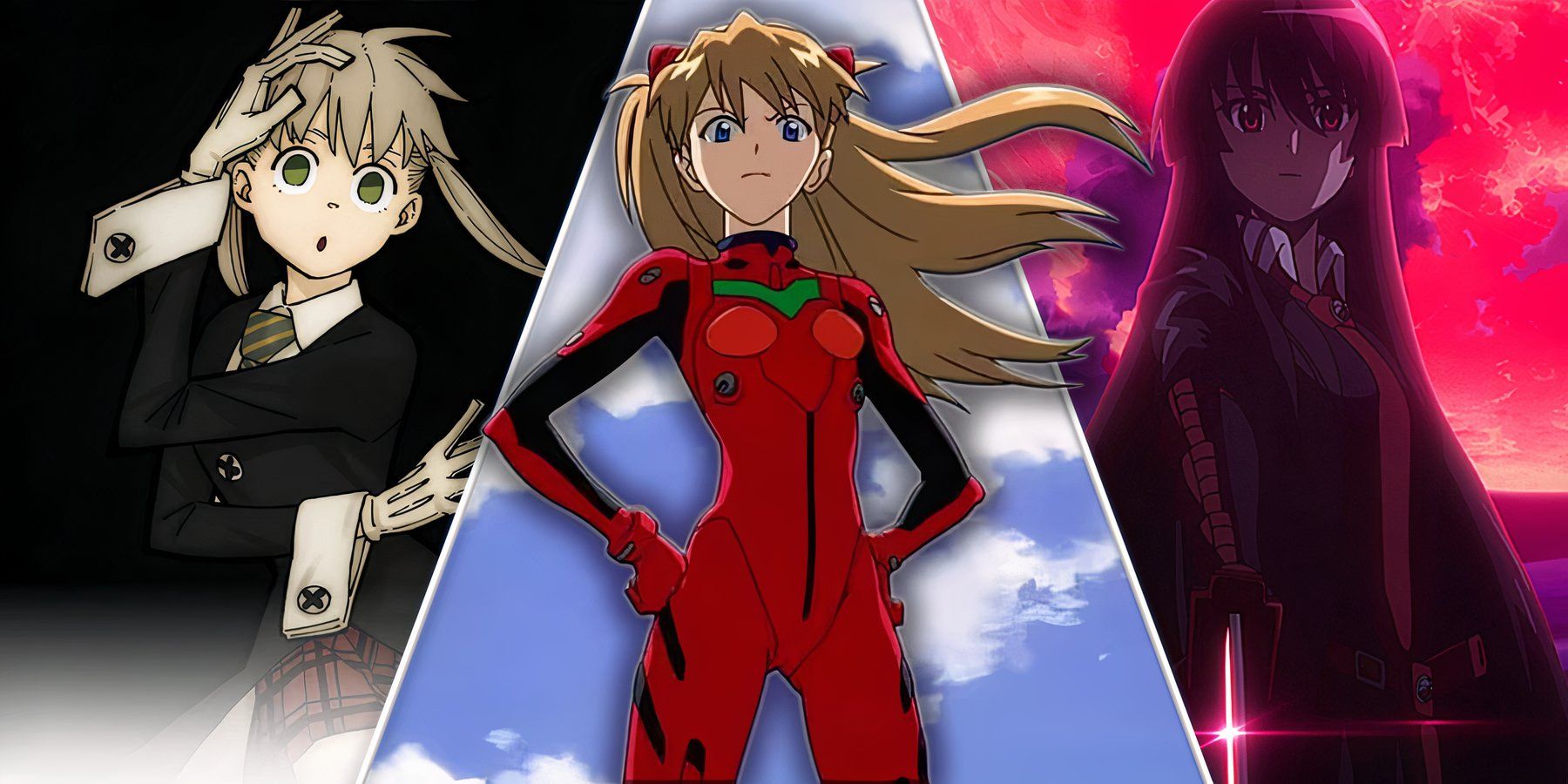
It’s incredibly frustrating for viewers when a TV series starts strong, capturing their attention with great characters and a promising story, only to dramatically fall apart in the final episodes. This can happen for a few reasons – sometimes the story feels rushed, or important plot points are left hanging. Other times, the show tries to do too much and simply collapses under its own weight.
It’s especially frustrating when a promising anime, like *Wonder Egg Priority* or *Erased*, has a disappointing ending. These shows build up great stories and characters, making the letdown even worse. You become invested and expect a satisfying conclusion, but instead, the final episode feels like a betrayal. Whether it’s through confusing plot twists or a weak finale, these shows shock viewers in the worst possible way.
Wonder Egg Priority Loses Itself in a Finale That Answers Nothing
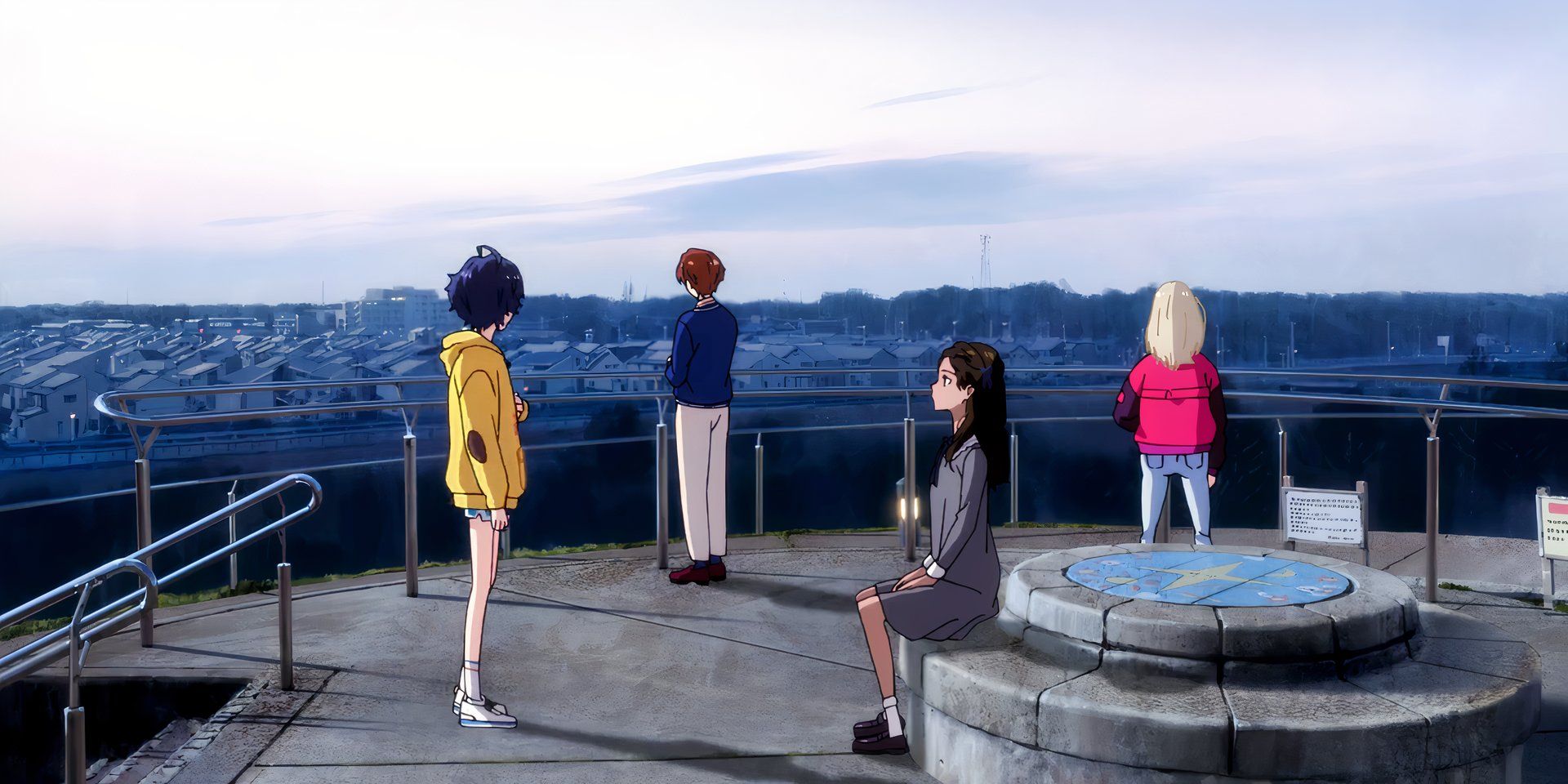
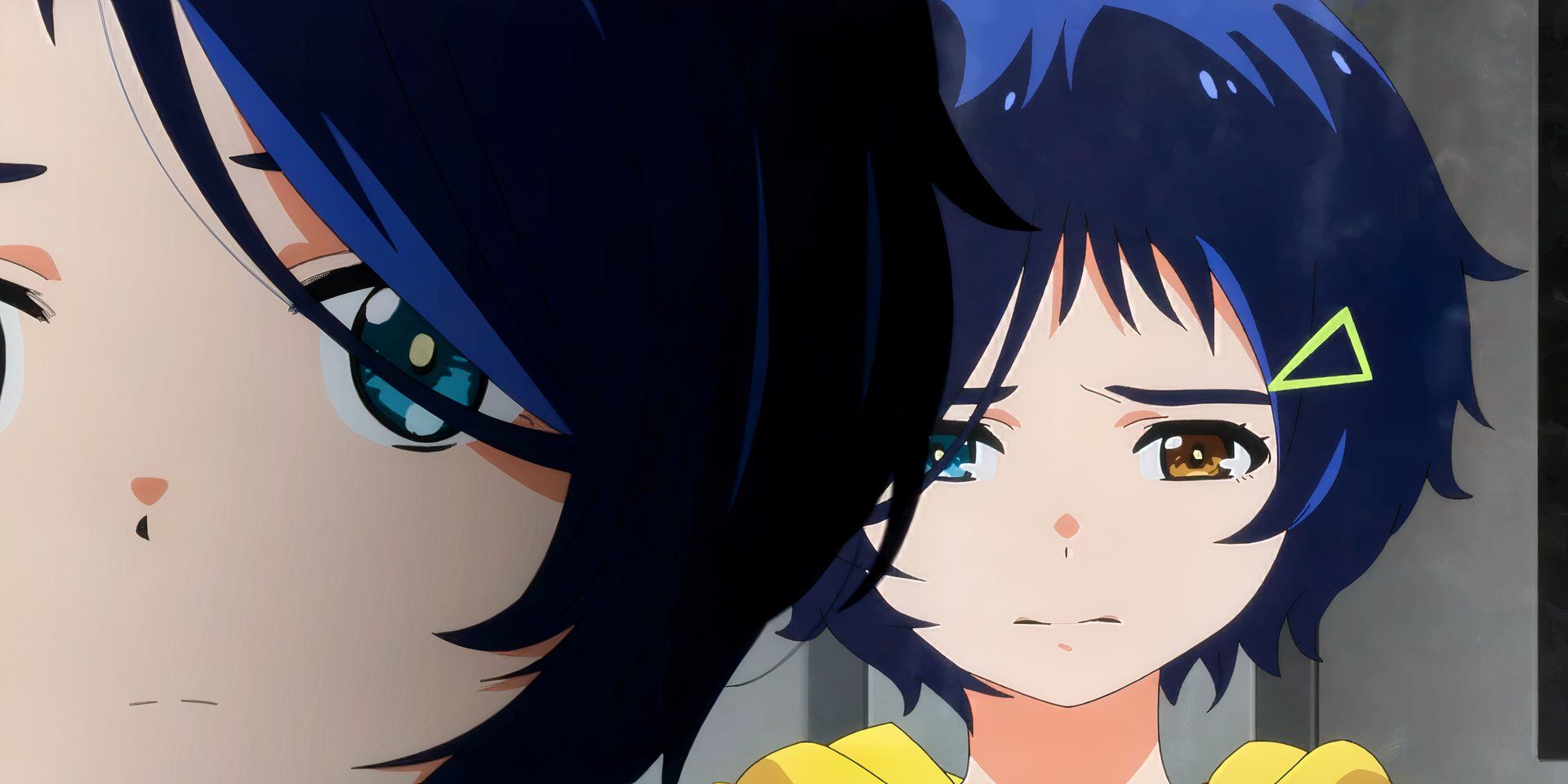
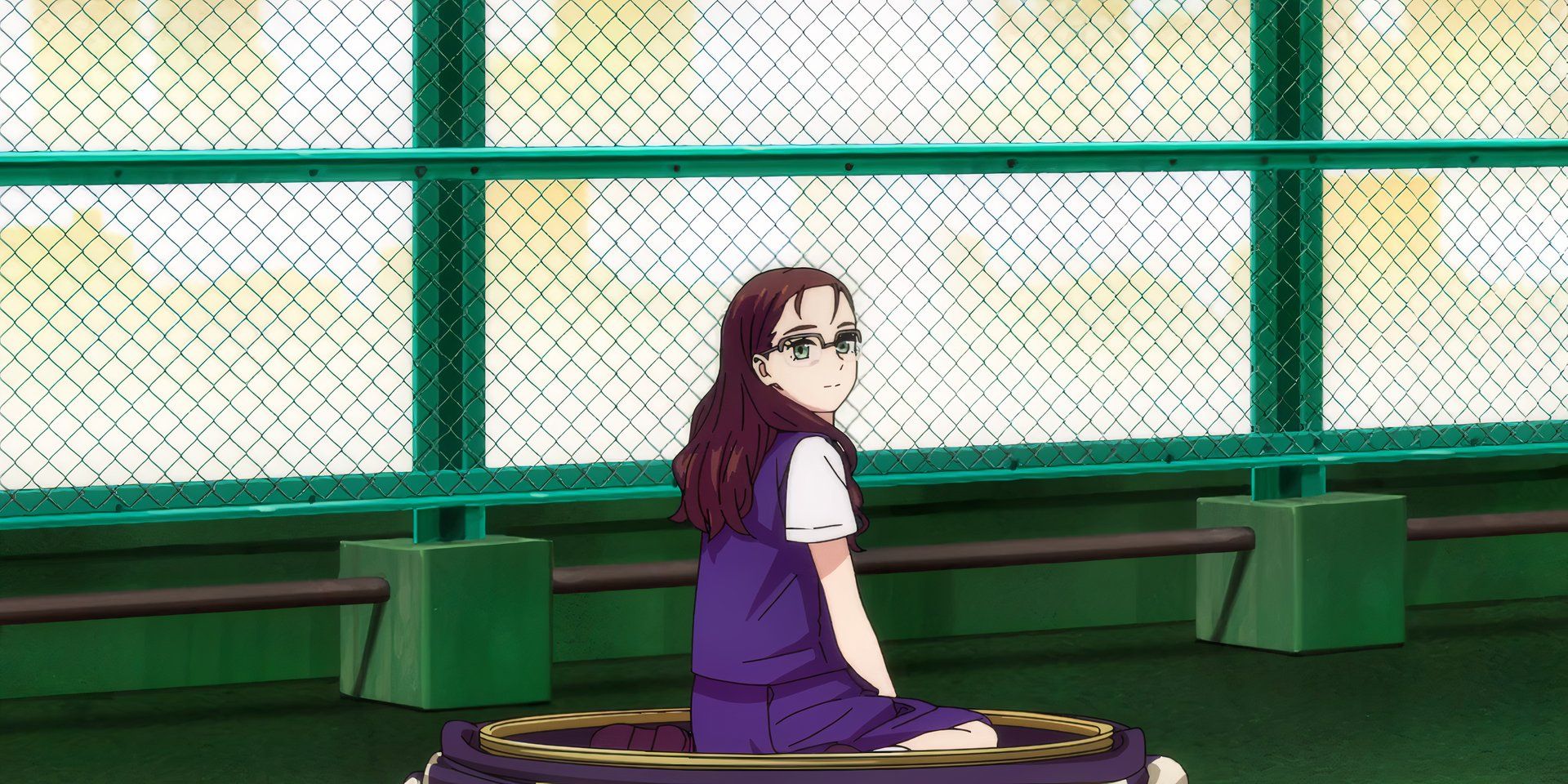
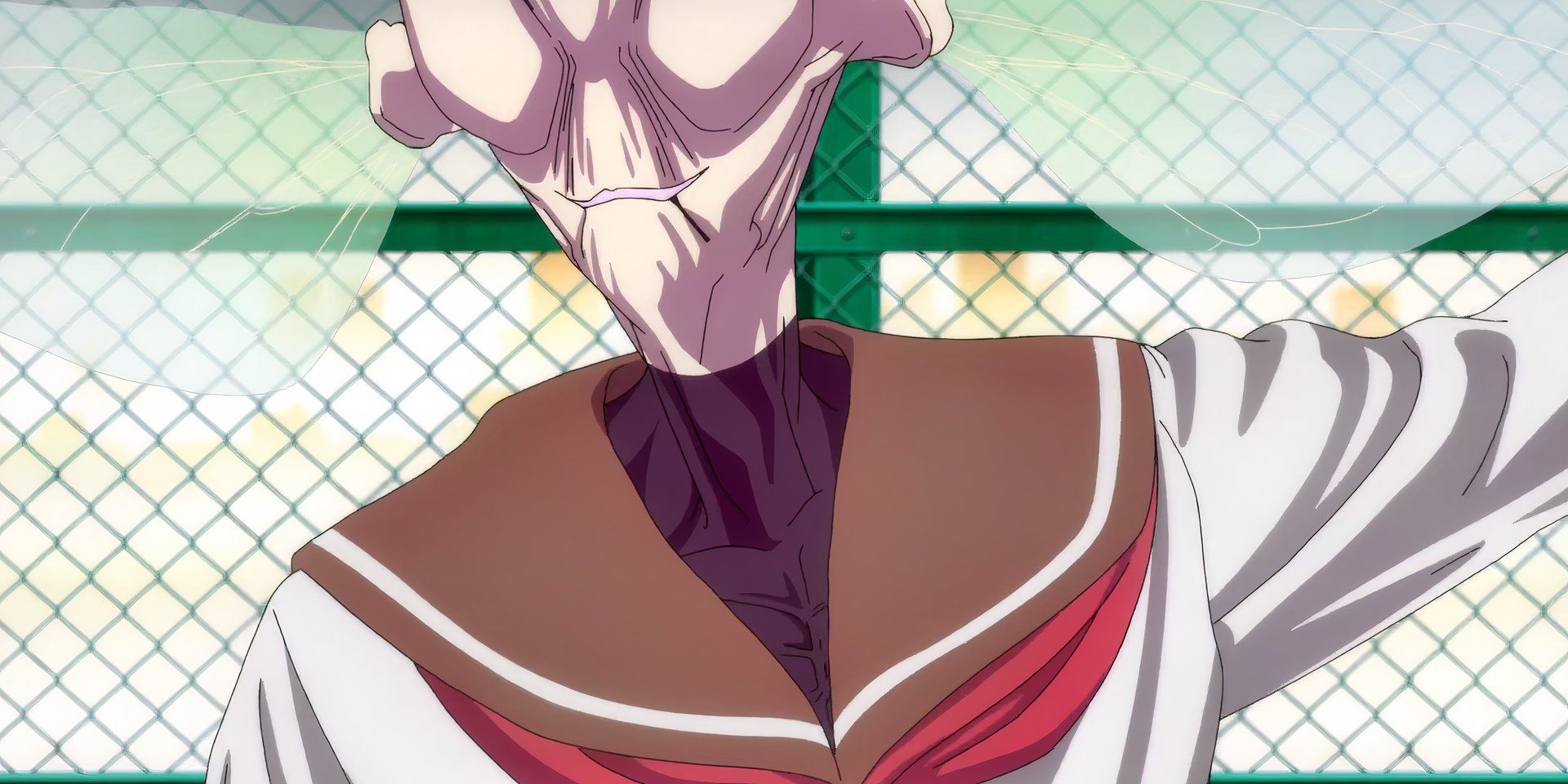
Wonder Egg Priority initially stood out with its beautiful, dreamlike animation and thoughtful stories, making it one of the most exciting anime series in recent years. Each episode carefully unfolded, hinting at a deeper meaning. However, the finale attempted to tie up too many complicated themes at once, ultimately trading the show’s intriguing mystery for a confusing and contradictory conclusion.
This episode simplified the story so much that it lost all its depth, and new ideas like alternate realities and artificial intelligence just confused people. The episode didn’t resolve the storylines for either Koito or Ai, and Koito’s character felt strangely out of character. This anime will likely be remembered for its strong beginning, but unfortunately, it ended very poorly.
Soul Eater Ends Its Stylish Run With a Punch That Completely Misses
Soul Eater had all the makings of a timeless anime. Its combination of dark, gothic aesthetics and exciting action was fresh and captivating. However, the series stumbled with its finale. The final battle against Asura wasn’t a satisfying victory, but a confusing letdown. Instead of focusing on the characters’ abilities or development, the outcome relied on a sudden emphasis on bravery.
The anime concluded because it caught up to the original manga and the creators had to write their own ending. They chose a predictable ‘power of friendship’ solution, which didn’t fit the story’s darker tone or established logic, ultimately making the finale disappointing. While *Soul Eater* remains a creative and memorable series, its ending isn’t a highlight.
Deadman Wonderland Stops Abruptly Instead of Ending
From the very beginning, *Deadman Wonderland* was incredibly gripping. Its dark and disturbing prison setting, combined with the brutal games and unique blood-based abilities, created a captivating experience. The series presented intriguing mysteries – like the identity of the Red Man, the source of Ganta’s powers, and the secrets of the deadly theme park – but sadly, the anime ended before any of these questions could be resolved.
The show finished abruptly, leaving many storylines unresolved and fans feeling frustrated. It felt like there wasn’t a real ending at all. The series had a lot of potential to be something truly special, but it was cancelled too soon. All that’s left is a reminder of what could have been – a great show that never got the conclusion it deserved.
Science Fell in Love’s Finale Turns Logic and Romance Into Dead Weight
From the beginning, *Science Fell in Love, So I Tried To Prove It* stood out as something new. This romantic comedy offered a unique spin on the genre with its intelligent humor and unusual main characters. The relationship between Yukimura and Himuro was genuinely endearing, and their ‘experiments’ were playfully disguised as scientific research, adding a clever spark to the romance. However, the show lost its special touch by the end of the second season.
The anime took a strange turn with a new storyline that didn’t fit the original feel of the show. A romantic subplot felt forced and out of place. While fans are hoping a potential third season could fix things, they’re currently left with an unsatisfying ending and no news about its future.
Erased Stumbles Right When It Should Have Hit Hardest
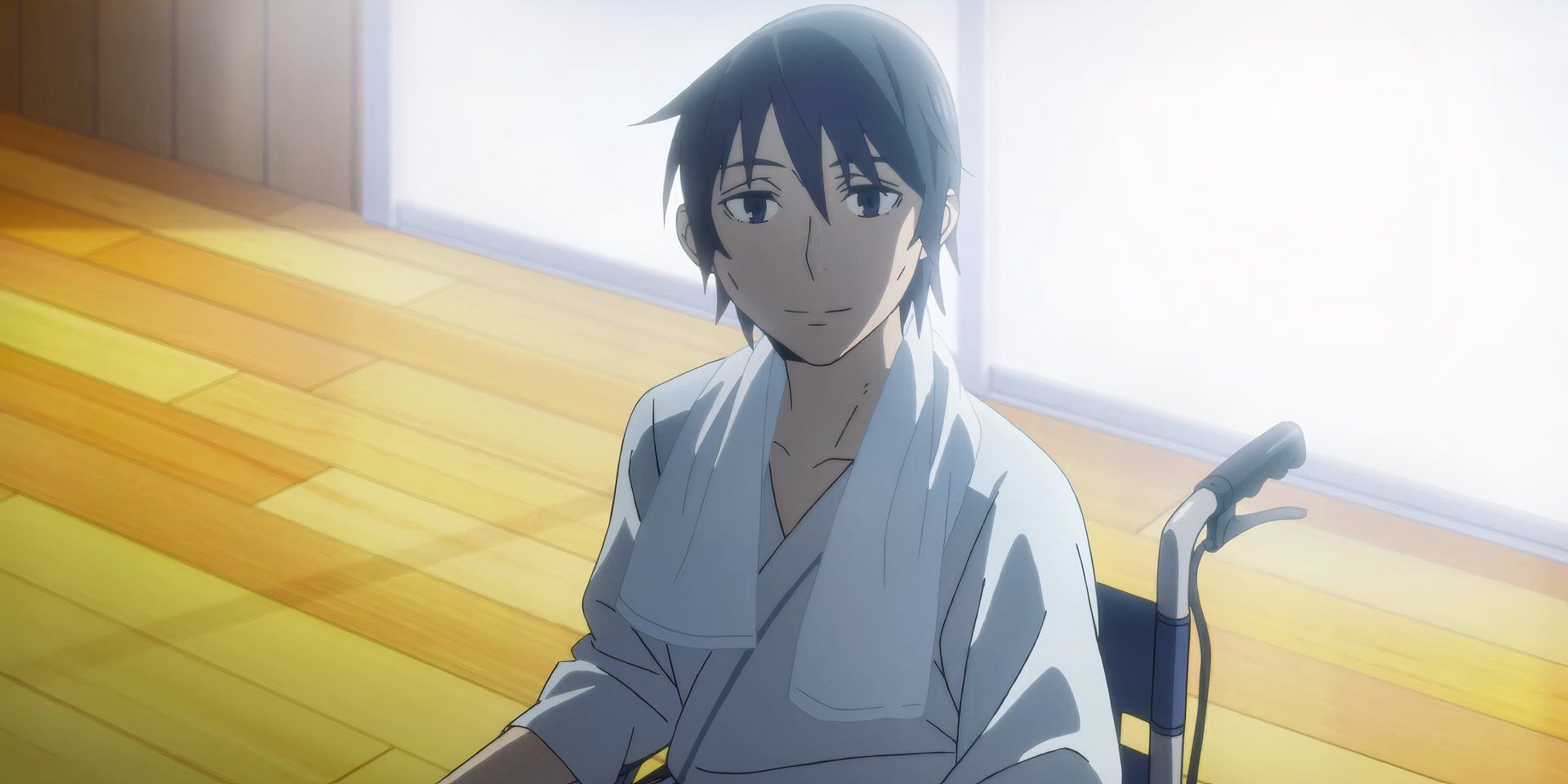
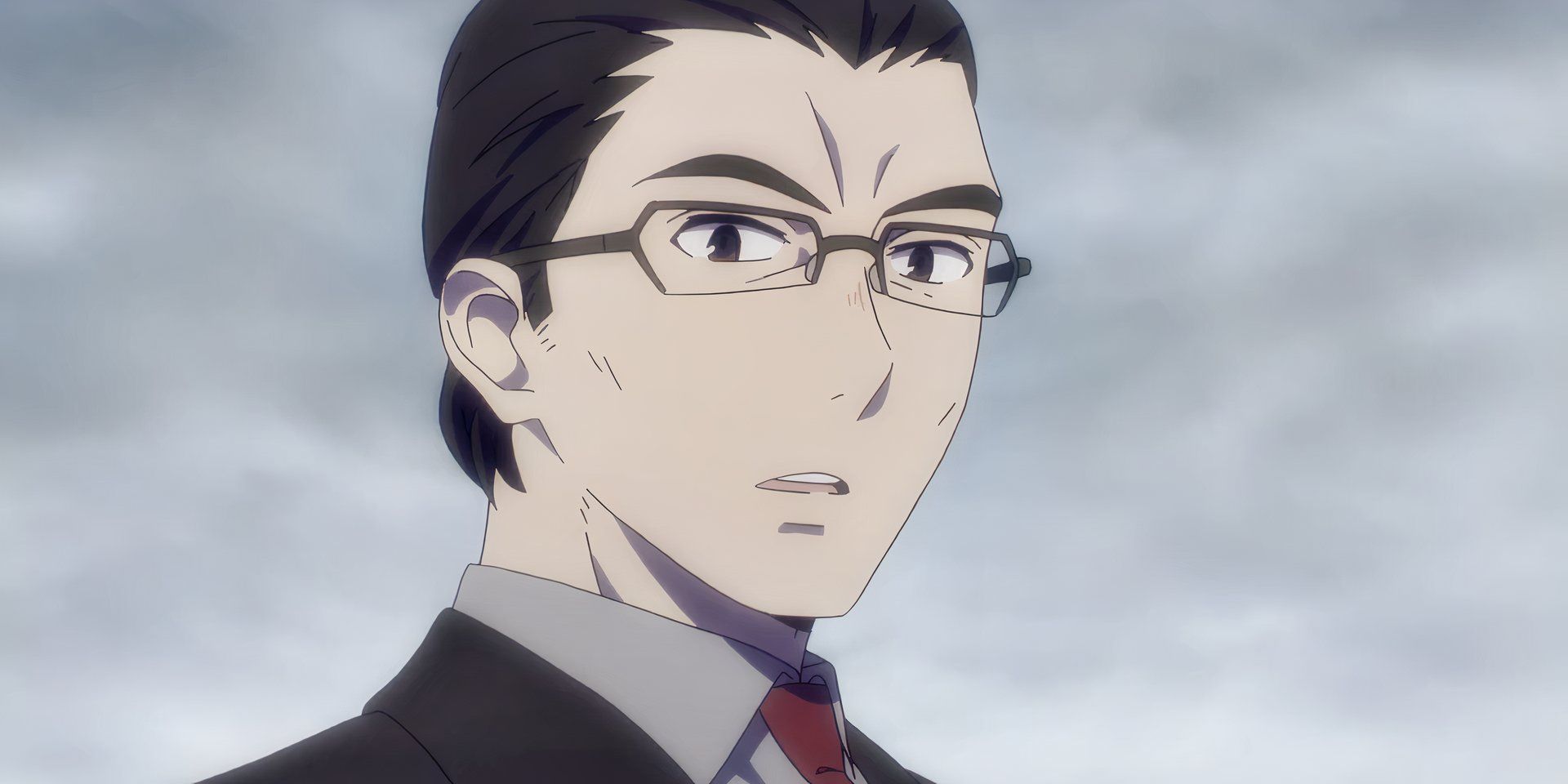
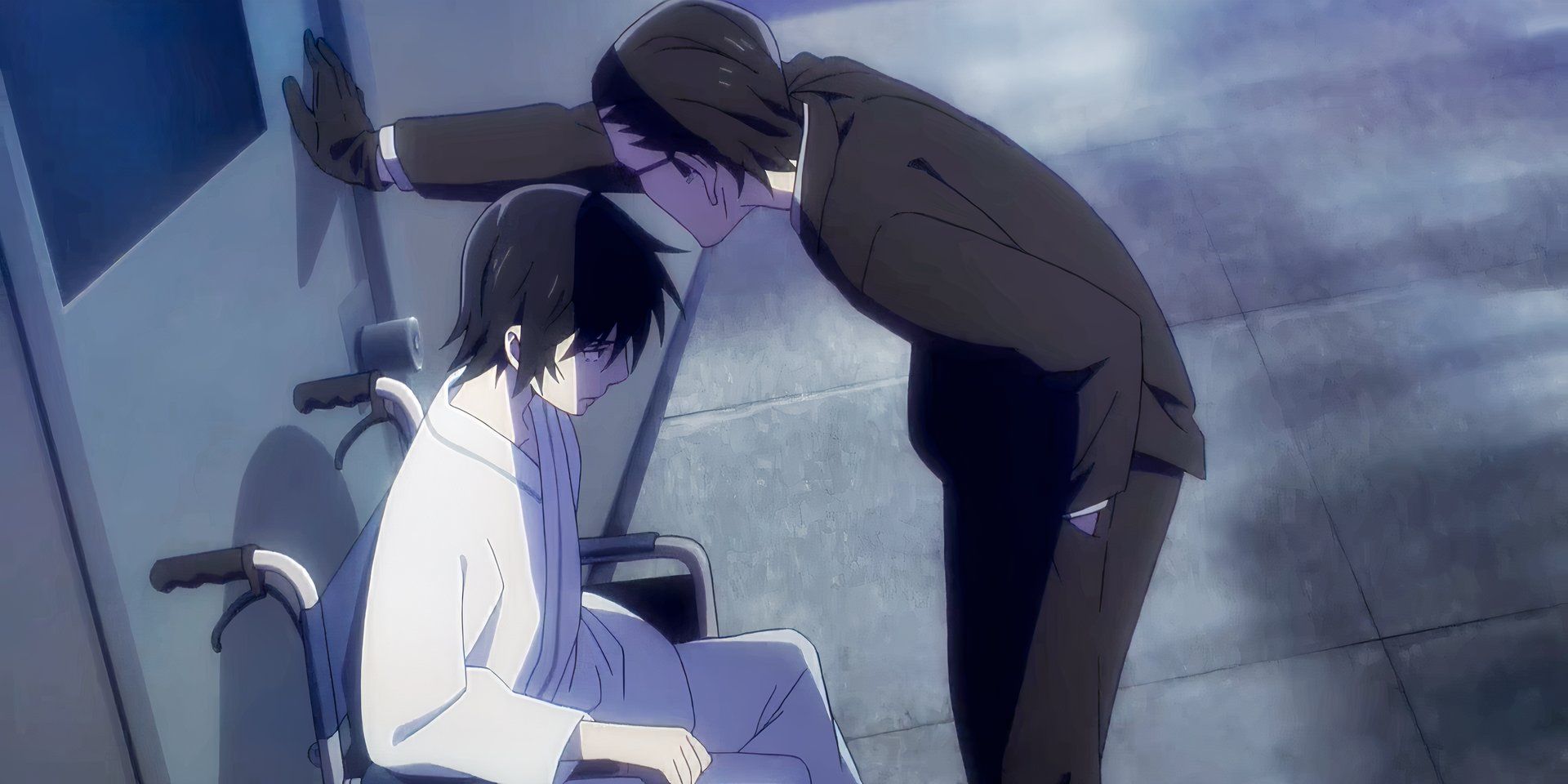
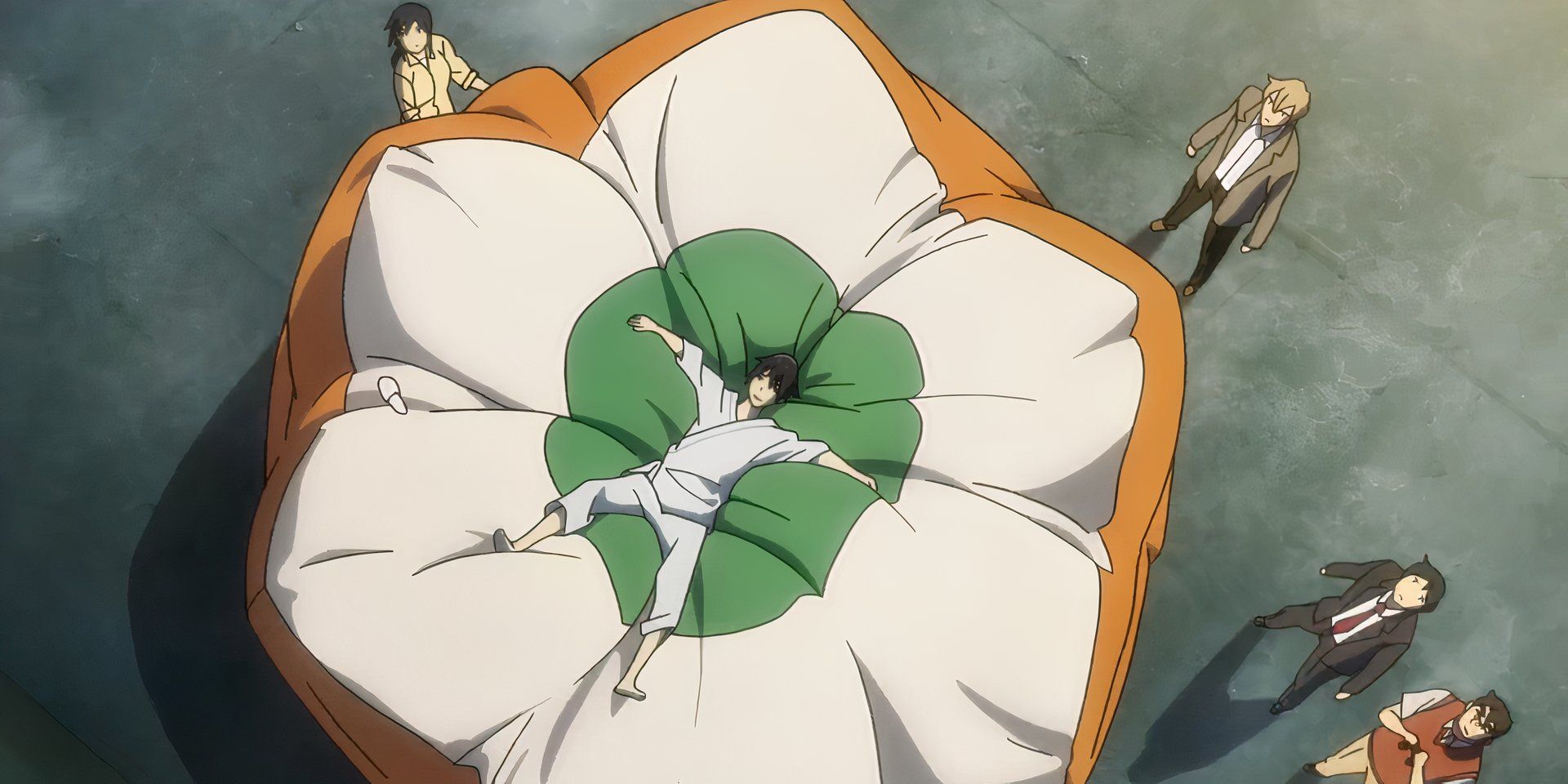
The show *Erased* captivated viewers with its skillful blend of suspense, emotional depth, and a touch of wistful remembrance. Satoru’s efforts to change the past and avoid disaster were deeply meaningful. Each episode carefully balanced tension with sensitivity, leading up to what was intended to be a satisfying conclusion. However, the finale felt overly simplistic and sentimental, falling short of the dark and intense climax many fans had anticipated.
The story took a much lighter turn, but many viewers were upset with how the romantic relationships ended. While *Erased* is still considered a heartwarming story about second chances by some, the finale left a lasting negative impression and showed how a single choice can change how a show is remembered.
Fena: Pirate Princess Sails Beautifully, Then Sinks in Its Final Episode
The anime *Fena: Pirate Princess* began very promisingly, with a beautiful art style and lovable characters. It told an exciting story about adventure, freedom, and a bit of romance and mystery. However, the plot revealed important information too quickly, and in a way that was confusing and ultimately undermined the emotional impact of the story.
The anime unexpectedly shifted from an adventurous story to a fantasy one with some sudden plot changes. The final episode felt incomplete, more like a setup for a new series than a satisfying conclusion. Fena’s decision to erase her memories didn’t feel earned or impactful. Ultimately, by trying to reveal everything at once, *Fena: Pirate Princess* ended up feeling unsatisfying and unresolved.
School Days Shocks Viewers for All the Wrong Reasons
Many anime fans consider *School Days* a prime example of a series that fell apart with its ending. It began like a typical high school romance, filled with familiar elements like awkward crushes and complicated love triangles. However, the final episode took a shockingly dark turn that no one saw coming.
I watched the finale and, while it certainly got a reaction, it wasn’t the impact the creators were probably hoping for. Instead of feeling like a natural, sad ending, it came across as a really shocking attempt to be controversial. The extreme violence and chaos just overshadowed everything the show had built up until that point. Honestly, *School Days* is a show people remember, but not for the right reasons. It really proved that a strong beginning can only take you so far if the ending completely falls apart.
Neon Genesis Evangelion Dives Into Confusion Instead of Closure
I absolutely loved how *Neon Genesis Evangelion* managed to blend epic robot battles with really deep, psychological character studies for most of its run. It totally hooked me with its complex symbolism and characters who felt so flawed and, honestly, *real*. But as it neared the end, things got… different. The last two episodes basically threw the plot out the window and dove headfirst into abstract thoughts and feelings. It wasn’t the action-packed finish anyone expected, but a really intense, internal experience.
Viewers were left confused by the fragmented scenes and strange speeches, struggling to understand what was happening. While a few people found deeper meaning in the mess, most felt completely lost. There was a sense that something important was hidden within the confusion, but it wasn’t clearly explained. The ending didn’t destroy the overall quality of *Evangelion*, but the show will likely always be known for its confusing finale.
Elfen Lied Ends With More Questions Left Unanswered
Initially, *Elfen Lied* stood out as a powerful and moving story about the impact of both brutality and human connection. While the anime was known for its intense violence, it was this very aspect that set it apart. The series seemed to be building towards a satisfying conclusion, but ultimately, the ending felt incomplete. Many questions remained unanswered, and important storylines weren’t fully resolved, leaving viewers confused and frustrated.
The emotional impact the series promised never materialized. It felt rushed, ending just as things were about to become truly meaningful, leaving viewers confused about the final scene. While *Elfen Lied* had the potential to be amazing, it prioritized mystery over providing clear answers. Ultimately, the ending didn’t feel conclusive, leaving a sense of frustration that the story hadn’t truly resolved.
Akame Ga Kill! Sacrifices Coherence for Shock Value at the End
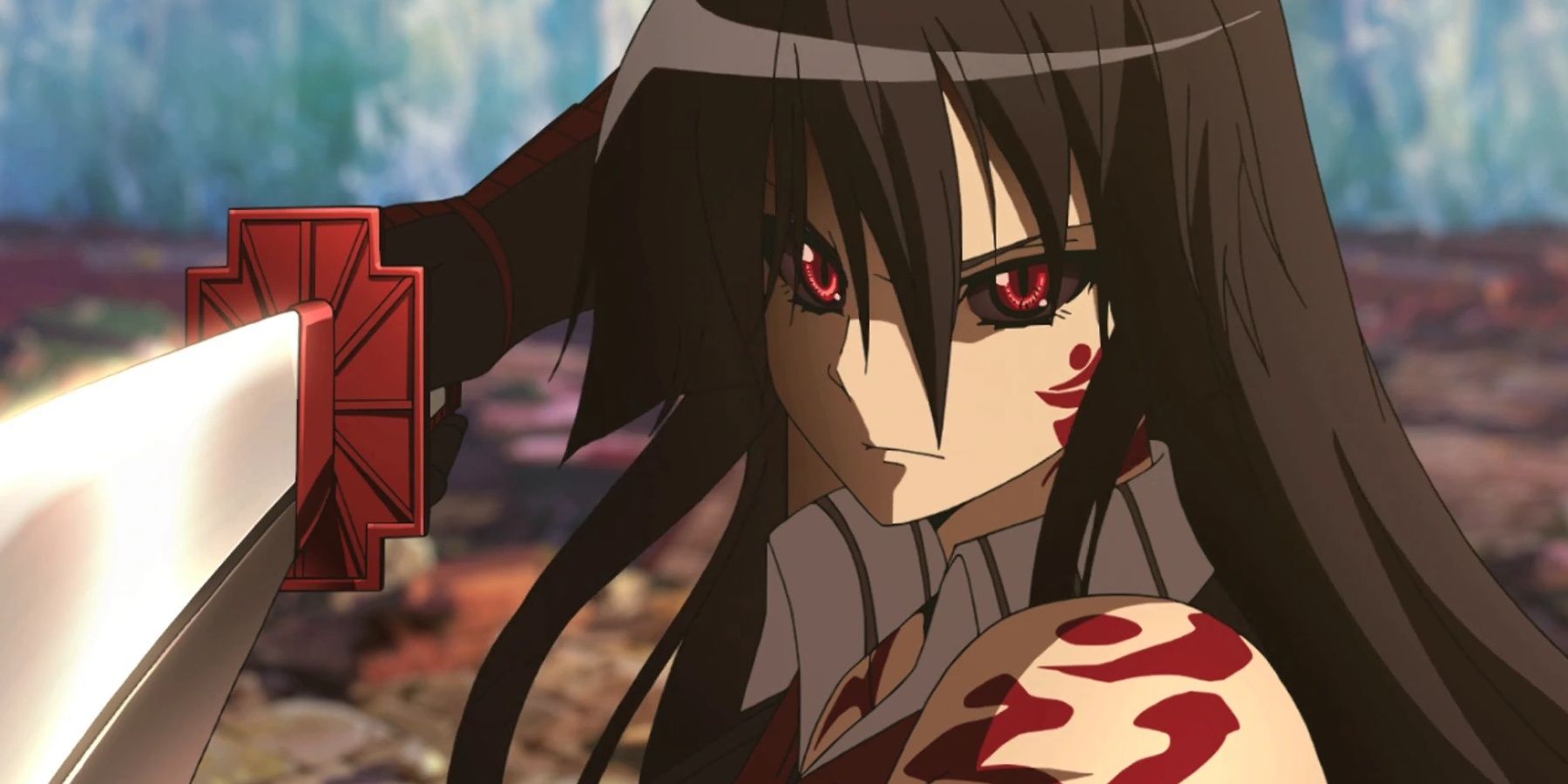
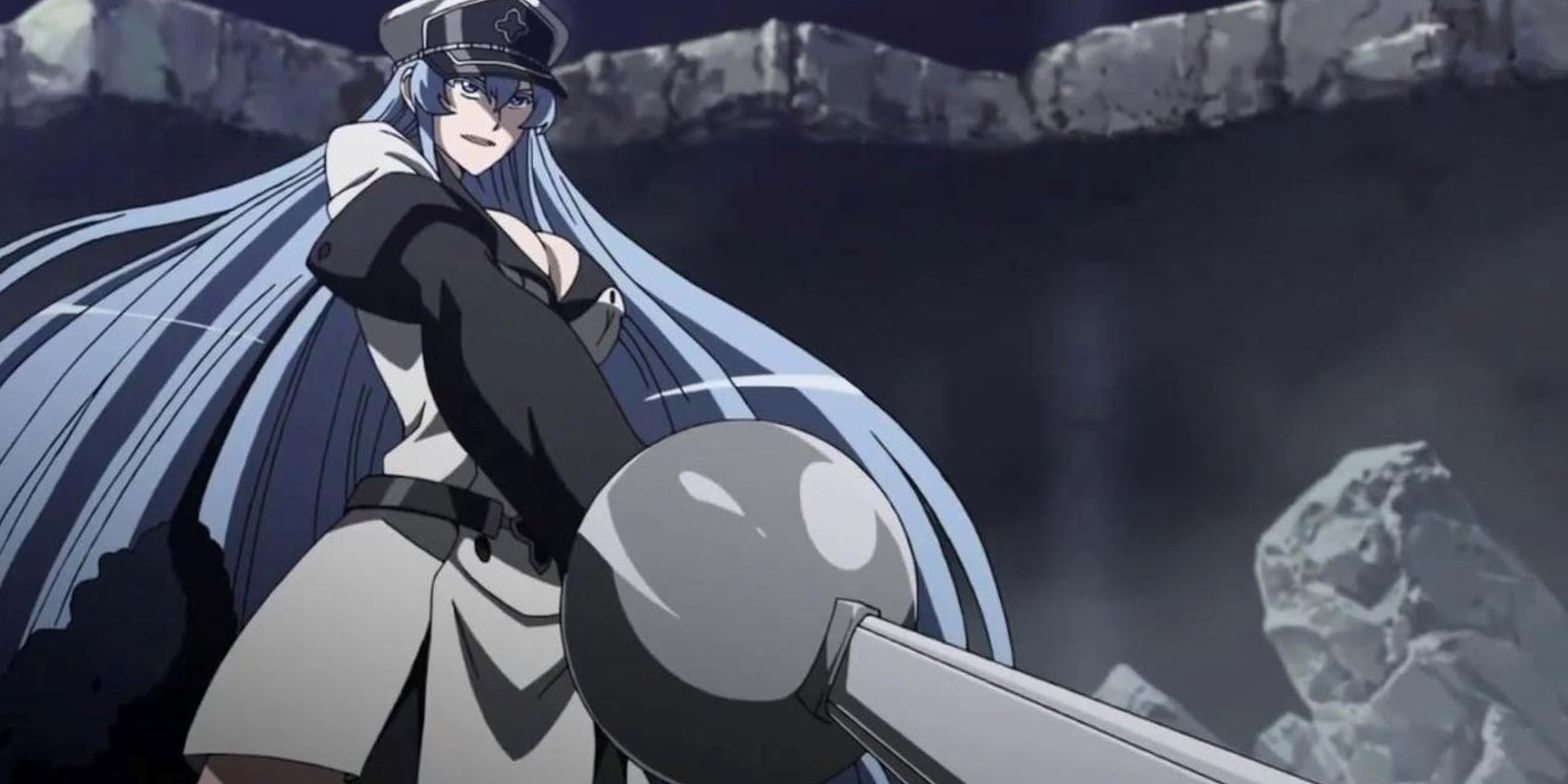
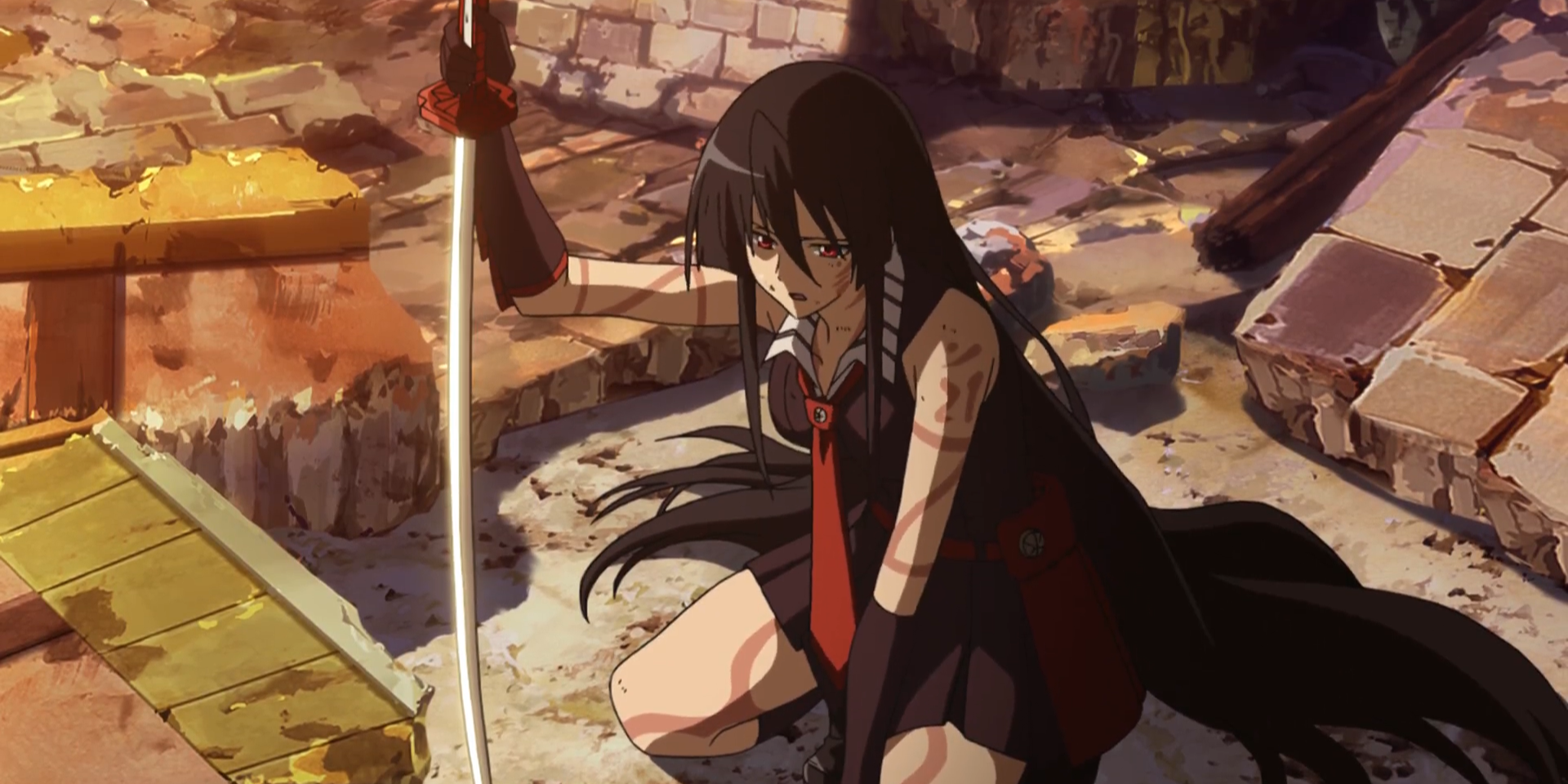
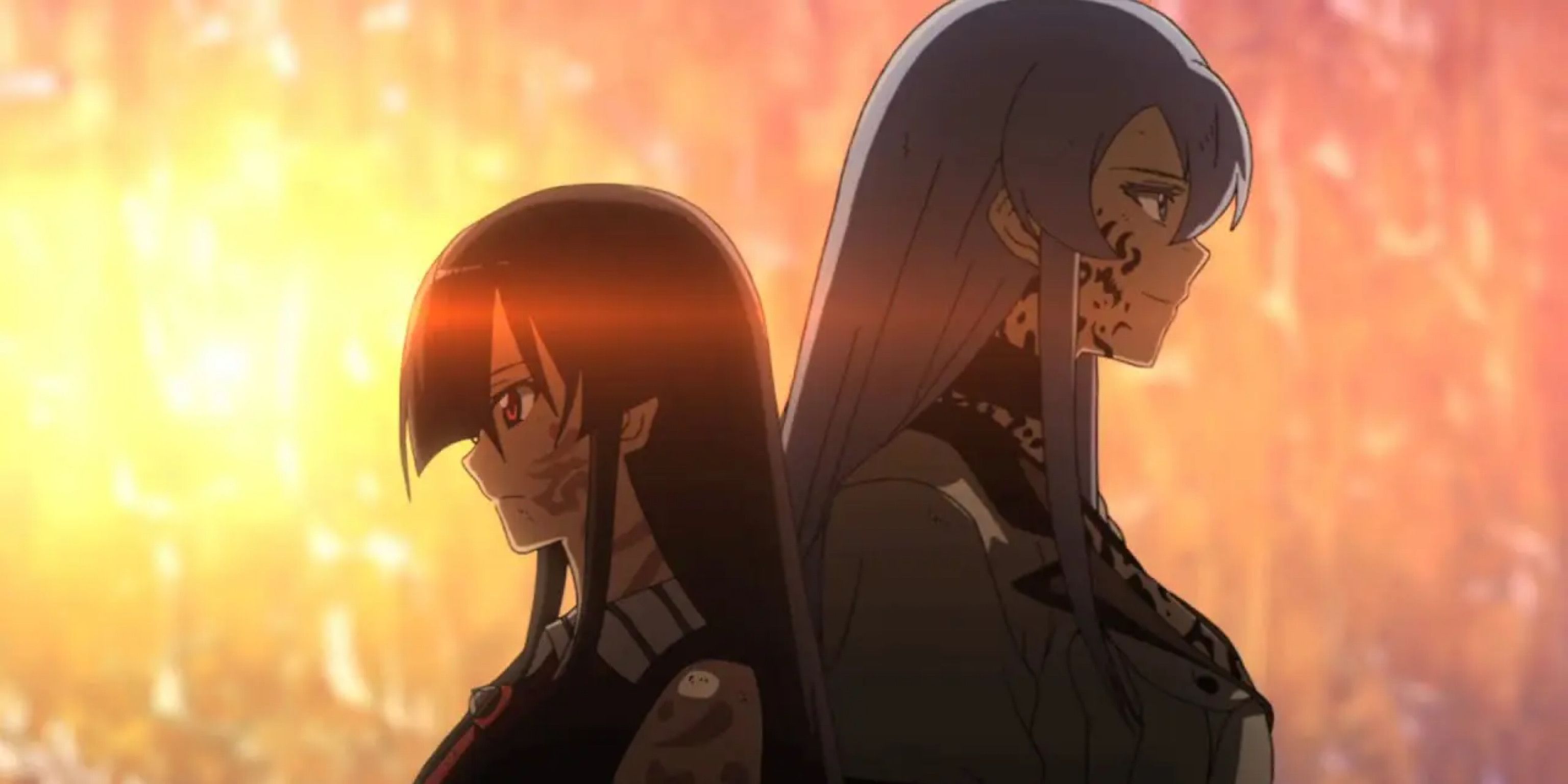
Akame ga Kill! began as a compelling dark fantasy anime, skillfully blending political intrigue with intense action. Early episodes felt impactful because consequences were realistic and character deaths had genuine emotional weight, highlighting the harsh realities of violence and fighting against the system. However, as the series neared its end, it seemed to prioritize shocking moments over meaningful storytelling. The finale became a senseless and excessive display of violence, lacking the depth and substance of what came before.
The ending felt disconnected from the rest of the story, and the plot was hurried in its final moments. Many viewers wondered how something that began with such excitement could finish so flatly.
Read More
- Mobile Legends: Bang Bang (MLBB) Sora Guide: Best Build, Emblem and Gameplay Tips
- Clash Royale Best Boss Bandit Champion decks
- Brawl Stars December 2025 Brawl Talk: Two New Brawlers, Buffie, Vault, New Skins, Game Modes, and more
- Best Hero Card Decks in Clash Royale
- All Brawl Stars Brawliday Rewards For 2025
- Best Arena 9 Decks in Clast Royale
- Clash Royale December 2025: Events, Challenges, Tournaments, and Rewards
- Call of Duty Mobile: DMZ Recon Guide: Overview, How to Play, Progression, and more
- Clash Royale Witch Evolution best decks guide
- Clash Royale Best Arena 14 Decks
2025-10-09 02:43