 1
1
It’s no surprise that documentaries have become a key battleground in the Israeli-Palestinian conflict. Filmmakers on all sides are working to share their perspectives and highlight the harsh realities of this ongoing war. And, as always in today’s world of information, understanding the context is crucial.
Canadian filmmaker Barry Avrich likely thought his new documentary, “The Road Between Us: The Ultimate Rescue” – which tells the remarkable story of a former Israeli general rescuing his family from a kibbutz under attack on October 7, 2023 – wouldn’t cause much controversy. However, it did. The Toronto International Film Festival initially included his film in its schedule, then removed it (citing issues with obtaining rights to the footage). After significant public backlash – not only from Jewish organizations – the festival reversed its decision and added the film back. Ultimately, it won the festival’s People’s Choice award.
Look, after seeing the devastating impact of Israel’s attacks on Gaza, I can already anticipate this film, Avrich’s, won’t resonate with everyone. Those seeking a straightforward story of courage and resilience – the kind often written with actors like Liam Neeson in mind – will likely find it compelling. The film smartly focuses on Noam Tibon, the grandfather, and his urgent journey to find his family, presenting “The Road Between Us” as a truly gripping action-thriller. Avrich masterfully blends detailed interviews – including a personal walkthrough of the route from Tibon himself – with raw footage sourced from Hamas bodycams, security systems, and even dashcams. It’s an immersive experience, to say the least.
Movies
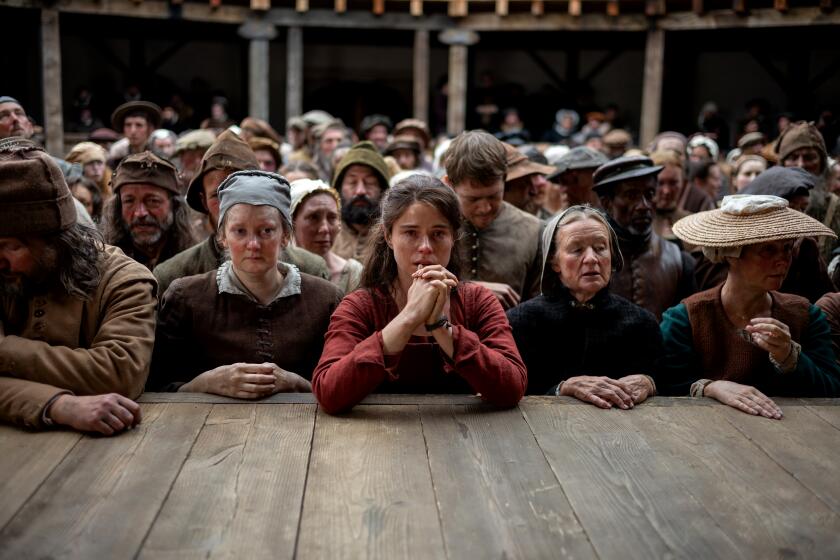
On Sunday, Chloé Zhao’s film – a story about Shakespeare writing Hamlet while dealing with the loss of his son – received the People’s Choice Award. The film stars Paul Mescal and Jessie Buckley.
On the morning of the attacks, Amir Tibon, his wife, Miri, and their two children were at their home in the Nahal Oz kibbutz, which is near the Gaza border. After hearing gunshots right outside their walls, they went to their safe room. Amir then texted his father, Noam, who was in Tel Aviv. From that point on, the story focuses on Noam – a tall and determined man – and his firsthand account. He explains that his first thought was to drive south to the kibbutz, a trip he would soon witness filled with bodies, damaged cars, and frightened people looking for safety. However, he was also surprised to find, at first, very little military presence.
Many of those interviewed – including Noam’s wife, Gali, who was with him for part of the day – were surprised by how slowly their country’s highly-regarded security forces reacted. It’s the kind of detail a film investigating a day of intense violence might examine, but Avrich’s focus on a story of individual survival means these points are left hanging, neither fully criticized nor explained. When Gali, near the end, connects Israel’s mistakes that day to a later response that feels like “revenge,” the film almost tackles the difficult underlying issues. But it doesn’t, and we’re left trying to balance a truly compelling story of one family’s experience with the wider suffering that’s happened during the two years of war that followed.
The movie essentially caters to those seeking thrills, seeming to think we aren’t interested in deeper understanding. While Avrich claims the film isn’t making a political point, details like the need for safe rooms and prison-like fences in the kibbutz go unaddressed. As a result, we get a story that lacks historical context, presented in a simplified way, focusing on a struggling neighborhood while ignoring certain people and viewpoints. The film rightfully reminds us to remember Oct. 7, but limiting the story like this feels like a reduction of a much larger tragedy.
Read More
- Mobile Legends: Bang Bang (MLBB) Sora Guide: Best Build, Emblem and Gameplay Tips
- Clash Royale Best Boss Bandit Champion decks
- Brawl Stars December 2025 Brawl Talk: Two New Brawlers, Buffie, Vault, New Skins, Game Modes, and more
- Best Hero Card Decks in Clash Royale
- All Brawl Stars Brawliday Rewards For 2025
- Best Arena 9 Decks in Clast Royale
- Clash Royale December 2025: Events, Challenges, Tournaments, and Rewards
- Call of Duty Mobile: DMZ Recon Guide: Overview, How to Play, Progression, and more
- Clash Royale Witch Evolution best decks guide
- Clash Royale Best Arena 14 Decks
2025-10-03 13:32