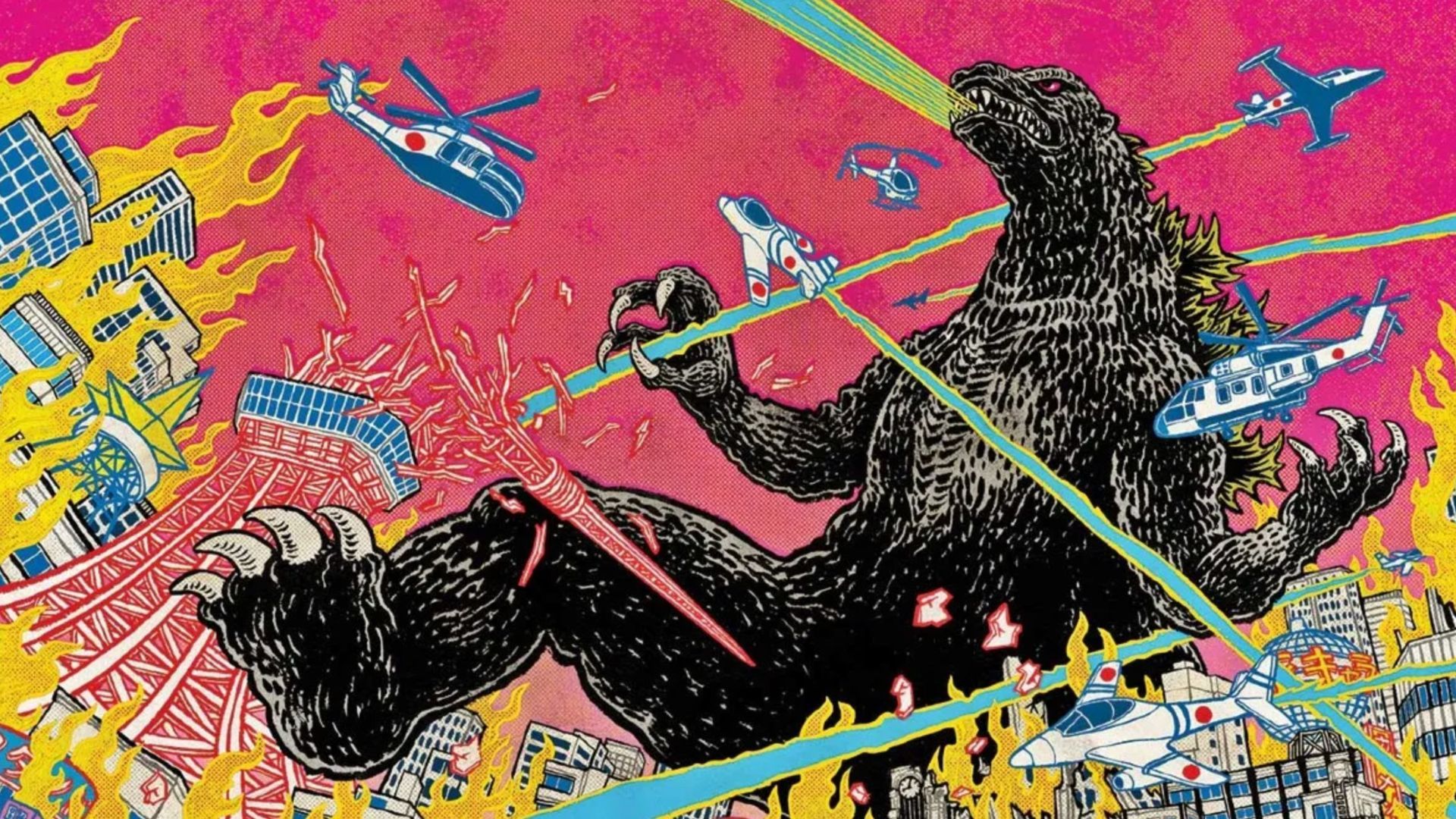
Few movie monsters are as famous and beloved as Godzilla. Since first appearing in 1954, the King of the Monsters has become a global icon, showing up in movies, comics, video games, and TV shows. Over the years, Godzilla has been portrayed in many different ways – sometimes as a frightening, destructive force, and other times as a friendly, even comical, guardian.
No matter the style or approach, Godzilla films consistently deliver chaos and destruction. Each movie, while varying in quality and impact, holds a unique spot in the history of the franchise. From the Showa to the Reiwa eras, and including the Monsterverse films from Warner Bros. and Legendary, here’s a ranking of all the Godzilla movie periods.
The Millennium Era (1999-2004)
Toho Co.
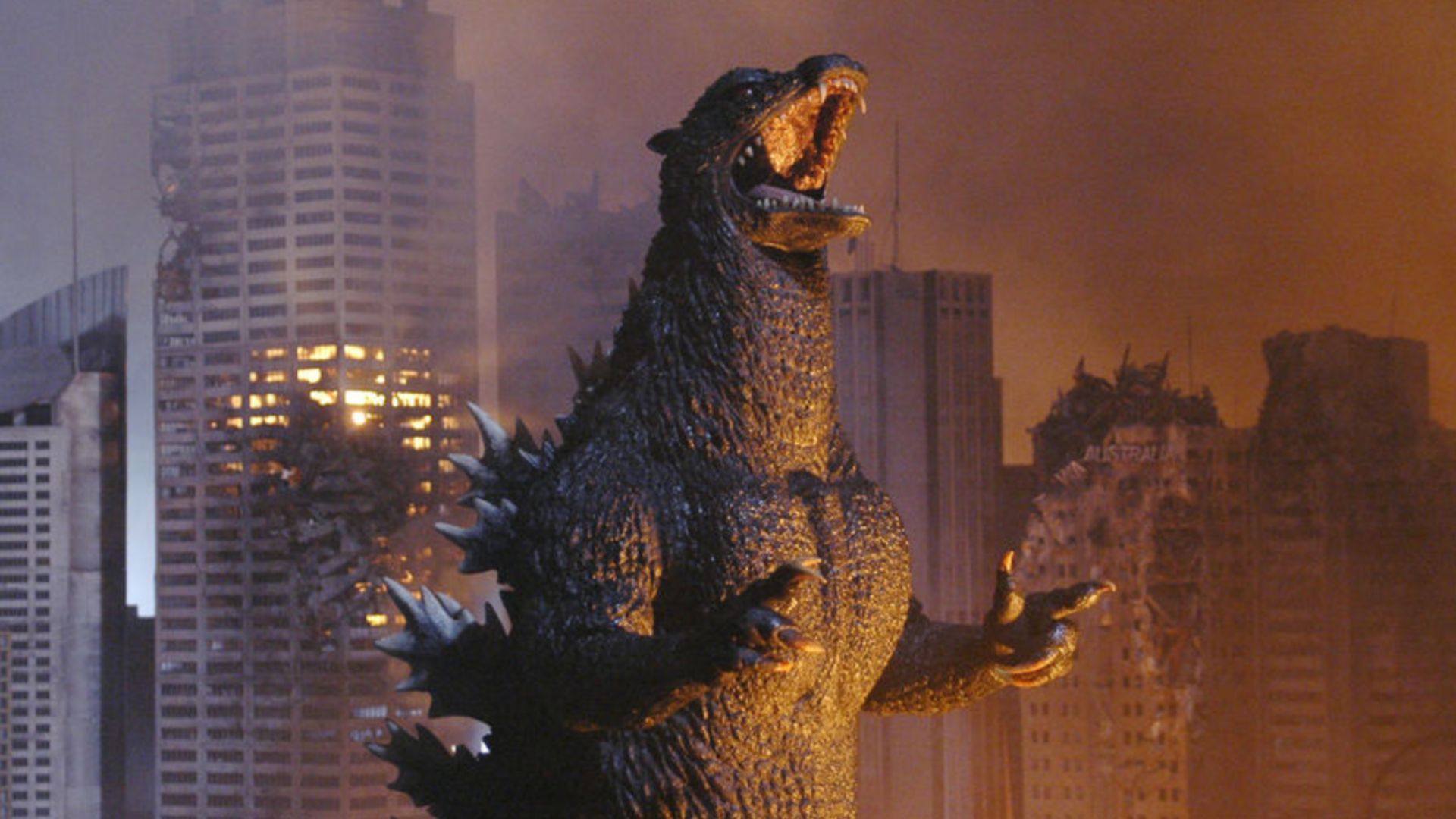
Many fans consider the early 2000s Godzilla films (known as the Millennium era) to be the weakest in the series. These movies lacked a consistent style and didn’t follow a clear storyline. This led Toho, the company behind Godzilla, to pause making films for many years. While they later teamed up with Legendary Pictures for a new Godzilla movie in North America in 2014, Toho didn’t release another Japanese Godzilla film until 2016. This long break really shows how much the Millennium era hurt the Godzilla franchise.
The Millennium series of Godzilla films, beginning with Godzilla 2000: Millennium and concluding with Godzilla: Final Wars, was initially planned as a connected trilogy. However, those plans changed, and each subsequent movie was made with a new creative team. This resulted in an uneven series – it’s generally considered the weakest of the Godzilla eras, with more disappointing entries than successful ones. Despite this, the Millennium films can still be enjoyable, particularly for viewers who love over-the-top monster battles and compelling human characters who sometimes get involved in the action themselves.
The 2001 film Godzilla, Mothra and King Ghidorah: Giant Monsters All-Out Attack feels like a return to the classic Godzilla movies of the Showa era. It brings back beloved monsters and explores serious themes, much like the original 1954 film, reflecting what was happening in Japan at the time.
The Monsterverse Films (2014-Present)
Warner Bros.
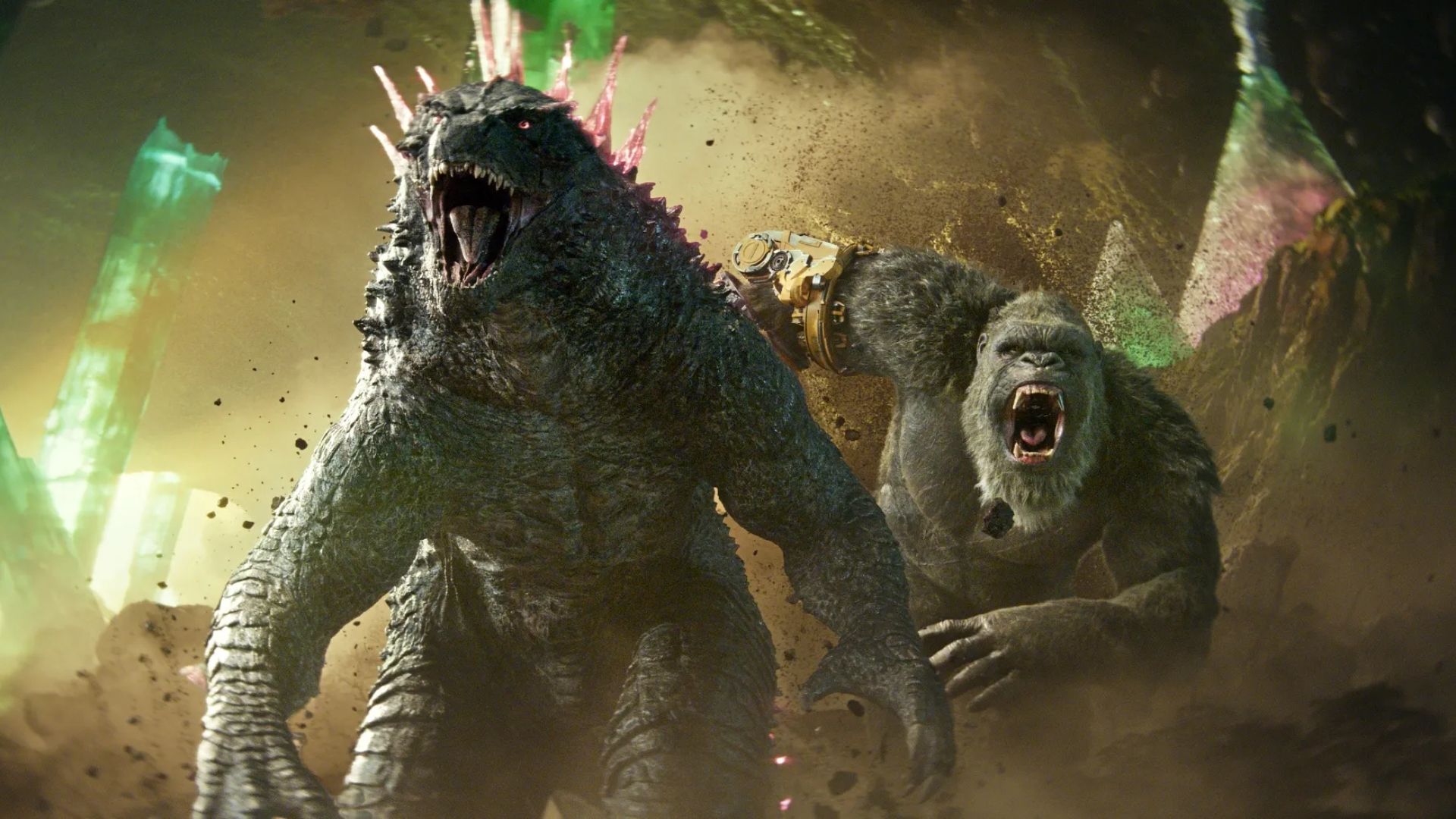
When Legendary Pictures teamed up with Toho to restart the Godzilla film series after the Millennium era ended, many fans were worried. The previous American attempt to remake Godzilla, directed by Roland Emmerich in 2000, hadn’t been successful. However, director Gareth Edwards delivered a surprisingly thoughtful and restrained take on the monster in the 2014 film Godzilla. This launched a new series of interconnected films, including Godzilla: King of the Monsters and Kong: Skull Island, leading to crossover movies – with another one currently in development.
The Monsterverse currently stands above the Millennium era of Godzilla films simply because it has fewer movies. However, Legendary’s efforts to create a connected universe of films and a TV show have been just as uneven in tone as the Millennium films. Despite this, there have been some genuinely thrilling releases – the earlier Monsterverse films were more dramatic, while later ones, like Godzilla x Kong, leaned into more over-the-top action, similar to the Showa era. The Monsterverse isn’t finished yet, with another crossover movie planned, so it’s too soon to say how it will ultimately be remembered compared to other Godzilla eras.
Edwards’ Godzilla (2014) and Wingard’s Godzilla vs. Kong (2021) clearly show how much the Monsterverse’s style has changed. The first film was more restrained and serious, while the second was a full-on, action-packed battle between massive monsters, and that shift happened in just seven years.
The Reiwa Era (2016- Present)
© Toho International / Courtesy Everett Collection
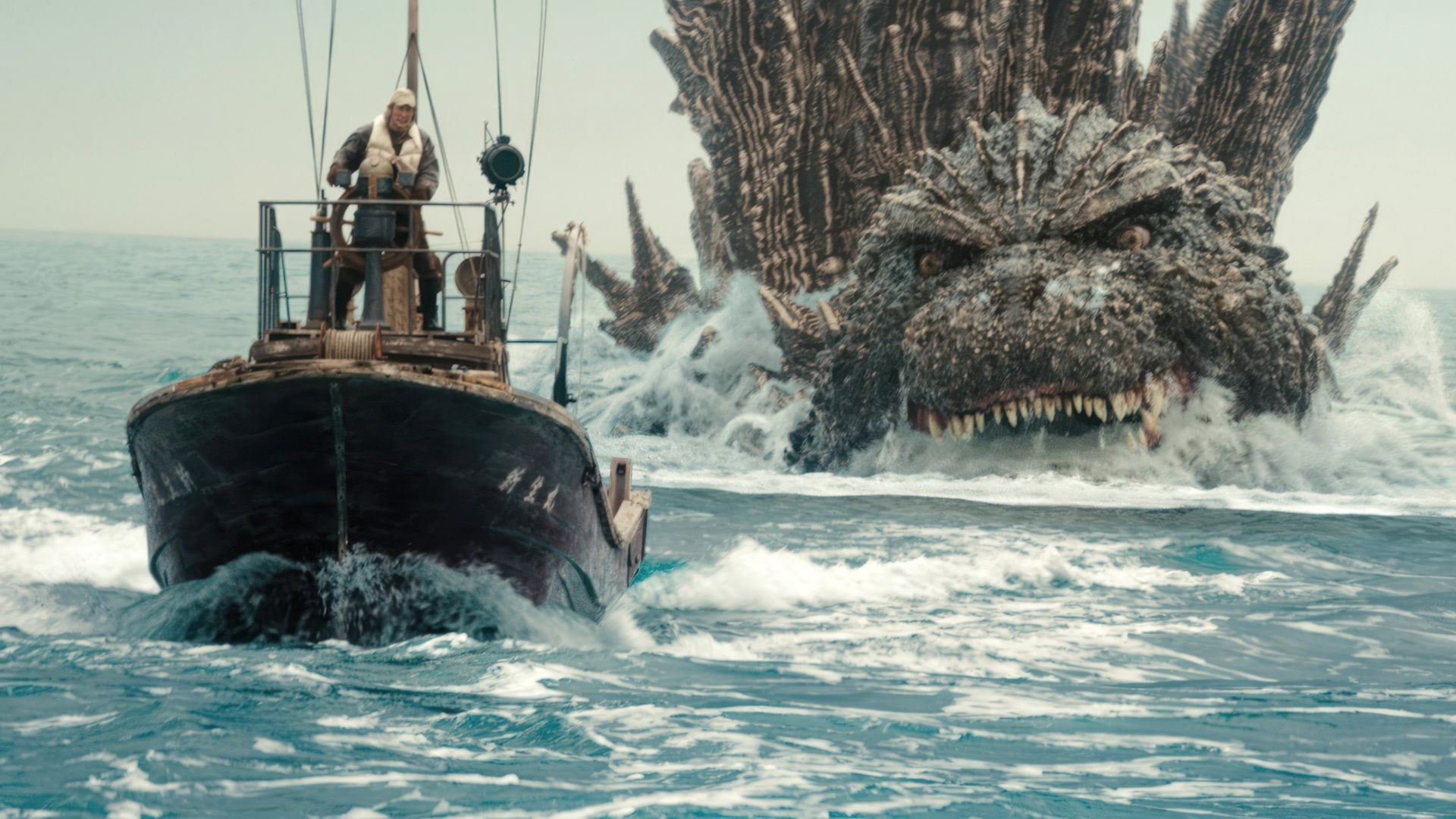
The Reiwa era is the current series of Godzilla films from Toho, starting with Shin Godzilla in 2016. Happening alongside Legendary’s Monsterverse films, it’s a great time for Kaiju fans. While the American films offer big spectacle, the Japanese Reiwa films are known for being thoughtful and challenging. Both Shin Godzilla – with its story about government failings – and Godzilla Minus One – a historical drama about a nation rebuilding after tragedy – are films with real depth, offering both entertainment and meaningful themes. The Reiwa era is defined by Godzilla movies that are as introspective as they are exciting.
The current era of Godzilla – featuring animated films on Netflix and short tributes to classic movies – feels like a perfect blend of everything that’s come before. Even though it mainly includes just two live-action films so far, it’s become one of the strongest eras for the franchise, truly celebrating the lasting appeal of the King of the Monsters.
The critically acclaimed Godzilla Minus One is widely considered a standout film, not only within the Godzilla franchise but also among all movies released in its year. With a sequel already planned, Minus One is the one film from this period that you shouldn’t miss.
The Heisei Era (1984-1995)
Toho co.
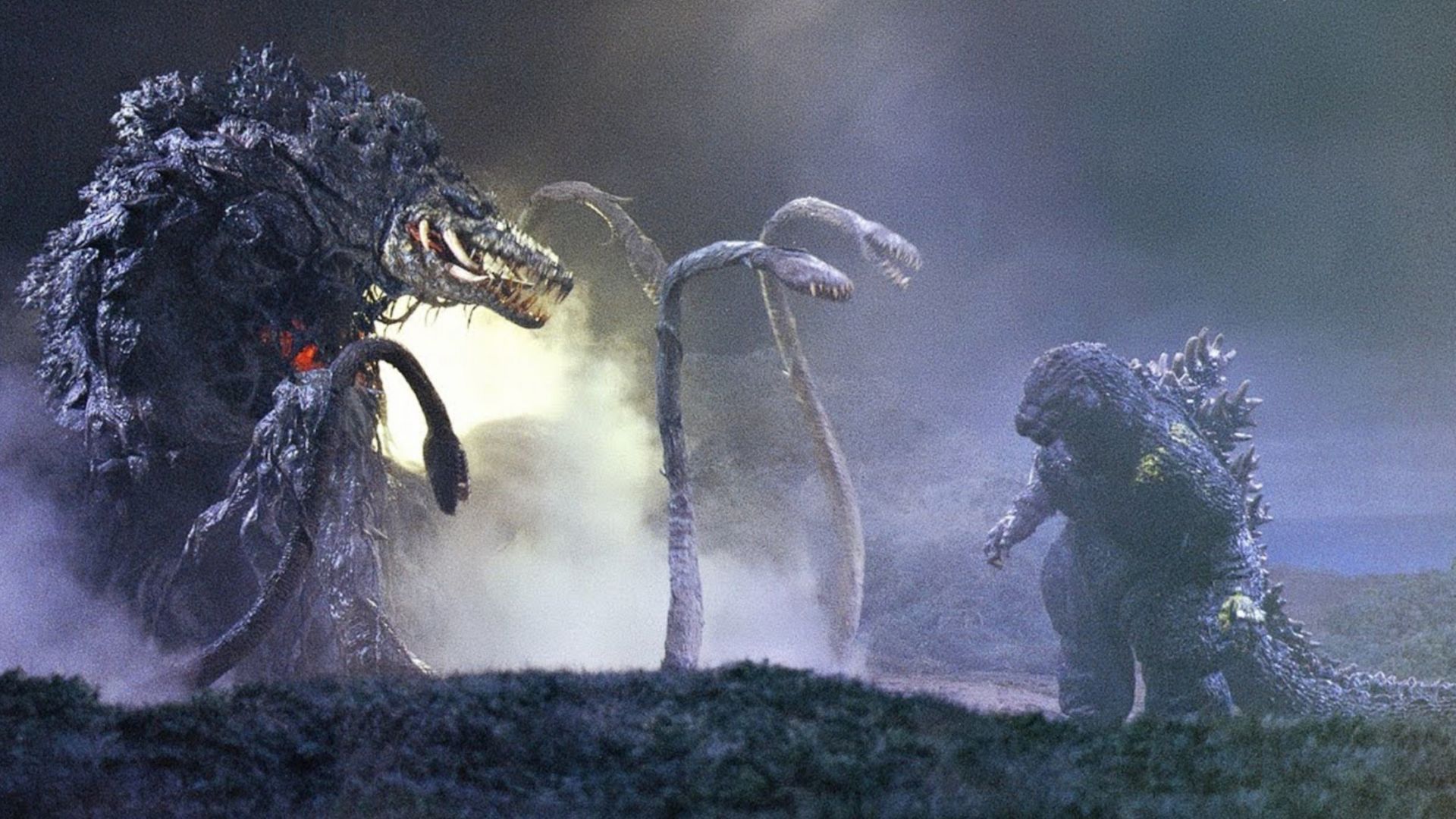
The Heisei era of Godzilla films was important because it demonstrated the franchise’s ability to adapt and grow. Unlike the Showa era, which shifted from serious themes to a more lighthearted tone, the Heisei films revisited the darker, more impactful origins of the character. Beginning with The Return of Godzilla in 1984 and concluding with Godzilla vs Destroyah in 1995, this series is notable for its strong continuity between movies. In fact, The Return of Godzilla was intentionally created as a direct sequel to the original 1954 film, signaling a return to the serious and intense style that first made Godzilla a success.
As a Godzilla fan, I have to say this latest run of films really delivers. They cleverly tie into the older Heisei-era movies, but more importantly, they pack a punch with both awesome monster action and surprisingly heartfelt themes. The finale is particularly strong – it gives Godzilla a genuinely moving send-off while smartly leaving the door open for future filmmakers to take the character in new directions. Honestly, it feels like the most thoughtful and self-aware period in Godzilla’s history, and it’s a very close second to my all-time favorite era.
Subscribe for Deeper Godzilla Era Breakdowns
Keep exploring Godzilla with the newsletter: subscribe for deep-era analyses, highlight breakdowns, curated watchlists, and expert context that illuminate Showa through Reiwa and Monsterverse entries—perfect for fans who want thoughtful kaiju coverage.
The Heisei period of Godzilla films is particularly remembered for The Return of Godzilla (1984) and Godzilla vs. Biollante (1989). These movies weren’t just great monster battles; they also featured surprisingly well-developed and interesting stories about the human characters involved – something you don’t often see in Kaiju films.
The Showa Era (1954-1975)
Toho Co., Ltd.
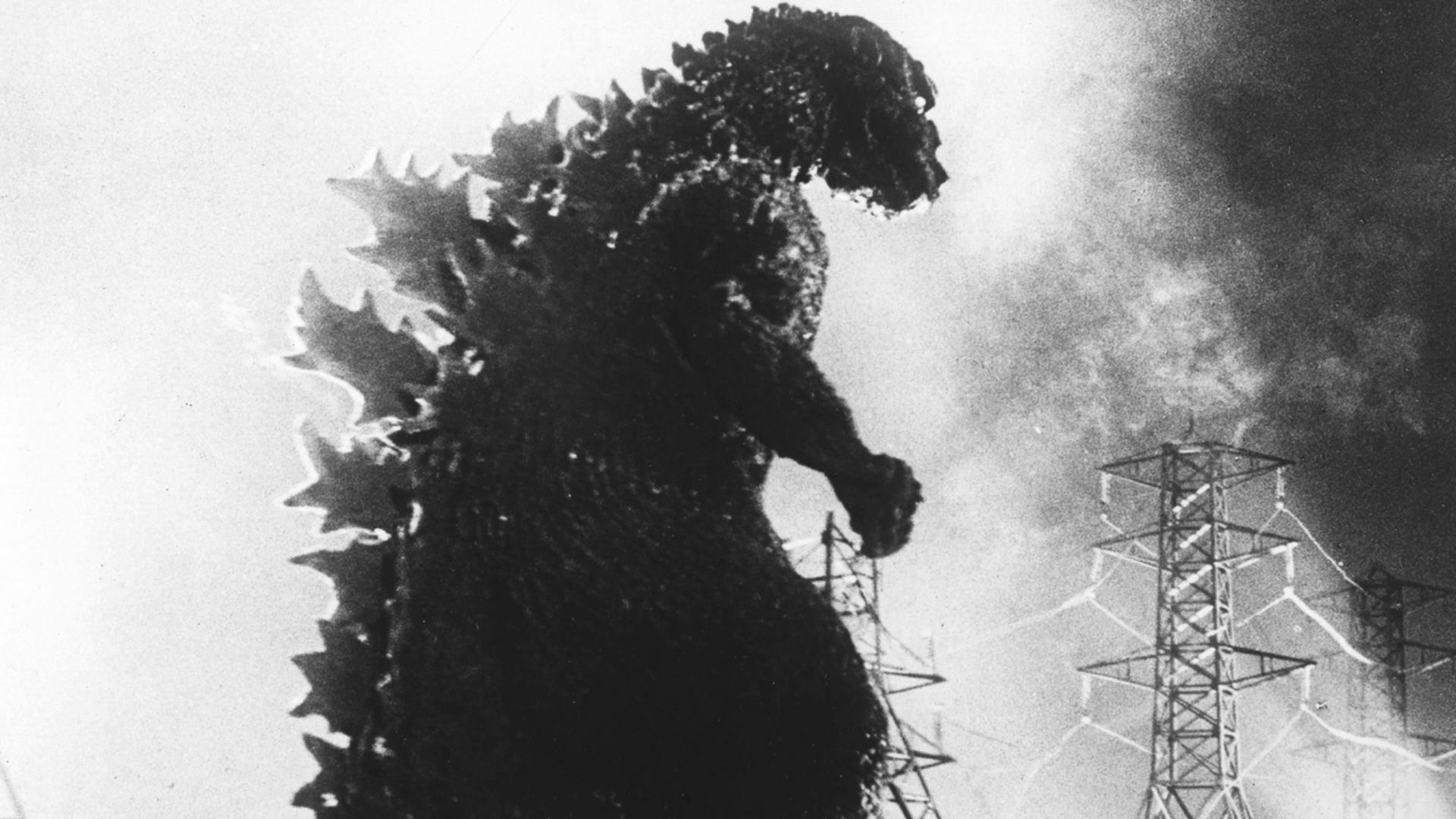
The original Godzilla films from the Showa era are arguably the best. These movies launched Godzilla’s incredible 70+ year journey and made him a global icon. Although some fans prefer the later, more focused Heisei films, the Showa series consistently delivered quality across a large number of releases. These films were especially groundbreaking for their world-building, the introduction of memorable monsters (Kaiju), and creative fight choreography. The 15 movies in the Showa era essentially laid the foundation for all Godzilla films that followed.
From the original, groundbreaking Godzilla film – which still influences reboots today – to the more lighthearted adventures that followed, the early years of Godzilla movies offer a lot to explore. This period showcases a wide range of styles and features some of the most creative monster designs, setting the stage for everything that came after.
This period is defined by groundbreaking films like the original Godzilla (1954), a must-see for any movie fan. Other classics, such as Mothra vs. Godzilla (1964), Ghidorah, the Three-Headed Monster (1964), and Godzilla vs. MechaGodzilla (1974), established many of the iconic monster relationships that continue to influence the Kaiju genre today.
2026-01-28 04:20