1976 was an incredible year for music, packed with albums that truly made a difference. While many years have seen important releases, 1976 still stands out as particularly impactful, even fifty years later.
New music genres were appearing, and rock and roll continued to evolve. Rock matured into a smoother, more adult sound, while punk became even more energetic and rebellious. Although a new wave of music challenged it, progressive rock still had a presence. At the same time, the first hints of electronic and techno music were beginning to emerge.
The year 1976 saw a wealth of groundbreaking album releases. Five albums, in particular, were especially influential, setting the stage for musical trends for years to come. Each one showcased a unique turning point in the evolution of music.
5 albums from 1976 that changed music
Ramones – Ramones
The Ramones’ first album, released in April 1976, captured the energy of their famous live shows and brought their fast, raw sound to a wider audience. This groundbreaking record inspired countless other bands and helped launch the Ramones’ career, bringing their short, energetic songs to fans across the US and internationally.
Although the Ramones released a lot of music, their albums weren’t massive commercial successes. Their influence and reputation extended far beyond record sales – they really paved the way for other bands. This album is a fantastic burst of punk energy and a great reminder of that era. Definitely give it a listen!
Boston – Boston
Okay, so this first album from Boston? It totally blew my mind – it seriously changed the game for debut albums and made me expect so much more from new artists. The craziest part? It was almost entirely made in a basement by just one guy, Tom Scholz! It became huge as soon as it dropped, which is amazing considering how it was created.
This album features loud, straightforward rock music with riffs and choruses that stick in your head. While millions love it, it’s also received its share of criticism – and you can’t expect everyone to agree! Despite its relatively simple approach, it proved what could be achieved, and it played a key role in popularizing the Adult Oriented Rock sound on the radio. It also established a high standard for first albums.
Peter Frampton – Frampton Comes Alive
This album was a major comeback for Peter Frampton, launching him back into the spotlight. While he’d previously found success with bands like the Herd and Humble Pie, this release established him as a solo star and truly highlighted his incredible guitar playing.
Live albums weren’t new – artists had been releasing them for years. Often, they felt like a formality to fulfill a record deal or a way to cut costs rather than a true artistic statement. However, Peter Frampton’s live album was a game-changer. Its popularity and incredible sound inspired other artists and audiences alike, sparking a demand for more live recordings.
When I heard Frampton Comes Alive, it felt like everyone in the music industry suddenly started thinking about how to do their own live albums. Seriously, record labels, artists, and producers were all buzzing and figuring out which of their concerts could work as a live disc. It basically kicked off a whole wave of live albums throughout the 70s and 80s – it really opened the floodgates!
David Bowie – Station To Station
David Bowie was a true innovator, constantly changing his sound and image. This 1976 album showcases his ability to seamlessly transition from earlier personas like Ziggy Stardust and Aladdin Sane into his new character, the Thin White Duke. Remarkably, this was already his tenth studio album!
With Station to Station, Bowie explored funk, post-punk, and a bit of his signature glam rock. While he’d always been unconventional, this album introduced a colder, more electronic sound, foreshadowing his future work. It served as an important transition for Bowie, paving the way for the acclaimed Berlin trilogy he would create later in the 1970s.
This album feels like a solid bridge between Bowie’s earlier work and what came next. Each song is strong on its own, and it includes several of his most famous tracks. I particularly loved three of them: “Golden Years” really showcases his disco influences, “TVC15” is pure glam rock Bowie, and “Wild Is The Wind” has a beautiful, slightly melancholic feel.
It was inspiring enough to motivate even David Bowie, and encouraged others to create their own unique work.
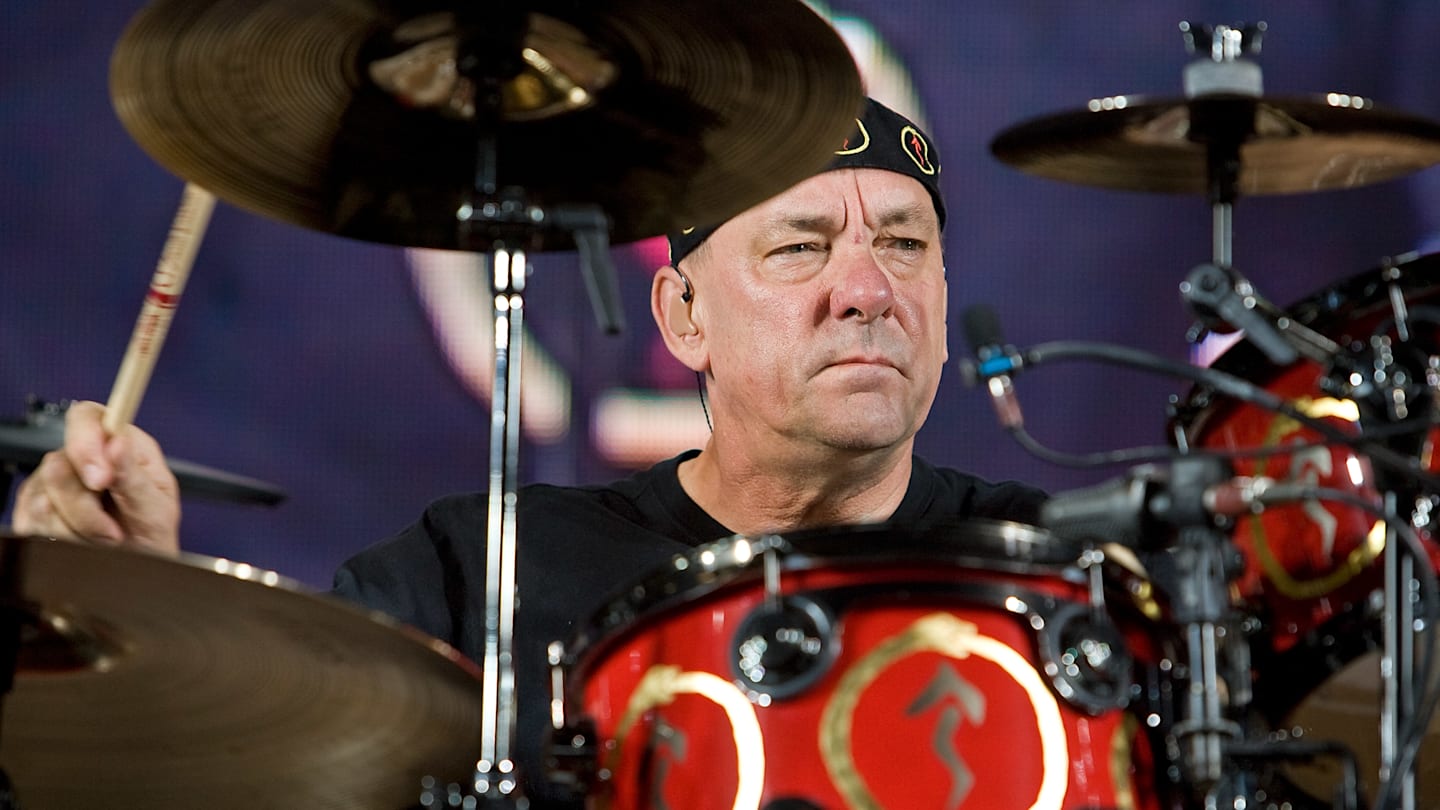
Rush – 2112
When punk rock emerged, it challenged the dominance of progressive rock, but both genres could still coexist. Despite previous albums not selling well or charting successfully in the US, Rush persevered. Their 1976 release, 2112, blended progressive elements with a heavier, more metallic sound, ultimately boosting their appeal.
With 2112, Rush achieved mainstream success – it was their fourth album and maybe their last shot at a big breakthrough. If you enjoy intricate music with incredible guitar work, powerful vocals, and grand, epic songs, this album is definitely for you.
This album definitely inspired other bands to continue playing progressive rock, and it remains a popular starting point for new fans discovering the genre.
Read More
- ‘Project Hail Mary’s Unexpected Post-Credits Scene Is Worth Sticking Around
- Beyond Accuracy: Gauging Trust in Human-AI Teams
- Gold Rate Forecast
- The most surprising Hannah Montana cameos: From John Cena to Dwayne Johnson and even a Coronation Street soap star as show celebrates its 20th anniversary
- Limbus Company 2026 Roadmap Revealed
- EMEA Masters Winter 2026 introduces official Qualifier for Esports World Cup
- Genshin Impact Version 6.5 Leaks: List of Upcoming banners, Maps, Endgame updates and more
- Brawl Stars Sands of Time Brawl Pass brings Sandstalker Lily and Sultan Cordelius sets, along with chromas and more
- Total Football free codes and how to redeem them (March 2026)
- Brawl Stars Brawl Cup Pro Pass arrives with the Dragon Crow skin and Chroma, unique cosmetics, and more rewards
2026-04-04 14:00