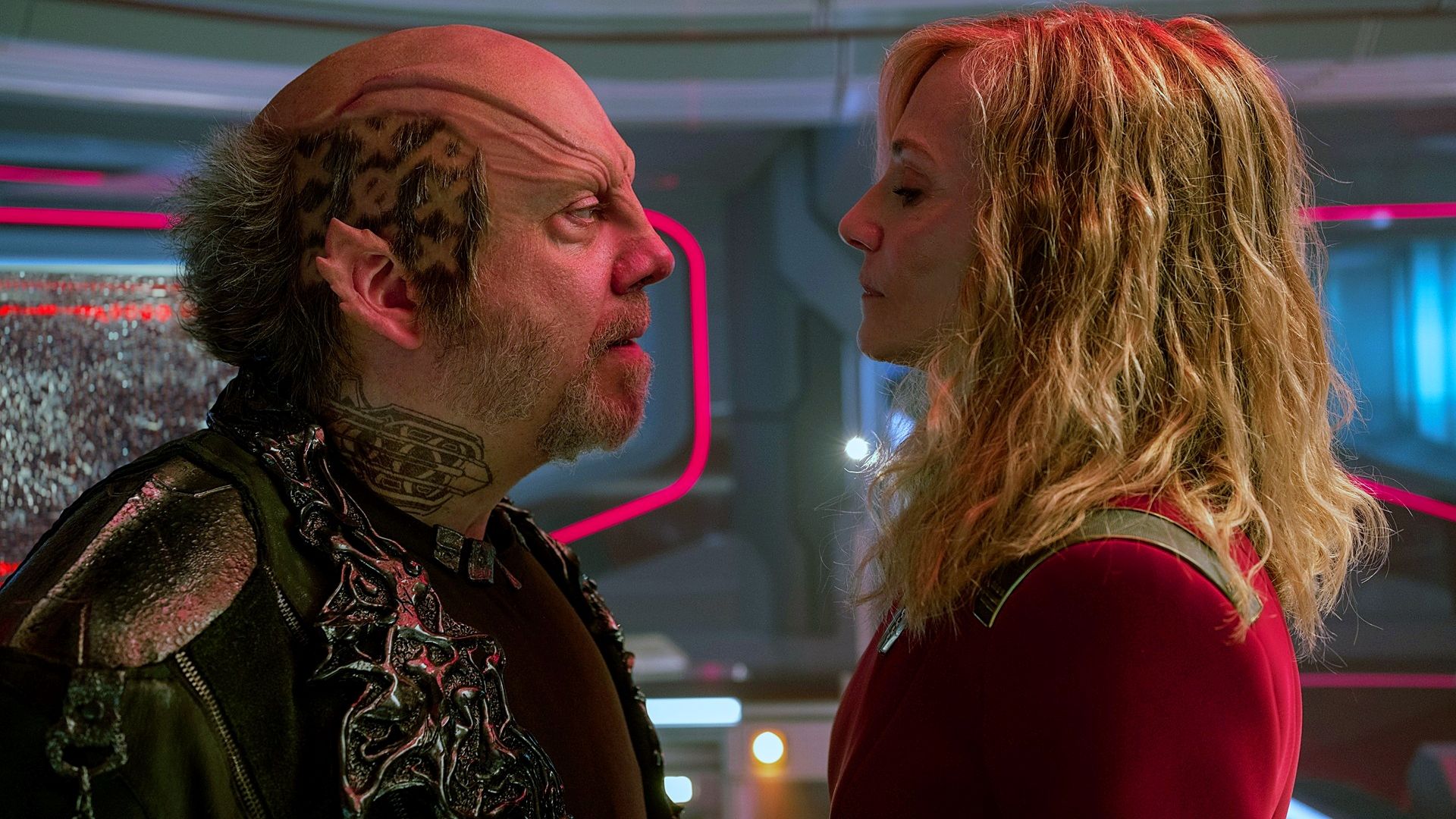
The show’s initially controversial first season ended strongly with an episode reminiscent of classic Star Trek courtroom dramas. Set over 300 years in the future, Starfleet Academy continues the story after Star Trek: Discovery, focusing on a new group of Starfleet cadets. The series, with its interesting characters, challenging ethical questions, and nods to previous Star Trek installments, successfully carried on the tradition of all the shows that came before it.
Despite a strong 87% score from critics on Rotten Tomatoes, viewers have had a more varied reaction to Star Trek: Starfleet Academy. The show, which follows young people training to join Starfleet, does include some typical teen drama, but it offers much more than that. In many ways, Starfleet Academy captures the spirit of classic Star Trek, and this is particularly noticeable in the season one finale.
Star Trek: Starfleet Academy Ended With a Tense Courtroom Drama
The season began with a look back at Caleb Mir’s childhood, showing him and his mother, Anisha, being taken into custody by the United Federation of Planets. We also saw Holly Hunter as Captain Nahla Ake overseeing their case – before she would later lead the reopened Starfleet Academy. Years later, as a young adult, Caleb dedicates the season to finding his mother, all while forging strong bonds with his fellow Starfleet cadets.
Paul Giamatti plays the season’s villain, the pirate Nus Braka, who is driven by a desire for revenge against Starfleet and the Federation. The conflict between Captain Ake and Braka is a central theme throughout the season, culminating in the episode “Rubincon.” Braka accuses the Federation of undermining democracy and argues he was never given a fair trial, putting the entire Federation on trial for its actions.
Trials have been a key part of Star Trek since the show started in the 1960s, and the episode “Rubincon” delivers a thrilling and high-stakes finale with this tradition. Nus Braka gives Caleb’s mother, Anisha, the power to decide the fate of the Federation, all while broadcasting the proceedings across the galaxy.
Anisha finds Captain Ake and Starfleet guilty, but Caleb intervenes before they can be sentenced, hoping to buy them some time. Ultimately, Ake publicly exposes Braka’s deceit, and a Federation fleet arrives just in time to defeat the pirates. The trial also provides a platform for powerful speeches, especially from Holly Hunter, Paul Giamatti, and Tatiana Maslany, who deliver particularly memorable performances.
For 60 Years, Star Trek Has Excelled at Courtroom Episodes
In the two-part episode, “The Menagerie,” Star Trek cleverly used a courtroom setting to examine different sides of what it means to be human. This episode uniquely allowed the original Star Trek series (TOS) to incorporate footage from its first, unaired pilot. It told the story of Captain Christopher Pike (played by Jeffrey Hunter), who commanded the USS Enterprise before Captain James T. Kirk (William Shatner).
Almost every Star Trek series, starting with “The Menagerie,” has featured an episode centered around a trial, including the outstanding “Ad Astra Per Aspera” from Star Trek: Strange New Worlds. These episodes perfectly showcase Star Trek’s focus on understanding what it means to be human and embody the core values of the entire franchise.
More than any other Star Trek show, Star Trek: The Next Generation frequently used the format of a courtroom drama. From the very beginning with “Encounter at Farpoint” to the finale, “All Good Things…,” the series revolved around Q (John de Lancie) essentially putting humanity on trial. Many episodes featured trial-like scenes, and later Star Trek series continued to successfully employ this style.
As a longtime Trek fan, I’ve always appreciated when the show used a courtroom setting to really dig into complex issues. Episodes like “Rules of Engagement” from Deep Space Nine, where someone had to defend their actions after destroying a ship, were fantastic. And then there was Q showing up in Voyager’s “Death Wish,” with a hearing for another Q who just wanted to be done with living. These weren’t just legal dramas; they were classic Star Trek at its best, forcing characters – and us, the audience – to grapple with really tough questions.
The Star Trek: Starfleet Academy episode “Rubincon” is a standout, much like classic Star Trek stories. It gives the actors a chance to excel and really gets to the heart of what Starfleet and the Federation stand for. It’s disappointing that the show’s second season is coming up, because episodes like this prove how engaging it can be when it draws on Star Trek’s long and impressive history.
Found an error? Send it so it can be corrected.
2026-04-02 01:12