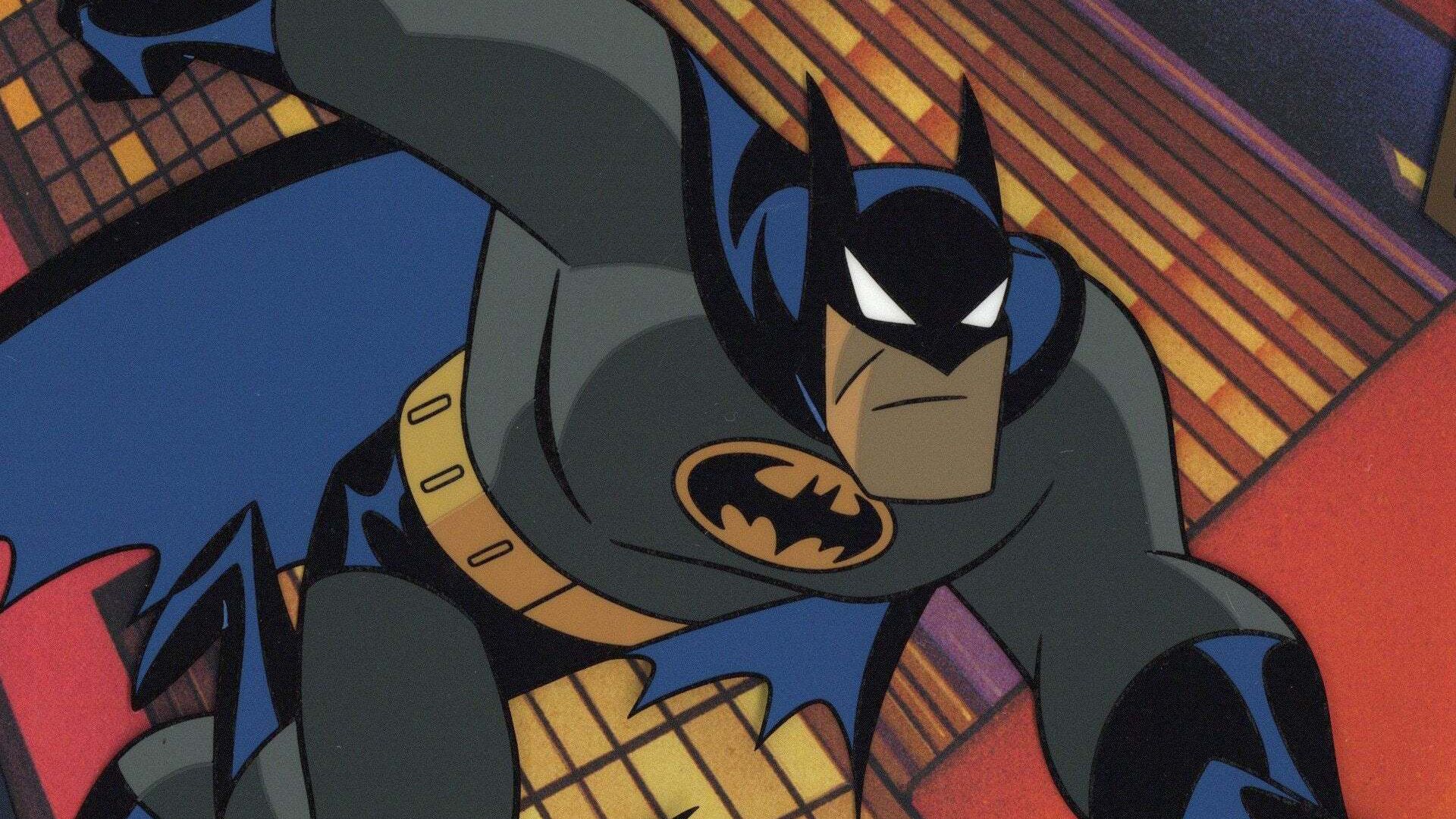
The 1989 live-action movie was a turning point for superhero adaptations. It introduced the character to a whole new generation and launched the popular DC Animated Universe. Its mature and complex storytelling revolutionized superhero cartoons, inspiring many similar shows with mixed results.
Lots of superhero cartoons tried to capture the magic of Batman: The Animated Series, but they often fell short. Some were largely unknown and didn’t make much of an impression, while others even featured Batman himself but still couldn’t live up to the original.
Cybersix was Based on a Somewhat Obscure Latin Comic
First shown in 1999, Cybersix was inspired by an Argentinian comic and had a very distinct visual style. It’s a science fiction story with a dark, gritty feel, centering around a female android battling the person who made her. With its story and art, it feels similar to cyberpunk anime or even the MTV show Aeon Flux.
As a big animation fan, I always felt the show had a really distinctive, brooding atmosphere – something you really only started seeing after Batman: The Animated Series set a new standard. It’s a shame it didn’t last, though. Cybersix was visually stunning, with incredibly detailed animation, but unfortunately, all that quality came at a huge cost, and the show only ran for one season.
The show didn’t perform well in ratings, particularly in the United States, so moderate success wasn’t very impressive considering how little-known the source material was. The story was actually simplified from the original comic, which may have disappointed longtime fans. Ultimately, it didn’t compare to the show that inspired it.
Phantom 2040 was the Pulp Hero’s Best Adaptation
Phantom 2040 was a French animated series based on the classic Phantom comic. However, it reimagined the story in a gritty, futuristic world controlled by powerful and dishonest companies. Kit Walker, Jr. reluctantly takes on the role of the Phantom and must protect a vital green space that could save humanity.
The show featured distinctive designs by Peter Chung, the artist behind Aeon Flux, and a voice cast that included Margot Kidder, known for her role as Superman‘s Lois Lane. While Phantom 2040 didn’t receive much attention at the time, it was remarkably progressive, offering complex, serious, and sometimes dark stories for a younger audience.
This show can be seen as a forerunner to the popular Batman Beyond, a futuristic take on the classic hero. However, its complex storyline likely wasn’t a good fit for its intended audience, which is why it didn’t gain much traction and ultimately failed to boost the Phantom’s popularity in the 1990s.
Gargoyles was Always a Batman Wannabe
The series was a bit unusual for Disney, as it had a noticeably dark atmosphere. It blended contemporary settings with magic, Celtic legends, and a mysterious vibe, clearly influenced by the success of Batman: The Animated Series. However, this darker approach didn’t always add much substance beyond what was typical for cartoons of that era, particularly in the last season.
The show’s finale confirmed it prioritized style over meaningful content. Although the transition to The New Batman Adventures brought a new look and character designs, the overall DC Animated Universe continued to deliver strong stories. However, The Goliath Chronicles represented a significant decline in quality.
The show shifted to a noticeably brighter and more comedic style to align with other Disney content, but this unfortunately damaged its established reputation. Unlike the successful adaptation of Batman, this season didn’t quite succeed, and some fans even consider it non-canonical. Ultimately, Todd McFarlane’s Spawn remains a superior, genuinely mature animated series, especially with Keith David’s fantastic voice acting.
Beware the Batman was the First Batman Cartoon That No One Cared About
Beware the Batman was the third Batman animated series to follow the movies, and it didn’t receive much attention. While previous shows like Batman: The Brave and the Bold were lighthearted and featured team-ups with other heroes, this series aimed for a more realistic feel and used a modern, CGI animation style. Some viewers didn’t like the CGI, and the fact that another Batman cartoon was created when other DC characters were being ignored also contributed to its lack of popularity.
Adding Katana from the Outsiders as Batman’s partner felt like a missed opportunity, especially since it meant excluding characters already established in the Batman universe. The show tried to use lesser-known Batman villains, but they didn’t work well in familiar roles – Magpie and Anarky felt like weak imitations of Catwoman and the Joker. Ultimately, Beware the Batman failed to gain traction, with low ratings and poor toy sales, and even Batman couldn’t save it from being a disappointment.
The network was moving away from action-packed cartoons and focusing only on comedies, which meant the show didn’t really fit their new direction after its first season. Because of this, it never got a chance to continue or expand into a larger animated world, and it’s largely remembered as the Batman cartoon that few people saw.
Batman: Caped Crusader was the Biggest Waste of Potential
Inspired by the classic Batman comics, Batman: Caped Crusader brought together a talented team of creators who were expected to deliver a popular series. Led by Bruce Timm, the showrunner of Batman: The Animated Series, and comic book writer Ed Brubaker, this animated series was designed as a nostalgic throwback for fans who grew up with the original DCAU cartoon.
Unfortunately, the show turned out to be fairly uninspired and lacked energy, failing to appeal to its mature audience or break new ground. It hasn’t even been renewed for a second season, and most viewers aren’t demanding more of this easily forgettable Amazon Prime Video animated series. Despite clearly aiming for the quality of shows popular during the ‘prestige TV’ era, it fell short. While the series updated some characters’ ethnicities, genders, and sexualities, these changes didn’t make a significant impact, especially considering how meaningful they could have been given the historical setting.
The biggest problem with the series is that Batman often feels secondary, with the story focusing instead on less compelling versions of Barbara Gordon and Harvey Dent. Although critics generally had a positive reaction, the show didn’t generate much excitement and ultimately felt disappointing. What’s particularly odd is that despite looking like it was inspired by older comics, it didn’t stay true to their original stories, making the whole thing feel pointless.
Found an error? Send it so it can be corrected.
2026-03-30 22:09