Every decade brings a huge number of new anime series, exploring countless different stories. However, a few key themes or styles usually come to define each era. The 2000s were a particularly interesting period for anime, as creators started experimenting with new ideas and pushing the boundaries of what the medium could be.
Taking creative risks often leads to great rewards, and this was especially true in the 2000s, which saw the emergence of now-classic anime series like Paranoia Agent, Baccano!, Gurren Lagann, Bleach, and Monster. While the decade produced many beloved and enduring anime, some shows haven’t aged well and can be difficult to revisit as an adult.
Lucky Star’s Hollow Humor Loses Its Charm Fast
Lucky Star immediately grabs your attention with its fast-paced, energetic style, feeling like a constant rush of thoughts. It’s charming and fun for younger viewers, especially as an introduction to this type of anime. But as you get older, the show’s lack of a clear direction can become frustrating.
Watching Lucky Star, I noticed it really leans into everyday life and silliness, but even within that, there are moments where you feel like the characters are growing, even if not much actually happens. However, if you really start to pick it apart, it doesn’t hold up as well. It relies a lot on just letting things happen without much of a plot, and while it’s often funny, the jokes sometimes feel a bit easy and repetitive. Plus, it throws in a lot of anime references, but they don’t always add much to the story.
Shaman King Clumsily Sleepwalks Through Battle Shonen Stereotypes
Following the popular English dubs of Dragon Ball Z and One Piece, there was increased interest in bringing other action-packed anime series to English-speaking audiences in the 2000s. Shaman King was one such series, licensed by 4Kids Entertainment and even promoted with a video game. The anime centers on a relaxed young man training to become a shaman, battling other powerful magic users in a quest to become the Shaman King.
If you’re new to action-packed anime with big fights, Shaman King can be a good starting point. However, it feels pretty standard when watched as an adult. While 64 episodes isn’t overly long, it can become a bit of a drag. Luckily, the 2021 Shaman King reboot improves on the original, offering a better mix of story, action, and character growth.
Elfen Lied Feels Like a Kid’s Interpretation of a Mature Anime
Despite only having 13 episodes, the 2004 anime Elfen Lied tells a haunting story that viewers won’t soon forget. The series centers around Lucy, a mutant with telekinetic abilities who has lost her memory. After escaping from a government facility, she’s taken in by two college students, Kouta and his cousin, who attempt to help her recover her lost memories and shield her from a hidden danger.
Title
—Clues
—
While Elfen Lied touches on interesting concepts, its impact is ultimately undermined by excessive attempts at being shocking. The series builds to a bleak conclusion that portrays humanity as inherently evil, and many of its supposedly profound themes feel immature upon closer examination and don’t age well.
Vampire Knight’s Star-Crossed Supernatural Romance Is Too Trope
Released in 2008, Vampire Knight is a 26-episode anime series blending dark fantasy and romance, popular with young viewers. The story centers on Yuki Cross, a human girl who develops feelings for Kaname Kuran, a vampire, creating a dramatic and somewhat predictable conflict. Things get even more complicated when Yuki’s friend, Zero, also becomes a vampire, leading to a challenging love triangle.
Vampire Knight is an enjoyable, over-the-top series that fully embraces classic melodramatic tropes. It’s the kind of supernatural romance that really appeals to young adults. However, revisiting it as an adult is a bit awkward, and its flaws become much more noticeable, similar to how people feel about Twilight.
Dragon Ball Z Kai Loses The Story’s Heart & Personality
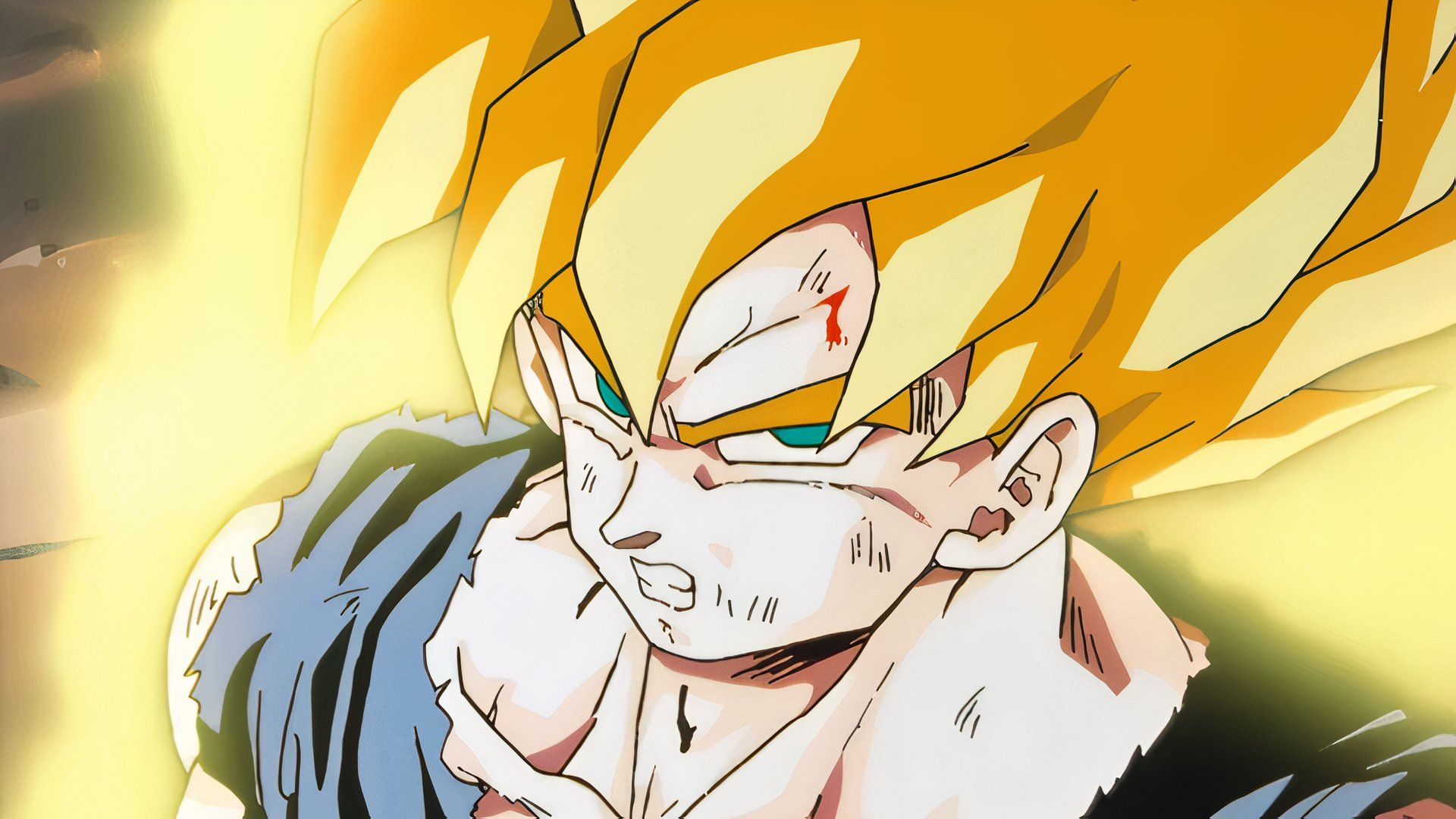
It’s common for popular, lengthy anime series to be re-released in shorter, more focused versions. A good example is Dragon Ball Z, which originally had 291 episodes. Dragon Ball Z Kai cut that down to 167, making it faster-paced and removing unnecessary scenes. However, some fans feel this streamlining also takes away from the original series’ charm and personality.
It felt strange that many younger fans watched Dragon Ball Z Kai simply because a new Dragon Ball series wasn’t available. Looking back now, it’s clear the show is more in line with the cynical tastes of the 2000s and doesn’t quite capture the energetic spirit of the original Dragon Ball Z from the 1990s.
School Days Gets Lost in a Toxic Love Triangle With Radical Results
At first glance, School Days seems like a typical high school romance, but it quickly reveals a dark and unsettling story filled with manipulation, deceit, and intense violence. The story of Makoto, who successfully pursues his crush only to face terrible repercussions, feels like a harsh and critical take on the usual romantic tropes.
Watching something like School Days can be particularly impactful on a child, who might not recognize the harmful ideas hidden within the story. While it could simply shock a young viewer, an adult is more likely to see the manipulative writing and how unfairly the characters are treated.
InuYasha’s Story Completely Fumbles an Interesting Universe
While still successful, Rumiko Takahashi’s InuYasha doesn’t quite reach the same level as her most famous works, such as Urusei Yatsura, Maison Ikkoku, and Ranma ½. InuYasha gained widespread popularity in the 2000s, largely thanks to being featured on Cartoon Network’s Toonami. The series has a compelling premise that utilizes common tropes from the ‘isekai’ genre – stories about being transported to another world.
Fifteen-year-old Kagome is suddenly transported to feudal Japan, where she meets Inuyasha, a half-demon, and becomes involved in his search for the shattered Shikon Jewel. While the anime InuYasha starts with a strong idea and a developing romance between the main characters, these elements aren’t enough to sustain its 193 episodes. The 2021 sequel series, Yashahime: Princess Half-Demon, highlighted the same issues with slow pacing and storytelling that plagued the original.
Love Hina’s Humorous Harem Hijinks Quickly Wear Out Their Welcome
Ken Akamatsu’s Love Hina is a classic harem romance known for its well-developed and realistic characters, explored across 14 volumes. While the anime adaptation of Love Hina isn’t quite as refined, it’s not surprising that it found it difficult to capture the same depth of romantic feeling in just 24 episodes.
Watching Love Hina, I found the story itself wasn’t the main point. Like a lot of harem anime, it felt like the plot was just a way to put the clumsy Keitaro around a group of beautiful women. When I was younger, I enjoyed that a lot, but looking back now as an adult, Love Hina doesn’t really offer anything new or different. It’s a shame, because the original manga was so well-regarded, but the anime adaptation just didn’t live up to its potential and ended up feeling forgettable.
K-On!’s Unstructured Silliness Is Too Cute For Its Own Good
I’ve noticed a lot of anime really focus on the strength of friendship and how music helps characters open up. K-on! fits right in with that trend. It’s a sweet and simple comedy that follows five high school girls who become close friends through their school’s music club.
K-on! is very appealing to younger viewers, especially because of its upbeat and fun portrayal of friendship. However, if you’re looking for a complex plot or strong storyline, you might not enjoy it. This anime is best enjoyed casually, as a relaxing way to pass the time. It tends to divide opinions, particularly between different age groups, with some adults considering it overhyped.
Mobile Suit Gundam SEED Destiny Is a Discouraging Sequel With Bad Writing
Mobile Suit Gundam is a hugely influential series that has defined the mecha genre in anime for over fifty years. While the 2000s presented some challenges for the franchise, Gundam’s popularity in North America grew thanks to the success of Gundam Wing on Toonami. Mobile Suit Gundam SEED offered a fresh take on the series for that era, but its follow-up, Gundam SEED Destiny, didn’t live up to expectations.
While a new Gundam series like SEED Destiny can be exciting for fans, it unfortunately falls short due to its main character, Shinn Asuka, and a story that relies too heavily on flashbacks and overly dramatic moments. Viewers familiar with the original Gundam SEED will likely notice that SEED Destiny diminishes the impact of its predecessor with uneven character arcs and a disappointing conclusion.
Found an error? Send it so it can be corrected.
2026-03-28 04:40