A disappointing ending can be far more damaging to a show’s reputation than a weak beginning. When a series spends years earning the loyalty of its audience, each well-developed storyline, satisfying conclusion, and nuanced character moment creates high hopes for the finale. That’s why a flawed final season feels like a betrayal. Fans aren’t simply upset about a few bad episodes; they feel like the show lost sight of what made it great in the first place.
Many anime series start strong, feeling almost amazing, but unfortunately stumble towards the end. While some completely fall apart, others just become controversial. The common issue is that after a promising run, the final season often suffers from rushed storytelling, unclear ideas, or a loss of emotional impact.
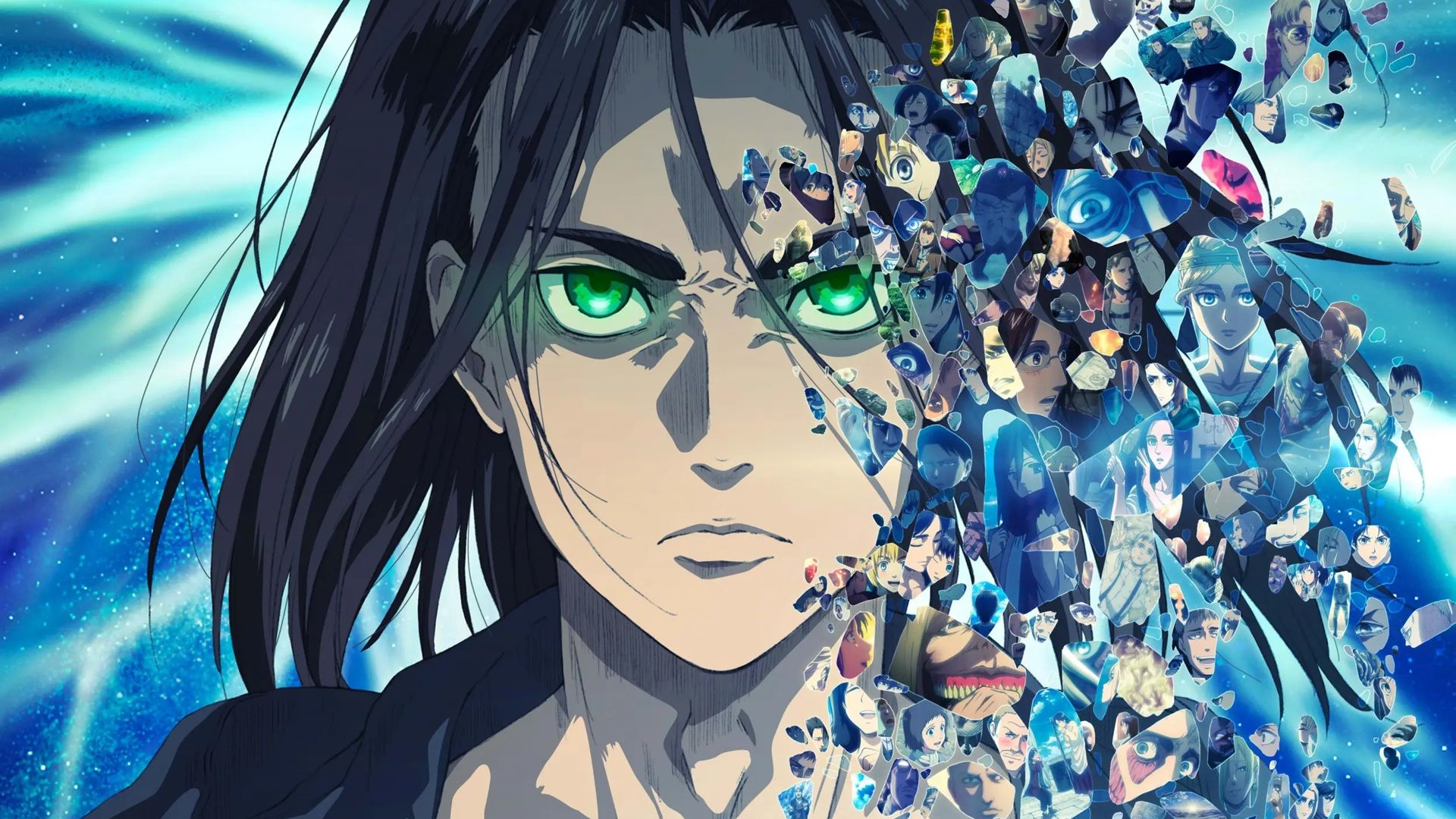
Attack on Titan’s Final Season Turned a Near-Perfect Anime Into a Permanent Argument
Attack on Titan is a truly impressive and fast-paced modern anime classic. While many viewers enjoyed The Final Season, it wasn’t perfect. Technically, the show still excels, maintaining its grand scope, engaging political themes, and striving for a bold conclusion.
The show wasn’t lacking in vision or scope; the core issue was the ending. It took a previously well-crafted story and sparked endless debate about what the characters were doing, the show’s overall message, and whether the conclusion felt earned. While some still defend the finale, even they acknowledge it deeply divided fans. This didn’t ruin Attack on Titan‘s quality, but it did mark the end of its universally acclaimed status.
BEASTARS Lost Its Sharpest Instincts In the Final Season
Early on, BEASTARS stood out because of its careful and deliberate approach. Beyond its unique animal setting, the show offered a compelling and insightful drama exploring themes of identity, hidden feelings, violence, and desire. Legoshi’s inner struggles gave the series a powerful and unusual intensity, and the first two seasons skillfully combined strong character development with thought-provoking social commentary, creating a bold yet engaging experience.
I noticed a real shift in the final season. It felt like the show was trying to become something bigger, but it lost some of its focus in the process. What used to be a really tight, psychological story started to feel messy and chaotic. Instead of carefully exploring its ideas, it seemed to prioritize grand scale over detail, and honestly, that hurt the story. It was always at its best when it kept things personal and emotionally grounded.
Higurashi: When They Cry Flattened Its Story With Repetition
The latest installment of Higurashi: When They Cry – Gou initially generated a lot of buzz as a fresh take on a popular horror series. However, the final season disappointed many viewers. Rather than providing a satisfying conclusion, it relied too heavily on repeating previous events, which made the story feel sluggish and less impactful.
Originally, this season was intended to provide closure to the story of Gou, but it received a lot of criticism. These kinds of ‘answer’ seasons are meant to give a new perspective on everything that happened before. However, this final season often feels like it’s simply repeating the story, which is disappointing. What makes it even worse is that, despite revealing new information, the story loses its depth and feels less meaningful.
Darker Than Black: Gemini of the Meteor Feels Like the Final Season of a Different, Weaker Series
The original Darker than Black series had a strong and unique style. It was atmospheric, intriguing, and created a sense of danger without revealing all its secrets. Gemini of the Meteor, the follow-up season from 2009, still has some dedicated fans, but it’s often the season that viewers approach with the most skepticism.
I’ve noticed a lot of debate around the final season of Gemini of the Meteor. A common complaint is that Hei’s personality feels different, and the overall mood isn’t quite what made the original series so special. Honestly, it’s a bit frustrating because the season isn’t bad, it just doesn’t have the same focused, suspenseful feel that drew people in to begin with.
Aggretsuko’s Final Season Lost the Series’ Best Strengths By Chasing a Bigger Ending
Aggretsuko really got something right that many anime shows miss: it honestly portrayed how embarrassing, draining, and strange being an adult can be, and that’s what made it special. The show was at its best when focusing on office drama and the small, frustrating things we all deal with daily. Unfortunately, the last season moved away from the sharp, realistic workplace humor that originally connected with viewers.
The show’s writing became overly dramatic, especially in the final season, which received a mixed response from viewers. Some critics felt it focused too much on unusual storylines and lost the relatable, realistic portrayal of Retsuko that originally made Aggretsuko stand out. While not bad, this is where the series lost some of its impact and wit.
Aldnoah.Zero’s Second Season Could Not Live Up to Its Own Cliffhanger
Aldnoah.Zero started strong and showed a lot of potential. The first half was fast-paced, visually appealing, and had an interesting strategic element, leading many to believe it could become a standout mecha anime. The cliffhanger ending of the first half further boosted expectations. Unfortunately, when the second season arrived in January 2015, it largely lost the momentum it had built up.
The second season wasn’t as good because the story felt flat, the episodes didn’t flow well, and the interesting balance between strategy and action that made the anime enjoyable in the beginning was lost. That’s why people still talk about its decline. Aldnoah.Zero didn’t fail due to a lack of content; it failed because the strong start led viewers to expect something truly special, and the ending didn’t deliver on that promise.
Tokyo Ghoul:re Turned a Once-Electric Anime Into a Rushed Blur
The first season of Tokyo Ghoul was known for its strong style, immersive atmosphere, and compelling main character. However, when Tokyo Ghoul:re began airing in 2018, the adaptation felt rushed and damaged. The story moved too quickly, sacrificing emotional depth for plot progression, and the fragmented narrative further weakened the experience.
This final season is widely disliked because it lost the emotional heart of the original manga. It wasn’t just a disappointing conclusion; it made many viewers lose faith in the anime adaptation entirely. Those familiar with the manga felt it squandered the story’s potential, while viewers who hadn’t read it often found the ending confusing and unsatisfying.
The Seven Deadly Sins: Dragon’s Judgement Ran Out of Steam
Even before the last season aired, The Seven Deadly Sins started losing its appeal, but the Dragon’s Judgement arc marked a truly noticeable downturn. It’s a shame, because the anime was once fantastic. In the beginning, it was full of energy and charm, with a strong group of characters and a captivating fantasy story that was easy to get lost in.
The final season, however, wasn’t as strong, with weaker writing and a disappointing ending. Though some reviewers found Dragon’s Judgment a slight improvement over earlier seasons, everyone agreed the story ultimately concluded in a frustrating and messy way. Dragon’s Judgment demonstrated that The Seven Deadly Sins had lost its way and was no longer the beloved epic fantasy it once was.
Food Wars! The Fifth Plate Is Where a Beloved Shonen Completely Lost Its Flavor
For a long time, Food Wars! was self-aware and successful. It embraced its over-the-top, humorous premise of food battles feeling like real fights, and skillfully built tension, competition, and satisfying results around cooking. But with The Fifth Plate, the show lost its way and things started to feel off.
The reaction to the final season was strongly negative. Even positive reviews admitted it felt hurried and lacked depth, while harsher critiques found it repetitive and pointless. Many felt the season was a letdown, and that the show had relied on its initial appeal for too long, to the detriment of good storytelling. It simply didn’t feel like the same captivating and unpredictable series fans had come to love.
The Promised Neverland Season 2 Is Still the Gold Standard for Final-Season Disappointment
The first season of The Promised Neverland showed a lot of promise, with strong writing, consistent suspense, and well-developed main characters. It really seemed like it was setting up something great. Unfortunately, the second season departed from the original manga and quickly lost much of the audience’s positive feelings towards the show.
Season 2 of The Promised Neverland faced major issues with significant, poorly received changes that fundamentally altered the story. The anime never regained its footing after these alterations. The negative reaction was so strong that it’s become a prime example of an anime that failed to deliver on its potential and tarnished its own reputation in its final season.
2026-03-28 01:48