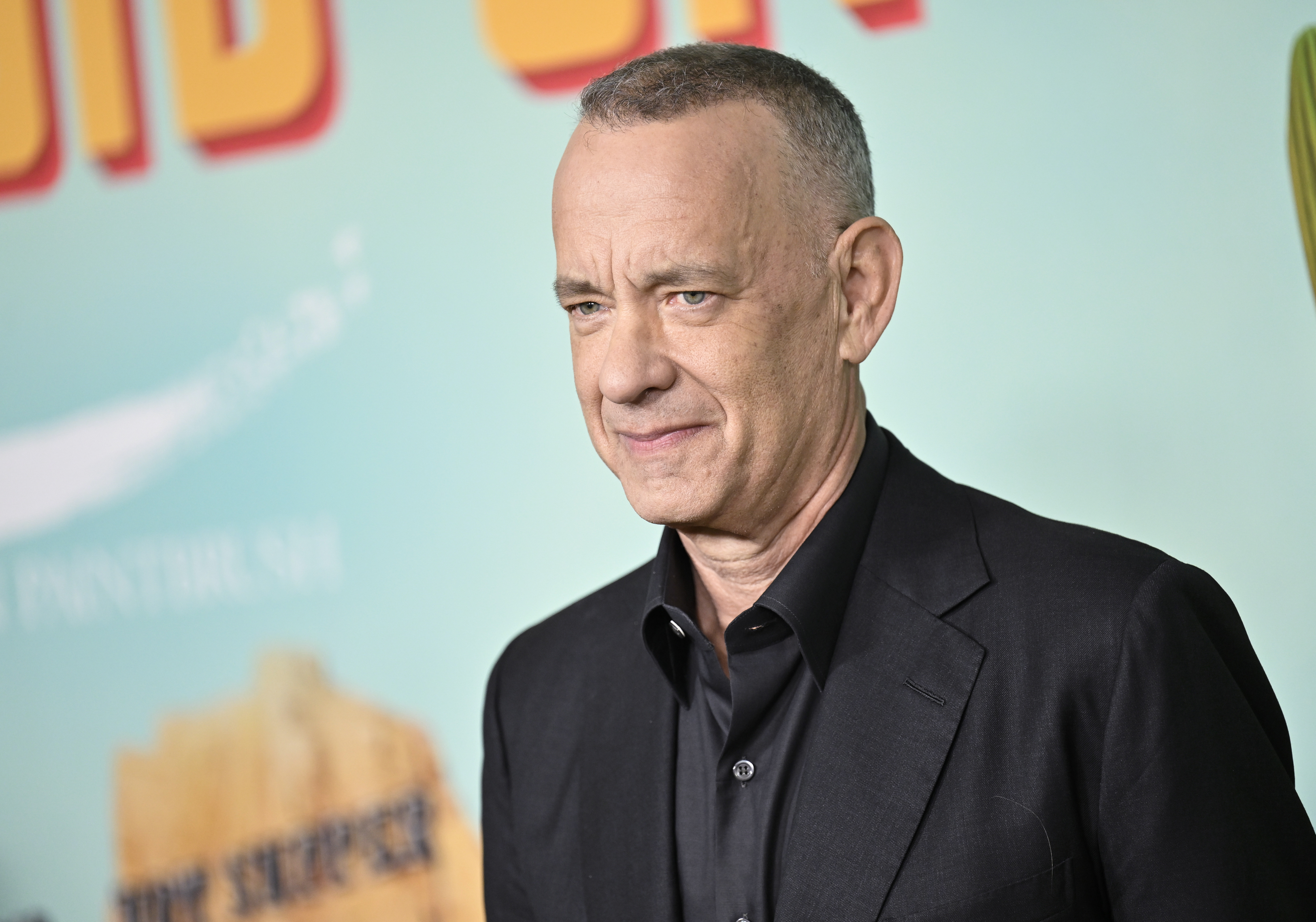
As a movie reviewer with over three decades of experience in the entertainment industry, I’ve seen my fair share of technological advancements that have both amazed and alarmed me. The latest development, however, has left me shaking my head in disbelief – the rampant use of deepfakes targeting celebrities like Tom Hanks.
A little over a year since I publicly condemned a malicious deepfake dental endorsement that sparked concern among my fellow SAG members regarding artificial intelligence, I find myself once more in its crosshairs. This time around, I’m grappling with the unsettling repercussions of advanced technology.
On a recent Instagram update on Thursday, the actor famously known for “Forrest Gump” cautioned followers regarding misleading ads featuring his image, which he claims were produced deceptively with artificial intelligence.
In a public statement, Hanks pointed out that numerous online advertisements, claiming to be endorsed by me, peddle bogus miracle cures and magic pills using my name, image, and voice. These ads have been generated without my authorization or knowledge.
The actor emphasized that he is not associated with these posts, the related productions or endorsements for diabetes cures. He clarified that his personal health management, including treatment for type 2 diabetes, is exclusively handled by a board-certified medical professional. In other words, don’t be misled, don’t fall for scams, and most importantly, safeguard your hard-earned money.
1. Hanks joins several famous personalities whose likenesses have been replicated by AI-created content. Last year, a phony Luke Combs ad promoting quick-fix weight-loss gummies spread across social media. More recently, an untrue picture of Taylor Swift endorsing Trump’s 2024 presidential bid as the Republican nominee was shared by Trump himself.
As technological progress in AI surpasses the pace of regulatory development, unapproved deepfakes are increasingly being used as a significant contributor to online misinformation.
However, just recently, a coalition of U.S. senators from both parties presented the NO FAKES Act. This legislation aims to empower both famous personalities and ordinary people by providing them with a means to take legal action against the unapproved creation of AI versions of their appearance.
“Generative AI in art is providing fresh opportunities, yet it also raises distinctive problems, as it now becomes simpler than ever to utilize someone’s voice, picture, or semblance without their approval,” Senator Chris Coons (D-Del.) had earlier explained to The Times.
“Artificial intelligence creators from across the country urge Congress to establish definite guidelines for how AI is utilized and its effects, ensuring a balance that safeguards personal freedoms, adheres to the First Amendment, and encourages further advancements in AI technology and ingenuity,” he emphasized.
Read More
- Mobile Legends: Bang Bang (MLBB) Sora Guide: Best Build, Emblem and Gameplay Tips
- Brawl Stars December 2025 Brawl Talk: Two New Brawlers, Buffie, Vault, New Skins, Game Modes, and more
- Clash Royale Best Boss Bandit Champion decks
- Best Hero Card Decks in Clash Royale
- Best Arena 9 Decks in Clast Royale
- Call of Duty Mobile: DMZ Recon Guide: Overview, How to Play, Progression, and more
- Clash Royale December 2025: Events, Challenges, Tournaments, and Rewards
- All Brawl Stars Brawliday Rewards For 2025
- Clash Royale Best Arena 14 Decks
- Clash Royale Witch Evolution best decks guide
2024-08-31 00:31