
Have you ever noticed similarities between playing a game and using Duolingo? That feeling of opening chests and wanting to climb a leaderboard might seem strangely familiar, and you’re not the only one who’s thought it. Many on Reddit have pointed out that Duolingo seems to borrow ideas from the popular mobile game Clash Royale. This isn’t just a random occurrence – the two games actually share developers and use similar gameplay mechanics. We’ll take a look at these borrowed features, discuss why originality matters to gamers, and explore whether making language learning competitive is actually beneficial.
Key Takeaways
- Familiar features are an intentional design choice: When learning apps feel like games, it’s by design. Companies often hire developers from the gaming world to apply proven engagement tactics, like loot boxes and leaderboards, to their platforms.
- Balance motivation with actual learning: Competitive features are great for keeping you consistent, but they can also distract you from the real goal. Be mindful if you find yourself chasing points instead of truly understanding the material.
- Make gamification work for you: Use an app’s competitive elements as a tool for motivation, not as the main objective. If the game gets in the way of learning, don’t be afraid to find a different tool that better suits your personal goals.
Why Gamers on Reddit Think Duolingo Copied Clash Royale
Many Duolingo users have recently noticed the app seems to be adopting features very similar to the popular mobile game, Clash Royale. This has led to a lot of discussion online, particularly on Reddit, with most people agreeing the resemblance is more than just chance.
Okay, so I’ve been seeing a lot of talk about why Duolingo is starting to feel a lot like Clash Royale, and honestly, it makes sense. Apparently, some of the people who actually made Clash Royale at Supercell now work at Duolingo. It’s not like they’re straight-up copying anything, but they’re bringing over what they learned about making games super addictive. When you hire the folks who built a hit, you’re basically getting their whole design playbook, right? It’s about bringing those successful game-making strategies to a new app.
One of the clearest changes for users is the new loot box system. Duolingo now lets you open chests to win rewards, and you can even improve your chances of getting better items. This feels very similar to games like Clash Royale, where opening chests is a key part of collecting and upgrading cards. Many users have noticed this change, and it’s making Duolingo feel more like a game than just a language learning app.
So, What Features Did Duolingo “Borrow”?
Have you ever felt a familiar feeling when switching between a game and a language learning app like Duolingo? You’re not the only one! Many gamers, particularly on Reddit, have pointed out that Duolingo uses features that seem very similar to those found in popular mobile games like Clash Royale. Let’s take a look at what everyone is noticing.
The Chest and Loot Box System
As a Clash Royale player, I immediately noticed something familiar when I started using Duolingo! It’s the chest system – after each lesson, you earn a chest, just like after a battle in Clash Royale. People on Reddit have been talking about it, and some even think Duolingo might have hired people who used to work at Supercell! Honestly, it’s a really smart way to keep you motivated. Instead of feeling like I’m studying, it feels like I’m ‘grinding’ for rewards, which makes learning a new language way more fun and addictive. It’s a great gameplay loop!
Tap-to-Upgrade Your Skills (and Cards)
Earning rewards is one part of the experience, but the way you improve them feels very similar across different games. In Clash Royale, you strengthen cards by collecting duplicates. Duolingo uses a similar system where you tap to upgrade skills, and players familiar with Clash Royale will instantly recognize the connection. One user on Reddit pointed out this shared mechanic, noting how it makes improving your language skills feel just as satisfying as building a stronger card deck. It’s a common game design technique that keeps you motivated and engaged with your progress.
Climbing the Ranks: Competitive Leagues
Gamers are naturally competitive, and Duolingo uses this to its advantage with its league system. Similar to how players progress through levels in games like Clash Royale, Duolingo users compete each week to move up from the Bronze League to the Diamond League. This transforms learning a language from a personal activity into a public contest. Duolingo has always been good at making learning fun, and its leaderboards are a great example of this. By letting you compare your progress with others, the app creates a sense of urgency, encouraging you to practice consistently and avoid being moved down a league at the end of the week.
Daily Challenges and Rewards
Many mobile games, including Duolingo, use daily challenges to keep players engaged. Duolingo gives you small daily tasks – like earning points or finishing lessons – with little rewards to encourage you to use the app regularly. One user said it “keeps me at it,” and while some think these challenges can be distracting, they’re clearly effective at getting people to open the app each day. This is a common tactic – the popular game Clash Royale uses the same approach to keep players active, showing that it works for learning a language just as well as it does for winning a game.
Why Do Gamers Care if Features Are Copied?
It’s a strange feeling when a feature you enjoy in one game suddenly appears in a completely different app. While it can be comforting to see something familiar, it can also feel unoriginal. This isn’t just happening with Duolingo and Clash Royale – it’s a common discussion among gamers. Players are deeply invested in the games they love, and when features are copied, it raises two important issues: preserving originality in game development and ensuring that games remain enjoyable, rather than becoming cluttered with borrowed ideas.
Protecting Originality in Gaming
Gaming is fundamentally a creative outlet. Players love getting lost in imaginative worlds and experiencing new gameplay, and we want developers to take risks and create original content. It feels unfair when a game simply copies features from another, especially considering the effort original creators put into developing those ideas. That’s why players often criticize blatant copies – it’s not about preventing others from being inspired, but about encouraging the industry to prioritize new and exciting concepts over easy profits. Genuine innovation is what keeps gaming vibrant and engaging.
Avoiding a Confusing User Experience
It’s simple to copy ideas from other apps, but difficult to make them work well in your own. A feature that feels great in one type of game, like a fast-paced strategy title, might feel awkward and out of place in an app designed for something else, like learning a language. Adding popular features without considering how they fit the app’s main purpose can make it cluttered and confusing. Before you know it, you’re dealing with unnecessary complexities – like a competitive ranking system when all you wanted was to learn Japanese. This can distract from what the app is meant to do, making it less useful and enjoyable. Users quickly notice when an app loses its focus, and a confusing design is a sure way to lose them.
Is Competitive Language Learning Actually Effective?
Many learning apps now use game-like elements such as leaderboards, leagues, and daily challenges. This makes you wonder: does turning learning into a competition actually help you learn effectively? While these features can motivate daily practice, people disagree about whether they improve actual understanding or simply serve as distractions. Ultimately, their effectiveness depends on your individual learning style and goals.
Motivation vs. Distraction
The hardest part of learning something new is simply staying consistent. That’s where a little competition can be really helpful. Seeing your progress on a leaderboard or trying to outperform a friend can motivate you to practice every day, as one user described it, “It keeps me going.” However, things can backfire if you start focusing more on winning than on actually learning. If you find yourself rushing through lessons just to earn points without truly understanding the material, the competition is becoming a distraction. The trick is to let your competitive spirit drive your learning, not become the learning itself. Competition can get you started, but you still need to put in the effort.
Finding the Balance Between Fun and Learning
Gamification is what makes boring tasks enjoyable. Apps like Duolingo are great examples – they use engaging features to keep you motivated. Turning practice, like learning new words, into a game can make it much less of a drag. But it’s important to find the right balance. If an app focuses more on winning than on actual learning, you can easily forget what you’re trying to achieve. The best apps use game-like elements to help you learn, instead of distracting from it.
Does Faster Mean Better Learning?
Many language learning apps emphasize speed, using timed challenges and leaderboards to motivate quick answers. However, learning quickly doesn’t necessarily mean learning effectively. Often, the focus shifts from truly understanding the material to simply completing lessons fast. Real learning – whether it’s grasping grammar rules or memorizing new vocabulary – requires time and thoughtful practice. Trying to rush through lessons to achieve a high score can result in shallow understanding, causing you to quickly forget what you’ve ‘learned.’ It’s similar to speedrunning a complicated video game: you might finish quickly, but you’ll miss out on the details and depth that make the experience meaningful.
What Happens When Apps Use Similar Mechanics?
It’s no surprise when apps like Duolingo start to resemble games we already know. Developers actively seek out successful techniques to keep us engaged, and often copy elements from popular games. However, this practice has drawbacks for both the app and its users. It can affect how we use the app, our perception of the brand, and even our ability to reach our initial objectives. When features from competitive games like Clash Royale appear in a language-learning app, it raises important questions: Is this improving the app, or simply making it more addictive? Is the app losing its unique identity? And what happens if all apps begin to feel identical? Let’s examine the benefits, drawbacks, and the potential for repetition when app features are reused.
Keeping Users Engaged (or Pushing Them Away)
Duolingo’s success lies in its use of gamification – it transforms language learning into a game with points, rewards, and leaderboards, which keeps users engaged. This approach can make even boring tasks enjoyable and give people a feeling of achievement. However, it’s easy to get too caught up in the game aspects. For some users, earning points and maintaining streaks becomes more important than actually learning the language. Ironically, the features meant to encourage learning can sometimes become a distraction and discourage users if they lose sight of the main goal.
Weakening a Brand’s Identity
All apps strive to have a distinct and memorable personality. When Duolingo starts using game features directly from Clash Royale, it risks losing what makes it special. It’s worth noting that some people who used to work at Supercell, the company behind Clash Royale, now work at Duolingo. This shared experience can lead to similar ideas, and that’s not always beneficial. If a language learning app begins to resemble a tower defense game, it can lose sight of its original purpose. A strong brand helps users feel connected to an app, but that connection fades if the experience feels unoriginal or copied.
When Every App Starts to Feel the Same
It’s frustrating when new apps all seem exactly the same, offering the same daily rewards, achievements, and ways to pay for extra features. This happens because developers often copy what’s already popular. While these features can be effective, using them too much can bore users. When everything feels identical, the app world becomes dull. People have noted that even apps like Duolingo can feel overly repetitive, a common complaint in gaming when developers rely too much on the same patterns. This lack of fresh ideas makes it difficult for any app to truly be unique.
Are These Similarities a Real Problem?
Is it okay if a language learning app feels similar to a fun mobile game? It’s not a straightforward question. While new and unique ideas are important for innovation, some of the best improvements come from building on existing concepts. The key is whether these borrowed features actually benefit the app and its users. It’s the difference between being cleverly inspired and simply copying something without thought.
Drawing the Line Between Inspiration and Copying
It’s common for ideas to be reused and adapted across creative industries. Gamification, like using game-like features, isn’t new – Duolingo has always successfully used it to keep people interested in learning. Adding things like rewards and leaderboards is simply an evolution of that approach. For many, a little healthy competition is a great way to stay motivated and build consistent habits. However, simply copying features without making them fit the app’s purpose can be problematic. If a feature genuinely supports the app’s main goal, like encouraging daily use, it feels well-designed. But if it feels like an afterthought just to follow what’s popular, it can detract from the user experience.
How Familiar Features Can Help New Users
It might seem surprising, but having an app that feels familiar can be a real advantage. When you try a new app, you want to start using it right away, not spend time learning how it works. Using common features, like upgrading elements, can make an app feel natural and easy to understand. Duolingo is well-known for its simple, uncluttered design, and it’s often used as a benchmark when comparing language learning apps. Interestingly, some developers who previously worked at Supercell (known for engaging games) now work at Duolingo, suggesting they’re intentionally using their expertise to create a more enjoyable experience. As long as these features help you achieve your goals, they can turn learning from a tedious task into a fun, game-like activity.
How Reddit Shapes the Conversation Around Games
Want to know what gamers are really talking about? Reddit is the place to be. It’s like a huge online convention where players worldwide come together to share their wins, vent about problems, and offer their opinions. It’s more than just funny videos and clips – it’s where conversations about games happen, and those discussions can quickly go viral, even impacting how developers update their games and how the public views them.
The platform is organized with specific sections, called subreddits, for almost any game you can think of, making it easy to find focused conversations. Players quickly share and analyze everything from glitches in games like Warzone to predictions about future updates for titles like Diablo. This strong community voice has become very influential, and game developers are now paying attention to what players are saying.
The Real Power of Community Feedback
Reddit is essentially a giant, honest focus group. It provides developers with a direct and unfiltered stream of feedback they might not otherwise get. For example, when someone on the Clash Royale subreddit pointed out similarities between that game and Duolingo, it wasn’t just a single complaint – it started a larger conversation about originality. Other users quickly agreed, confirming a widespread feeling. This is how emerging trends are noticed and important discussions begin. We see this happen frequently, such as when fans immediately react to a new game trailer, influencing how much excitement builds around its release.
How Player Complaints Go Viral
A single comment on Reddit doesn’t usually stay isolated for long. Because of upvotes, a well-reasoned or relatable criticism can quickly become very popular, reaching a large audience. What starts as one person’s frustration with something like a confusing interface or annoying gameplay element can quickly become a widely-seen issue with thousands of votes. This can put a lot of pressure on game developers to address the problem, and we’ve seen it lead to significant changes – from tweaking weapons in games like Warzone to completely redesigning core game features based on player feedback. It’s a clear sign that players now have a significant voice in how games are made.
Why Every App Is Starting to Feel Like a Game
Have you ever used an app – like a language learning or fitness one – and felt strangely competitive, as if you were playing a game? That’s happening more and more! App developers are starting to use game-like elements in non-game apps, a practice called gamification.
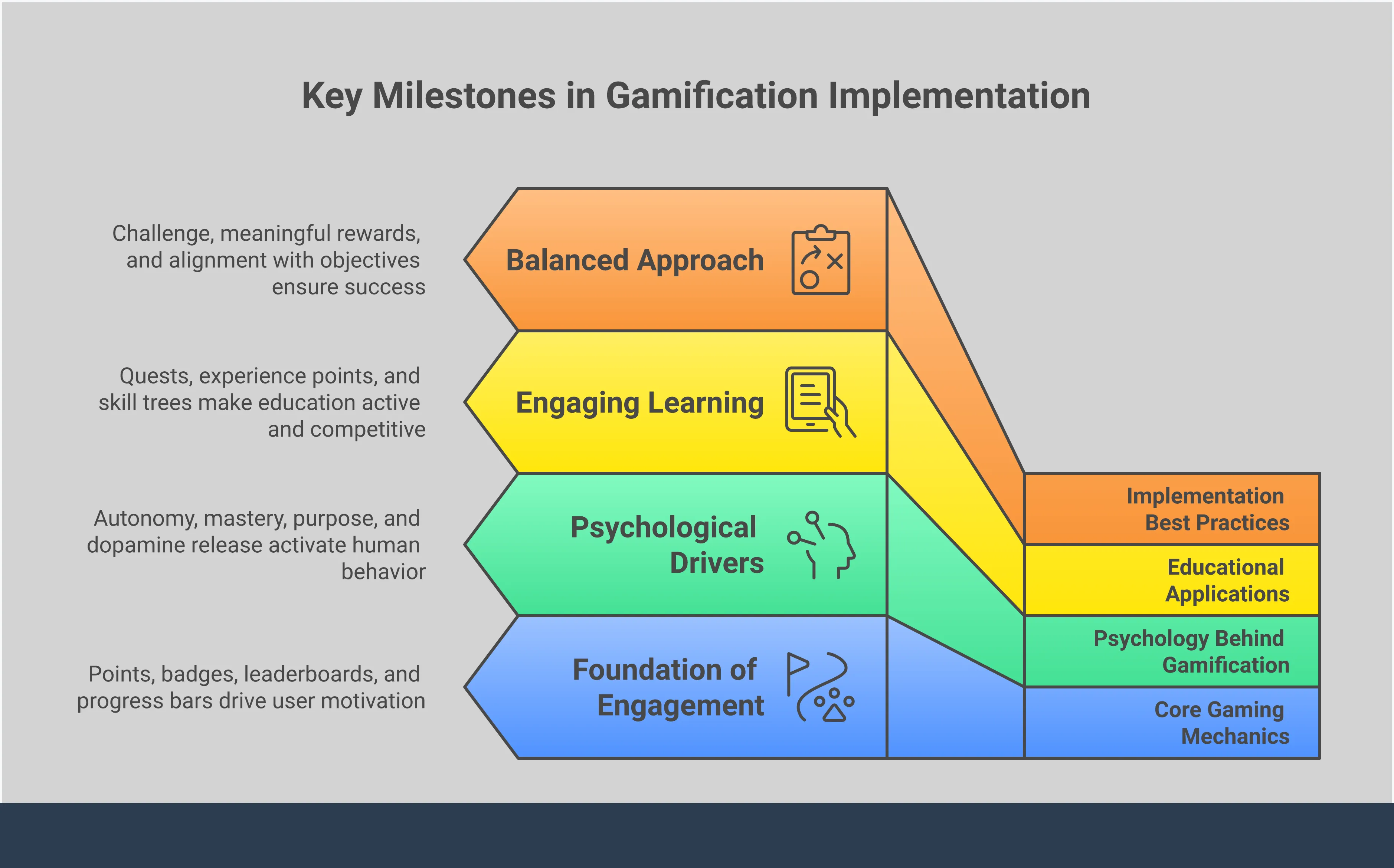
These features aren’t added by chance; they’re intentionally included. Developers understand that elements like points, badges, and leaderboards use the same psychological principles that make games so engaging. They give us feelings of accomplishment, show us we’re making progress, and encourage healthy competition, which can make even boring tasks enjoyable. That’s why apps reward you with a checkmark when you complete something or celebrate your savings with digital confetti. This approach is transforming how we use technology, making it harder to distinguish between work, learning, and entertainment.
Why Your Learning App Has a Leaderboard
The leaderboard in your language learning app isn’t just there to look nice – it’s meant to motivate you! Seeing your name move up on a leaderboard, like on Duolingo, gives you a much clearer sense of how you’re improving than just finishing a lesson. It also makes learning feel more social, like you’re part of a community, even if you’re competing with people you don’t know. This is a key part of how apps like Duolingo keep you coming back – they want you to log in daily to maintain your position and protect the progress you’ve made.
The Boom in Competitive Learning
Competitive learning isn’t just about rankings; it’s changing how we think about education. Instead of feeling like a duty, learning becomes an engaging challenge. App creators have noticed that unlike endless social media scrolling, learning through games feels productive and rewarding. It’s more than just playing – you’re actually growing and improving, which motivates you to keep learning. This creates a positive cycle, and also opens the door for apps to offer extra features you can pay for to help you progress even faster.
What This Means For You
The principles behind app design and adding game-like elements aren’t just for those who create apps – they affect you, the user, too. Understanding how these things work can help you get the most out of any app, whether you’re playing a game or trying to learn something new. Ultimately, it’s about ensuring the apps you use are truly helpful and work well for you.
How to Handle Gamification Overload
Gamers love tracking progress, completing challenges, and earning rewards – it’s just how we’re wired. But when you’re trying to learn something, these game-like features can sometimes distract from the actual lesson. You might start rushing through exercises to keep a streak going instead of really understanding the material. It’s important to realize when competition is helping you learn and when it’s getting in the way. Ask yourself if you’re truly absorbing the information, or just focused on winning. Use those competitive elements as a little extra motivation, but don’t let them be the primary reason you’re engaging with the learning tool.
Pick the Apps That Work for You
It’s normal to not love every language learning app you try. Finding the right one is like choosing a character in a video game – it needs to feel comfortable for you. Some people are motivated by competition and rankings, while others prefer to learn at their own pace. Also, a simple and easy-to-use app can make the process much more enjoyable. Don’t hesitate to experiment with different apps until you find one that fits your learning style, helps you achieve your goals, and keeps you motivated without feeling overwhelmed.
Related Articles
- Deus Ex LFG: Connect with Other Augs in LFG Feature on Z League App
Frequently Asked Questions
Is Duolingo taking inspiration from Clash Royale? It’s not a direct copy, but the two share similarities. Some of the people who created Clash Royale now work at Duolingo, and they’re applying what they learned about making mobile games fun to language learning. It’s like a chef using a tried-and-true recipe at a new restaurant – the influence is obvious, but the result is tailored for a different experience.
Okay, so I’ve been thinking about why learning apps like Duolingo use things like leaderboards and rewards. Honestly, it’s all about staying motivated! It’s super easy to not practice a language or skill, but Duolingo makes it feel like a game. You’ve got daily quests, you can earn rewards, and you’re trying to climb up the leaderboards. It taps into that competitive side of me – I don’t want to lose my streak or fall behind everyone else, so it actually makes me want to practice every day. It’s a really smart way to turn something that feels like work into something fun and addictive!
Could these game-like elements actually hinder your learning? Yes, they can if you focus more on the game itself than on the lesson. The problem arises when earning points and maintaining streaks become more important than truly understanding the content. If you start rushing through exercises just to get a reward, you might be successful in the game but failing to learn the language. The key is to use the game’s competitive aspects as encouragement, not as a substitute for real studying.
It’s common for developers in tech and gaming to get inspiration from each other. The key isn’t that an idea is borrowed, but how it’s used. If a feature fits seamlessly and enhances the app’s purpose, it’s simply good design. However, adding features just to follow trends, or without considering how they fit, can make an app feel cluttered and confusing. Ultimately, the focus should be on creating a better experience for the user.
It’s easy to confuse good gamification with simply making an app addictive. Effective gamification makes tasks you need to do—like learning something new—enjoyable and satisfying, helping you reach your objectives. The problem arises when an app is designed purely to keep you using it. If you find yourself endlessly chasing rewards without actually learning or accomplishing anything, the app has become more of a distraction than a useful tool.
2026-03-23 17:19