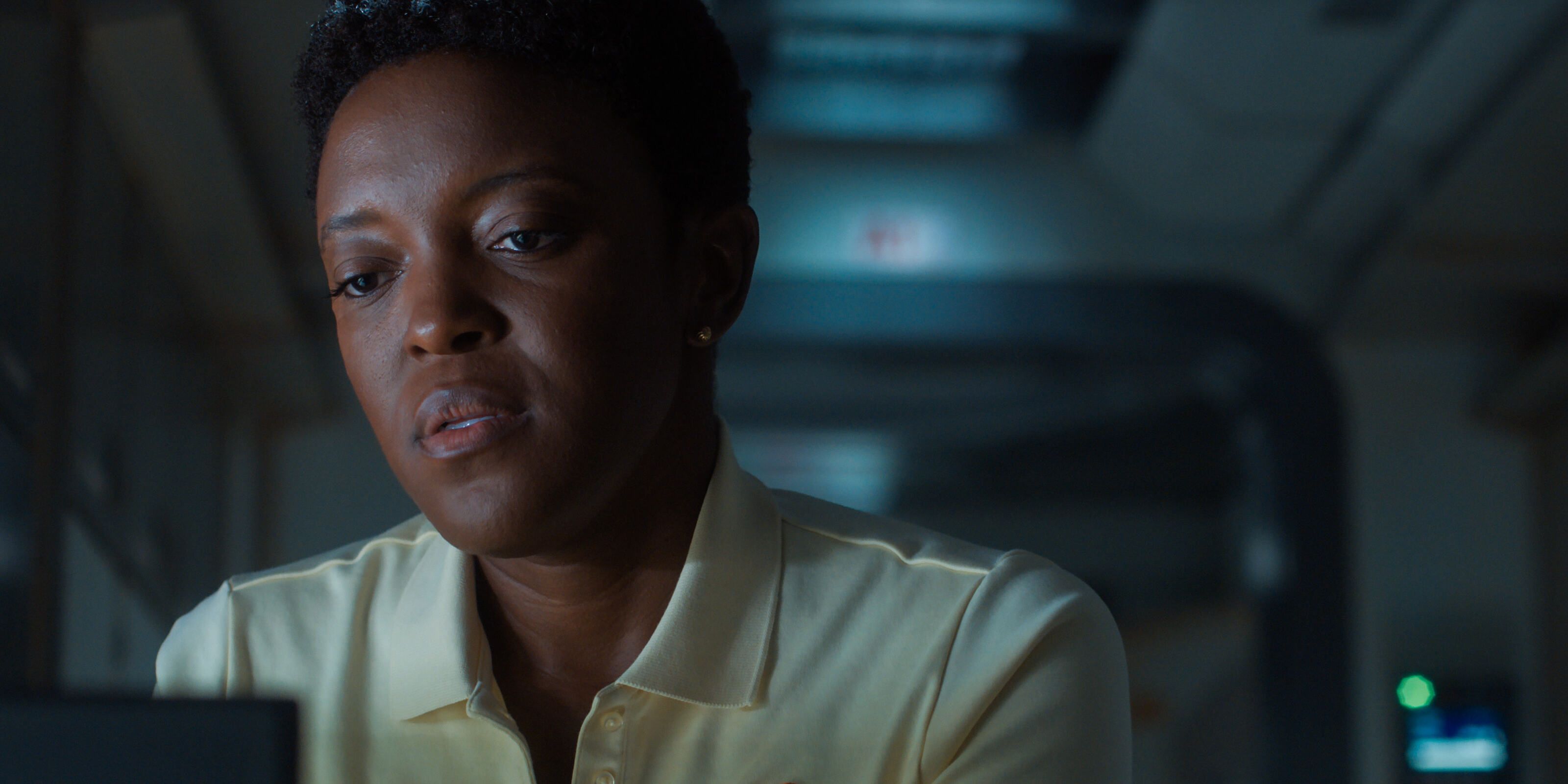
Most science fiction today focuses on exciting action and fantastical worlds, but this series offers a different approach. It portrays space as a challenging and dangerous place that requires careful consideration. The story starts with a twist on history: in 1969, the Soviet Union, not the United States, first lands a person on the moon. This single event sets off decades of increasing political tension, ambitious scientific endeavors, and the personal costs people pay as humanity expands its reach into space.
What makes For All Mankind stand out is its high-quality storytelling and the incredible attention to detail in recreating everything you see – from the settings to the equipment and procedures. The show realistically portrays the mental challenges of space exploration, the political and financial forces driving innovation, and the genuine risks of traveling into space. Even though it presents a different version of history, the series feels remarkably authentic and grounded, offering a more believable depiction of spaceflight than most shows.
For All Mankind Creates an Immersive and Evolving Alternate History Space Race
The Apple TV+ series For All Mankind begins with a surprising twist: the Soviet Union beats the United States to landing the first person on the moon. This unexpected event dramatically changes the story of the space race, turning it into an even more intense and ongoing rivalry.
Okay, so imagine a world where the US doesn’t let a major space setback knock it down. Instead, NASA doubles down – and I mean really doubles down. They aren’t just tinkering around the edges anymore; they’re aiming for bolder lunar goals, expanding the astronaut corps, and planning missions that look decades into the future, going way beyond just orbiting Earth. This shift in strategy is the core of the story, and it creates a fascinating alternate reality where the space race just…never stops. It’s a compelling premise that immediately hooked me.
This alternate timeline isn’t just for surprising viewers. It’s a carefully planned progression spanning many years. Events like women astronauts reaching space sooner, NASA establishing a permanent base on the Moon, and eventually colonizing Mars all feel like natural outcomes of the initial change in history presented in the show.
As a fan, what really struck me was how seamlessly they wove together real-world issues like politics, advancements in tech, and history. It didn’t feel like they were just making things up to move the story forward. By the later seasons, I genuinely felt like I was watching a world where the space program hadn’t just happened to the world, but had completely reshaped everything – from how countries interact to how the economy works, and even how wars are fought. It all felt incredibly believable.
One of the show’s strengths is how it consistently develops its characters and tells stories across generations. We see how time affects everyone – astronauts grow older, leaders come and go, and families are tested by the rapid pace of scientific progress. Characters like Edward Baldwin, Danielle Poole, Margo Madison, and Ellen Wilson change and grow throughout the decades.
The successes and failures of these individuals are deeply tied to the ups and downs of the space program. The show examines how pursuing big dreams impacts relationships and who people become. It presents astronauts as highly trained experts facing real challenges like fatigue, loss, and difficult decisions, rather than as flawless heroes.
What makes this show stand out is its incredible consistency – something you don’t often see in series with ongoing storylines. Even seemingly minor details from the beginning of the show come back to matter much later on. This long-term focus gives For All Mankind the depth of a novel. It doesn’t feel like a collection of separate episodes; instead, it’s a sweeping story that follows decades of human striving and ambition.
The series explores a fascinating ‘what if’ scenario: what if humanity had continued to prioritize space exploration at all costs? It confidently and realistically answers this question, offering a clear vision of that alternate history.
A Commitment to Realistic Hard Sci-Fi Sets It Apart From Every Other Space Series
Even though For All Mankind presents a different version of history, its portrayal of technology and space travel is based on real science. This commitment to realism elevates the show beyond typical science fiction, making it one of the most believable and scientifically accurate shows of its kind.
The show’s creators work with aerospace experts, including engineers and people from NASA, as well as physicists, to make sure everything – from how the spaceships are built to how they move – is realistic. People who know a lot about rockets, engines, and space missions often say the series gets the details right.
As a critic, I was really struck by how unforgiving this experience is. It’s not one of those stories where you can just ‘magic’ your way out of trouble or rely on some unbelievable tech. Everything feels grounded in genuine problem-solving; you actually need to think like an engineer, plan for everything that could go wrong, and understand how things really work. And when things inevitably do go south – and they will – it feels believable. Failures aren’t caused by plot holes, but by very human mistakes, budget limitations, or just the cold, hard realities of the technology involved.
The show realistically portrays the serious risks of spacewalks, dwindling supplies, and the mental challenges of being cut off from others. Stories featuring events like solar flares, equipment failures, loss of air pressure, or running out of fuel highlight just how carefully everything needs to be managed to stay alive.
Many science fiction stories use advanced technology simply for exciting visuals. However, For All Mankind portrays innovation as a gradual, step-by-step development. Each new spacecraft is an improvement on the last, and the moon bases begin as basic, functional habitats that slowly expand and become more comfortable over time.
The way Mars habitats are depicted in the show feels realistic and well-considered. Every element is justified by scientific principles, not just imagined. Even futuristic concepts like asteroid mining or advanced propulsion systems are rooted in actual research and proposals from NASA and other space organizations, making them feel plausible.
Beyond just exciting science fiction, For All Mankind stands out by realistically exploring the lasting effects of progress. New technologies change the world politically, scientific breakthroughs raise difficult moral questions, and characters grapple with the emotional toll of their experiences – things like trauma, loneliness, and the weight of their duties. The show doesn’t shy away from the human side of advancement; it puts those consequences at the very heart of the story.
As the story unfolds over several generations, viewers truly grasp the sacrifices that shaped this imagined future for humanity. The series feels realistic on both a technical and emotional level, making it especially compelling compared to other popular science fiction shows.
For All Mankind Is One of TV’s Most Ambitious and Compelling Sci-Fi Series
Beyond its incredibly realistic depiction of events, For All Mankind is a remarkably bold and expansive series. With a large ensemble cast and a story that spans many years, the show explores grand ideas while always keeping the focus on the individual characters and their experiences.
I’m really hooked on this show because every season brings fresh stories for the characters, and it also shows us more and more of what’s happening with the space program. What I love most is how they manage to combine really personal, emotional moments with huge, important historical events. It means both serious sci-fi fans and people like me, who just enjoy a good story about people, can find something to love.
What really stands out about this show is its exploration of the tough ethical questions that come with new technology. The characters are often forced to make incredibly difficult decisions, challenging their values and what it means to be human. Importantly, the show doesn’t offer simple solutions to these complex problems.
Rather than simply presenting a story, the series encourages viewers to consider the same challenging questions as the characters. This adds a thoughtful depth that’s rare in similar TV shows. The acting is also exceptional. Joel Kinnaman gives a layered and developing performance as Edward Baldwin, while Krys Marshall portrays Danielle Poole with both power and emotional depth. Wrenn Schmidt perfectly captures the subtle intensity of Margo Madison, making her one of the show’s most captivating figures.
The actors all work together to create a believable and immersive world. The cast expands organically throughout the story, with new characters adding to the plot without taking away from those we’ve already come to know. The show’s detailed worldbuilding is also particularly well done.
As the story unfolds in this alternate timeline, it becomes richer and more immersive. Changes in culture, politics, and technology feel natural and are woven throughout the narrative. Even small details – like objects in the background, news reports, and casual conversations – all work together to create a believable world. This attention to detail makes the story especially rewarding for careful viewers and encourages them to watch it again.
Apple TV provided the resources to make the show look like a big-screen movie. The special effects are consistently great, but they enhance the story instead of taking away from it. The sets are incredibly detailed, and the filming beautifully shows both the wonder and the risks of space exploration.
From scenes of mining on the moon to storms on Mars and the growth of the International Space Station, the show’s visuals feel realistic and believable. But what really sets For All Mankind apart is its bold storytelling. It’s rare to find a show—in any genre—that follows humanity’s future over many decades with such a consistent and focused theme.
The show tells a sweeping family story that feels both personal and grand. It consistently asks viewers to imagine a world where humanity continued to explore space.
Found an error? Send it so it can be corrected.
2026-03-23 06:09