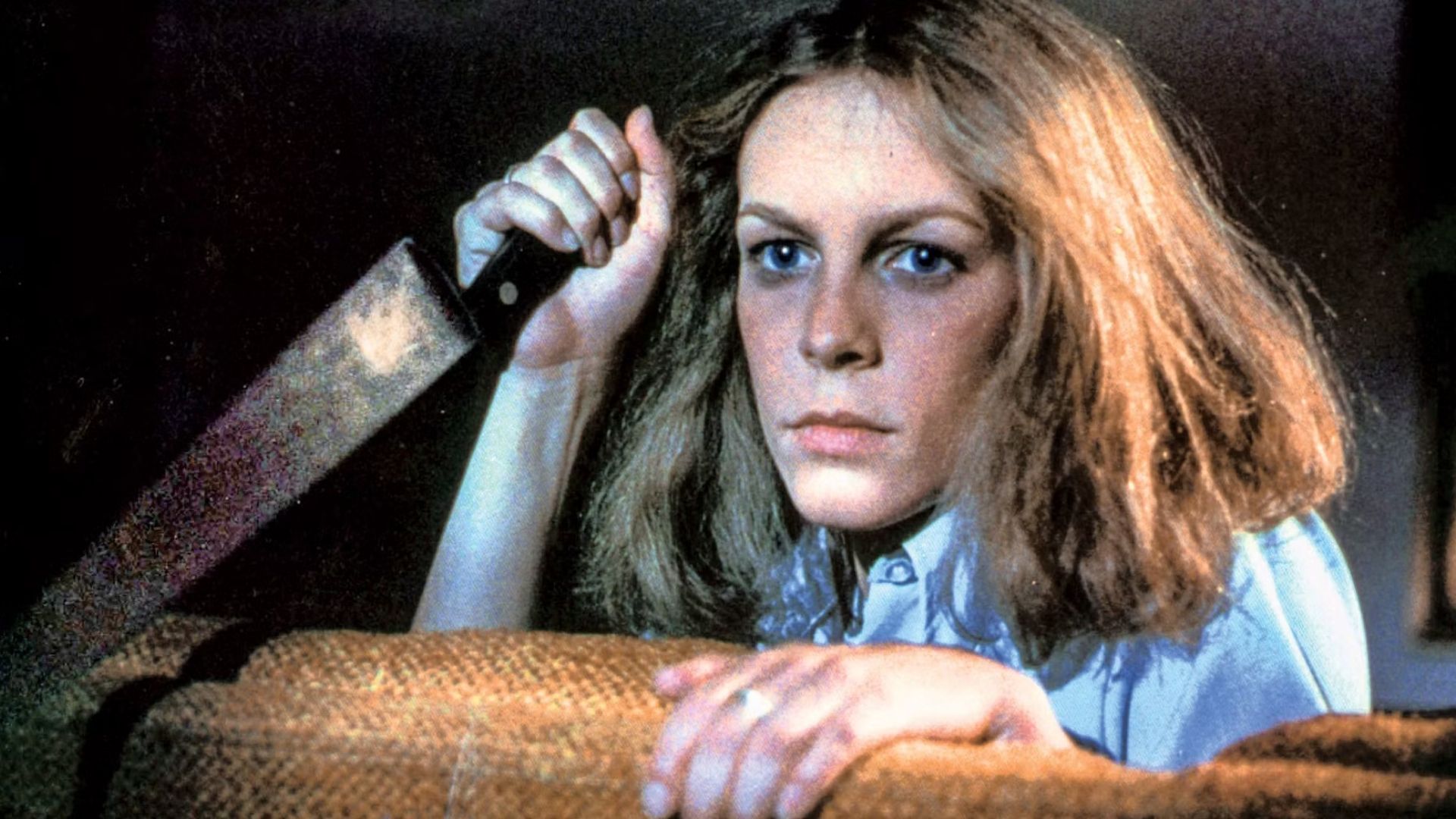
Horror is a huge category of movies with lots of different types, and each type has its own devoted fans. While many films are simply considered ‘horror,’ the genre has become very specific, leading to many subcategories. With so many horror movies being made every year, it’s obvious they aren’t all created equal.
Horror movies have always told many different kinds of stories. In the beginning, films focused on classic gothic scares and monster features. As rules about what could be shown on screen loosened up, horror became more graphic and violent. Changes in society also influenced the genre, leading to the development of new types of horror films.
There are a lot of different types of horror movies, making it hard to decide which ones are the most important. While all horror subgenres have value, only a few have really made a big impact on the genre and continue to inspire new films today.
Folk Horror
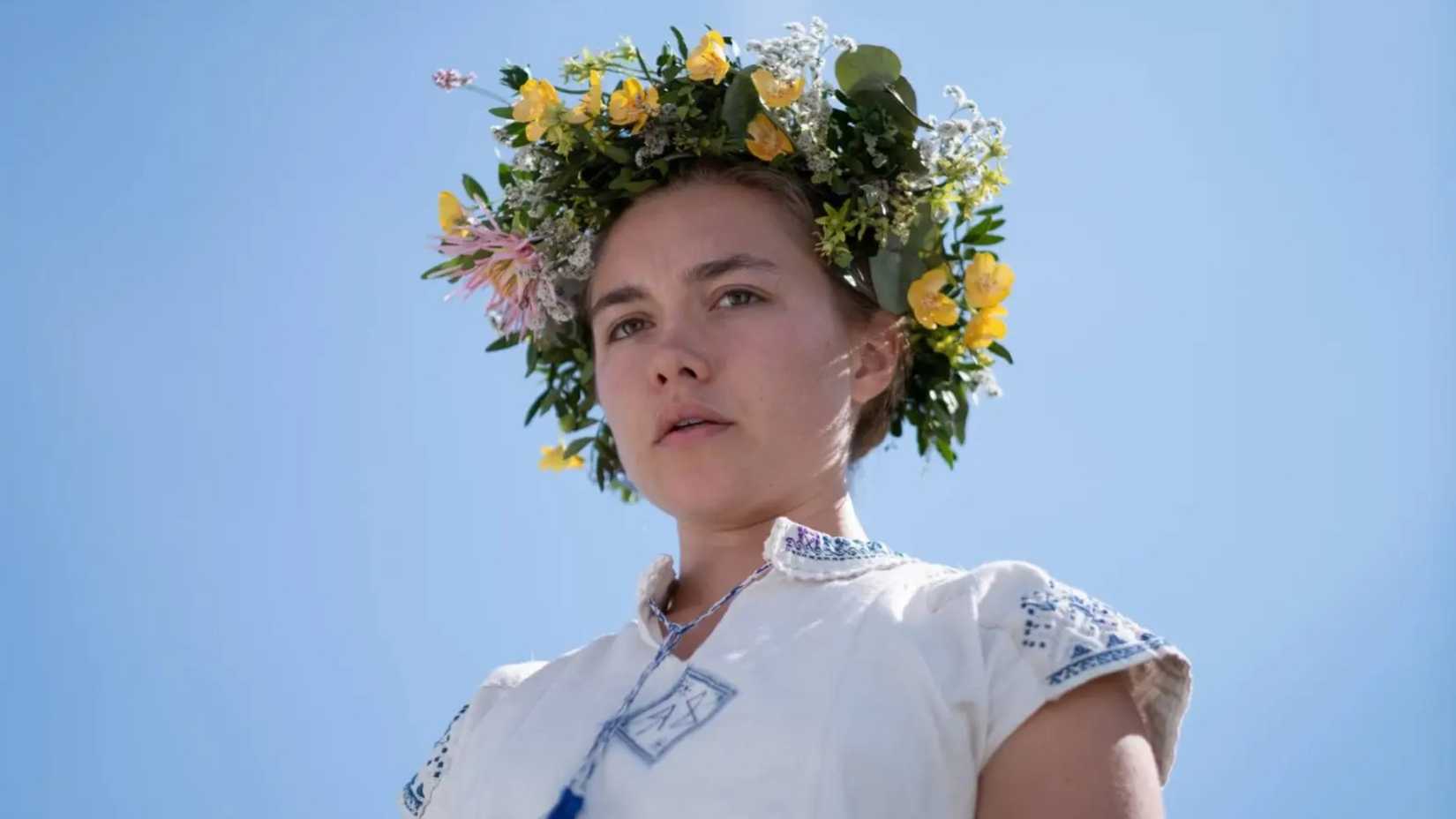
Folk horror is a unique and somewhat hidden subgenre of horror. It’s known for incorporating traditional stories, beliefs, and superstitions, and often contrasts modern life with older, more primal ways of living. This style was particularly prominent in British films during the 1960s and 70s, with a famous example being The Wicker Man.
Folk horror deliberately explores the conflict between old pagan traditions and more common religions, often reflecting unsettling truths about modern society. It’s a flexible genre that’s proven surprisingly popular, even gaining traction in Eastern cinema. Films such as The Blair Witch Project demonstrate its broad appeal to a wide range of audiences.
Cosmic Horror
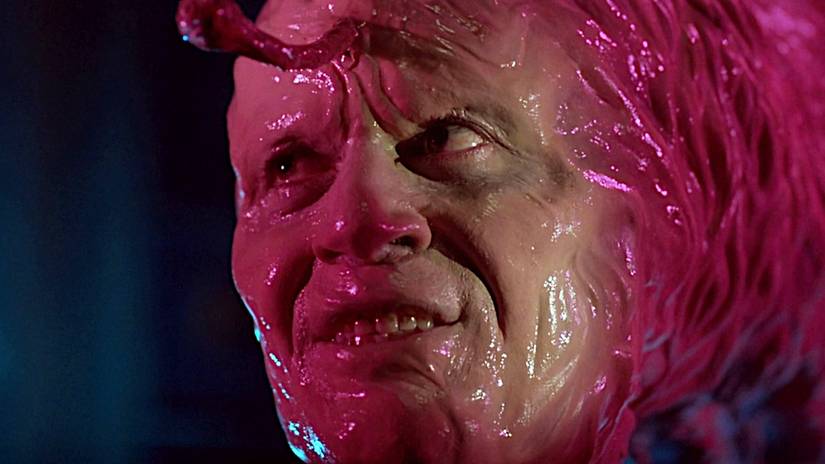
Cosmic horror, a genre popularized by author H.P. Lovecraft, explores the idea that the universe is so immense and mysterious that humans are ultimately unimportant. While it often touches on philosophical themes about existence, it’s also known for being genuinely frightening.
Cosmic horror frequently blends with science fiction, as seen in films like Alien, which mixes the dread of outer space with sci-fi and traditional monster movie thrills. Some films, like From Beyond, closely follow Lovecraft’s original stories, while others, such as Event Horizon, are inspired by his ideas. The immense scale of cosmic horror allows for a wide range of storytelling options.
Horror Comedy
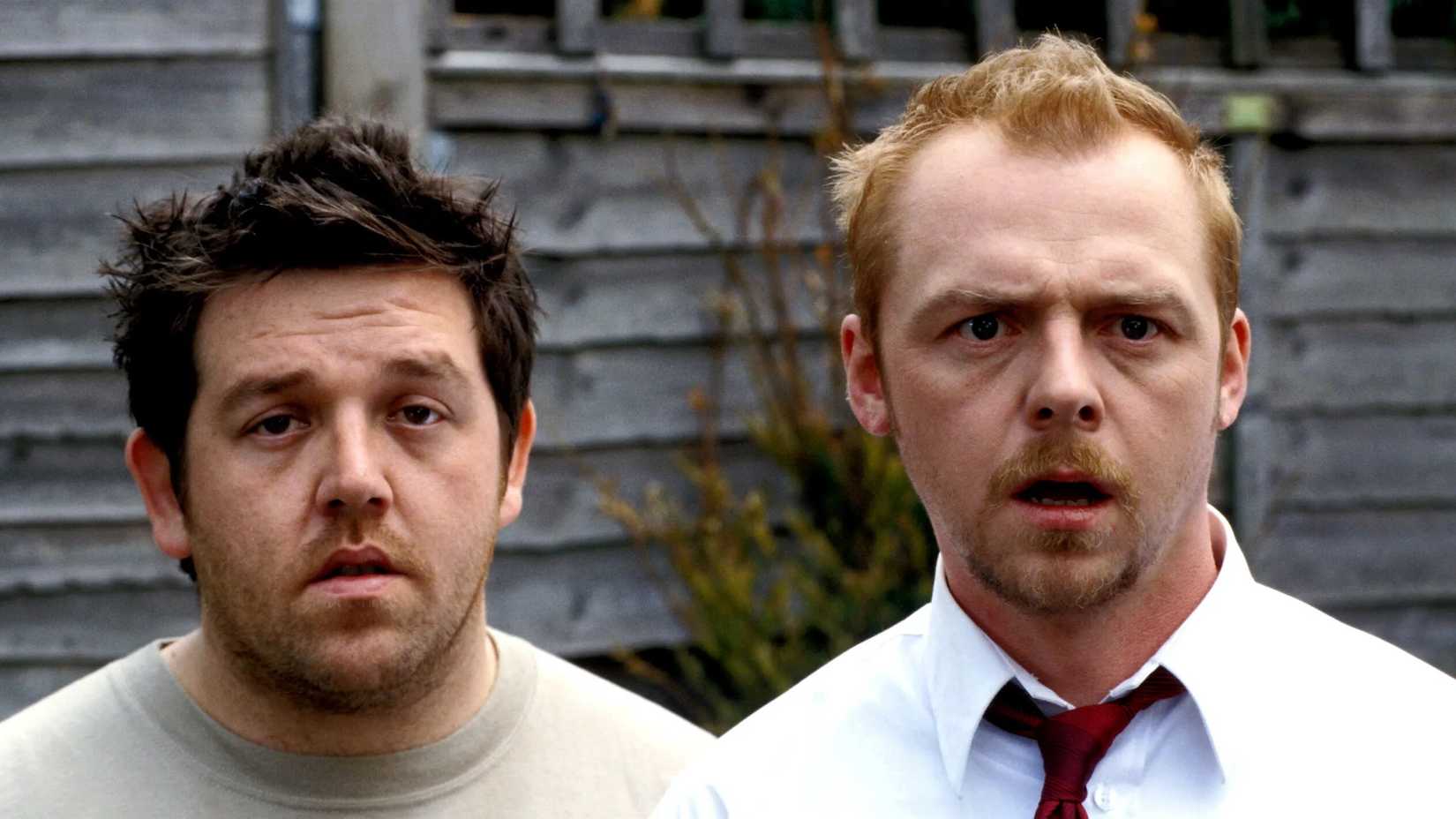
A major hurdle for people new to horror is knowing where to start, and horror comedy is the ideal entry point. Whether it’s directly parodying famous horror films or playfully dissecting specific subgenres, this blend of scares and laughs takes familiar movie ideas and makes them funny.
Most horror types have a comedic counterpart, like the well-known Shaun of the Dead. While some comedies, such as Scary Movie, focus on silly, over-the-top humor, they’re still popular for playfully poking fun at famous horror films. Don’t worry if you’re easily frightened – horror comedies are generally more focused on being funny than truly scary.
Monster Movies

Similar to the horror genre as a whole, monster movies cover a wide range of styles and stories. They include everything from timeless classics like Frankenstein to newer films like A Quiet Place, making it one of the most diverse types of horror. Monsters in these movies can be created by humans, come from space, or originate in legends and fantasy.
Monster movies have different purposes – some warn us about the dangers of interfering with nature, while others are simply meant to be thrilling and entertaining. The classic Universal Monster films are an excellent entry point for anyone interested in horror, and they were highly influential in shaping the horror genre as we know it today.
Body Horror
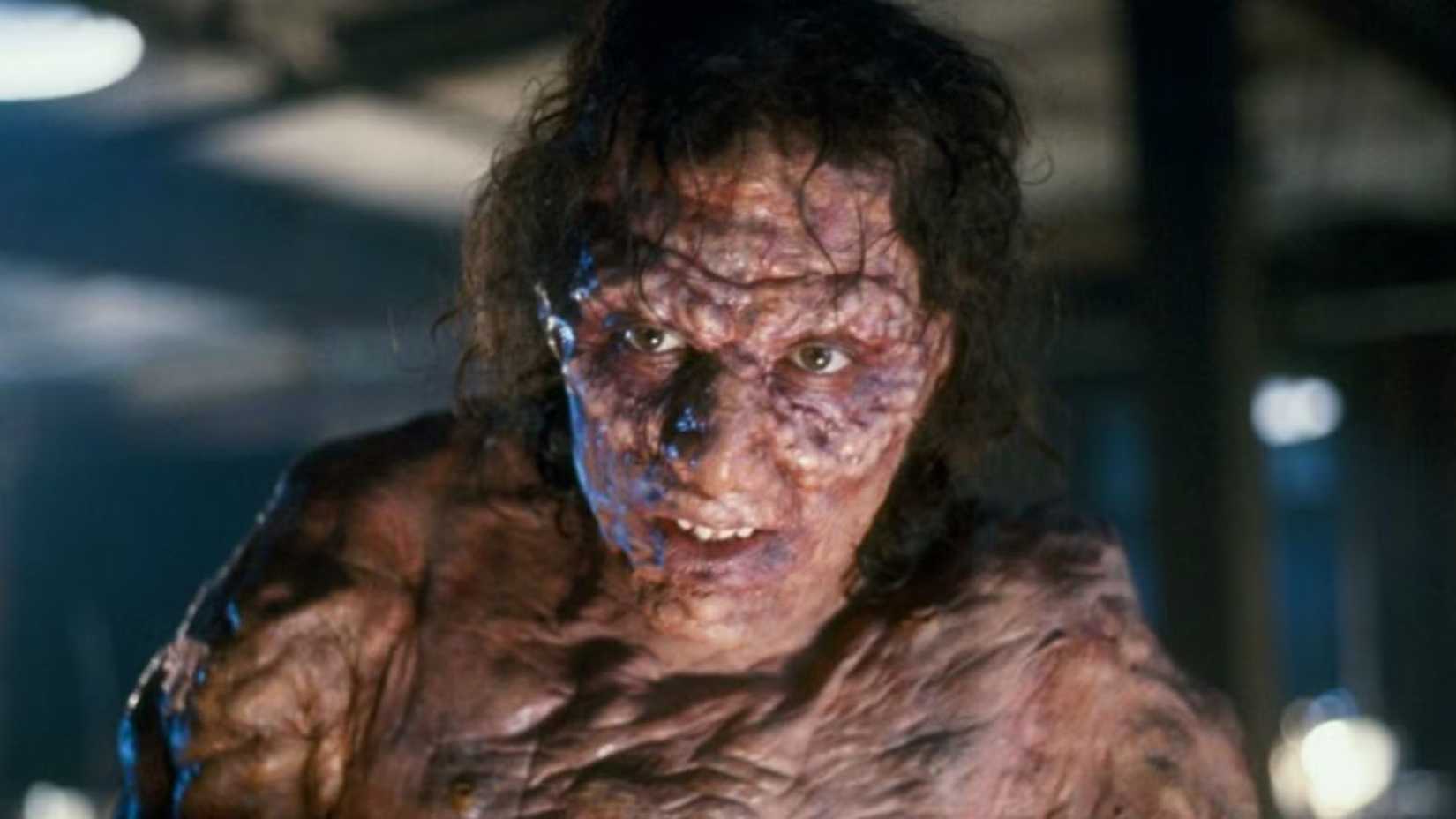
Most horror movies create fear through outside threats, but “body horror” flips that idea by making the danger come from inside the body. This disturbing subgenre plays on our basic fears of injury, disease, and unwanted changes to our physical selves. Director David Cronenberg is most famous for pioneering body horror, and his work continues to define the genre.
Movies like The Fly, Videodrome, and The Brood are prime examples of body horror, and they’ve heavily influenced recent films such as Titane and Raw. A key part of what makes body horror effective is the use of realistic, often gruesome, practical effects – CGI just doesn’t have the same impact. That’s because the genre aims to tap into a deep-seated fear of the body itself, and the unpleasant realities of aging, illness, and death.
Found Footage
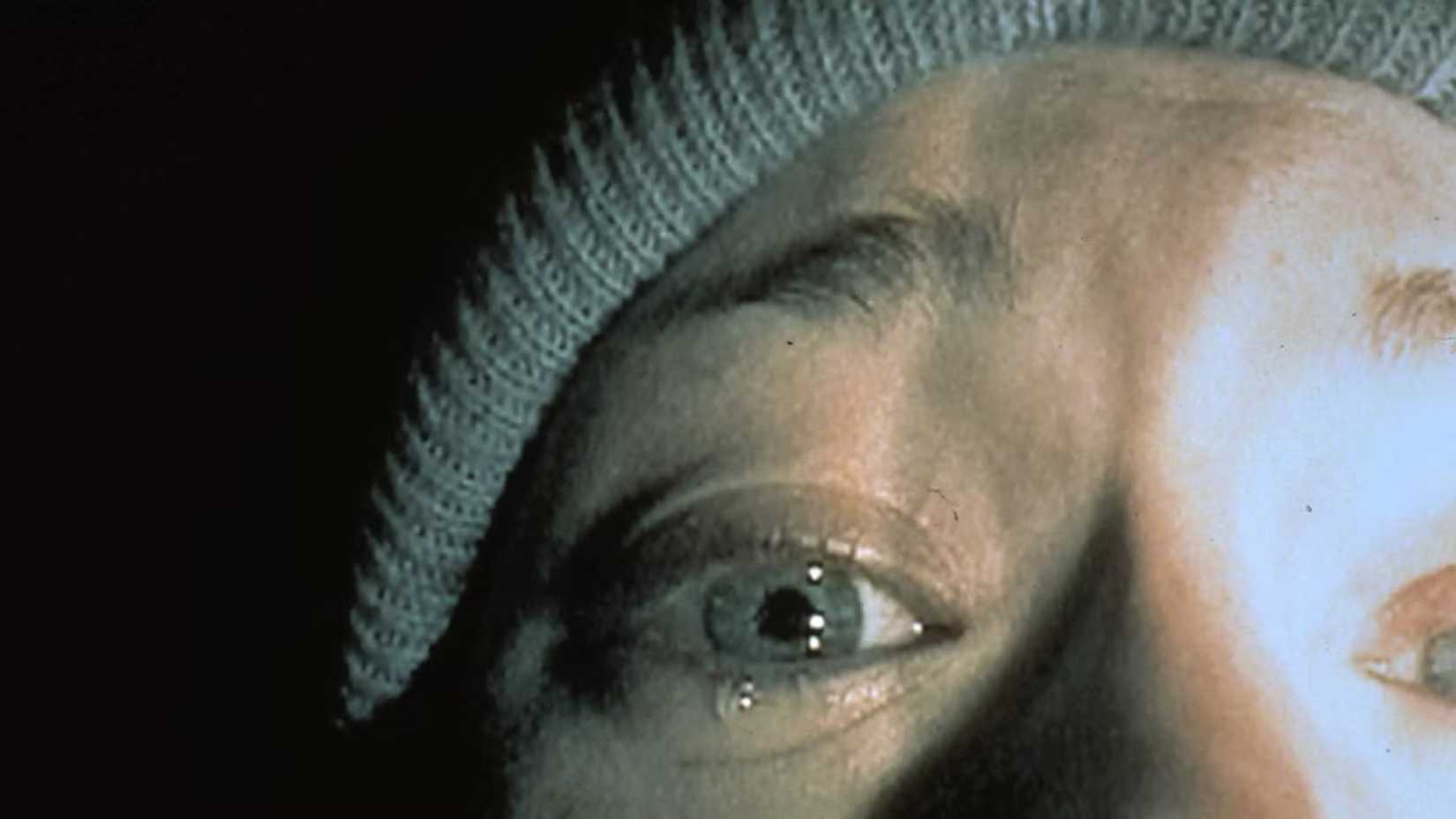
While found footage can be used in any type of movie, it’s become especially popular in horror. Instead of the polished look of typical films, found footage movies use cameras that look like they were shot by ordinary people, making the events seem real. The goal is to intentionally make it hard to tell what’s real and what’s fake, keeping the audience on the edge of their seats.
While not the first to use the technique, The Blair Witch Project really popularized the found footage style of filmmaking. The late 2000s saw a lot of found footage movies, but some filmmakers still managed to create excellent work within the genre. Films like REC and Creep demonstrated that found footage can be much more than just a low-budget trick.
Ghost Stories
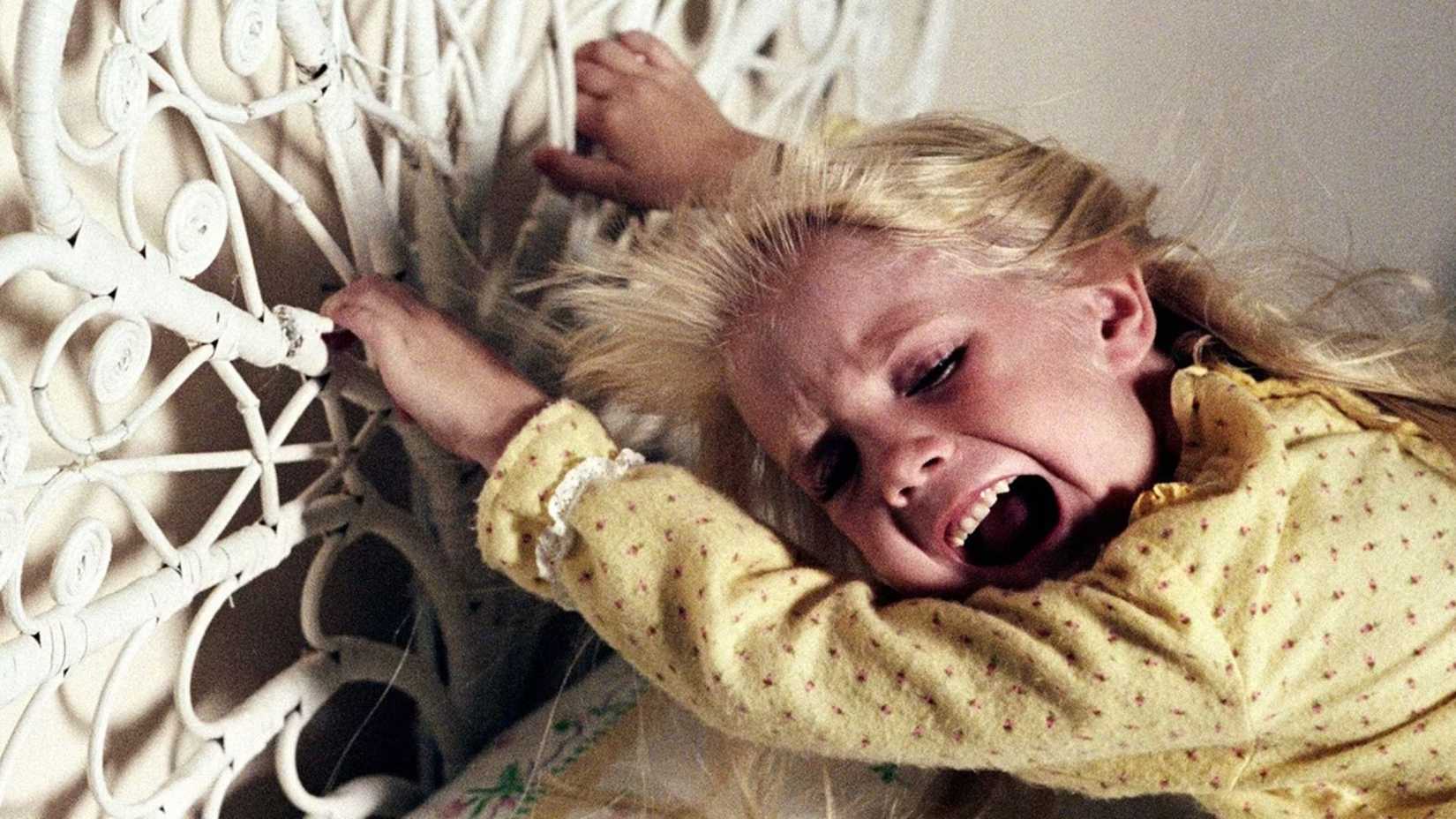
Ghost stories are incredibly old, existing in cultures worldwide long before the invention of film. In movies, they’ve always allowed directors to create scary experiences and experiment with new filmmaking techniques. While Steven Spielberg’s Poltergeist updated the genre for a new era, it’s just one example of a truly classic ghost story.
Ebaster Report
Ebaster Report
By subscribing, you agree to receive newsletter and marketing emails, and accept Valnet’s Terms of Use and Privacy Policy. You can unsubscribe anytime.
Ghost stories frequently involve sadness and loss, and films like The Changeling really emphasize that emotional side. While often seen in gothic horror, ghosts can appear in stories set in any era. They also blend well with other types of scary movies – the Paranormal Activity series, for example, combined ghosts with the found footage style. What’s really great about ghost movies is how different cultures put their own spin on these tales.
Slashers
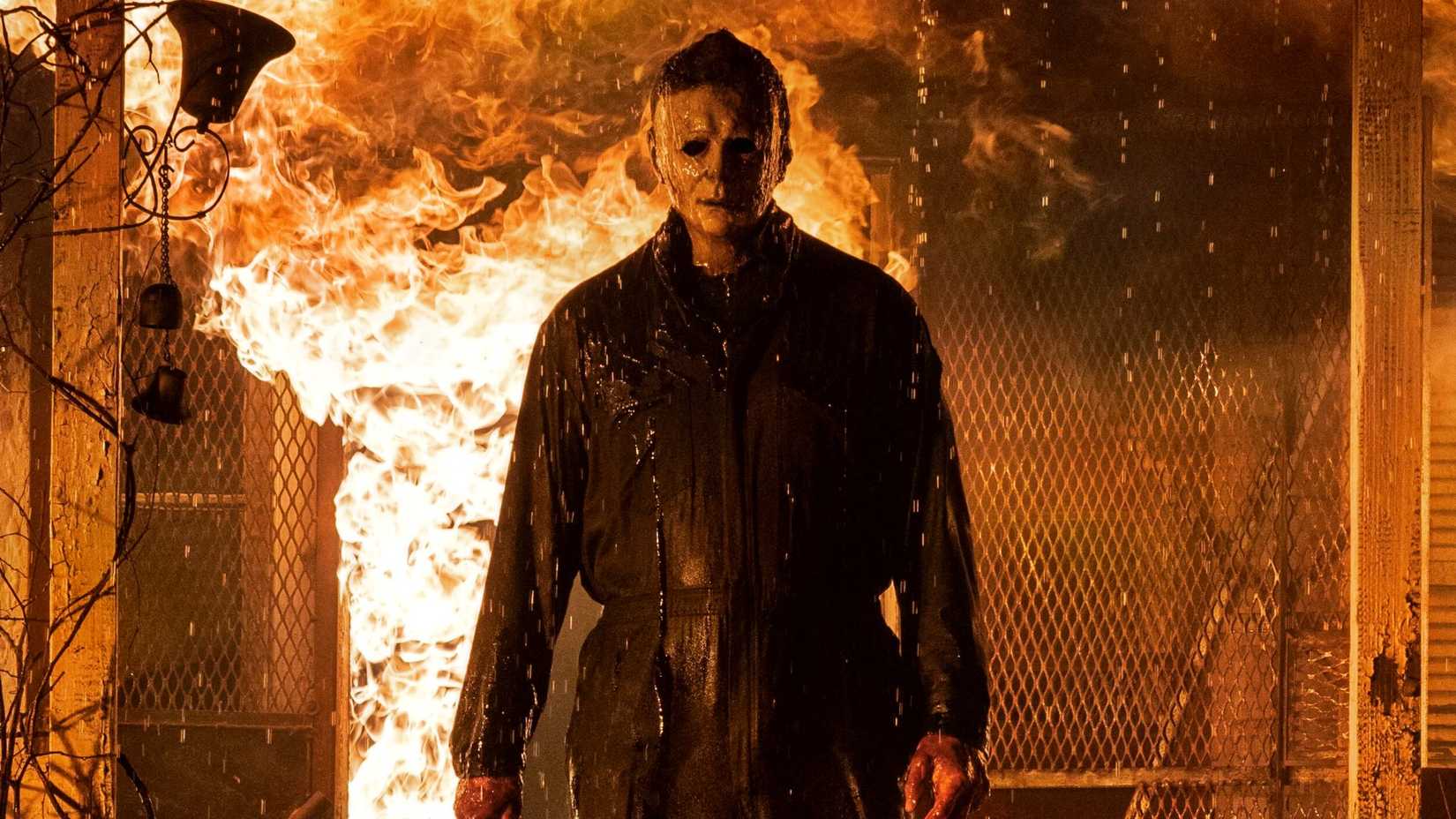
As a horror fan, I’ve always found slashers fascinating. They really came into their own around the middle of the 20th century, and to me, they always felt like a way for society to express hidden frustrations. You’ve got the basics – a killer who’s usually hidden behind a mask, a lot of people meeting unfortunate ends, and a sort of underlying message about staying away from trouble, especially when it comes to sex and partying. Movies like Halloween and Friday the 13th didn’t create all those elements, but they definitely perfected them and made them staples of the genre.
While many have analyzed the deeper meaning of slasher films, their success really comes down to being easy to understand and follow. The genre was hugely popular in the 1980s, became more challenging in the 1990s, and has seen a bit of a decline since. However, slashers continue to be a great way for filmmakers to tap into and explore the fears many people share.
Zombie Films
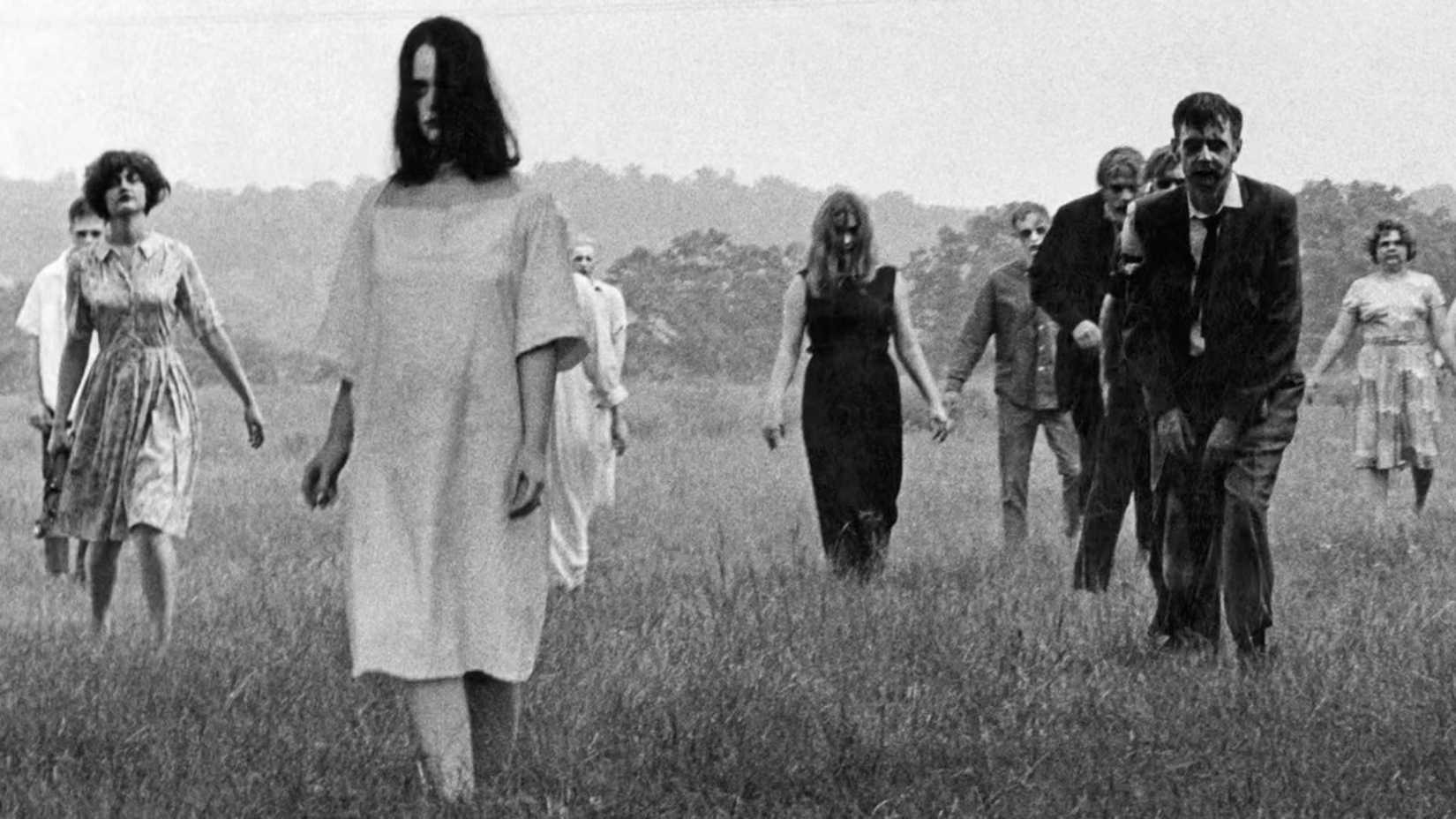
While not the most common type of horror movie, zombie films have had some of the biggest surges in popularity over time. They began with early cinema’s tales of people controlled by dark forces, and eventually became the slow-moving, undead creatures popularized by George Romero. His film, Night of the Living Dead, fundamentally changed the genre, and it’s continued to evolve ever since.
Great zombie movies aren’t simply about scary monsters and eating people; they delve into what makes us human, both good and bad. What’s truly compelling is seeing how people react when everything falls apart, even more so than the scares themselves. The reason zombies are frightening is that they force us to confront our own inner darkness.
Read More
- Clash Royale Best Boss Bandit Champion decks
- Vampire’s Fall 2 redeem codes and how to use them (June 2025)
- Mobile Legends January 2026 Leaks: Upcoming new skins, heroes, events and more
- World Eternal Online promo codes and how to use them (September 2025)
- Clash Royale Season 79 “Fire and Ice” January 2026 Update and Balance Changes
- Best Arena 9 Decks in Clast Royale
- Clash Royale Furnace Evolution best decks guide
- How to find the Roaming Oak Tree in Heartopia
- FC Mobile 26: EA opens voting for its official Team of the Year (TOTY)
- Best Hero Card Decks in Clash Royale
2025-12-21 17:37