It’s not surprising that some Star Trek episodes have been banned. The show has always been about pushing boundaries and tackling big issues like race, gender, and war through its stories. Back in the 1960s, that kind of bold television was both groundbreaking and caused a lot of controversy for Paramount.
Although some episodes of the series were changed to be suitable for television, others were completely taken off the air. These removals happened either because the content was too violent or dealt with mature themes. Despite attempts to ban them, these Star Trek episodes remain well-known and memorable.
“The High Ground”
‘Star Trek: The Next Generation’ Season 2, Episode 12
Paramount
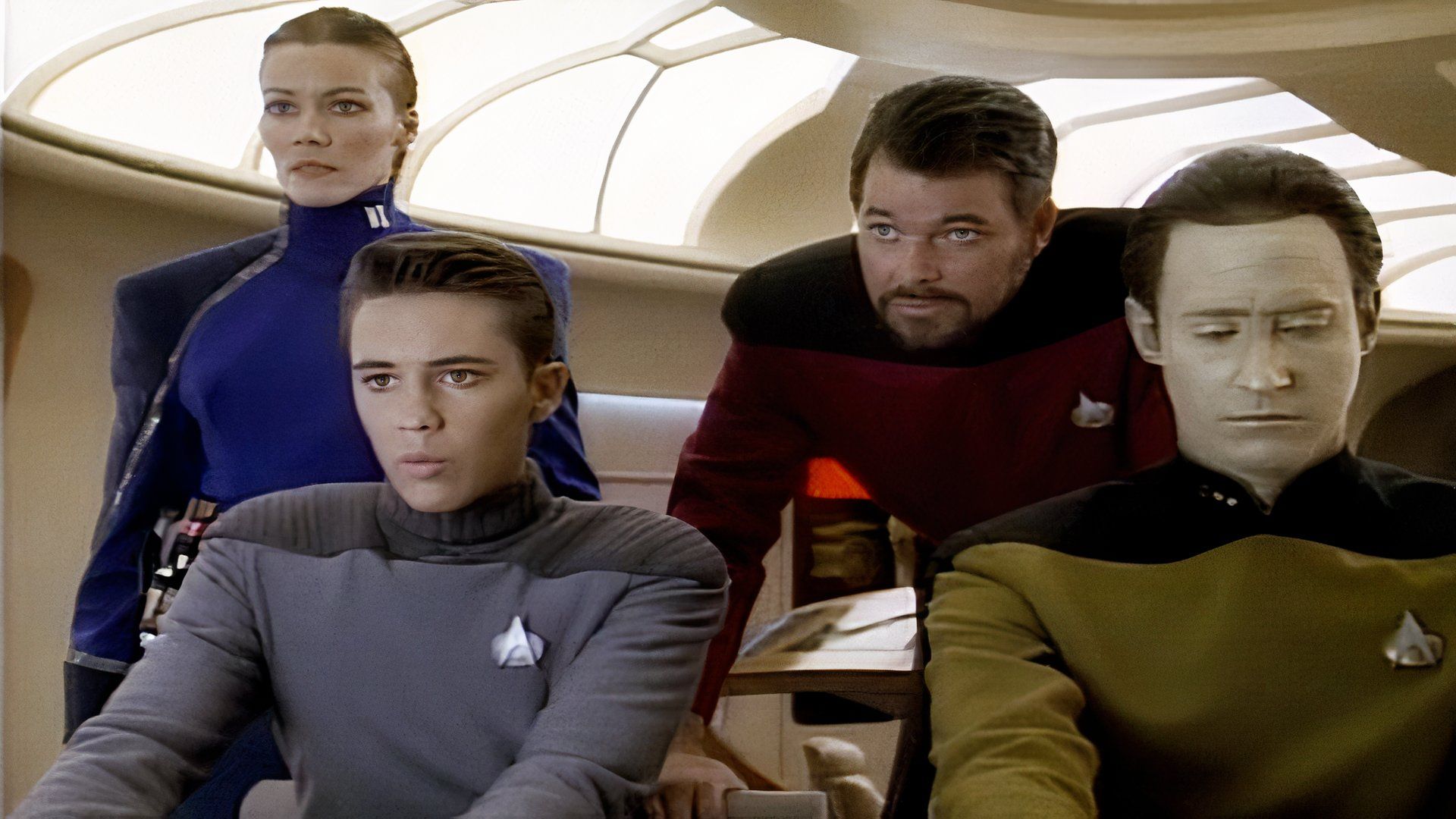
I just finished watching “The High Ground,” and honestly, it seems pretty standard Star Trek: The Next Generation fare – an alien conflict, a crew member in danger, you know the drill. But here’s the thing that stuck with me: Data casually mentions a future – 2024, to be exact – where Ireland is reunified. Now, as a UK viewer, that’s… a bit of a sensitive topic, let’s just say. It’s a small moment, but it definitely caught my attention and added an unexpected layer to the episode.
The Star Trek: The Next Generation episode “The High Ground” was prohibited in both the UK and Ireland because it referenced Irish independence. The BBC noted the timing was problematic, as conflicts in Northern Ireland, known as the Troubles, were still happening. The episode eventually broadcast in the UK in the 2000s.
“The Empath”
‘Star Trek: The Original Series’ Season 3, Episode 12
Paramount
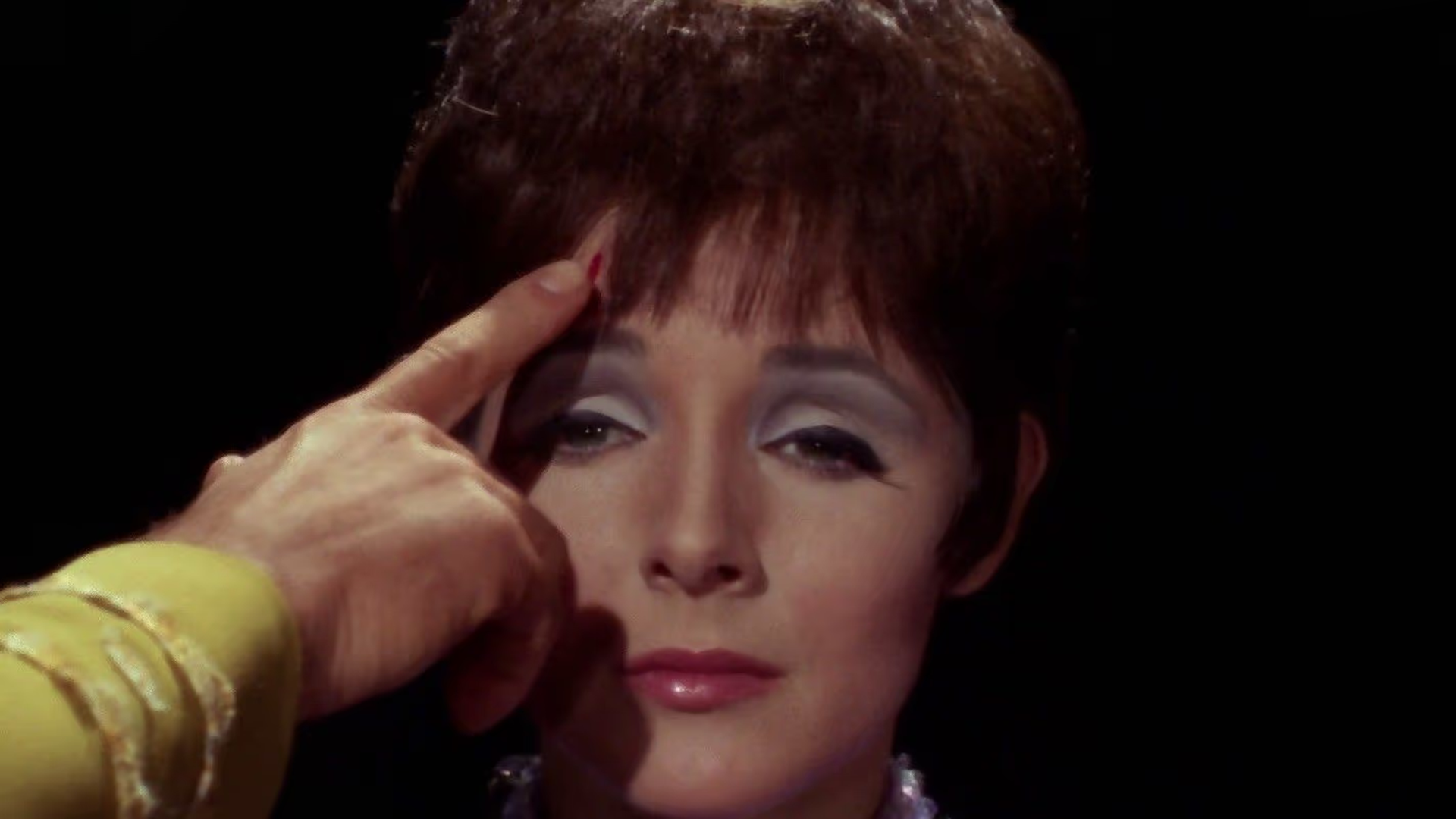
As a huge Star Trek fan, I always find the episode “The Empath” particularly chilling. It’s about the Enterprise crew trying to save a team of scientists, but they end up captured and subjected to some truly awful experiments. They also find this fascinating woman named Gem, who has the incredible – and incredibly useful, given the situation – ability to absorb pain. Let me tell you, that ability gets a real workout as the crew faces some seriously horrific treatment!
Despite having a strong message about empathy and understanding, the episode “The Empath” contained violence that overshadowed its story for some viewers. The scenes of the crew being tortured were so intense that the BBC actually prohibited it from airing at the time. It’s unfortunate that people in Britain had to wait until 1994 to see this Star Trek episode. However, it remains a standout from season three, largely due to its impressive visuals, smart writing, and excellent acting.
“Patterns of Force”
‘Star Trek: The Original Series’ Season 2, Episode 21
Paramount
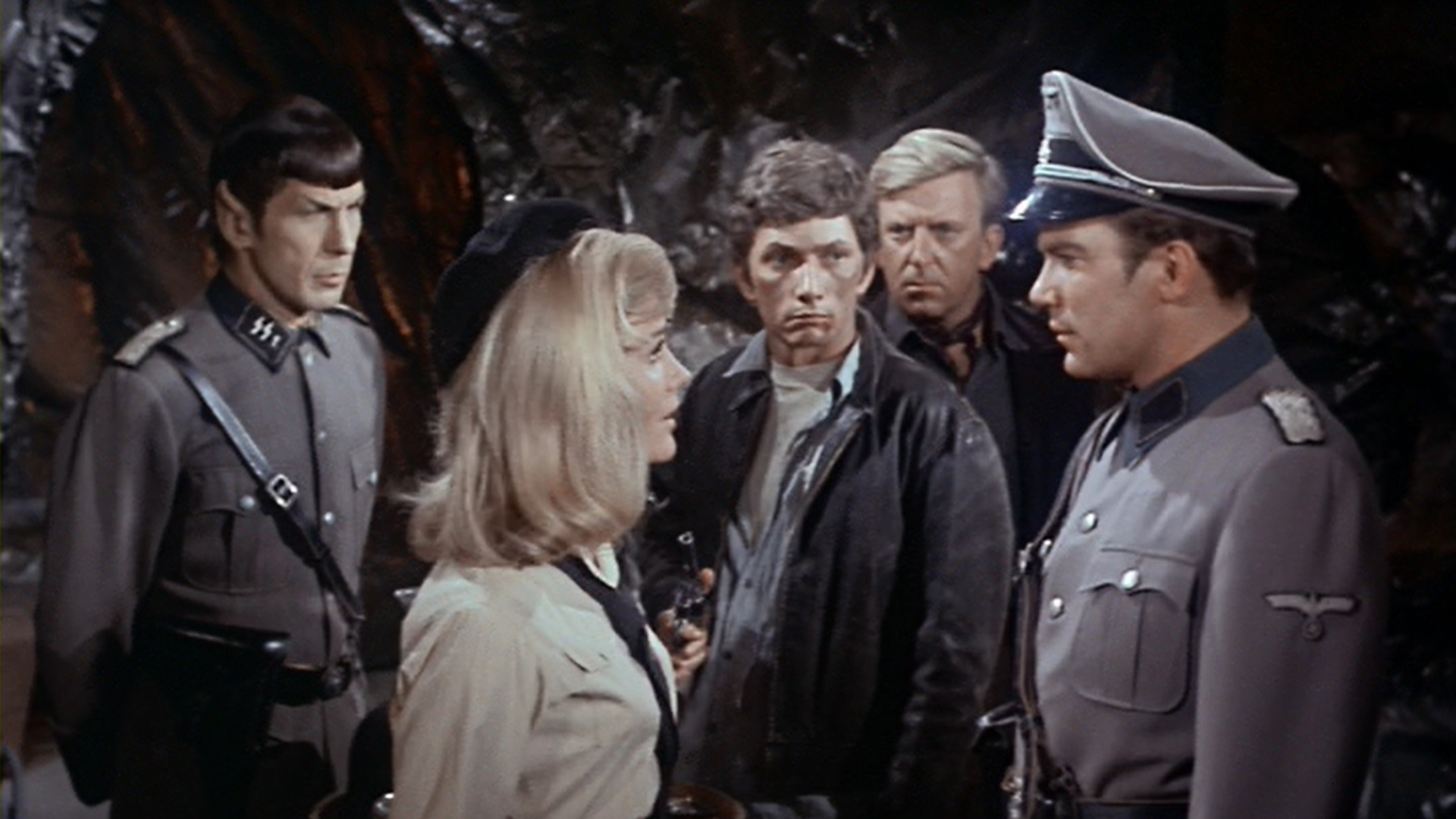
This Star Trek: The Original Series episode features a shocking discovery: the crew encounters a planet, Ekos, overrun with Nazi imagery and ideology. They investigate the disappearance of a historian, believing he may be the source of this troubling influence, and embark on a perilous journey through a world mirroring fascist regimes.
The Star Trek episode “Patterns of Force” was initially banned in Germany due to its controversial portrayal of Nazis. German television was sensitive about depictions of Nazis, and the episode – even though it criticized the Nazi movement – featured their uniforms and language. It eventually aired in Germany in the mid-1990s.
“Whom Gods Destroy”
‘Star Trek: The Original Series’ Season 3, Episode 14
Paramount
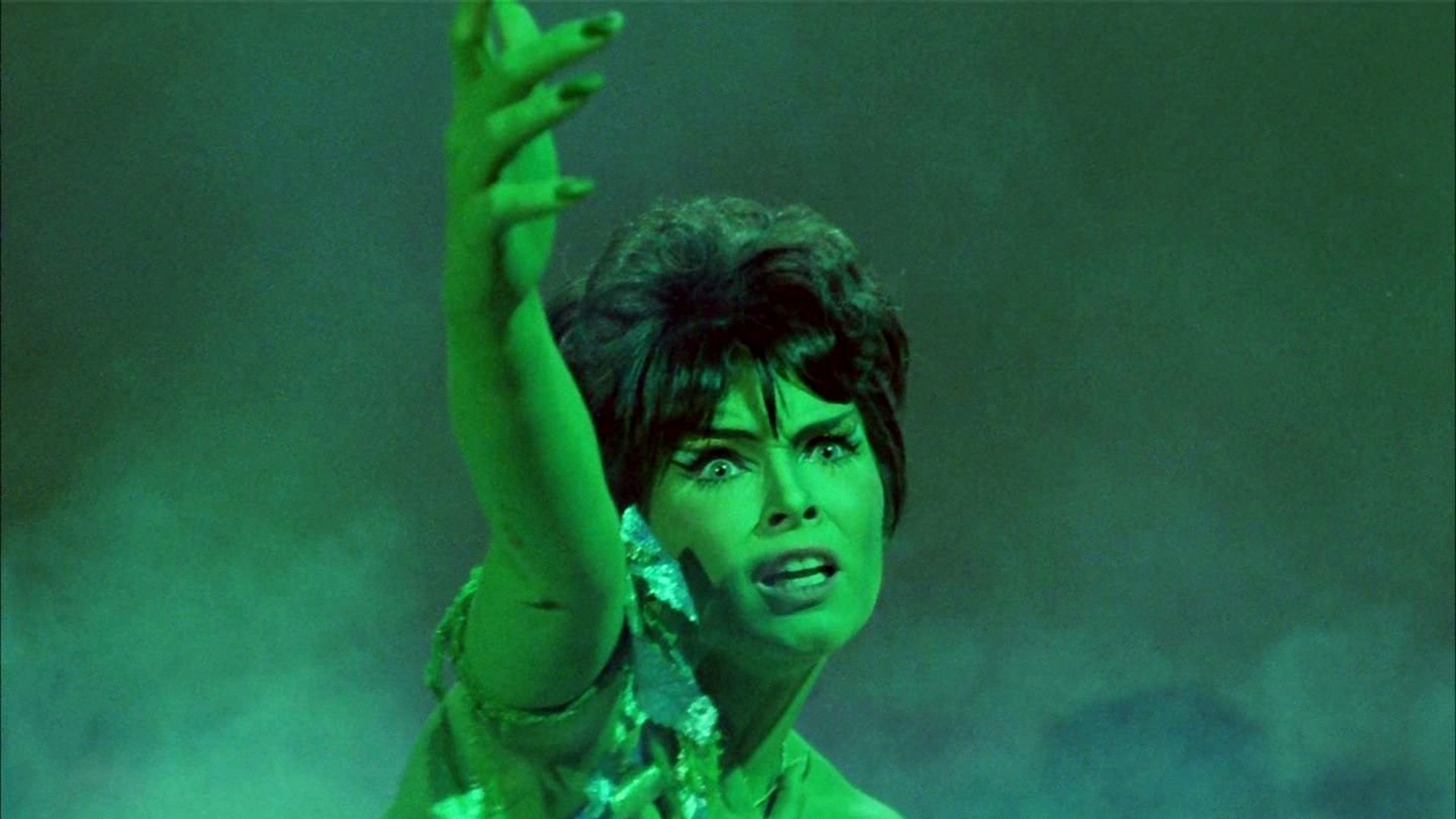
The original Star Trek series often addressed mature themes, and the episode “Whom Gods Destroy” is a great illustration of this. The story begins with a seemingly simple mission to deliver medical supplies to a mental asylum, but things quickly become dangerous when Kirk and Spock are targeted by a shapeshifting individual named Garth. As part of Garth’s scheme, a captivating Orion patient named Marta attempts to seduce Kirk before trying to kill him.
The BBC didn’t initially broadcast the Star Trek episode “Whom Gods Destroy” because they thought Marta’s suggestive dance and the episode’s themes of sadism were inappropriate for younger viewers. British audiences didn’t get to see Marta’s character until the 1990s, when the ban was finally lifted.
“Miri”
‘Star Trek: The Original Series’ Season 1, Episode 8
Paramount
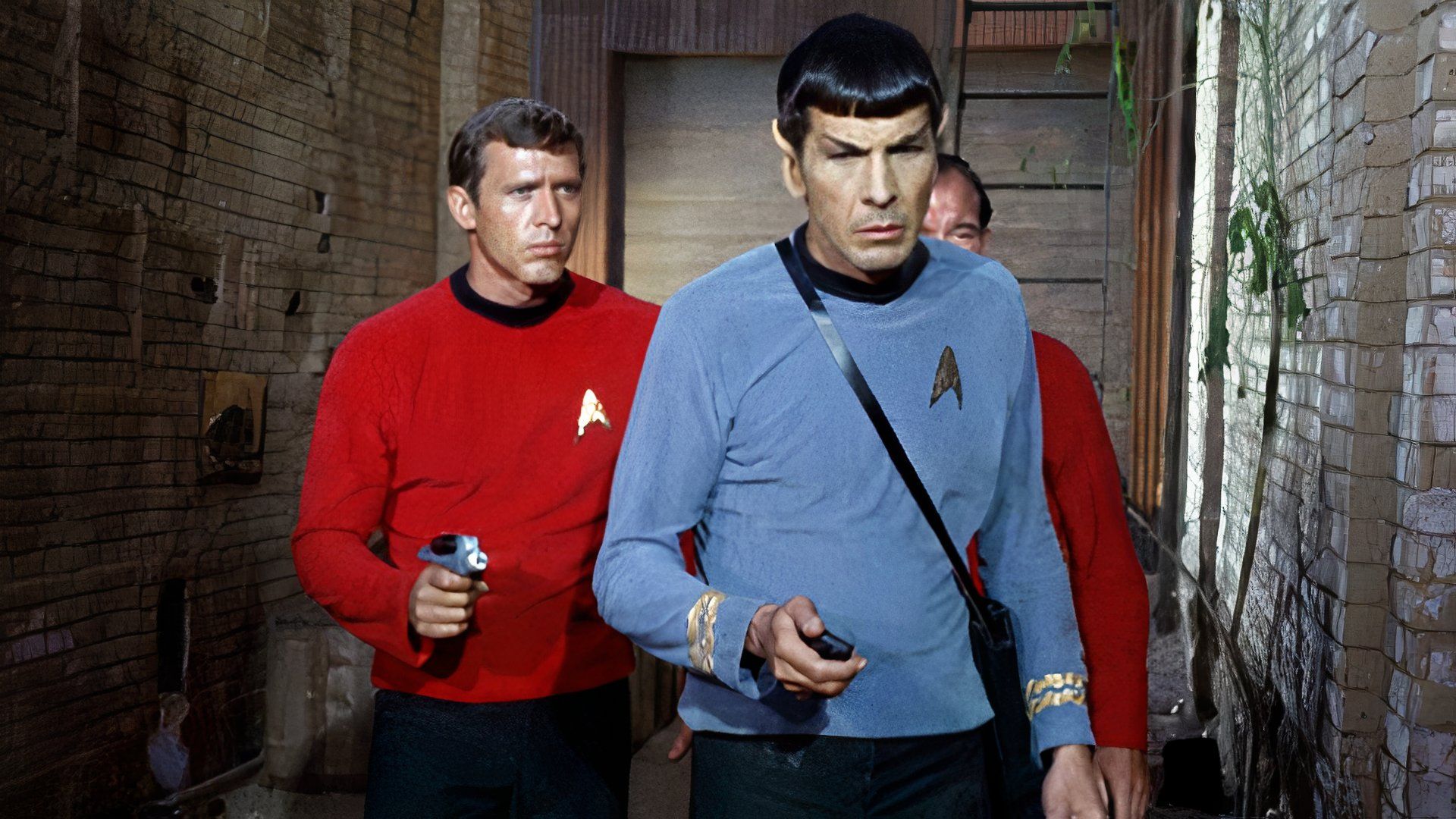
Before the horror film Children of the Corn, the Star Trek episode “Miri” explored a similar idea. The crew of the Enterprise visits a planet resembling the 1960s and finds it inhabited only by children. These kids are unaffected by a disease that has killed all the adults and now poses a threat to the starship crew.
The BBC decided to stop showing some episodes of “Star Trek,” and Miri was one of them. The most likely reason was how the episodes portrayed illness. Although the BBC only aired each episode once, they removed it after receiving complaints that haven’t been made public. It’s thought that the storyline – featuring children surviving on their own after a plague killed their parents – was considered too disturbing for young viewers.
“Conspiracy”
‘Star Trek: The Next Generation’ Season 1, Episode 25
Paramount
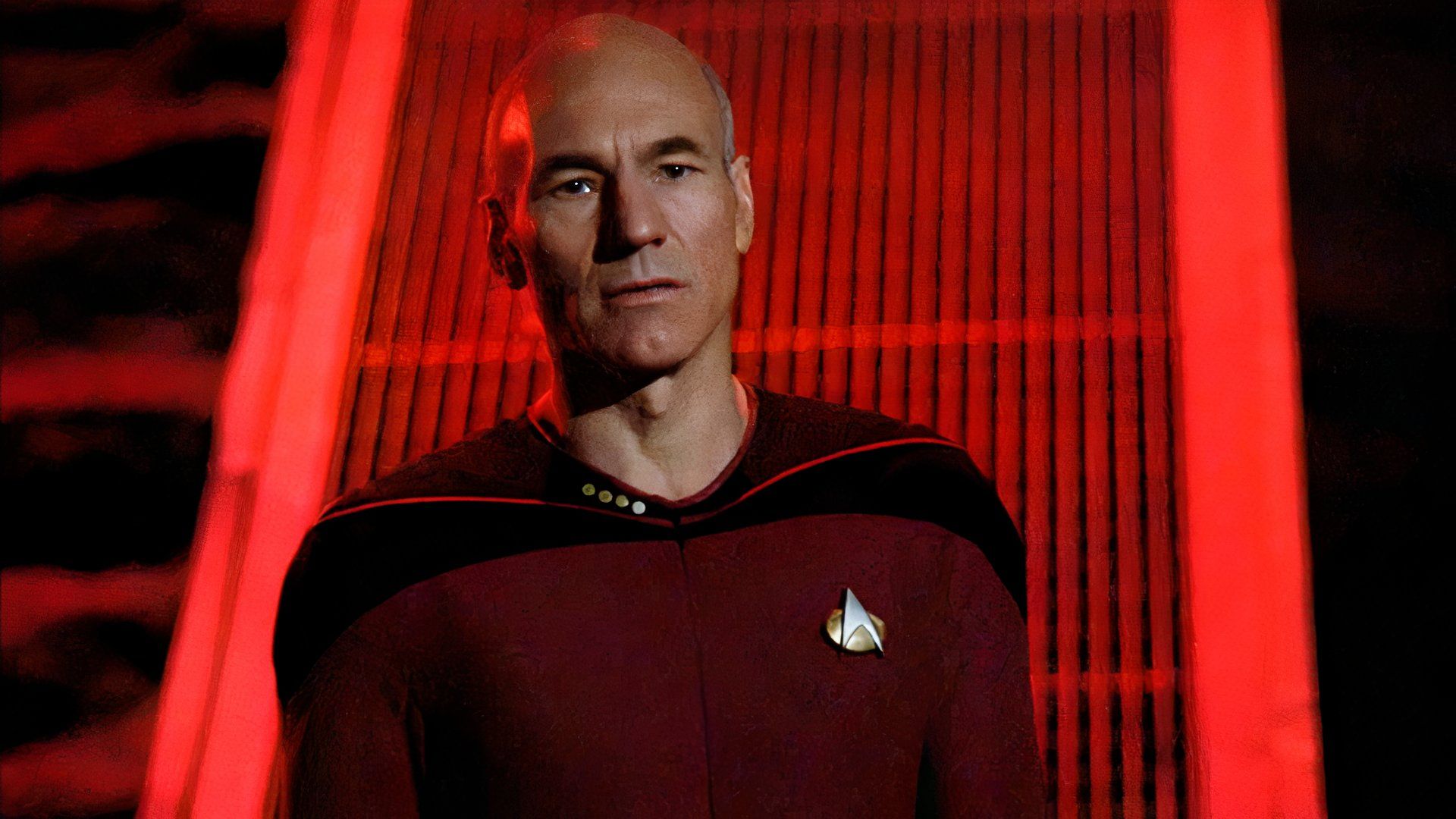
As a huge Star Trek fan, I remember the “Conspiracy” episode of Next Generation vividly – mostly because of that exploding head! It was a really unsettling story about a parasitic alien that infiltrated the Enterprise, and the episode focused on the suspicion that several Starfleet officers had been taken over. Honestly, it was pretty graphic for its time, showing these creatures actually burrowing into people – not exactly bedtime viewing, but definitely memorable!
The “Conspiracy” episode of The Next Generation is known for its graphic violence, so much so that it was banned in the UK. The scene where Picard and Riker shoot the infected Remmick is particularly shocking – his skin melts off his face before he violently explodes, revealing the large parasite inside. This happened early in the show’s first season, when the creators were still experimenting with tone and style, and the episode briefly felt like something out of a David Cronenberg film.
“Plato’s Stepchildren”
‘Star Trek: The Original Series’ Season 3, Episode 10
Paramount
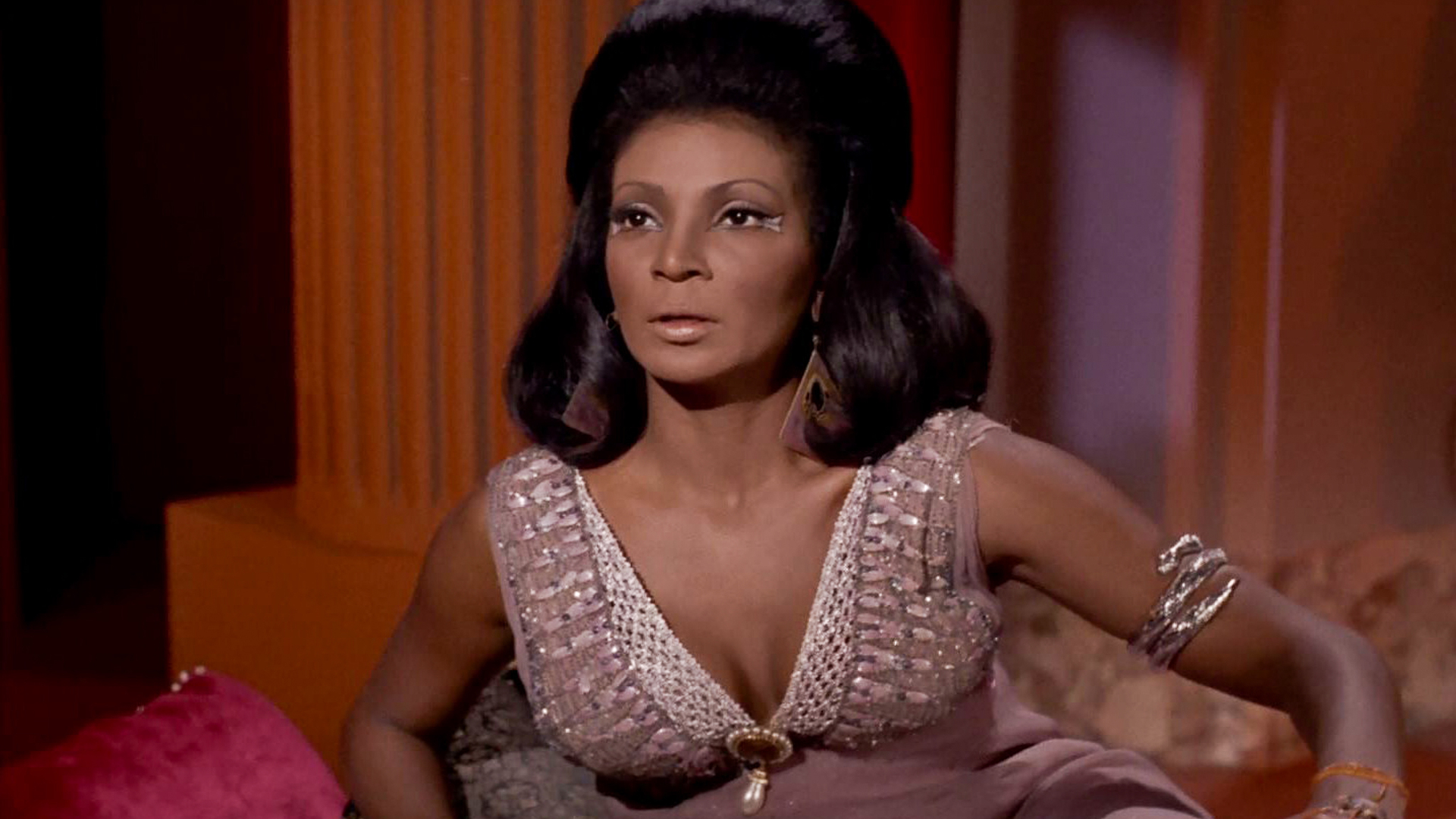
When I first heard about “Plato’s Stepchildren,” it sounded like your typical Star Trek alien encounter – but with a Greek twist! The Platonians are obsessed with ancient Greece, everything from their thinkers to what they wear. The story quickly throws you into a situation where the Enterprise crew gets captured by these beings, and it turns out they have some pretty powerful telekinetic abilities. It’s a fun episode, honestly!
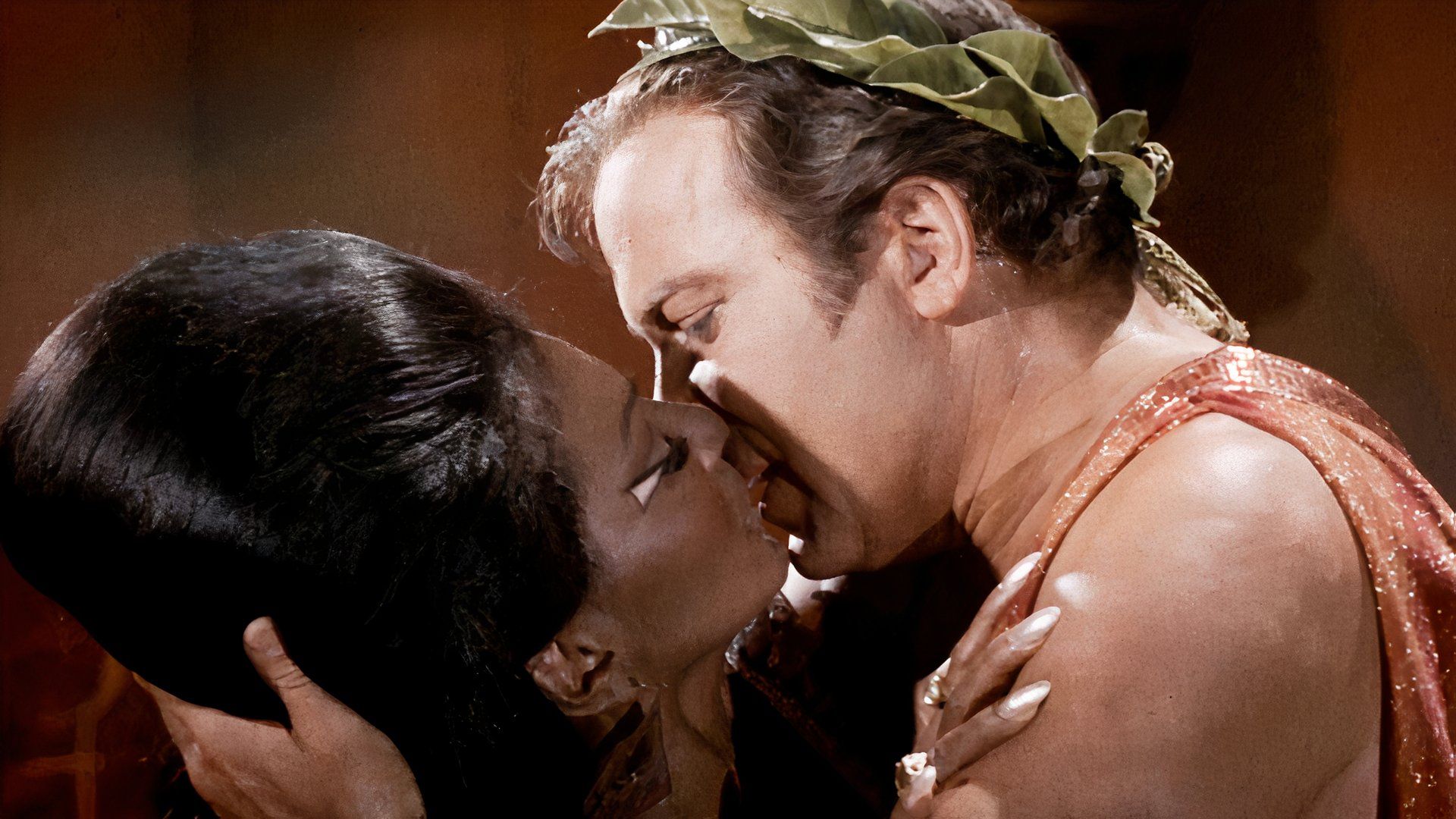
The “Plato’s Stepchildren” episode of Star Trek is famous for showing Captain Kirk and Uhura sharing a kiss – one of the first interracial kisses on television, according to History.com. However, this wasn’t the reason the BBC banned it in the UK. The BBC officially cited depictions of torture and sadism as the cause for the ban. Though the episode does contain violence, many believe the kiss also influenced the decision.
Read More
- Clash Royale Best Boss Bandit Champion decks
- Vampire’s Fall 2 redeem codes and how to use them (June 2025)
- World Eternal Online promo codes and how to use them (September 2025)
- Best Arena 9 Decks in Clast Royale
- How to find the Roaming Oak Tree in Heartopia
- Country star who vanished from the spotlight 25 years ago resurfaces with viral Jessie James Decker duet
- Mobile Legends January 2026 Leaks: Upcoming new skins, heroes, events and more
- M7 Pass Event Guide: All you need to know
- Solo Leveling Season 3 release date and details: “It may continue or it may not. Personally, I really hope that it does.”
- Kingdoms of Desire turns the Three Kingdoms era into an idle RPG power fantasy, now globally available
2025-12-07 02:04