The idea of telling a complete story in a limited number of episodes goes back to early radio dramas. Since then, many shows of this type have become popular. Now, with streaming services, viewers can easily watch these single-season programs all at once, without worrying about them dragging on too long.
As a huge fan of long-form storytelling, I remember when miniseries were a really big deal, like with The Winds of War back in ’83. They kind of faded away for a while, but then they made a comeback in the 2000s and did really well – both audiences and critics loved them. There are just a handful, though, that are so rich and complex, you need to watch them more than once to really get everything they offer, and connect with the characters.
The Outsider Turns Certainty Into Unadulterated Horror
I’ve always loved seeing Stephen King stories brought to life, and it feels like there’s been a real surge in adaptations lately. For me, HBO’s The Outsider stands out – it’s one of his most chilling tales. The series not only captures the dark, serious mood of the book perfectly, but it also manages to add some really compelling new elements of its own.
The show thrives on keeping you guessing, turning a standard murder investigation into something increasingly strange and hard to believe. The Outsider works so well because it takes its time, building suspense over its eight episodes and leaving both the characters and the audience genuinely confused about what’s really happening.
When DNA evidence, what people claim they saw, and solid alibis don’t match up, it raises the disturbing idea that even careful reasoning might not be enough to solve the cases of these murdered children, bring peace to their families, or clear the names of those wrongly accused. Ben Mendelsohn’s character, Ralph Anderson, serves as the emotional center of the story, offering a contrast to the brutally honest and analytical thinking of another key character.
Ultimately, The Outsider is a story about how communities respond to fear, and the destructive power of grief. The monster in the show isn’t the most frightening part; it’s the way people try to make sense of evil, a process that’s so complex and nuanced that multiple viewings are needed to fully appreciate the show’s brilliance.
Mare of Easttown Explores Grief in a Town Beset by Trauma
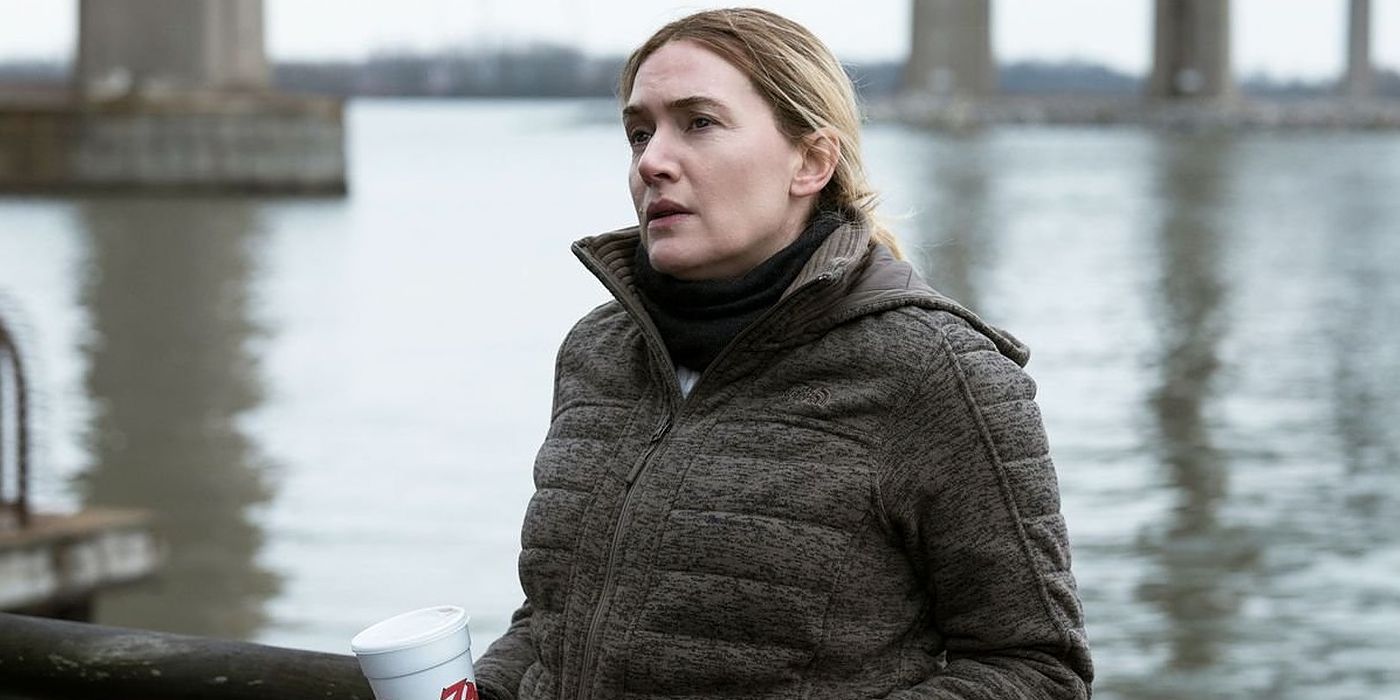
Kate Winslet has consistently impressed audiences with her acting, but her role in Mare of Easttown truly showcased the full extent of her talent. Her character, Mare Sheehan, offers a fresh take on the troubled detective trope, portraying trauma realistically and making the series a powerful exploration of how communities cope with loss.
I was struck by how much Mare of Easttown reminded me of shows like The Outsider. Both are set in those tightly-knit communities where everyone seems to know everyone else’s business. But what really impressed me about Mare of Easttown is that it showed me knowing about someone is so different from actually understanding them, especially when they’re carrying hidden pain. Honestly, the mystery itself felt secondary to the way the show explored the deep emotional wounds – things passed down through families, or the weight of being a parent – and how those scars really shape people.
I was really captivated by Mare of Easttown. It wasn’t a mystery solved by brilliant deductions, but more by secrets gradually coming to light. Kate Winslet is incredible as Mare – she makes her feel so real, completely worn down and emotionally guarded. And Jean Smart as Mare’s mom, Helen? She was absolutely perfect – the ultimate supportive, yet complex, mother figure.
The show doesn’t offer easy closure; even after problems are solved, the characters still need to grow and heal. It portrays grief as something you live with, not something you simply get over, a point driven home in the final scenes. What makes the show truly rewarding, and worth watching again and again, is its focus on the small, everyday moments that reveal hidden emotional depths.
Midnight Mass Shows How Faith Becomes Self-Righteous Violence
Look, I’ve been consistently blown away by everything Mike Flanagan has put out, and his latest is no exception. What he does so brilliantly is weave incredibly deep themes – in this case, a really nuanced look at faith – into genuinely scary stories. Specifically, this show masterfully explores how faith can be a source of comfort, but also how easily it can be twisted to excuse terrible things, especially when people feel cornered. The setting – a remote island community – really amplifies that sense of isolation and allows those ideas to breathe. It’s a complex, thought-provoking horror experience, and I highly recommend it.
While the final monster is terrifying, the real source of fear in Midnight Mass isn’t it—it’s the island’s residents and how they react to the supernatural events brought on by Father Paul. He isn’t intentionally a villain; he simply fails to understand that true miracles require consent, not just occurrence.
Life on Crockett Island becomes increasingly difficult, not just because of natural disasters, but because some residents believe they understand God’s will and impose it on others. Trapped with no way to leave, their narrow-mindedness spirals out of control, amplifying negativity and diminishing any positive influence, leaving no room for faith or dissent.
Midnight Mass tackles difficult questions about faith and forgiveness – specifically, do we need proof for what we believe, and can forgiveness truly exist without consequences? The show doesn’t offer easy answers, but revisiting it after knowing how the story ends changes your perspective. Cruel and kind actions take on new meaning, and the show’s themes become even more complex and open to interpretation.
The Night Of Reveals That Justice Isn’t What It’s Supposed to Be
Being falsely accused can destroy a person’s life, especially when race and religion are involved, as often happens with Muslim men accused of harming white women in the United States. These cases highlight the long-standing tensions around race and religion in the country. The miniseries The Night Of powerfully shows how a person’s life can be tragically altered by a legal system that doesn’t prioritize proving innocence.
I was absolutely blown away by Riz Ahmed in The Night Of – he completely deserved that Emmy for playing Nasir Khan! The show itself was a huge success, winning five Emmys from fourteen nominations. But what really stuck with me wasn’t just the mystery, it was how Nasir’s arrest and imprisonment just devastated his whole family. It wasn’t just his suffering, it felt like everyone around him was falling apart, and it was heartbreaking to watch.
The miniseries realistically portrays the legal system, showing how courtroom drama and tough negotiations often prioritize winning over finding the truth. Life in prison is even more devastating, as a build-up of degrading experiences gradually destroys Nasir’s sense of self.
The story avoids dramatic surprises and sticks to a straightforward, realistic portrayal of events, offering Nasir no easy escape from an unjust situation. Though legally cleared, the experience profoundly impacts him, leaving him worse off. Revisiting the show reveals previously unnoticed emotional nuances, reinforcing its bleak outlook rather than lessening its impact.
Beef Exposes How Rage and Loneliness Spiral Into Obsession
The intense chemistry between Steven Yeun and Ali Wong in Beef drives the story’s emotional core, though it’s deeply unstable. Both characters stubbornly refuse to admit they’re wrong, preferring to escalate the conflict rather than compromise. This raw anger quickly makes things worse, pushing Danny and Amy towards a breaking point where they must finally face the consequences of their behavior.
The series Beef starts with a simple car crash, but quickly becomes a deep exploration of feelings like loneliness, shame, and the pain of unfulfilled hopes – themes that really resonate with the anxieties of millennials. The show brilliantly captures how anger often isn’t about what’s happening right now, but the build-up of past disappointments finally needing to be expressed.
Danny and Amy both turn their anger towards each other, and while they’re unpleasant when upset, they can be surprisingly likeable at other times. What’s most striking is how easily we connect with them. The show Beef uses the way their conflict grows and intensifies as the driving force of the story, revealing how obsession and fighting can change who we are.
Beef excels at shifting between hilarious moments and profound sadness without ever feeling disjointed, solidifying its place as one of the best miniseries ever made. The show subtly layers in recurring visual and conversational themes, making you connect with the characters even more on each viewing.
Adolescence Examines the Alienation and Resentment of Young Men
This story explores how different backgrounds – social, cultural, and family – shape a person’s viewpoint. It focuses on the increasing frustration of young men and teenage boys, particularly within the context of ‘inceldom,’ which refers to involuntary celibacy. While the term ‘incel’ is often discussed, this series reveals a deeper and more serious issue than many realize.
Growing up is always a confusing and challenging time, and many shows have successfully captured that experience. But “Adolescence” takes a different approach, focusing on the more difficult aspects of being a teenager. It’s darker and more realistic than shows like “Big Mouth” and “Sex Education,” which tend to be more lighthearted.
The story suggests that a lack of adult involvement in children’s lives contributes to the tragic events. Jamie Miller and his family are both blamed and subjected to hardship because of their connection to him. Despite facing difficult circumstances, they maintain hope, finding it even in the darkest of times.
The series Adolescence captures the emotional rollercoaster of being a teenager through Jamie, who swings between confidence and self-doubt. What Jamie doesn’t say is often as important as what he does, making the show feel like a personal diary revisited. Each time you watch, it encourages you to think more about your own experiences growing up and how you remember them.
Read More
- Clash Royale Best Boss Bandit Champion decks
- Vampire’s Fall 2 redeem codes and how to use them (June 2025)
- Mobile Legends January 2026 Leaks: Upcoming new skins, heroes, events and more
- World Eternal Online promo codes and how to use them (September 2025)
- Clash Royale Season 79 “Fire and Ice” January 2026 Update and Balance Changes
- M7 Pass Event Guide: All you need to know
- Clash Royale Furnace Evolution best decks guide
- Best Arena 9 Decks in Clast Royale
- Best Hero Card Decks in Clash Royale
- How to find the Roaming Oak Tree in Heartopia
2025-12-18 18:09