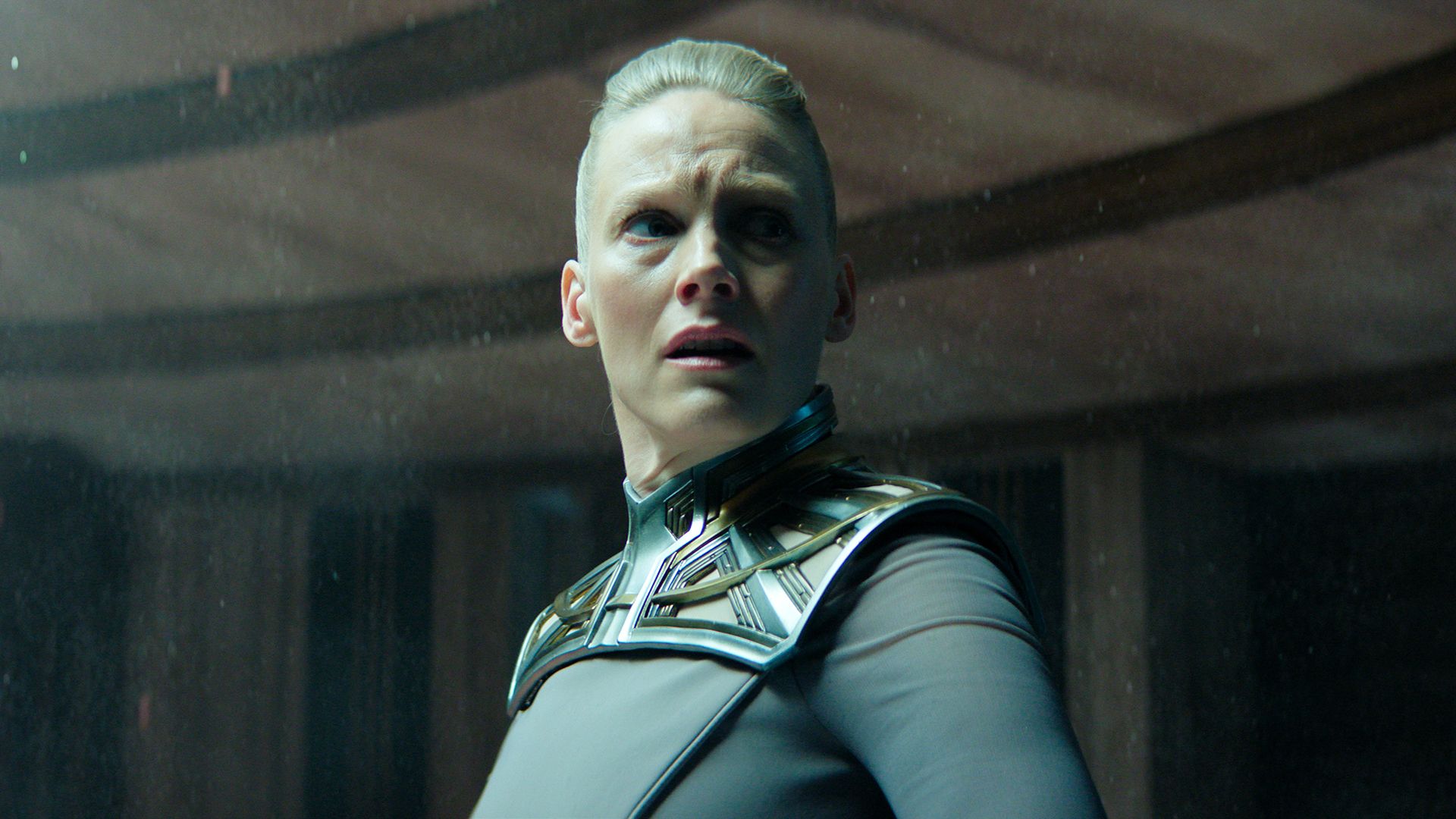
Apple TV+ aims to redefine science fiction with its new series based on William Gibson’s classic 1984 novel, Neuromancer. This is one of Apple TV+’s most ambitious projects yet, and it could significantly change the way sci-fi stories are presented, especially on TV.
Turning William Gibson’s groundbreaking novel Neuromancer into a movie has proven incredibly difficult. Hollywood studios have repeatedly attempted to adapt the story for the big screen, but none have succeeded. Now, with Apple Studios aiming to release a finished adaptation in 2026, Neuromancer might finally overcome its reputation as an ‘unfilmable’ book. However, Apple is still taking a significant gamble by attempting this adaptation.
Neuromancer Has a Troubled History With Live-Action Adaptations
Adapting William Gibson’s Neuromancer for the screen has proven incredibly challenging. While Apple isn’t the first studio to try, they may be the first to make real progress. Attempts to bring the novel to life began in the 1980s, shortly after its publication, but projects in the 1990s and 2010s all failed. This led many to believe that Neuromancer was simply impossible to film.
Adapting Neuromancer is a huge challenge because of its complex ideas, and the fact that science fiction is already so common in film and television. After forty years of failed attempts to make a movie or show, Apple TV+’s new adaptation faces enormous pressure. Given that established directors like Chuck Russell, Vincenzo Natali, and Tim Miller all tried and failed to bring the story to life, some consider the project jinxed. If Apple’s series doesn’t succeed, it could further damage Neuromancer‘s reputation in Hollywood and likely prevent any future adaptations.
A Neuromancer Adaptation Must Balance Competing Themes
Neuromancer isn’t just an exciting science fiction adventure with great action and characters. William Gibson’s novel explores complex ideas like rebellious subcultures, how technology can lead to societal breakdown, and difficult questions about right and wrong. While these themes make the book special, they also present challenges when trying to create a successful adaptation.
Apple TV+ benefits from the fact that William Gibson’s original ideas from the 1980s still resonate today. This allows the show’s creators to remain faithful to the story’s core message while still attracting a modern audience. The challenge, though, is balancing the many different ideas and styles present in the source material. Leaving any out risks disappointing devoted fans of the book, but including everything could be confusing or overwhelming for viewers who aren’t familiar with it.
Neuromancer Must Deal With a Broader Universe With a Vast History
One of the biggest challenges of adapting Neuromancer for Apple TV+ might also be what initially drew them to the story. Based on William Gibson’s 1984 novel, Neuromancer exists within a large and detailed universe explored in many of his writings. While the novel is the first book in the Sprawl Trilogy, it also expands on ideas from earlier works like the short story “Burning Chrome.” Neuromancer is the logical place to begin an adaptation of Gibson’s dark, futuristic world, but it’s a complex story with a lot of backstory.
As a huge fan of William Gibson, I’m really excited – and a little nervous – about the upcoming Neuromancer series on Apple TV+. It’s got so much potential. If they nail the atmosphere and really show us that world, I can totally see this opening the door for adaptations of the whole Sprawl trilogy, which would be amazing. But it’s a tricky balance. They have to get the worldbuilding right, capture that unique Gibson vibe. That first season is going to be crucial – they’re walking a tightrope, and I’m hoping they stick the landing!
Neuromancer’s Cyberspace Is a Difficult Concept to Adapt in Live-Action
A key element in William Gibson’s science fiction is “cyberspace,” a virtual world where people connect to computers directly. This concept has made adapting his novel, Neuromancer, challenging for filmmakers. Years ago, the problem was a lack of technology to convincingly show cyberspace. Today, the difficulty lies in making it feel unique, as many other sci-fi stories now feature similar digital realms.
When William Gibson introduced cyberspace in the 1980s, it was a completely new concept for readers. Now, the term is used so often that it risks diminishing the originality of his novel, Neuromancer, and its imaginative digital world. Films like The Matrix and Ready Player One have since presented similar digital realms. The upcoming Apple TV+ adaptation of Neuromancer therefore faces the challenge of both accurately capturing Gibson’s original vision and making it feel fresh and distinct from everything else out there.
Neuromancer’s Hard Sci-Fi May Not Appeal to Wider Audiences
As a huge cinema fan, I’ve noticed it’s getting harder for shows to really break through the noise these days. That’s why studios are leaning so heavily on familiar names – franchises that already have a built-in audience. While I’m excited about the Neuromancer series – I loved the original book by William Gibson – it doesn’t have the same mainstream recognition as giants like Star Wars or Dune. Plus, it’s definitely “hard sci-fi,” which means it’s very focused on scientific accuracy, and that kind of detail isn’t always what casual viewers are looking for. It could limit its appeal, unfortunately.
Apple TV+ has faced challenges gaining broad popularity, especially with shows like Foundation, which is based on Isaac Asimov’s work. Even critically acclaimed series like Foundation tend to attract mostly dedicated science fiction fans. Neuromancer will have a tough time finding a large audience, but it could become a big success if it combines its complex ideas with enough action and emotional connection to appeal to a wider range of viewers.
Read More
- Clash Royale Best Boss Bandit Champion decks
- Vampire’s Fall 2 redeem codes and how to use them (June 2025)
- Mobile Legends January 2026 Leaks: Upcoming new skins, heroes, events and more
- World Eternal Online promo codes and how to use them (September 2025)
- How to find the Roaming Oak Tree in Heartopia
- Best Arena 9 Decks in Clast Royale
- Clash Royale Furnace Evolution best decks guide
- Clash Royale Season 79 “Fire and Ice” January 2026 Update and Balance Changes
- Brawl Stars December 2025 Brawl Talk: Two New Brawlers, Buffie, Vault, New Skins, Game Modes, and more
- Clash Royale Witch Evolution best decks guide
2025-12-02 16:07