For almost fifty years, Roger Ebert argued that movies were the most important art form of the twentieth century. While film is often seen as pure entertainment, Ebert’s views were more complex. He disliked movies that focused only on flashy effects without meaningful content, and he wasn’t impressed by many big-budget films – famously giving zero stars to several of the Lord of the Rings sequels and other potential blockbusters.
But when a fantasy film truly captivated him, he praised it wholeheartedly – more generously than almost any other critic. The five films listed below all earned a place on his list of Great Movies (with one exception), and they’ve each given us some of the most enduring and beloved fantasy stories we still enjoy today.
Spirited Away Is Miyazaki’s Most Compelling Work
In his first review of the film in 2002, Roger Ebert called it one of the best animated movies of recent years and praised Hayao Miyazaki as an animation master, awarding it four stars. He loved the movie so much that he exceptionally added it to his ‘Great Movies’ list before the usual ten-year waiting period, explaining that even after a third viewing, he felt it was filled with kindness and warmth.
Ebert didn’t find the story itself particularly groundbreaking, but he was impressed by Miyazaki’s attention to detail – filling every part of the screen with recognizable elements instead of empty space, a common trait in other animated films. The director’s dedication to developing even the quietest moments – characters simply resting or observing their surroundings – created a strong sense of time and place, elevating the movie to a classic of animation.
The Lord of the Rings: The Fellowship of the Ring Kickstarted The Biggest Fantasy Genre Of All Time
Roger Ebert’s three-star review of The Lord of the Rings: The Fellowship of the Ring is notably complex. While he generally liked the film, he felt its central themes changed from the source material, leading to a somewhat sadder tone in his assessment. He praised it as a visually stunning and ambitious epic, drawing comparisons to Lawrence of Arabia, and gave it his recommendation on television – though his colleague Richard Roeper disagreed.
Despite being a classic and visually impressive fantasy film, the movie suffered because it shifted the focus away from the Hobbits—the courageous underdogs who sought help from powerful allies—and instead centered on those very allies. The original books portrayed a simpler, more innocent world, but the filmmaker seemed to have been influenced by action-packed movies like The Matrix and Gladiator, creating a grander, more violent story that strayed from Tolkien’s initial vision.
The Wizard of Oz Is The Best Fantasy Movie For Children
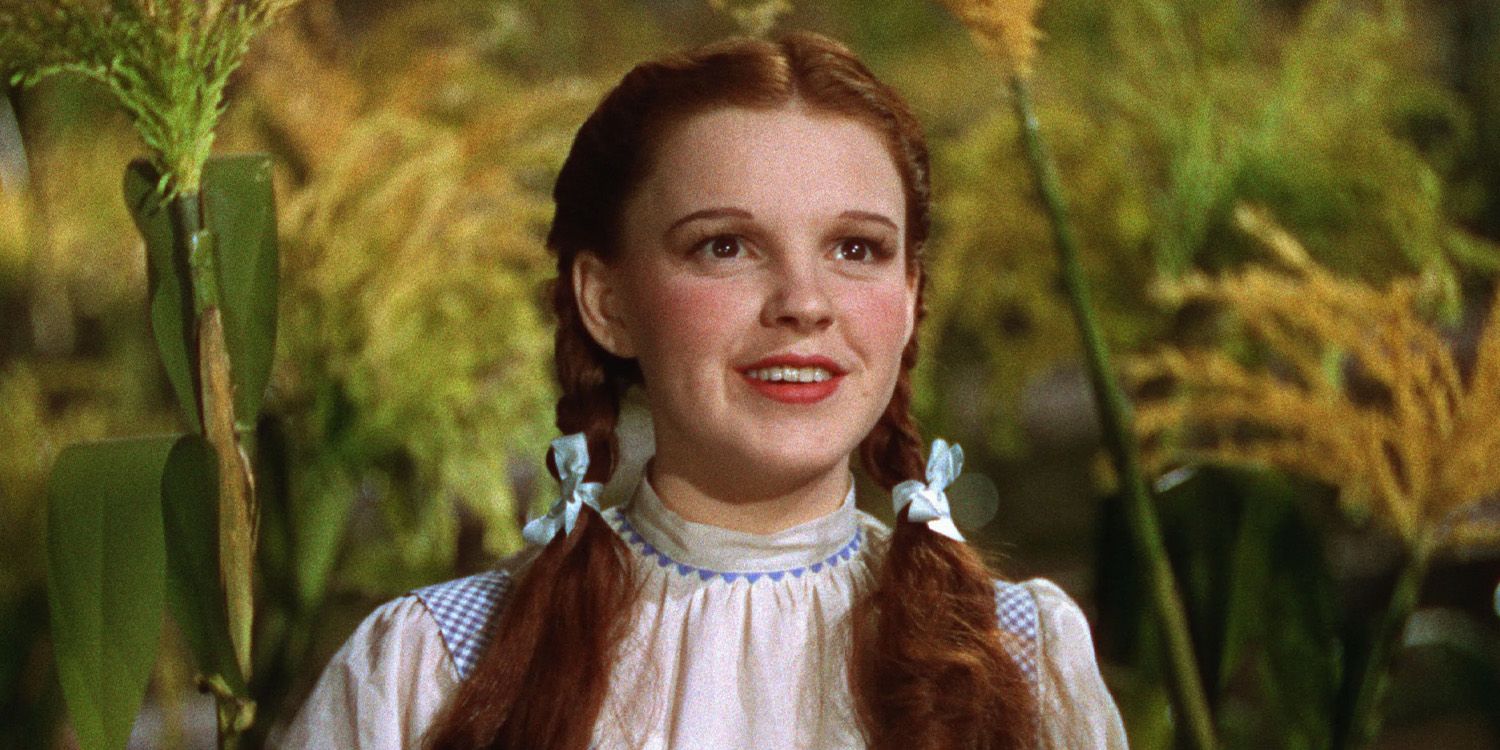
Roger Ebert’s essay about The Wizard of Oz explains why the film remains so impactful, not just due to nostalgia, but because it deeply reflects how children experience the world. He believed the movie taps into a universal childhood feeling: that home represents safety and everything familiar, while the outside world is both exciting and scary. As Ebert put it, “The elements in The Wizard of Oz powerfully fill a void that exists inside many children… For kids of a certain age, home is everything… But over the rainbow… is the wide earth, fascinating and terrifying.”
Ebert interpreted the film’s seemingly heartwarming conclusion as actually quite ironic, pointing out Dorothy ultimately has nowhere else to turn. While he praised the movie’s strengths – its humor, music, visuals, and thrilling moments – Ebert believed its lasting impact stemmed from honestly portraying and thoroughly examining common childhood fears and anxieties.
Pan’s Labyrinth Got Four Stars From Ebert
In 2006, a film critic declared the movie a masterpiece after seeing it at Cannes and immediately added it to his list of Great Movies – breaking his own ten-year rule for doing so. He explained that Guillermo del Toro skillfully blended two distinct themes within the story while remaining faithful to both.
He also discussed the political themes in Pan’s Labyrinth, pointing out that Guillermo del Toro intended the film to be about making choices. Roger Ebert interpreted Ofelia’s need to follow her own conscience, even if it meant disobeying orders, as a straightforward anti-fascist message. He also clarified a common misunderstanding: the creature in the film is not the mythological figure Pan, despite what some viewers believe.
The Thief of Baghdad Endures 80 Years Since Its Release
Roger Ebert included The Thief of Bagdad on his Great Movies list, calling it one of the most delightful fantasies ever filmed. He clearly loved the movie, comparing it to The Wizard of Oz and describing it as a truly uplifting entertainment. Despite having six directors (only three officially credited), Ebert felt the film had a remarkably unified vision.
He complimented the performances of Sabu as Abu, the energetic thief, and Conrad Veidt as the villainous Jafar. However, he felt the romance between the main characters lacked spark. Ebert was particularly impressed with the special effects in The Thief of Bagdad, considering them a benchmark for how effects should enhance a story, not overshadow it. The film currently boasts a perfect 100% rating on Rotten Tomatoes.
2026-07-19 22:12