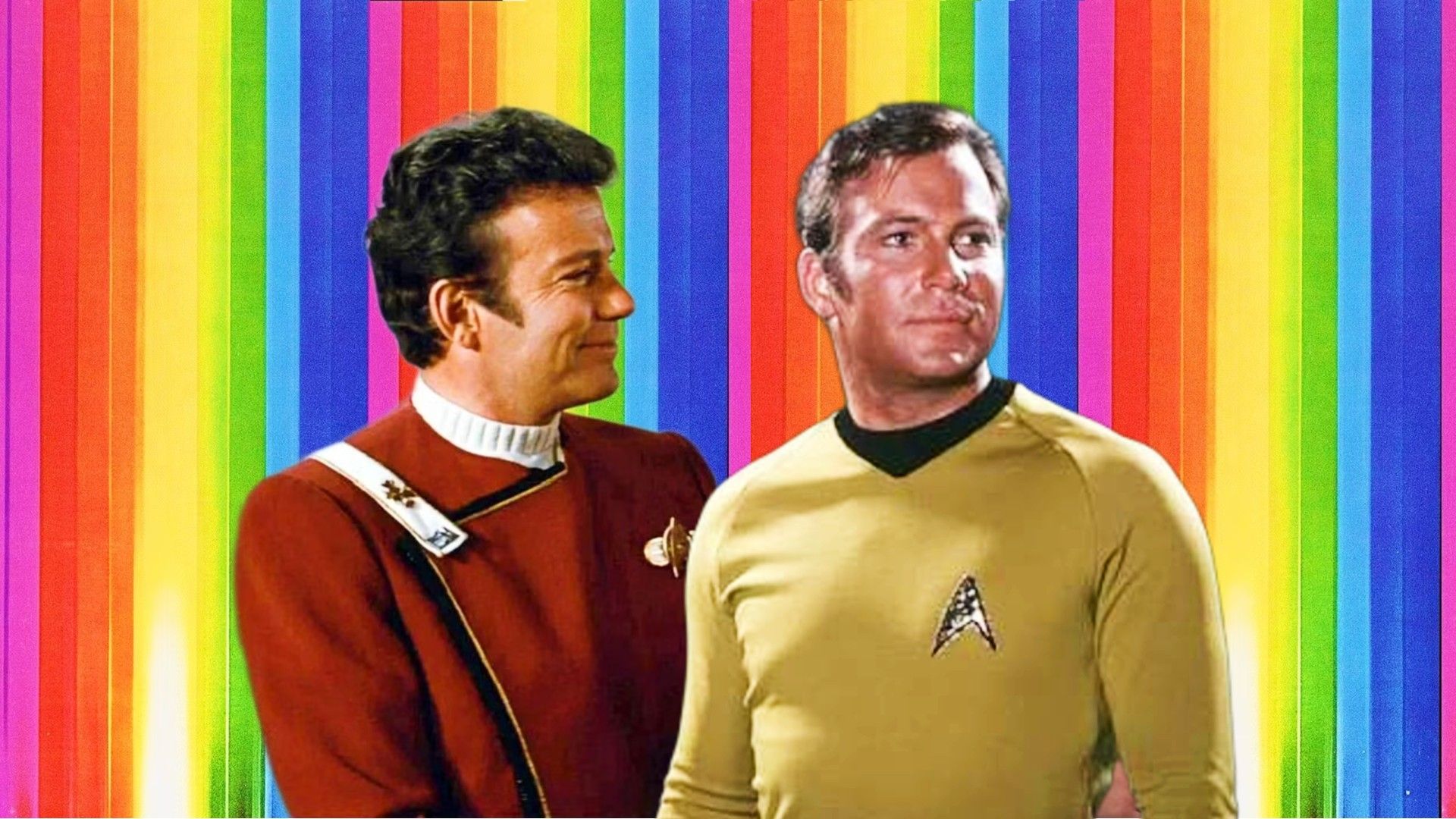
Look, Star Trek fans will debate endlessly about which series is the best, and who the greatest captain is. But one thing is absolutely clear: Captain Kirk is where it all began. William Shatner defined the role, and honestly, he set the template for every Star Trek captain who followed. He wasn’t just a sci-fi hero; he brought this really interesting, almost Western-style, ‘get-it-done’ attitude to the character, making him one of the most iconic and memorable figures in television and film history.
Captain Kirk has become a legendary figure, and the stories about him have only expanded over the years. His adventures are well-known not just by fans worldwide, but also inspire those who later join Starfleet and the United Federation of Planets. Through countless TV episodes, films, comics, and novels, Kirk and his crew have confronted unimaginable threats – and he always manages to succeed against all odds. As his friend Dr. McCoy put it, Kirk has a knack for turning certain death into an opportunity for survival.
Honestly, trying to list everything Captain Kirk has done would be a huge undertaking – maybe even too much for him! But certain moments just stick with you, you know? These are the times he really shone, proving to everyone in the galaxy why he’s the one and only James T. Kirk, and why no other captain quite measures up.
5. Captain Kirk Is The Only Person Who Ever Beat The Kobayashi Maru
Every Starfleet trainee faces the Kobayashi Maru, a famous test designed to challenge future captains. The exercise places them in command of a starship and presents a no-win situation: the Kobayashi Maru, a civilian vessel, is disabled in a dangerous area between Federation and Klingon territory. Cadets must choose between risking their crew to rescue the civilians or abandoning them. However, if they attempt a rescue, they fall into a Klingon ambush and their ship is destroyed.
The purpose of this Starfleet training exercise is to show cadets that even the most talented people will eventually face impossible situations – scenarios they simply can’t win. However, James Kirk found this idea unacceptable. As a cadet, he uniquely managed to succeed at the Kobayashi Maru simulation without any ship damage, proving it was possible to overcome what was designed as a no-win test.
Honestly, the whole thing reeked of bending the rules – he totally cheated! But even then, it was clear young James Kirk was destined for big things, way before he captained the Enterprise. He pulled off something nobody had ever attempted before, and as he said, that’s what made it special. They actually gave him an award for ‘original thinking,’ which is pretty funny considering how he did it, but you gotta admire the audacity!
4. Kirk Had More First Contacts With Alien Civilizations Than Any Other Captain
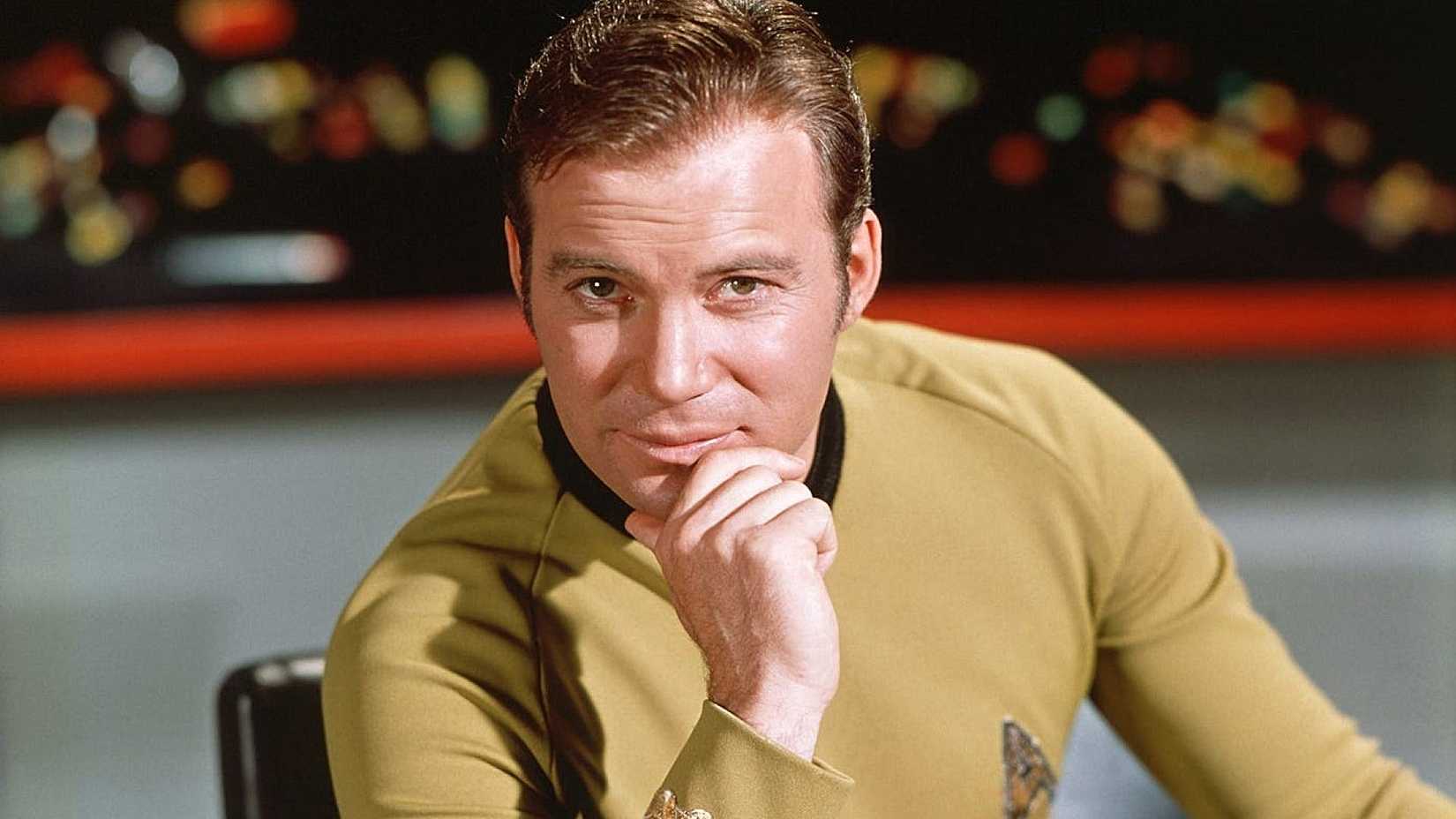
Although Starfleet often finds itself in conflicts with races like the Klingons, Romulans, the Dominion, and the Borg, its main goal is to explore the galaxy. This focus on discovery is emphasized at the beginning of both the original Star Trek series and Star Trek: The Next Generation. Most captains, especially those in command of the Enterprise, are dedicated to seeking out new worlds and discovering new forms of life and civilizations.
James T. Kirk was renowned for his skill in making first contact with alien civilizations. Although the exact number is unknown, he encountered more new cultures than almost anyone. The Star Trek: Voyager episode “Friendship One” establishes that Captain Janeway made more first contacts than any captain since Kirk, but only because she was operating far from Federation space – confirming Kirk’s lasting legacy as the leader in this area.
3. Captain Kirk Ensured The Khitomer Accords Were Signed

The United Federation of Planets and the Klingon Empire had a long-standing rivalry, dating back long before Captain Kirk’s time, which ultimately erupted into the Federation-Klingon War in 2256. This conflict led to decades of hostility and frequent battles. Even a second war twenty years later failed to ease tensions. However, when Praxis, the moon of the Klingon homeworld, was destroyed, the Federation offered assistance. Unfortunately, a group opposed to peace tried to sabotage the budding relationship by framing the Enterprise for attacking a Klingon ship and assassinating Chancellor Gorkon, hoping to reignite the conflict – as depicted in Star Trek VI: The Undiscovered Country.
Kirk, as captain of the Enterprise, was quickly blamed for a conspiracy and, without being able to prove he was innocent, was sent to the Rura Penthe asteroid prison. Dr. McCoy, who tried unsuccessfully to save the Chancellor, was also imprisoned with him. Eventually, the Enterprise crew discovered that Kirk hadn’t ordered the assassination and learned of another planned attack, this time aimed at disrupting the peace treaty signing on the Klingon planet Khitomer.
Fortunately, Kirk and Bones managed to escape from Rura Penthe, return to the Enterprise, and reach Khitomer just in time to prevent another attack. Thanks to Kirk’s quick thinking, a lasting peace treaty was established between the Federation and the Klingon Empire.
2. Kirk Saved The Earth… A Lot

Whenever Earth faced a crisis, Starfleet always turned to Captain James T. Kirk, and he often took action even before being asked. For example, in the classic Star Trek episode “Assignment: Earth,” Kirk and the Enterprise crew traveled back to 1968 and teamed up with an alien agent named Gary Seven to prevent a nuclear war and avert World War III. Later, in Star Trek: The Motion Picture, Kirk, having been promoted to Admiral, reclaimed command of the Enterprise and confronted V’Ger – a powerful entity formed from the Voyager 6 probe and an alien ship – to save Earth from destruction. V’Ger was destroying anything it didn’t recognize as its creator.
Surprisingly, future storylines in Star Trek reveal that humpback whales will eventually become extinct. This created a major crisis when an alien probe, broadcasting a whale song, began threatening Earth. The only solution? Get whales to respond with a song of their own! Captain Kirk, fresh off destroying the Enterprise to save his friend (quite a feat!), found himself as humanity’s last hope. He commandeered a Klingon ship and, using a clever plan involving slingshotting around the sun for time travel, went back to 1984. There, he and his crew captured some humpback whales and brought them forward to the 23rd century, successfully convincing the probe to stand down.
1. Captain Kirk Never Met A “God” He Couldn’t Beat
Space exploration inevitably leads Starfleet officers to encounter incredibly powerful alien entities that appear godlike to less advanced civilizations. These beings frequently present themselves as deities – Q being a prime example. However, Captain Kirk wasn’t one to tolerate arrogance and readily challenged these self-proclaimed “gods.” He famously confronted the aliens on Pollux IV who claimed to be the ancient Greek gods. To demonstrate his defiance of their demands for worship, Kirk destroyed the Temple of Apollo, effectively stripping them of their power.
Trelane was a supremely powerful being with a fondness for 18th-century Earth, and it turned out he was connected to the Q Continuum. While the better-known Q enjoyed playfully tormenting Captain Picard, Kirk delivered such a stern rebuke to Trelane that he never bothered him again. Similarly, the supposed god of Sha Ka Ree, located at the galaxy’s core, was convincing enough to fool Spock’s brother, but Kirk quickly exposed the deception with a single, insightful question: “What does a god need with a starship?”
I’ve always admired Captain Kirk because he truly believed everyone deserved respect. He had zero tolerance for anyone who thought they were better than others. He loved proving them wrong, whether it was with a clever argument or, if they pushed it, a firm reminder of his strength – or the Enterprise’s! I remember the Apollo incident vividly; he wasn’t afraid to use everything at his disposal to make his point.
2026-07-24 01:29