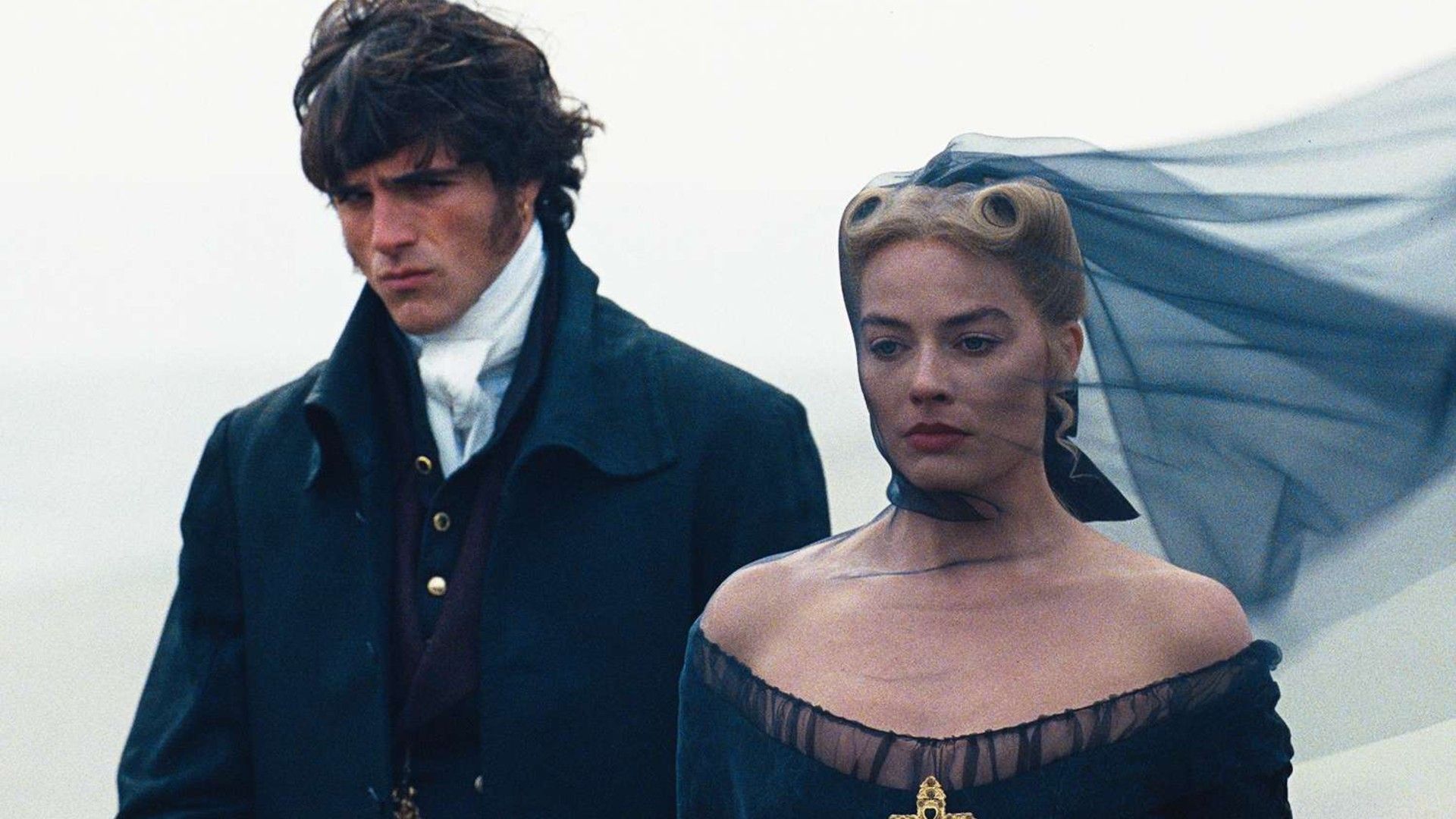
Emerald Fennell’s upcoming 2026 film version of Wuthering Heights isn’t a faithful recreation of the classic novel. Instead, it’s a fresh take on Emily Brontë’s passionate story, featuring unexpected casting choices, a different structure, and a very modern look at themes of desire and control. The movie feels less like a typical historical drama and more like an intense, psychological exploration of the relationship between Cathy and Heathcliff.
While Brontë’s novel is complex, spanning generations and told through recollections, the film simplifies the story, focusing on themes of obsession and longing. Some changes are minor, but others significantly alter the story’s core message. Here are the five most important differences between the book and the movie, including changes like making the main character older and cutting half of the original plot.
Cathy Is an Adult, Not a Teen
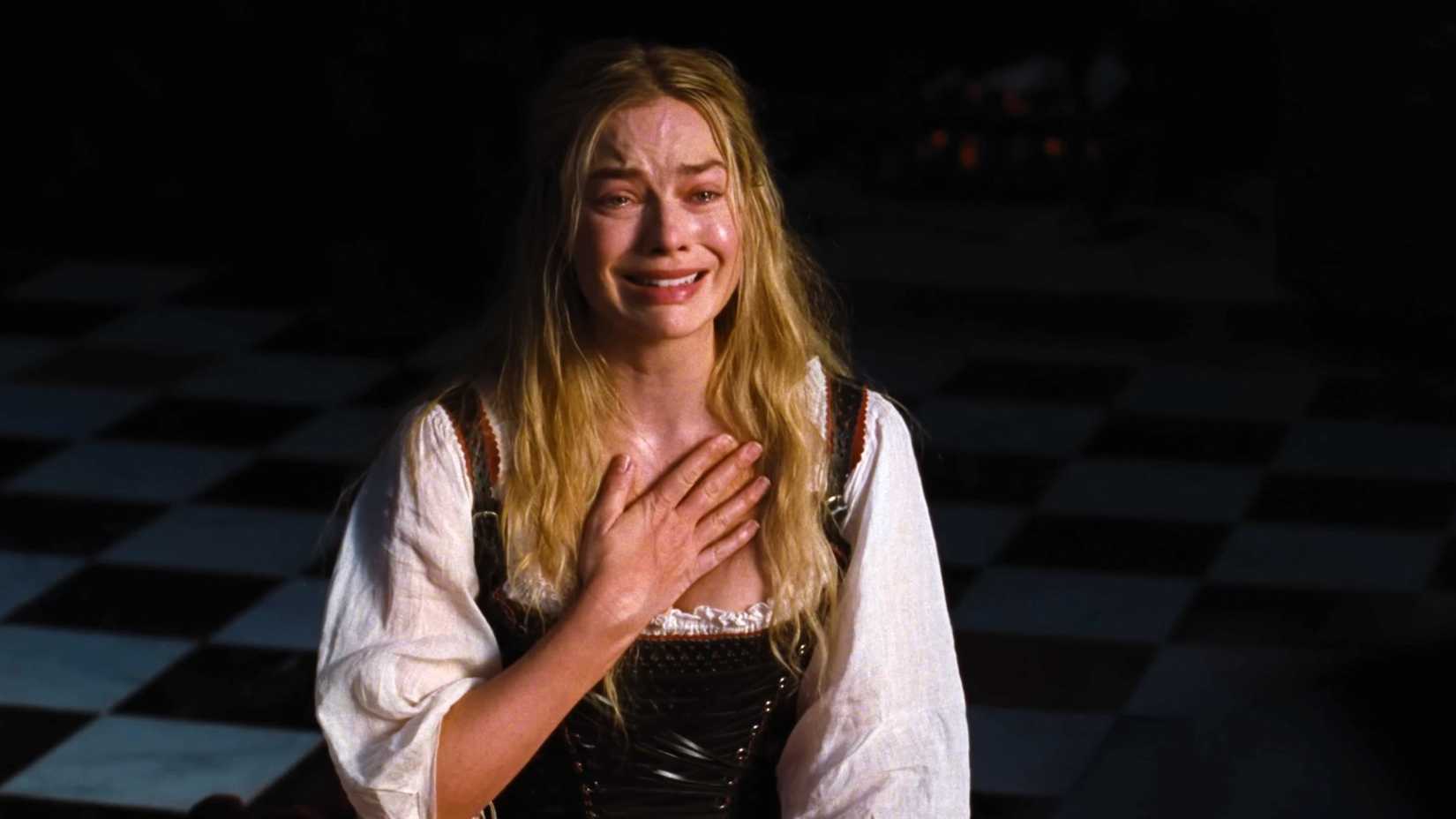
In Emily Brontë’s novel, Catherine Earnshaw dies young, and her marriage to Edgar Linton is influenced by her teenage pride, desire for social status, and quickly changing emotions. The film version, however, shows Catherine as a woman in her mid-20s or early 30s, played by Margot Robbie, which makes her seem much more mature. This change fundamentally alters how we understand her decisions.
In the novel, Catherine gets hurt while playfully exploring Thrushcross Grange as a child, which leads to her spending time with the Linton family. The recent adaptation keeps the injury, but changes the story: Cathy is now an adult secretly watching Edgar and Isabella, and her fall is linked to a romantic situation instead of a childish accident. The relationship between Isabella and the others also shifts – she’s now a ward instead of a sister, which slightly changes how the family interacts.
Choosing Jacob Elordi to play Heathcliff highlights the film’s more mature take on the story. By making the characters older, the movie emphasizes the societal pressures around marriage. Cathy’s choice to marry Edgar feels less like a young, foolish decision and more like a deliberate attempt to meet what’s expected of her. This changes the tragedy from a result of youthful impulsiveness to a consequence of making a conscious, but heartbreaking, compromise.
Major Characters Are Removed or Rewritten
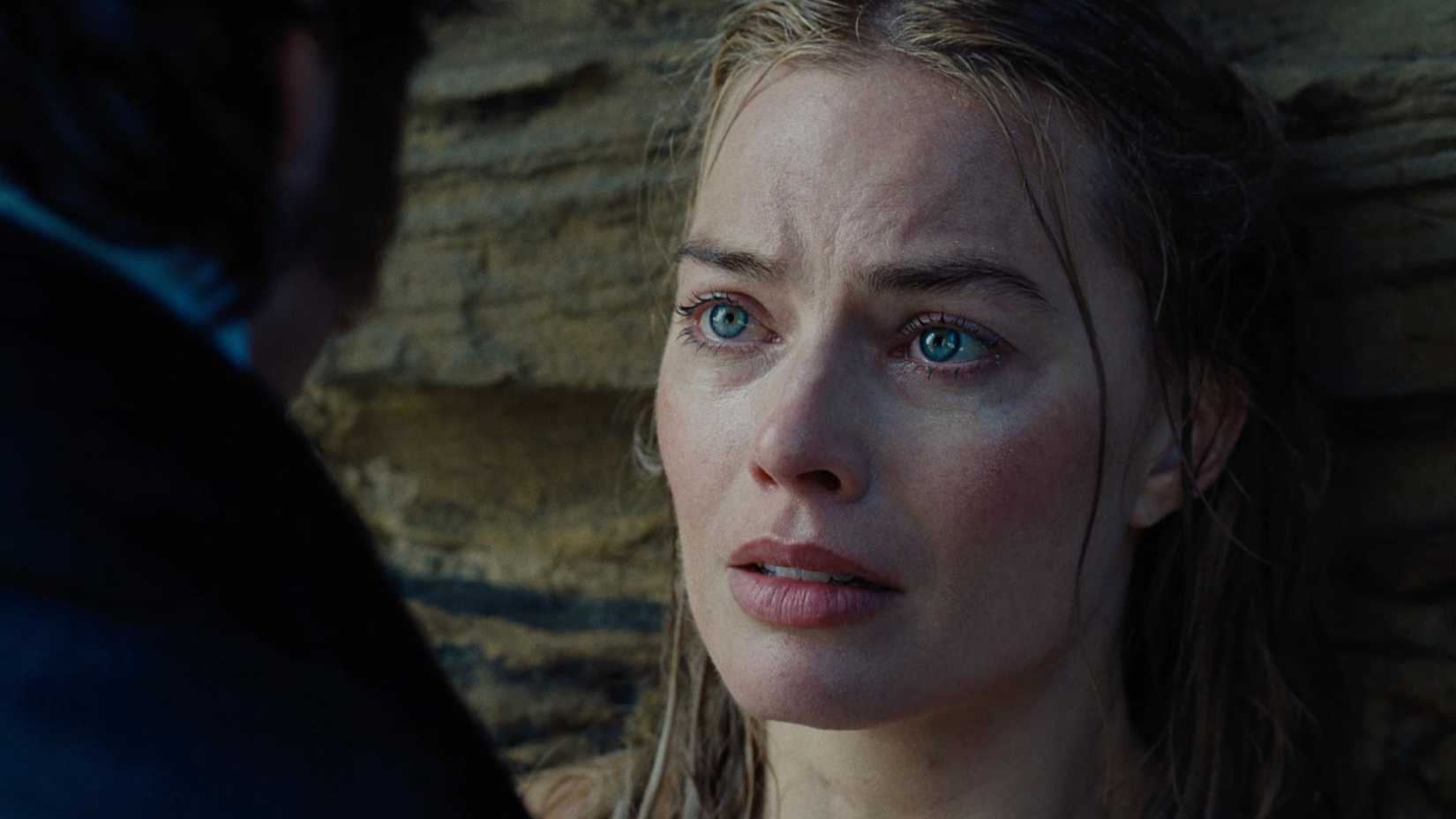
One of the most significant changes in the film adaptation of Wuthering Heights is the removal of the character Hindley Earnshaw. In the book, Hindley’s envy and mistreatment of Heathcliff are major factors in fueling Heathcliff’s desire for revenge. The film replaces this sibling conflict with a storyline focused on abuse by Mr. Earnshaw, making the father the source of Heathcliff’s pain instead.
As a movie lover, I think this change really makes Heathcliff’s drive for revenge feel more personal. Instead of being angry at a brother who wronged him, he’s now haunted by a truly awful father figure – someone who was a gambler and a drunk, and whose bad choices destroyed everything. It definitely raises the emotional impact, but honestly, it also makes the complicated feelings and grudges from the first part of the story a little easier to understand.
The film offers a fresh take on the character of Nelly Dean. In Emily Brontë’s novel Wuthering Heights, Nelly primarily tells the story as an outside observer. However, the film transforms her into someone who actively shapes events, particularly Cathy’s life. Instead of just recounting what happened, she deliberately creates confusion and becomes a driving force in the drama, adding more conflict and emotional intensity than the book does.
Heathcliff’s Racial Identity Is Erased

Heathcliff, a central character in Brontë’s novel, is intentionally presented as racially unclear and distinctly different from others. The novel hints at non-white ancestry through descriptions of him, and this sense of being an outsider is crucial to its commentary on society. Being marginalized leads to both the discrimination Heathcliff faces and the passionate connection he shares with Cathy.
The film’s decision to cast a white actor as Elordi significantly changes the story’s core issues. This adaptation of Wuthering Heights moves the central conflict from race to differences in social class and personality. While Heathcliff remains an outsider, the original novel’s specific focus on racial prejudice is removed, ultimately making the story less complex thematically.
As a movie lover, what always struck me about Cathy in Wuthering Heights is how her reasons for not being with Heathcliff felt…complicated. The book really hints that her fear of marrying him wasn’t just about social standing, but also carried some uncomfortable racial baggage. If you take that layer away, it makes her decision seem much simpler – just a cold calculation about maintaining her position in society. And honestly, that really flattens the story. It turns a passionate, messy romance about two people who shouldn’t be together into something much more about her worrying about what others think, and it makes her betrayal feel a lot less tragic and a lot more…shallow.
The Romance in Wuthering Heights Becomes Explicit and Physical
 Everett Collection
I just finished reading Wuthering Heights, and what struck me most wasn’t a lot of physical affection, but this intense, burning desire between Catherine and Heathcliff. It’s a story overflowing with longing, and their connection feels less about touch and more about a desperate, almost spiritual, need for each other. Brontë really focuses on their words and the sheer intensity of their emotions to convey their love – it’s a powerfully charged, yet restrained, romance.
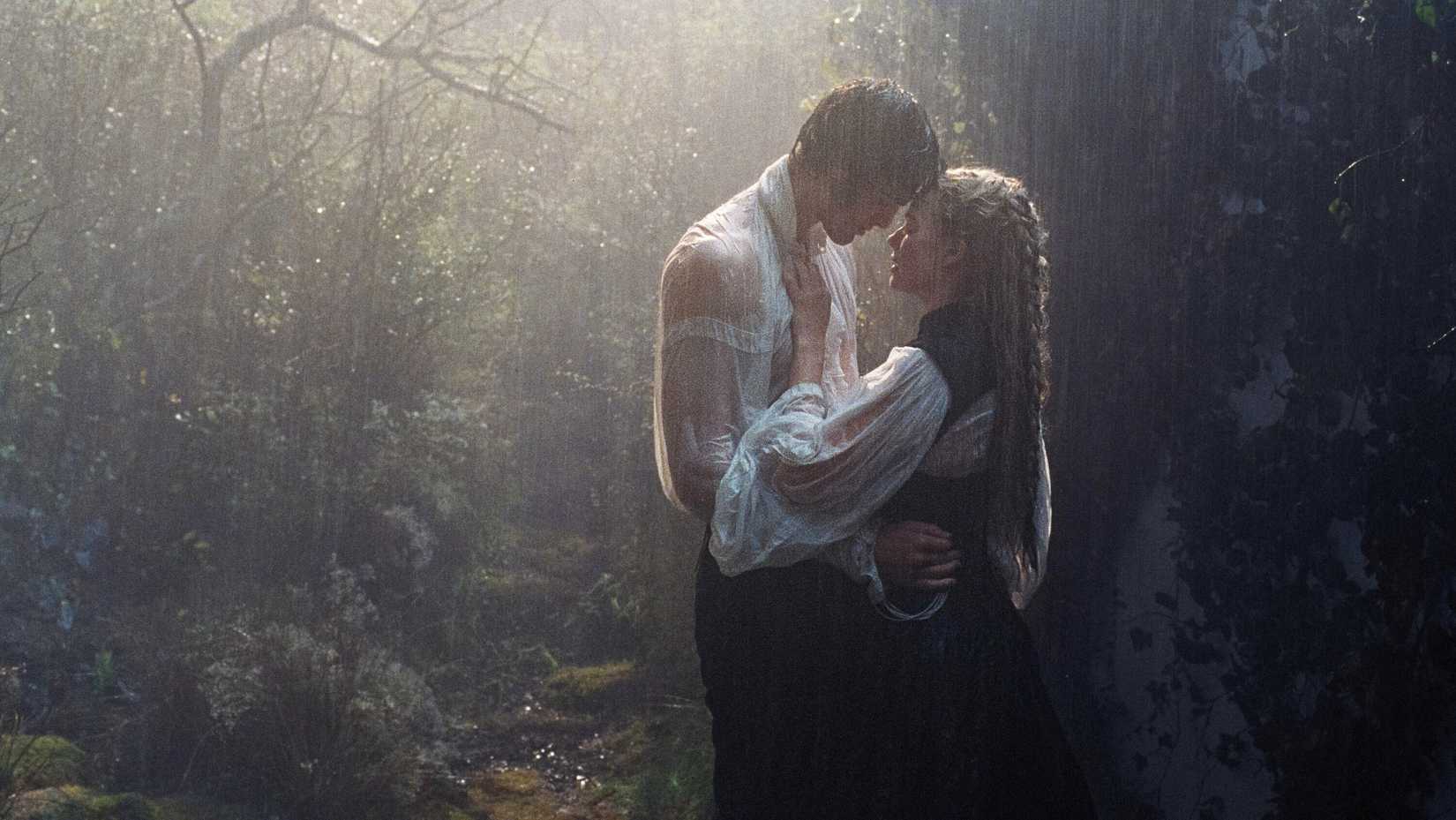
The movie doesn’t shy away from intense intimacy. After Cathy gets married, she and Heathcliff begin a hidden relationship, meeting secretly in carriages and out on the open countryside. This version of the story emphasizes their physical connection, making their underlying desires openly visible. Their passionate obsession isn’t just hinted at – it’s directly and repeatedly portrayed without apology.
This change affects how the tragedy feels. In the book, the characters’ sadness comes from chances lost and their own stubbornness. However, the movie shows them openly breaking social rules with a physical connection. This makes their failure seem like an over-the-top mistake instead of a quiet disappointment, increasing the drama but lessening the subtlety.
The Entire Second Half of the Wuthering Heights Novel Is Cut
Brontë’s novel doesn’t end with Catherine’s death; it continues to focus on the next generation for almost half of the book. Her children, Catherine Linton, Linton Heathcliff, and Hareton Earnshaw, must deal with the painful legacy of their parents, and the story examines whether they can escape a pattern of bitterness and abuse.
The 2026 movie concludes with Cathy’s death, completely dropping the story’s focus on family and future generations. This choice breaks the balanced structure of the original novel and removes its theme of new beginnings. Instead of exploring what happens after the romance, the film concentrates solely on the tragic love story itself.
The next generation of characters in the story could either break the cycle of tragedy or repeat it, depending on how you look at it. Without their potential for change, the film ends with everything destroyed. Cathy and Heathcliff stay locked in their painful relationship, and the wider impact of their actions on society – something the author carefully built into the story – is never fully shown.
Read More
- Invincible Season 4 Episode 4 Release Date, Time, Where to Watch
- Physics Proved by AI: A New Era for Automated Reasoning
- How Martin Clunes has been supported by TV power player wife Philippa Braithwaite and their anti-nepo baby daughter after escaping a ‘rotten marriage’
- CookieRun: OvenSmash coupon codes and how to use them (March 2026)
- Total Football free codes and how to redeem them (March 2026)
- Goddess of Victory: NIKKE 2×2 LOVE Mini Game: How to Play, Rewards, and other details
- Gold Rate Forecast
- American Idol vet Caleb Flynn in solitary confinement after being charged for allegedly murdering wife
- Olivia Colman’s highest-rated drama hailed as “exceptional” is a must-see on TV tonight
- Only One Straw Hat Hasn’t Been Introduced In Netflix’s Live-Action One Piece
2026-02-15 00:11